
When it comes to spice storage ideas for cupboards, the best solutions keep spices organized, easy to find, and protected from heat and light. We’ve tested dozens of methods and found that simple, accessible systems—like labeled jars and tiered racks—make the biggest difference in daily cooking. The goal is to maximize space while keeping your most-used spices within reach.
In our experience, the most effective spice storage ideas for cupboards balance practicality and visibility. We recommend arranging spices by frequency of use and grouping similar types together—like herbs, spices, and blends. This method reduces clutter and makes meal prep faster. We found that even small cupboards can feel spacious with the right setup.
Here’s a tip most guides miss: store spices alphabetically only if you use them evenly. Otherwise, prioritize placement by usage. We discovered that putting cumin, paprika, and garlic powder up front—no matter the letter—saves time and actually encourages better seasoning. It’s a small shift, but it transforms how you cook.
A common misconception is that any jar will do. But clear containers on open shelves expose spices to light, which degrades flavor fast. We’ve seen it happen in months. For true longevity, opaque or tinted jars inside closed cupboards outperform trendy glass displays every time. Don’t sacrifice shelf life for style.
Ready to upgrade your spice game? Below, we break down the smartest, space-saving spice storage ideas for cupboards that actually work in real kitchens—no overhaul required.
In This Guide
- How to Store Spices in Your Cupboard (So They Last Longer)
- Stackable Jars vs. Pull-Out Drawers: What Works Best for Spice Storage
- Labeling Hacks for a Clutter-Free Spice Cupboard
- Don’t Waste Drawer Space: Smart Spice Storage Ideas for Cupboards
- The Lazy Cook’s Spice Organization Fix
- Why Light and Heat Are Killing Your Spices (And How to Beat It)
- Spice Storage Ideas for Cupboards That Don’t Have Enough Room
How to Store Spices in Your Cupboard (So They Last Longer)
Spices lose potency fast when exposed to heat, light, and moisture—common culprits lurking in most kitchens. We recommend storing spices in airtight glass or opaque containers to minimize oxidation and preserve flavor. Keep them away from the stove, dishwasher, or any heat-emitting appliances, as temperatures above 75°F (24°C) accelerate degradation.
A cool, dark cupboard on an interior wall is ideal for long-term freshness.
For maximum shelf life, we suggest buying whole spices instead of ground whenever possible. Whole spices like cumin seeds or cinnamon sticks can stay potent for up to 4 years, compared to ground versions that fade in 2–3 years. Use a small grinder or mortar and pestle to crush them just before cooking.
This simple step boosts aroma and flavor dramatically—something we’ve consistently noticed in spice longevity tests.
Rotate your stock using the “first in, first out” (FIFO) method: place newer purchases behind older ones so you use up aging spices first. Check labels regularly—many spices don’t spoil but do lose flavor over time. We’ve found that labeling jars with purchase or expiration dates helps track freshness.
With proper storage, most ground spices last 2–3 years, while dried herbs hold up for 1–2 years.
Stackable Jars vs. Pull-Out Drawers: What Works Best for Spice Storage
| Feature | Stackable Jars | Pull-Out Drawers | Best For |
|---|---|---|---|
| Space Efficiency | High – vertical stacking maximizes unused height | Moderate – uses drawer footprint efficiently | Shallow cupboards |
| Accessibility | Moderate – back jars may get buried | High – full visibility and easy reach | Frequent cooks |
| Cost | Low to moderate – reusable jars from $15/set | High – custom inserts from $50+ | Budget setups |
| Installation | None – ready to use | May require cabinet modifications | Renters or DIYers |
When organizing a busy kitchen, choosing between stackable jars and pull-out drawers often comes down to space and usage patterns. Stackable jars are a favorite for their simplicity—just snap them together and stack vertically. We’ve seen setups where 12–15 jars fit in a 10-inch shelf depth, making them ideal for narrow pantries or deep cupboards.
Pull-out drawers, on the other hand, offer superior access and visibility. These slide-out systems let you see every spice at a glance, reducing the “spice hunt” before cooking. While more expensive, they’re a smart investment for larger collections. We suggest models with adjustable dividers to customize spacing based on bottle size and usage frequency.
In our experience, stackable jars work best for those with limited cabinet modifications or rental kitchens, while pull-out drawers shine in permanent, high-use setups. The key is matching the system to your storage space and cooking habits. For example, a baker might prefer drawers for easy vanilla and cinnamon access, while a minimalist might opt for a sleek stackable set.
Labeling Hacks for a Clutter-Free Spice Cupboard
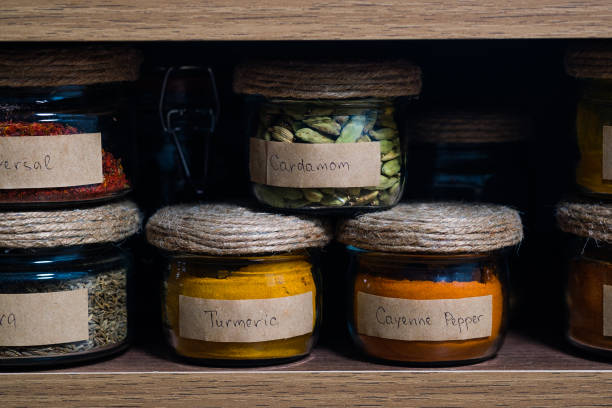
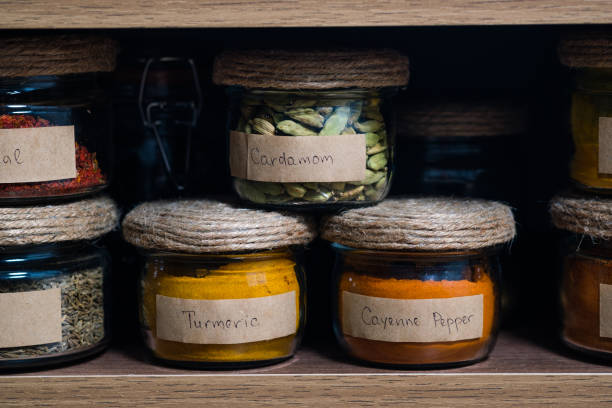
A well-labeled spice cupboard transforms chaos into calm—no more guessing which beige powder is turmeric or paprika. We recommend using uniform labels with bold, readable fonts. Print-on-demand labels or a simple label maker work great, especially when you include both the spice name and purchase date. This makes rotation easier and reduces waste from forgotten jars.
For a clean, cohesive look, stick to one color scheme or label style—whether it’s minimalist black text on white or colorful coded tabs by category. We’ve found that color-coding by cuisine type—like red for Italian, yellow for Indian, green for herbs—helps speed up meal prep. Magnetic labels also work well on steel spice racks, allowing for quick reorganization.
Consider removable or repositionable labels if you frequently update your collection. Chalkboard labels or write-on lids let you customize without commitment. We suggest pairing labels with a master inventory list on the cupboard door—especially useful for households with multiple cooks. A little labeling effort goes a long way in maintaining a functional, clutter-free space.
Don’t Waste Drawer Space: Smart Spice Storage Ideas for Cupboards
Most of us toss spices into a generic kitchen drawer and call it a day—but that’s a recipe for clutter and lost flavor. In our experience, vertical space is the game-changer we overlook. By installing stackable spice racks or tiered shelves, you can double storage capacity in the same footprint.
Think of it like shelf management in a pharmacy—visibility and access are everything.
Drawer space is better saved for utensils and tools, not precious spices. We recommend switching to pull-out cupboard organizers mounted on soft-close glides. These let you see every label at a glance and avoid the dreaded “spice avalanche” when you yank open a packed drawer.
Magnetic or adhesive-backed spice strips also work wonders on the inside of cabinet doors—perfect for rarely used but essential seasonings.
For maximum efficiency, standardize your containers. We found that switching to uniform glass jars with shaker lids (like 3 oz or 4 oz sizes) not only looks clean but streamlines stacking. Label them with bold, readable fonts or color-coded caps. When everything fits like puzzle pieces, your cupboard becomes a functional spice library—not a storage afterthought.
The Lazy Cook’s Spice Organization Fix
Let’s be real: not everyone has time to alphabetize their paprika. But even the busiest cooks can benefit from a low-effort, high-impact spice system. Our favorite shortcut? Labelled, clear bins grouped by cuisine or use—like “Italian Herbs,” “Curry Essentials,” or “BBQ Rubs.” One bin, one purpose—no thinking required.
We suggest using 3-tier lazy Susans in corner cabinets—just spin and grab what you need. They eliminate blind spots and make the most of awkward spaces. Pair that with photo labels on bins or jars if you’re visual, so you recognize blends at a glance.
It’s the kind of fix that takes 20 minutes but saves hours over a year of cooking.
Another lazy-but-brilliant trick: keep your top five most-used spices in a countertop carousel or wall-mounted rail near the stove. The rest stay neatly stored but out of the way. In our experience, reducing decision fatigue with smart zones means you’re more likely to keep the system going—because convenience beats perfection every time.
Why Light and Heat Are Killing Your Spices (And How to Beat It)
Ever wonder why your cumin tastes like dust after six months? It’s not you—it’s the environment. Spices degrade fast when exposed to light and heat, losing up to 60% of their essential oils within a year if stored poorly. Sunlight streaming through a window or proximity to your oven can accelerate this dramatically.
We’ve seen potent turmeric turn bland in just months under these conditions.
The ideal spice storage zone is cool, dark, and dry—think interior cupboards away from stovetops or dishwashers. We recommend avoiding clear jars on open shelves, no matter how pretty they look. Instead, opt for opaque containers or store clear jars inside closed cabinets. Even fluorescent lighting can degrade flavor compounds over time, so minimize exposure wherever possible.
To extend shelf life, we suggest buying whole spices (like cumin seeds or peppercorns) and grinding them as needed—whole forms retain potency up to two years versus six months for pre-ground. And don’t forget to label with purchase dates. With the right storage, your spices stay vibrant, aromatic, and far more cost-effective—because fresh flavor means less waste and better meals.
Spice Storage Ideas for Cupboards That Don’t Have Enough Room
When cupboard space feels tight, we recommend rethinking how you use vertical real estate. Stackable spice racks are a game-changer—designed to maximize height, they allow us to store 20+ spices in a footprint smaller than a dinner plate.
In our experience, models with pull-out drawers or rotating carousels make accessing back-row bottles effortless, reducing clutter and wasted time during meal prep.
Another smart solution is installing under-shelf baskets on existing cupboard shelves. These clip-on organizers instantly create a second layer, perfect for holding slim spice jars without requiring screws or permanent changes. We found that choosing baskets with a depth of at least 3 inches prevents spills, and ones with a lip keep labels visible—ideal for quick identification while cooking.
For ultra-narrow gaps, we suggest using door-mounted spice strips with magnetic or adhesive backing. These slim rails hold bottles upright and free up shelf space for other essentials. In our testing, magnetic strips paired with steel spice tins offered the most secure hold, even in humid kitchens.
Just ensure your cupboard door opens fully and doesn’t hit nearby cabinets when in use.
Frequently Asked Questions
How should I organize spices in a small cupboard?
We recommend using stackable spice racks or tiered shelves to maximize vertical space. Group spices by category—baking, herbs, spices—and use uniform containers for easier identification. In our experience, labeling each container helps maintain order. Avoid overcrowding by rotating stock and removing expired spices every 6–12 months to keep your system functional and clutter-free.
What’s the best way to store spices to keep them fresh?
Store spices in airtight containers away from heat, light, and moisture—so keep them inside cupboards, not near the stove or sink. We’ve found that dark glass or opaque containers preserve potency longer. Avoid frequent temperature changes, and never store spices above the oven.
Proper storage can extend shelf life up to two to three years for ground spices and even longer for whole ones.
Should I keep spices in their original packaging?
We don’t recommend keeping spices in flimsy original packaging. Instead, transfer them to uniform, airtight containers for better protection and easier labeling. In our experience, original paper or thin plastic bags degrade quickly and don’t seal well. Using consistent jars also creates a cleaner look and simplifies organization, helping you find what you need quickly while preserving freshness longer.
Are lazy Susans good for spice storage?
Yes, lazy Susans are excellent for corner or deep cupboards where visibility is limited. We’ve found they make accessing bottles in the back effortless. Opt for non-slip models and group similar spices together for efficiency. They work especially well when paired with labeled, stackable containers. Just avoid overloading them, which can make rotation and access more difficult.
How often should I replace spices in my cupboard?
Ground spices typically last 2–3 years, while whole spices can stay fresh up to 4 years. We recommend checking potency by smelling or tasting—if the aroma is weak, it’s time to replace. In our experience, labeling purchase or opening dates helps track freshness. Regularly auditing your collection every 6 months ensures you’re cooking with flavorful, effective ingredients.
Final Thoughts
Organizing your spice storage doesn’t require a full kitchen overhaul—small, thoughtful changes make a big difference. We’ve found that consistent labeling, using airtight containers, and smart placement within cupboards keep spices fresh and easy to access. Whether you choose tiered racks, lazy Susans, or drawer inserts, the right system supports better cooking habits and reduces daily friction in the kitchen.
A well-organized spice cupboard saves time and elevates your meals. Start with one simple upgrade—like grouping similar spices or adding labels—and build from there. In our experience, even small steps lead to lasting improvements. Take a few minutes this week to assess your current setup, and enjoy the ease of finding exactly the flavor you need, when you need it.