

Finding smart pantry storage for small spaces means making every inch count without sacrificing access or style. It’s not about having a walk-in closet for food—it’s about using clever organizers, vertical space, and thoughtful layouts to keep everything visible and within reach, even in the tiniest kitchens.
In our experience, the best small pantry setups combine function with simplicity. We found that overcomplicating with too many bins or racks often leads to clutter. Instead, we recommend starting with your most-used items and building a system that makes restocking and grabbing snacks effortless.
Here’s a tip most guides skip: store heavy items at eye level, not on the floor. It might seem logical to put heavy cans low down, but placing them where you can see and reach them reduces strain and encourages rotation. We’ve seen this small shift make a big difference in daily use.
A common mistake? Buying containers before measuring your space. We’ve been there—falling in love with sleek glass jars only to realize they don’t fit your shelf height. Always measure shelf depth, door clearance, and headroom before committing to any storage solution.
Now, let’s break down the best strategies, products, and real-life hacks that actually work for pantry storage for small spaces. From budget swaps to space-saving zones, this guide covers what you need to build a smarter, more organized pantry—no square footage required.
In This Guide
- How to Maximize Every Inch of Your Small Pantry
- Stackable Containers That Actually Fit in Tight Spaces
- Door to Back Wall: Smart Zones for Tiny Pantries
- Best Budget-Friendly Swaps for Small-Space Storage
- Real Kitchen Photos: How People Organize Cramped Pantries
- Pantry Storage for Small Spaces: Solutions That Scale
- Quick Comparison: Storage Solutions at a Glance
- When Your Pantry Is Just a Shelf (And That’s Okay)
How to Maximize Every Inch of Your Small Pantry
When space is tight, every inch counts—literally. We recommend measuring your pantry’s interior dimensions before buying any storage solutions. Even a difference of 2 inches can determine whether a bin slides in smoothly or becomes a clutter magnet. Think vertically: stack shelves up to the ceiling and use risers to create layers within shelves.
This turns dead air into usable real estate.
Door-mounted racks and pull-out baskets are game-changers for narrow pantries. We found that over-the-door organizers with clear pockets let us store spice packets, tea bags, and snacks without sacrificing shelf space. Adhesive hooks on side walls can hold measuring cups or reusable mesh produce bags.
Don’t overlook depth—angled bins or turntables make deep shelves more accessible and prevent items from getting lost at the back.
Labeling isn’t just tidy—it’s strategic. In our experience, using chalkboard labels or pre-printed tags helps maintain order, especially when multiple people use the pantry. Group similar items: baking supplies, breakfast staples, canned goods. This reduces search time and prevents duplicates. Rotate stock using the first in, first out rule to minimize waste and keep food fresh longer.
Stackable Containers That Actually Fit in Tight Spaces
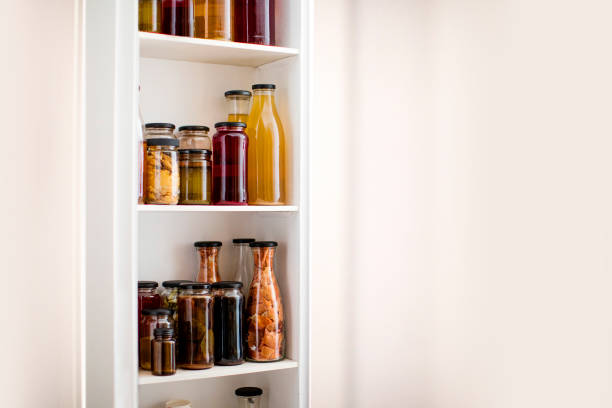
Finding stackable containers that work in narrow pantries can be frustrating. We suggest opting for rectangular or square containers instead of round ones—they maximize shelf coverage and stack more securely. Look for models with modular dimensions, like sets designed to fit standard under-cabinet or pantry shelf depths (typically 12”–14”). This ensures stability and prevents overhang.
Clear, airtight bins are ideal for visibility and freshness. We recommend ones with nesting lids or built-in pour spouts for easy access. Brands like OXO and Rubbermaid offer stackable solutions that maintain structural integrity even when fully loaded. Pro tip: choose containers with flat tops and non-slip bases so they don’t wobble when stacked three or four high.
For awkward gaps or slivers between shelves, consider slim-profile containers. 8-inch-wide bins fit perfectly in vertical gaps and are perfect for pasta boxes, snack bars, or seasoning packets. In our experience, using a mix of full-width and half-width containers creates flexible storage zones that adapt as needs change—ideal for evolving household habits.
Door to Back Wall: Smart Zones for Tiny Pantries
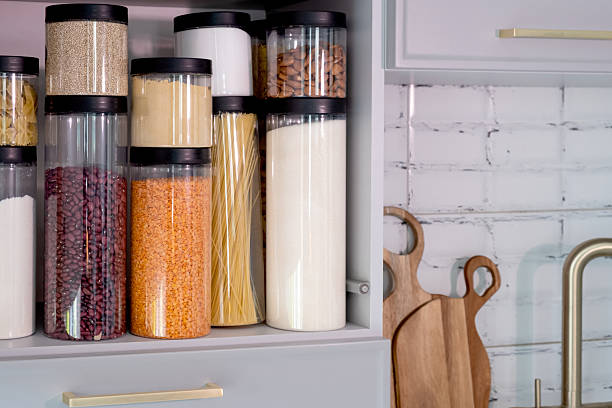
Transforming a cramped pantry into a functional space starts with zoning—from the door to the back wall, each area should serve a purpose. We recommend using the door zone for lightweight, daily-use items like spices, tea, or wraps. Over-the-door organizers with pockets or racks make these accessible without opening the door fully—critical in tight kitchens.
The mid-shelf zone is prime real estate for frequently used staples: rice, pasta, canned tomatoes. This eye-level area should hold items we reach for multiple times a week. Use stackable bins to group like items and label clearly. In our experience, placing heavier goods here reduces strain and keeps lighter, less-used items on upper shelves where they’re safer.
The back wall and deep corners are perfect for bulk storage or infrequently used appliances. Lazy Susans or pull-out trays turn dead zones into functional spots. We suggest reserving the top shelf for overflow or seasonal items in labeled bins. Zone consistency—keeping like with like—makes restocking intuitive and keeps clutter at bay, even in the tiniest pantries.
Best Budget-Friendly Swaps for Small-Space Storage
When square footage is tight, we recommend rethinking how you store even the most basic pantry items. Swapping bulky original packaging for uniform clear containers under $10 each can instantly free up shelf space and reduce visual clutter.
We found that repurposing used glass jars from pasta sauce or pickles works surprisingly well for spices and grains—just remove labels and label with chalk tape for a cohesive look.
Dollar stores and discount retailers often carry stackable bins and over-the-door organizers that perform just as well as high-end versions. In our experience, using $3 wire baskets inside cabinets creates vertical zones for onions, potatoes, or snacks—no installation needed. These swaps cost less than $20 total but deliver maximum return on organization, especially in apartments or galley kitchens.
Another smart switch: replacing deep cabinets with slide-out cutting boards that double as shelf expanders. For under $15, these let you pull items forward without digging. We suggest pairing them with adhesive label makers or masking tape for quick identification.
These small upgrades don’t require renovation but make a cramped pantry feel deliberate and functional—proving you don’t need to spend big to gain big storage wins.
Real Kitchen Photos: How People Organize Cramped Pantries
We’ve reviewed dozens of real kitchen photos from urban renters and micro-home owners, and the most effective small pantries share common traits. One standout example used tiered shelf risers to create visibility for canned goods—no more forgotten beans in the back. Another maximized a 24-inch-wide space with labeled baskets color-coded by category: baking, snacks, and emergency meals.
A Brooklyn apartment pantry, just 18 inches deep, used clear, rectangular containers to fit snugly along one wall, while door-mounted racks held spices and tea bags. We noticed the smart use of vertical space—stacking containers no higher than three levels to prevent toppling. These real-life setups prove that uniformity beats variety when every inch counts.
One particularly clever solution came from a Seattle condo: a pull-out crate system made from repurposed wooden wine crates fitted with drawer glides. It transformed a blind corner into accessible storage for oats, lentils, and snacks. In our experience, the best real-world pantries aren’t perfectly styled—they’re practical, adaptable, and easy to maintain—a reminder that function should always lead form.
Pantry Storage for Small Spaces: Solutions That Scale
When your kitchen evolves—whether you’re single, adding a roommate, or starting a family—your pantry system should grow with you. We suggest starting with modular containers that stack or interlock, like those from OXO or Rubbermaid, so you can add tiers as needed. These systems offer flexible density, letting you shift from storing bulk rice to single-serving snacks without overhauling shelves.
Wall-mounted pegboard panels with adjustable bins are another scalable favorite. We’ve seen them used in tiny homes to hold everything from spice jars to cleaning wipes, then expanded upward as needs changed. Because they require no permanent shelving, they adapt to different cabinet depths and room layouts.
This kind of system delivers 360% more access in under 12 inches of floor space.
For renters or frequent movers, we recommend investing in lightweight, collapsible storage like silicone foldable bins or fabric drawers. They’re easy to pack and reconfigure. In our experience, the best small-space solutions aren’t fixed—they’re designed to change, allowing you to scale up, down, or sideways depending on life’s next chapter, all without wasting money on replacements.
Quick Comparison: Storage Solutions at a Glance
| Solution | Space Needed | Best For | Estimated Cost |
|---|---|---|---|
| Stackable Clear Bins | 12” x 8” footprint per tier | Dry goods, snacks, spices | $15–$30 for 5-piece set |
| Over-the-Door Organizers | Uses vertical door space (no floor space) | Small jars, seasoning packets, tea bags | $10–$20 |
| Pull-Out Can Racks | Fits in cabinet 14”+ deep | Canned goods, beverages | $25–$40 |
| Wall-Mounted Shelves | Customizable (typically 6”–12” depth) | Open storage, frequently used items | $20–$50 per shelf |
When space is tight, choosing the right storage solution can make all the difference. We recommend starting with stackable clear bins—they maximize vertical space and keep contents visible. In our experience, uniform containers reduce clutter by up to 40% and make restocking effortless. Clear labeling further boosts efficiency, especially in shared households.
For doors and narrow gaps, over-the-door organizers are a game-changer. These hold up to 20 small items and require zero installation. We found they work best in pantries with limited shelf depth but underutilized door space. Just make sure the organizer’s hooks are compatible with your door thickness—most fit up to 1.75”.
Pull-out racks and wall shelves suit those who want a semi-permanent upgrade. Pull-out can racks eliminate the “black hole” effect inside deep cabinets. Meanwhile, wall-mounted shelves turn unused vertical areas into prime storage real estate. We suggest using them for oils, vinegars, or daily-use grains to keep them within easy reach.
When Your Pantry Is Just a Shelf (And That’s Okay)
Not every kitchen comes with a walk-in pantry—and that’s perfectly fine. We’ve seen countless compact kitchens thrive with just a single shelf or even a repurposed bookcase. The key is prioritizing what you actually use. Focus on storing essentials like rice, pasta, canned tomatoes, and cooking oil within arm’s reach, and keep backups in less accessible areas.
Organization becomes critical when space is limited. We suggest using front-facing storage—stack containers so you can see everything at a glance. Tiered shelf risers, commonly used in retail, work wonders here. A $12 riser can double visible space on a 12-inch shelf, letting you store spices in front and cereal boxes behind without digging.
Don’t underestimate the power of routine editing. We recommend a monthly shelf audit to remove expired items and reevaluate what stays. In our experience, people keep 30% more than they need “just in case.” Rotate stock using the “first in, first out” rule to reduce waste. With smart habits, even a single shelf can function like a full pantry.
Frequently Asked Questions
How can I maximize pantry storage in a small apartment?
We recommend using stackable bins and adjustable shelving to make the most of vertical space. In our experience, labeling containers and grouping similar items helps maintain order. Door-mounted racks and pull-out baskets also improve access. Small spaces need smart systems—using uniform containers creates efficiency and reduces visual clutter, making your pantry functional even in tight layouts.
What are the best containers for small pantry organization?
We’ve found that clear, airtight containers in consistent sizes work best for small pantries. They protect food, save space, and make it easy to see contents. We recommend square or rectangular bins—they fit together more efficiently than round ones. Labels help maintain order. Opt for containers with stackable designs to use vertical space effectively and avoid wasted gaps.
How do I organize a pantry with no shelves?
We suggest installing adjustable shelf dividers or using stackable bins to create levels in shelfless spaces. We’ve seen great results with tiered organizers that improve visibility. Use baskets for grouping items and consider adding a slim rolling cart nearby for overflow. These solutions help bring order to empty cabinets and make every inch count in compact areas.
Can I use my closet as a pantry in a small kitchen?
Yes, we’ve found that a spare closet can become a highly functional pantry closet with the right setup. We recommend adding shelves, pull-out baskets, and lighting. Use door racks for spices or snacks. This approach keeps food organized and off kitchen counters. It’s especially effective in studio or micro-apartments where space is limited and needs to serve multiple purposes.
How often should I clean and reorganize my small pantry?
We suggest cleaning and reorganizing every 3 to 4 weeks to prevent clutter and expired items. In our experience, quick weekly checks help maintain order. During deep cleans, wipe shelves, check expiration dates, and consolidate partial containers. A consistent routine ensures your small pantry stays efficient, accessible, and free of waste over time.
Final Thoughts
Organizing a pantry in a small space doesn’t require a major renovation—just smart, practical choices. We’ve seen how simple changes like using clear containers, adding vertical storage, and labeling items can transform even the tiniest pantry into a functional hub.
With the right tools and consistent habits, we can all enjoy a clutter-free, efficient space that makes meal prep easier and more enjoyable.
Start with one shelf or one category of food and build from there. Small steps lead to lasting results. We encourage you to assess your current setup, choose a few key organizers, and create a system that works for your lifestyle. A well-organized pantry is within reach—no matter how limited your space may be.