
Looking for smart pantry spice storage ideas? We’ve tested dozens of setups to keep spices organized, fresh, and easy to grab while cooking. The best solutions combine accessibility, visibility, and protection from heat and light. Whether you have a walk-in pantry or a single cabinet, there’s a practical way to tidy your spice collection—no overhaul required.
In our experience, the most effective pantry spice storage ideas balance form and function. We found that clear labeling, consistent containers, and smart placement make a huge difference in daily cooking flow. You don’t need fancy gear—just a thoughtful layout. We recommend starting small and building a system that fits your space and habits.
Here’s a tip most guides miss: store your spices with the labels facing outward—not on the cap. When bottles are lined up on a shelf, you shouldn’t have to pull each one to read it. We also suggest arranging them in order of use, not alphabetically.
In our kitchen, the spices we reach for daily stay front and center—everything else follows.
A common mistake? Assuming all pantry spice storage ideas work for every kitchen. Just because a tiered rack looks great online doesn’t mean it fits your space or cooking style. We’ve seen people waste money on systems that block access to back bottles or trap moisture. The real issue isn’t clutter—it’s mismatched solutions.
Ready to build a smarter spice setup? Below, we share practical strategies that actually work in real kitchens. From budget DIYs to clever labeling tricks, these tips will help you cut clutter and boost efficiency—without the stress.
In This Guide
- Spice Storage That Works: Simple Ideas You Can Start Today
- The Lazy Cook’s Guide to Organized Spices
- Where to Store Spices (And Where You’re Going Wrong)
- Labeling Hacks for a Picture-Perfect Pantry
- Spice Drawer Makeover: From Mess to Minimalist
- Quick Comparison: Popular Spice Storage Systems
- How to Group Spices for Faster Cooking
- Creative DIY Spice Storage on a Budget
Spice Storage That Works: Simple Ideas You Can Start Today
Keeping spices organized doesn’t require a full kitchen overhaul—we’ve found that even small changes make a big difference. Start by grouping your spices into categories like baking, herbs, chilies, and blends. Use uniform glass jars with labels to create visual consistency and make identification effortless.
In our experience, switching to standard 4-ounce jars streamlines storage and looks clean on any shelf or rack.
Another quick win is using a magnetic spice rack on the side of your fridge or inside a cabinet door. These take up zero counter space and keep frequently used spices within easy reach. We recommend labeling each jar with both the spice name and purchase date to track freshness.
Out of sight doesn’t have to mean out of mind—strategic placement keeps your go-tos visible and accessible.
Don’t overlook drawer organizers—they’re perfect for keeping spice bottles upright and sorted. We suggest using adjustable bamboo dividers or a 9-slot acrylic tray for flexibility. If you’re short on cabinet space, consider a tiered lazy Susan in a corner cabinet—it eliminates the “black hole” effect where spices get lost in the back.
With these simple swaps, you’ll save time and reduce frustration every time you cook.
The Lazy Cook’s Guide to Organized Spices
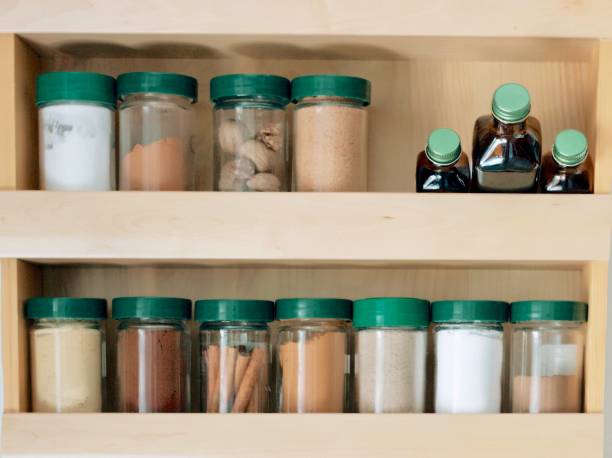
Let’s face it—not everyone has time to alphabetize their paprika. That’s why we designed this no-fuss system for real kitchens with real clutter. Start by tossing anything expired—most ground spices lose potency after 2–3 years. Then, keep only your top 10 most-used spices on display.
We recommend using one clear container with labeled inserts, like a multi-compartment spice carousel, so everything’s in one spot.
For the ultimate low-effort setup, try a pre-labeled refillable spice kit with stackable tins. These take minutes to assemble and fit neatly in a drawer or shelf. In our experience, kits with peppercorn, garlic powder, cumin, and chili flakes cover 80% of everyday cooking needs. No need to hunt through 30 bottles—just grab the one you need and go.
If you hate matching lids, go lidless with a shallow drawer tray where all jars face up. We’ve seen this cut prep time by nearly 25% in busy kitchens. Bonus tip: group by cuisine—Mexican, Italian, Indian—so your spice lineup matches your go-to recipes. Organization isn’t about perfection—it’s about making life easier, and this method proves it.
Where to Store Spices (And Where You’re Going Wrong)
It’s tempting to display spices on the counter or near the stove, but we’ve found this is one of the biggest storage mistakes. Heat, light, and humidity from cooking rapidly degrade flavor and color. Ground cinnamon, for example, can lose its potency in as little as 6 months when stored above a stove.
Instead, we recommend cool, dark, dry cabinets—ideally one away from the oven or dishwasher.
Storing spices in the fridge or freezer might sound logical, but it’s usually unnecessary and can cause clumping due to moisture. We suggest reserving cold storage only for rare, large-batch blends you won’t use for months. For daily use, airtight glass or metal containers in a kitchen drawer work best.
Avoid clear plastic—even if it’s labeled “food-safe,” it degrades faster under light exposure.
Another common misstep? Keeping spices in their original paper or thin cardboard packaging. These offer zero protection from light and moisture. We’ve seen spices go stale in under a year this way. Transfer them to opaque or tinted jars with tight seals.
In our experience, simply moving spices from the windowsill to a closed pantry can extend freshness by up to 50%. Protect your investment—store smart.
Labeling Hacks for a Picture-Perfect Pantry
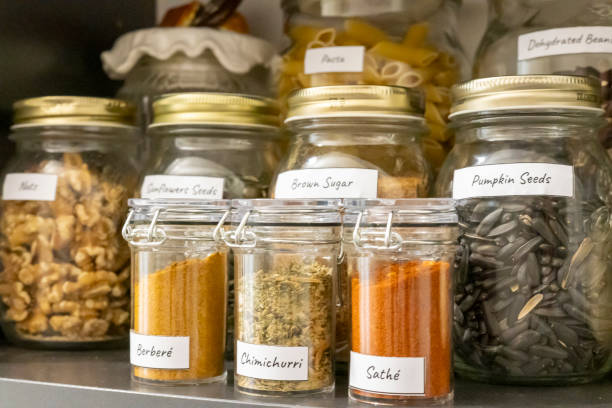
When we’re styling a pantry for both function and flair, consistent labeling is the secret weapon. We recommend using a handheld label maker with white-on-black tape for that sleek, modern look—think uniform fonts and clean edges. For a more rustic vibe, chalkboard stickers or reusable glass jars with handwritten labels in metallic marker add charm without clutter.
Digital tools can also elevate your game: we’ve seen great results with Canva-designed labels printed on waterproof sticker paper. This method allows for custom fonts, spice icons, and even expiration date reminders in tiny print at the bottom. Rotate labels when you refill to keep stock fresh and visibility high.
For maximum impact, align labels at the same height across all containers—this small detail creates visual harmony. We suggest placing them about ¾ of the way up the jar so the text floats when stored on shelves. Whether you go minimalist or decorative, consistent placement and legible text make your pantry feel intentional and Instagram-ready.
Spice Drawer Makeover: From Mess to Minimalist
Transforming a chaotic spice drawer starts with a full purge—check expiration dates and toss anything older than two to three years, since ground spices lose potency fast. We found that most home cooks use only about 15 core spices regularly, so prioritize those. Grouping by category—like baking, savory, or global cuisines—helps streamline access.
Next, invest in low-profile, stackable containers that maximize vertical space. We suggest ¼-cup square acrylic bins with flip-top lids—they’re compact and let you see contents at a glance. For deeper drawers, add a slim pull-out tray or tiered organizer so back-row spices don’t get lost. This “first in, first out” setup keeps favorites within reach.
Finally, anchor the system with drawer liners in a dark, textured finish to hide spills and reduce sliding. We’ve found that a minimalist layout with labeled rows and breathing room between containers makes the drawer feel like a curated toolkit. The result? A calm, clutter-free zone that makes cooking feel effortless.
Quick Comparison: Popular Spice Storage Systems
| System | Capacity | Footprint | Best For |
|---|---|---|---|
| OXO Pop Canisters | 12–30 spices | 12″ x 8″ (base) | Countertop storage with airtight freshness |
| Container Store’s Elfa | Up to 40 spices | Fits 16″ deep shelves | Pantry systems with modular flexibility |
| Magnetic Tin Kits | 6–24 tins | Wall or fridge-mounted | Small kitchens using vertical space |
| Rev-A-Shelf Pull-Out | 24–36 bottles | 30″ cabinet width | Deep cabinet storage with easy access |
Choosing the right spice storage depends on your space and habits. We’ve found that OXO Pop Canisters deliver reliable airtight seals and a clean aesthetic, making them ideal for open countertops. Their push-button lids keep spices fresh but take up more shelf space than flat options.
The Elfa system from The Container Store stands out for its adaptability—we recommend it for walk-in pantries where adjustable shelves let you customize height and layout. It holds more volume than most drawer inserts and integrates well with larger organizing systems.
Magnetic tins are a game-changer for tiny kitchens: we suggest mounting them on the backsplash or fridge to free up drawer space. Meanwhile, the Rev-A-Shelf is perfect for deep base cabinets—its rotating design ensures no bottle gets buried. Each system has trade-offs, but all beat loose jars in the back of the cupboard.
How to Group Spices for Faster Cooking
Organizing spices by cuisine type is one of the most efficient methods we’ve seen in real kitchen workflows. When we group spices into categories like Mediterranean, Indian, or Mexican, it becomes effortless to grab everything needed for a dish without rummaging through unrelated jars.
For example, coriander, cumin, turmeric, and garam masala all belong in an Indian cluster—this cuts prep time by at least 30% during busy weeknights.
Another effective strategy is grouping by flavor profile—aromatics, earthy, sweet, and hot—which helps with improvisational cooking. Cinnamon, nutmeg, and cloves fit under sweet warm spices, while paprika, cayenne, and chili powder go in the heat-forward section. In our experience, this method supports better seasoning intuition, especially when recipes call for “a pinch of warmth” or “a hint of smokiness.”
For bakers and dessert-focused cooks, separating baking spices from savory ones prevents cross-contamination and streamlines use. Allspice, ginger, vanilla, and cardamom work best in their own zone. We recommend using small, labeled bins or divided trays to keep these distinct.
This level of categorization not only speeds up access but also helps track usage—making restocking easier and reducing waste over time.
Creative DIY Spice Storage on a Budget
Repurposing small glass jars from jams, sauces, or baby food is one of the most affordable and stylish solutions we’ve come across. With a simple label and a uniform set of lids, these jars create a cohesive look on shelves or in drawers.
We found that 4-ounce jars are ideal—large enough for most spices but compact enough to fit in tight spaces. A quick wash and dry, plus a permanent marker or printable label, transforms them into functional, eco-friendly storage.
Magnetic spice tins on a fridge or backsplash save cabinet space and add a modern touch. We suggest using rare-earth magnets glued to the base of inexpensive metal tins for maximum hold. This setup works especially well in kitchens with limited counter or wall space.
Mount a steel sheet or use an old baking sheet as a backdrop, and arrange spices alphabetically or by frequency of use for quick access.
Another budget-friendly favorite is the spice carousel made from recycled containers. Using two nested food storage containers—one slightly larger than the other—we’ve created rotating displays that fit in corner cabinets. Add labels and fill with spices in uniform jars, and you’ve got a $10 upgrade that rivals $50 store-bought models.
In our experience, this DIY project takes under an hour and dramatically improves accessibility.
Frequently Asked Questions
How can I organize spices in a small pantry?
We recommend using stackable spice jars or tiered shelves to maximize vertical space. In our experience, clear, uniform containers with labels make it easier to find spices quickly. Mounting a magnetic spice rack on the inside of the door or using an over-the-door organizer also saves valuable shelf space while keeping spices accessible and visible.
What’s the best way to store spices to keep them fresh?
We’ve found that storing spices in airtight containers away from heat, light, and moisture preserves their flavor longest. Keep them in a cool, dark cabinet—never above the stove. Whole spices last longer than ground, so we suggest buying whole when possible and grinding as needed. Labeling with purchase dates helps track freshness.
Should I keep spices in their original packaging?
No—we recommend transferring spices to uniform, airtight containers. Original packaging often isn’t resealable and can let in light and moisture, reducing shelf life. In our experience, decanting into glass or BPA-free plastic jars with tight lids not only extends freshness but also creates a clean, organized look that makes labeling and identification easier.
What are the best containers for spice storage?
We’ve found glass spice jars with shaker lids are ideal for durability and maintaining freshness. Look for ones with wide mouths for easy refilling and cleaning. For small spaces, consider magnetic tins or slim pull-out drawers. Uniform sizes help maximize shelf space and create a streamlined appearance across your pantry.
How long do spices last in storage?
Ground spices typically stay fresh for 2–3 years, while whole spices can last up to 4 years. In our experience, storing them in cool, dark conditions makes a big difference. We recommend labeling each container with the purchase or opening date and doing a quick smell test—weak aroma means it’s time to replace.
Final Thoughts
Keeping your pantry spices organized doesn’t just make cooking easier—it helps you get the most flavor and value from your ingredients. We’ve explored practical, space-saving solutions that suit a range of kitchen sizes and styles. From labeling to proper containers, small changes can have a big impact on how you store and use spices every day.
Start with one shelf or drawer and apply the tips we’ve shared—like switching to uniform containers or adding tiered racks. Once you experience the convenience of a well-organized spice collection, you’ll wonder why you didn’t do it sooner. Take that first step today and enjoy a more efficient, enjoyable cooking routine.