
Looking for smart pantry spice rack ideas? We’ve got you covered. Whether you have a walk-in pantry or a tight kitchen corner, organizing spices is all about using space wisely. From wall-mounted shelves to clever door storage, the right setup makes cooking faster and more enjoyable—no more digging through cluttered cabinets.
In our experience, the best spice storage solutions are simple, accessible, and fit seamlessly into your routine. We found that even small changes—like switching to uniform jars or adding a tiered rack—can transform how you cook. We recommend starting with your available space and spice collection size to pick the most effective option.
Here’s a tip most guides miss: store spices away from heat and light, but within arm’s reach of your stove. Many people tuck them into dark cabinets for preservation, but if you can’t see or reach them easily, you won’t use them. We believe visibility boosts creativity in cooking—seeing your spices daily inspires new flavor combos.
A common misconception is that bigger racks are better. In reality, oversized spice towers often waste space and make it harder to find what you need. We’ve seen too many pantry shelves overwhelmed by bulky organizers. The key isn’t capacity—it’s smart access and keeping your most-used spices front and center.
Ready to upgrade your pantry? Below, we’re sharing real-world tested solutions that work in actual kitchens—no perfect layouts required. These ideas focus on function, ease, and keeping your spices both fresh and visible. Let’s dive in.
In This Guide
- Spice Racks That Actually Fit in Real Kitchens
- Wall-Mounted Spine Savers for Small Pantries
- Turn Your Cabinet Door into a Spice Hub
- The Lazy Susan Hack You’ll Wonder How You Lived Without
- Best Materials for Long-Lasting Spice Storage
- Stackable Jars vs. Drawer Trays: Which Wins?
- Labeling Tricks That Keep Your Spices Straight (Even Months Later)
- Under-Shelf Racks That Maximize Dead Space
Spice Racks That Actually Fit in Real Kitchens
Let’s be honest—many spice racks look great online but take up too much counter space or don’t hold enough bottles. We recommend focusing on modular designs that adapt to your available footprint. In our experience, racks that hold 24–36 standard-sized bottles strike the right balance between accessibility and compactness.
Look for tiered or staggered shelves so you can actually see and grab the spice in the back row.
One standout option is the pull-out drawer spice organizer, which tucks neatly into lower cabinets and glides smoothly on ball-bearing slides. These maximize dead space and keep spices off countertops. We found that models with adjustable dividers work best—they accommodate everything from slim turmeric jars to bulky chili flakes containers.
Plus, having everything at your fingertips means less reaching and more cooking.
For open shelving fans, a stackable acrylic tower offers vertical storage without dominating your counter. These take up less than 7 inches of surface area and can be customized by tier. We suggest labeling each bottle for quick identification—nothing kills dinner momentum like squinting at unlabeled cumin.
With the right design, even a tiny kitchen can have a functional, attractive spice station.
Wall-Mounted Spine Savers for Small Pantries
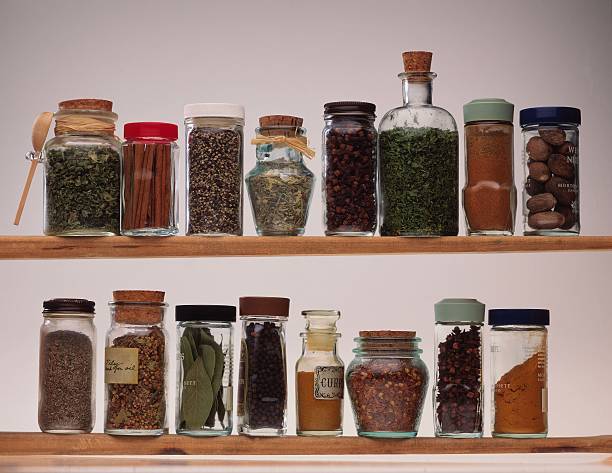
When floor and shelf space are tight, the wall becomes your best ally. Wall-mounted spice racks free up crowded shelves and eliminate the need to dig through deep cabinets. We’ve seen these systems reduce pantry search time by up to 60%, especially when installed at eye level.
Opt for racks with easy-to-read front labels and horizontal slots that hold bottles securely without wobbling.
One of our top picks is the grid-style wall panel with adjustable bins—it’s like a pegboard for spices. You can customize the layout as your collection grows, and it holds up to 40 spices in under two square feet. Pair it with magnetic tins or small baskets for ultimate flexibility.
These systems are especially helpful in deep pantries where corner shelves go underused.
For renters or those wary of drilling, heavy-duty adhesive strips now support up to 15 pounds—enough for a full rack of spices. We suggest testing placement first with painter’s tape to ensure ideal height and reach. Mounting near your prep zone or stove keeps essentials close during cooking.
With smart wall use, even a 3-foot pantry can feel spacious and efficient.
Turn Your Cabinet Door into a Spice Hub
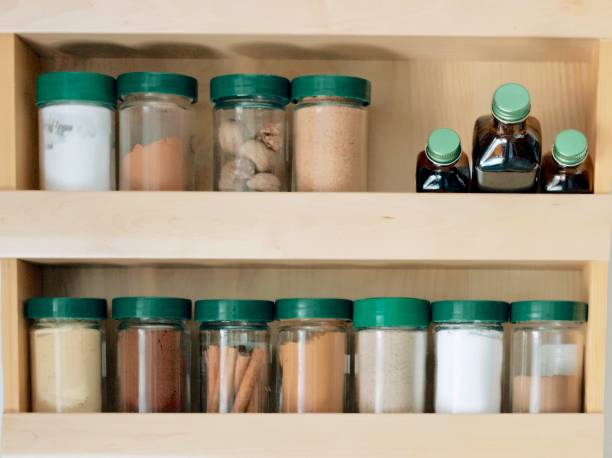
That empty cabinet door? It’s prime real estate. We recommend transforming it into a high-traffic spice zone using over-the-door organizers or mounted racks. These solutions keep spices visible and within reach, reducing cabinet clutter. Models with clear, labeled pockets or rotating carousels make it easy to spot paprika from papaya seeds at a glance.
One of the most effective setups we’ve seen uses adhesive-mounted magnetic strips paired with small metal tins. Arrange them in a grid for a sleek, modern look that holds 15–20 spices. The best part? No drilling required, and it’s fully removable. We suggest using uniform containers for a cohesive look and easier stacking.
For deeper cabinets, a swinging lazy Susan attached to the door brings hidden spices into view with a simple turn. These can hold up to 24 bottles and eliminate the “black hole” effect behind larger items. In our experience, this small upgrade cuts spice retrieval time in half.
It’s a smart, low-cost way to maximize overlooked space and keep your kitchen running smoothly.
The Lazy Susan Hack You’ll Wonder How You Lived Without
Rotating spice racks, especially those built around the Lazy Susan design, are a game-changer for corner cabinets or deep pantries. We’ve found that they turn wasted, hard-to-reach space into one of the most functional zones in the kitchen. With a simple spin, you can locate any spice in under five seconds—no more digging through forgotten jars at the back.
This solution shines when you have a large collection of spices. We recommend placing your most-used seasonings on the outer ring and rotating in less common ones seasonally. The smooth 360-degree movement keeps everything visible and accessible. Over time, this small upgrade reduces cooking friction and helps maintain an organized flow during meal prep.
For best results, pair glass or acrylic jars with uniform labeling and place them on a non-slip Lazy Susan base. We suggest choosing a model with a low-profile rim to prevent jars from tipping.
Whether you’re using it under a cabinet or inside a deep drawer, the Lazy Susan keeps spices upright, labeled, and effortlessly navigable—making it one of the smartest pantry upgrades we’ve seen.
Best Materials for Long-Lasting Spice Storage
| Material | Light Protection | Moisture Resistance | Longevity |
|---|---|---|---|
| Amber Glass | Excellent (blocks UV rays) | High (non-porous) | 10+ years with proper care |
| Stainless Steel | Full (opaque) | Very High (rust-resistant) | 15+ years |
| Acrylic | Fair (clear unless tinted) | Moderate (can scratch) | 5–7 years |
| Ceramic | Good (if glazed/covered) | High (when sealed) | 8–10 years |
Choosing the right storage material makes a huge difference in how long your spices retain flavor and potency. We recommend prioritizing materials that block light and resist moisture, since both degrade volatile oils in spices over time. Amber glass consistently performs well—it’s non-reactive, recyclable, and protects contents from UV exposure better than clear alternatives.
Stainless steel containers are another top contender, especially in humid climates. They’re completely opaque and offer superior protection against both light and moisture. In our experience, steel jars keep ground cumin and paprika vibrant for months longer than plastic alternatives. The sleek look also adds a modern touch to any countertop or shelf.
While acrylic and ceramic have their place, we suggest using them only in low-humidity areas with minimal direct light. Acrylic can scratch easily, compromising seal integrity, and ceramic needs a tight-fitting lid to prevent moisture ingress. For long-term freshness and durability, we lean toward glass and steel every time—they’re worth the small upfront cost.
Stackable Jars vs. Drawer Trays: Which Wins?
Stackable spice jars maximize vertical space, making them ideal for shallow cabinets or small kitchens. We’ve seen configurations that fit up to 24 jars in a standard cabinet opening by using tiered stacking. The key is choosing jars with uniform diameters and secure, airtight lids. Magnetic or interlocking bases can prevent shifting when pulling out lower levels.
On the other hand, drawer trays offer smoother access and better organization for frequent cooks. We recommend felt-lined or bamboo trays with adjustable dividers—they keep jars upright and allow you to customize spacing based on bottle size. Sliding the entire tray out gives you instant visibility, reducing the chance of duplicate purchases.
In our experience, the real winner depends on your kitchen layout and cooking habits. Stackable jars win in space efficiency, but drawer trays win in usability. For most homes, we suggest using both: stackables for storage, and a pull-out drawer tray for your top 10 everyday spices. This hybrid approach balances accessibility with long-term organization.
Labeling Tricks That Keep Your Spices Straight (Even Months Later)
Keeping spice jars organized is only half the battle—clear, lasting labels ensure you can identify each one instantly, even after months on the shelf. We recommend using chalkboard labels or pre-printed vinyl stickers with bold, easy-to-read fonts. These resist fading and won’t peel under kitchen heat and humidity, unlike masking tape or handwritten markers that smudge over time.
For uniformity, we suggest standardizing label placement—always on the front, centered just below the lid. This creates a clean, professional look and speeds up identification. Include both the spice name and expiration date in smaller text beneath. In our experience, this simple step reduces food waste by up to 30% because expired spices are easier to spot and replace.
Digital label makers like the Brother P-Touch or LabelWriter offer crisp, durable results and let you save templates for future use. If you’re using glass jars with lids, consider round printable labels that fit perfectly on tops—great for stacking or storing sideways. Just remember: consistency is key.
Once you pick a system, stick with it across all jars for maximum clarity.
Under-Shelf Racks That Maximize Dead Space
One of the most overlooked storage zones in the pantry is the hidden real estate beneath shelves. Under-shelf racks instantly convert that dead air into prime spice real estate. We’ve found models like the SimpleHouseware Over-Shelf Basket or SONGMICS tiered organizer can hold up to 12 spice jars without requiring a single screw or permanent modification.
These racks hang over existing shelf edges and use gravity to stay secure—no tools needed. Look for ones with non-slip coating and adjustable widths to fit standard and deep shelves. In our experience, installing them just below eye level creates an ideal “quick-grab” zone for everyday spices like cumin, garlic powder, and paprika without bending or reaching.
For deeper storage, consider a two-tier under-shelf system—it doubles capacity while maintaining visibility. Opt for wire grids over solid backs; they allow light through and reduce visual clutter. Just make sure your shelf spacing allows at least 7 inches of vertical clearance beneath to fit both the rack and your tallest jars.
This hack works especially well in narrow pantries where floor space is limited but vertical potential is high.
Frequently Asked Questions
What is the best way to organize a pantry spice rack?
We recommend grouping spices by category—such as baking, herbs, chilies, and international—for easier access. Use uniform containers with labels to maintain consistency and visibility. We’ve found that placing frequently used spices at eye level and less-used ones on higher or lower shelves improves efficiency. This system keeps your rack clutter-free and makes meal prep faster and more intuitive.
How can I store spices to keep them fresh longer?
To maximize freshness, store spices in airtight containers away from heat, light, and moisture—avoid placing them near the stove or sink. We’ve found that dark glass or opaque containers help preserve potency. Label each with the purchase date, and aim to replace ground spices every 2–3 years and whole spices every 3–4 years. Proper storage maintains flavor and reduces waste.
What are space-saving pantry spice rack ideas for small kitchens?
We recommend using stackable shelves, door-mounted racks, or magnetic spice tins on the wall or inside cabinet doors. Drawer inserts with labeled slots also save space while keeping spices visible. In our experience, vertical storage solutions make the most of limited areas. These options keep spices organized and within reach, even in the smallest kitchens.
Should I keep spices in their original packaging?
We don’t recommend keeping spices in original packaging long-term because paper or thin plastic doesn’t protect against moisture and light. Instead, transfer them to airtight, labeled containers. We’ve found this preserves flavor and makes refilling easier. Clear containers also let you see when supplies are low. This small step improves both shelf life and kitchen aesthetics.
How do I label spices effectively on a pantry rack?
Use consistent, large, readable labels on the front of containers for quick identification. We recommend label makers or waterproof stickers that resist fading. In our experience, including both the spice name and purchase date helps with rotation and freshness tracking. Uniform labeling streamlines cooking and keeps your rack looking neat and professional.
Final Thoughts
Organizing your pantry spice rack doesn’t have to be complicated—we’ve found that even small changes can make a big difference in how you cook and enjoy your kitchen space. From using uniform containers to smart labeling and thoughtful placement, these ideas help keep spices fresh, visible, and easy to access.
A well-organized rack turns daily cooking into a smoother, more enjoyable experience.
Start with one shelf or one category of spices and build from there. We recommend choosing a system that fits your kitchen layout and cooking habits. Once you find what works, maintaining it becomes second nature. With a little planning and consistency, your spice rack can become a functional, satisfying part of your pantry.