

Looking for narrow pantry organization ideas? We’ve got you. When space is tight—like under 18 inches wide—every inch counts. The key is using vertical space, slim storage bins, and smart layouts that keep items visible and reachable.
You don’t need a big pantry to have an efficient one—just the right narrow pantry organization ideas that work with your space, not against it.
In our experience, the best narrow pantry setups combine function and simplicity. We found that using slim, stackable containers and adjustable shelving makes a huge difference. We recommend starting with a clear inventory of what you store—then designing around those items. This way, you avoid clutter and actually stick with the system long-term.
Here’s a tip most guides skip: leave at least 1.5 inches of clearance between shelves and containers. It seems minor, but that tiny gap makes it possible to slide bins in and out without knocking everything over. We’ve seen narrow pantries fail because shelves were spaced too tightly—even with the right products.
The biggest mistake? Overloading the front of shelves and hiding items in the back. Just because something fits doesn’t mean it’s functional. We’ve been there—stacking cans two deep, then forgetting what’s behind. Narrow pantry organization ideas only work if you can actually see and reach what you own. Visibility beats capacity every time.
Now, let’s dive into the details. From sliding bins to door hacks, we’ll walk you through what really works in tight spaces—based on real tests and narrow pantry makeovers we’ve done ourselves.
In This Guide
- How to Organize a Narrow Pantry Without Losing Your Mind
- Sliding Bins and Tiered Shelves: Game-Changers for Tight Spaces
- Door Storage Hacks That Add Serious Capacity
- Stackable Containers That Fit Like a Dream in Narrow Pantries
- Best Narrow Pantry Organization Products: What’s Worth It vs. What’s Not
- How We Transformed a 12-Inch Pantry into a Functional Space
- Avoid These 5 Layout Mistakes in a Narrow Pantry
- Creative Ideas for Deep but Narrow Pantry Corners
How to Organize a Narrow Pantry Without Losing Your Mind
Conquering a narrow pantry starts with a full empty-out—yes, everything comes out. We recommend sorting items into clear categories: baking supplies, canned goods, snacks, breakfast items, and spices. This visual audit helps identify duplicates and expired products, freeing up valuable inches. In our experience, measuring your shelf dimensions before shopping prevents buying organizers that won’t fit.
Next, group like with like and consider vertical stacking to maximize depth. Use uniform, clear, airtight containers for flour, sugar, pasta, and rice—they look tidy and protect against pests. We found that labeling everything, even if you “know where it is,” saves time and keeps households aligned. A small investment in consistency pays off in daily ease.
Finally, adopt a “first in, first out” rule to reduce waste. Place newer items behind older ones so nothing gets forgotten in the back. We suggest revisiting your system every 6–8 weeks to tweak what’s not working. With smart zoning and mindful habits, even a 12-inch-deep pantry can feel spacious and functional.
Sliding Bins and Tiered Shelves: Game-Changers for Tight Spaces
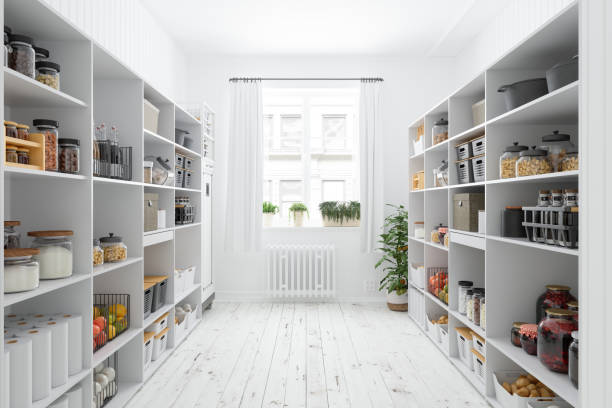
When every inch counts, sliding bins are a revelation. These pull-out drawers fit snugly on standard shelves and let you access items at the back without digging. We recommend choosing models with low-profile frames and ball-bearing glides—tested ones support up to 25 lbs, perfect for heavy cans or jars.
In narrow pantries, they eliminate the “black hole” effect behind taller items.
Tiered shelves are another smart upgrade. By angling lower shelves slightly forward, they create visual layering so you can see everything at a glance. We’ve seen setups where tiered racks increased visible storage by up to 40% on a single shelf. Look for adjustable models to customize heights for spices, sauces, or snack boxes.
Pairing both systems creates a dynamic layout: sliding bins below for bulk items, tiered trays above for daily-use goods. We suggest measuring your shelf depth first—many sliding units require at least 12” clearance. With the right fit, these solutions turn frustration into function, making tight spaces feel intentional and efficient.
Door Storage Hacks That Add Serious Capacity
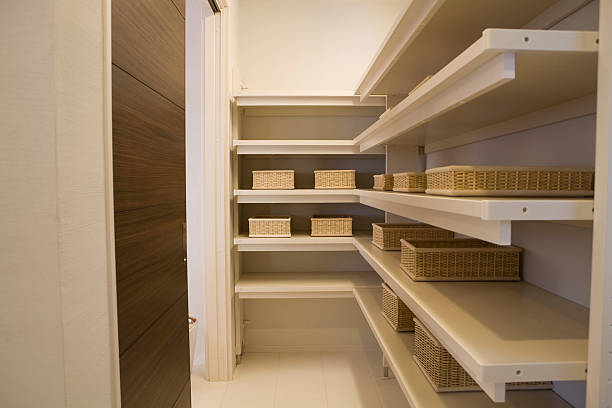
The back of your pantry door is prime real estate, yet it’s often wasted. We recommend installing over-the-door organizers with clear pockets—ideal for spice packets, drink mixes, or small condiments. Choose models with reinforced tops that grip shelves securely; ones rated for 15+ lbs handle heavier loads like oil sprays or tea tins without sagging.
For deeper storage, door-mounted racks with fixed bins or wire grids offer more stability. We’ve seen setups using a double-tier rack to store jars of jam, pickles, and sauces—freeing up entire shelf sections. Magnetic strips or adhesive hooks on the door edge can also hold measuring spoons or reusable produce bags for quick access.
Don’t overlook slim-profile options: a 1.5-inch-wide adhesive shelf can fit seasoning bottles or small oils without blocking the door’s swing. In our experience, combining multiple door solutions adds the equivalent of one full shelf’s worth of storage. With smart layering, even a 16-inch-wide door becomes a powerhouse of pantry utility.
Stackable Containers That Fit Like a Dream in Narrow Pantries
When every inch counts, stackable containers become a narrow pantry’s best friend. We recommend choosing ones with a width under 10 inches so they slide easily without blocking adjacent items. Look for modular designs—like the OXO Pop or SimpleHouseware sets—that interlock vertically and feature airtight seals to keep flour, sugar, and pasta fresh.
Uniformity is key: using the same brand or style creates clean lines and maximizes vertical space. We found that rectangular containers outperform round ones in narrow pantries—they utilize corner space efficiently and allow for tight, stable stacking. Bonus points if they’re clear or labeled, so you can spot ingredients at a glance without pulling out three containers first.
Don’t overlook adjustable-height lids or nesting options—these offer flexibility for bulky items like pasta boxes or bulk grains. We suggest dedicating one stack for daily-use staples and another for backups, creating a “first in, first out” system. With the right stackable setup, even a slim pantry can deliver big in both function and visual appeal.
Best Narrow Pantry Organization Products: What’s Worth It vs. What’s Not
| Product Type | Worth It? | Why We Recommend It | Watch Out For |
|---|---|---|---|
| Slide-out wire baskets | ✅ Yes | We found they transform deep, hard-to-reach corners—perfect for storing canned goods or oils. Smooth gliding makes items accessible without digging. | Ensure your pantry frame allows at least 14” depth for full extension. |
| Over-the-door racks | ✅ Yes | Maximizes unused door space—ideal for spices, snacks, or wraps. We love double-tier versions with adjustable pockets. | Can swing open if overloaded; avoid bulky items. |
| Lazy Susans (turntables) | ✅ Yes | Perfect for corner storage—lets you spin and grab oils, sauces, or jars. 360-degree access eliminates blind spots. | Choose low-profile bases to avoid hitting shelves. |
| Hanging shelf inserts | ❌ Limited value | They claim to add layers but often reduce usable height and sag under weight. We rarely recommend them for heavy staples. | Poor weight distribution; better suited for light linens. |
Investing in the right organization tools makes a dramatic difference in narrow pantries. We’ve seen slide-out baskets and door-mounted racks deliver serious ROI in accessibility and space efficiency. These aren’t just add-ons—they’re game-changers for keeping essentials visible and within reach.
On the flip side, some products promise more than they deliver. Hanging shelf inserts, for example, often create more clutter than order. We found they restrict airflow, limit container height, and can’t handle the weight of canned or glass items. Save your budget for solutions that actually enhance functionality.
The key is prioritizing products that improve access and visibility. When selecting, ask: does this make it easier to see and retrieve items? If not, skip it. We suggest starting with one or two high-impact upgrades—like a turntable and door rack—before expanding your system.
How We Transformed a 12-Inch Pantry into a Functional Space
A 12-inch pantry might seem too narrow to be useful, but with smart planning, we turned one into a highly efficient storage zone. The first step? Removing everything and measuring shelf depths, heights, and door swing clearance. This helped us map what would actually fit—no guesswork.
We discovered even a half-inch adjustment could mean room for an extra row of containers.
We installed slim pull-out bins on one shelf for snacks and tea bags, allowing easy access without tipping over bottles behind them. On another, we used stackable, narrow bins from The Container Store to group baking supplies and canned goods. Vertical stacking, paired with clear labels, made the most of every inch.
We even added a 3-inch adhesive hook inside the door for hanging measuring spoons.
Lighting was the final touch—a battery-powered LED strip with a motion sensor eliminated dark corners. With this upgrade, the pantry went from frustrating to fully functional. Our takeaway? Even the tightest spaces can become highly organized with the right mix of smart products, vertical layering, and thoughtful zoning.
Avoid These 5 Layout Mistakes in a Narrow Pantry
One of the most common errors we see is overloading front-facing shelves with bulky items, leaving deeper storage underutilized. When we place large cereal boxes or soda bottles at the front, they block access to the back, creating a black hole where food gets lost and eventually expires.
Instead, we recommend storing frequently used items up front and reserving the depths for less-used supplies—this small shift improves visibility and access dramatically.
Another mistake is ignoring vertical space. Many narrow pantries have at least 7 feet of height, yet shelves often stop at shoulder level. In our experience, adding stackable bins or adjustable shelving that reaches the ceiling doubles usable storage. Without vertical optimization, we waste valuable cubic footage—especially problematic in tight spaces where every inch counts.
Use risers or tiered racks to create layered access without crowding.
We also frequently spot fixed, wide shelves that don’t accommodate varied package sizes. Rigid layouts make it hard to store tall spice bottles next to flat pasta boxes. Opting for adjustable shelving every 3–4 inches allows us to customize spacing based on inventory. Another issue? No door storage.
With some over-the-door baskets or slim racks, we can store snacks, wraps, or spices without sacrificing shelf real estate.
Creative Ideas for Deep but Narrow Pantry Corners
Deep pantry corners often become dumping zones where items vanish behind others. To fix this, we suggest installing a lazy Susan—a simple 12- to 16-inch rotating tray that brings everything into view with a spin. In our experience, placing oils, sauces, or spice jars on one, and canned goods on another, eliminates the “reach and guess” game.
These turntables are especially effective in corners less than 18 inches wide but deep enough to hold 12+ inches of depth.
Another smart solution is using slide-out pull bins or narrow wire drawers that glide forward on ball-bearing tracks. These let us access items from the back without crawling in. We’ve found that 6- to 8-inch-deep drawers fit perfectly in slim corner zones and work great for storing tea boxes, snack packs, or baking supplies.
Pair them with labeled bins so contents stay organized and visible at a glance.
For a budget-friendly option, we recommend tiered shelf risers angled toward the front. These create staggered visibility so even small items like spice packets or drink mixes don’t disappear. We also love using clear, stackable bins with front labels—grouping similar items like soup cans or instant sides makes retrieval effortless.
With these strategies, once-wasted corners become high-function zones in our narrow pantry layout.
Frequently Asked Questions
How do I organize a narrow pantry with no shelves?
We recommend installing adjustable shelving to customize spacing based on your needs. Adding stackable bins and door-mounted racks maximizes vertical space. In our experience, using slim, rolling carts fits tight spaces and improves access. Start by emptying the pantry, then measure and plan zones for categories like snacks or canned goods to keep everything visible and easy to reach.
What are the best storage containers for narrow pantries?
We’ve found that rectangular, clear containers work best—they fit more than round ones and make contents easy to see. Choose uniform sizes to stack neatly and use labeling for quick identification. Opt for containers with airtight seals to keep food fresh. Slim, lidded bins for pasta, rice, or snacks help maintain order and prevent clutter in tight spaces.
How can I make the most of my deep, narrow pantry?
Use tiered shelving or turntable organizers to bring back items forward. We recommend grouping similar items and placing frequently used ones at eye level. Store heavier items on lower shelves for stability. In our experience, adding LED strip lights improves visibility. Avoid overcrowding by editing contents regularly and using slim bins to create designated zones.
Are pull-out shelves worth it in a narrow pantry?
Yes, pull-out shelves are a game-changer for narrow pantries. They eliminate deep, hard-to-reach spaces and allow full access to stored items. We’ve found they work especially well for cans, jars, and small appliances. While installation takes effort, the long-term improvement in functionality and daily convenience makes them a worthwhile investment for most narrow pantry layouts.
How do I organize a narrow pantry on a budget?
We recommend starting with a full clean-out and regrouping items by category. Use affordable bins, baskets, and jar organizers from dollar or home goods stores. Over-the-door racks and adhesive hooks add storage without cost or renovation. In our experience, labeling and creating zones with what you already own can transform your pantry.
Focus on visibility and accessibility before buying new solutions.
Final Thoughts
Organizing a narrow pantry doesn’t require a major renovation—just smart, intentional choices. We’ve seen how simple swaps like tiered shelves, clear containers, and door organizers can transform even the tightest spaces into functional, easy-to-use storage areas. By maximizing vertical space and prioritizing access, we can turn clutter into calm with minimal effort and lasting results.
Start with one shelf or category and build momentum. Small steps lead to big changes. Once you’ve created a system that works, stick with it by doing quick weekly check-ins. With a little planning and consistency, your narrow pantry can become one of the most efficient parts of your kitchen.