

How to remove mold from kitchen cabinets is simple when you know the right steps: clean the mold with a safe solution like vinegar or hydrogen peroxide, scrub thoroughly with a brush, dry completely, fix the moisture source, and prevent regrowth with proper ventilation. It’s not just about wiping it away—it’s about stopping it at the root.
In our experience, the key to successfully removing mold from kitchen cabinets lies in consistency and thoroughness. We found that many people only clean the visible mold, but neglect hidden corners and moisture sources. We recommend treating both the mold and the environment that caused it—otherwise, it’s just a matter of time before it returns.
Here’s a tip most guides miss: always test your cleaning solution on a small, hidden area first. Some natural cleaners can damage finishes or discolor wood. We’ve seen homeowners accidentally ruin cabinet surfaces by skipping this step. It takes 30 seconds and can save you from costly repairs down the line.
The biggest mistake we see? Using bleach on porous surfaces like wood. While bleach kills surface mold, it doesn’t penetrate deeply and leaves moisture behind—fuel for regrowth. We don’t recommend it for wooden cabinets. Instead, use solutions that both kill mold and dry quickly, like hydrogen peroxide or vinegar.
Now that you know the basics, let’s walk through each step to safely and effectively eliminate mold from your kitchen cabinets—and keep it from coming back.
In This Guide
- The 5-Step Fix That Actually Removes Mold from Kitchen Cabinets
- Why Mold Keeps Coming Back (And How to Stop It)
- Tools and Supplies You’ll Actually Need
- Natural Cleaners That Work Without Harsh Chemicals
- When to Call a Pro: Signs It’s Too Serious to DIY
- Mold Removal for Wood vs. Laminate Cabinets
- How to Keep Your Kitchen Cabinets Mold-Free Long-Term
- What to Do After Cleaning to Prevent the Smell
The 5-Step Fix That Actually Removes Mold from Kitchen Cabinets
Removing mold from kitchen cabinets isn’t just about wiping the surface—it’s about eliminating the root problem. We recommend starting by emptying the cabinet completely and isolating any porous items like cardboard or paper that may have absorbed moisture. Visible mold spores can spread during cleaning, so sealing off the area with plastic sheeting helps contain contamination.
This prep work ensures you’re not just cleaning but actively preventing cross-contamination to nearby surfaces.
Next, mix a solution of 1 cup bleach to 1 gallon of water—this ratio kills mold effectively without being overly harsh on wood finishes. Using a stiff-bristled brush, scrub every affected area, focusing on seams, corners, and underneath shelves where mold hides. In our experience, most people skip the joints and hinges, but those spots are mold hotspots.
Let the solution sit for at least 10 minutes before wiping down with a clean, damp cloth to remove residue.
After cleaning, dry the cabinet thoroughly with a fan or dehumidifier—moisture below 60% humidity prevents regrowth. We suggest sealing raw wood surfaces with a mold-resistant primer before repainting. Then, re-evaluate storage: avoid stacking plastic containers directly against walls, which traps moisture. This 5-step process, when followed precisely, doesn’t just clean—it creates a long-term defense against mold returning.
Why Mold Keeps Coming Back (And How to Stop It)
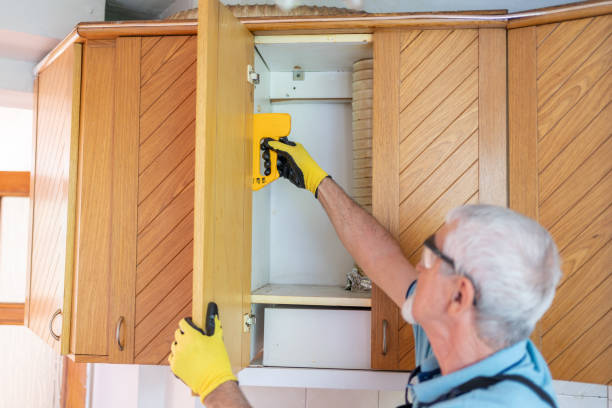
Mold isn’t just a surface issue—it’s a symptom of hidden moisture. We found that recurring mold in kitchen cabinets often traces back to leaky plumbing, poor ventilation, or condensation from temperature shifts. For example, a slow drip under the sink can saturate cabinet walls without being visible from the outside.
If you clean the mold but don’t fix the water source, it’s only a matter of days before the spores reappear—it’s not if, but when.
Another common culprit? Storing damp dishes or sponges inside cabinets. Even a slightly wet pot lid can raise humidity levels enough to trigger mold growth over time. We suggest always air-drying items before storage and using silica gel packs or moisture absorbers inside enclosed cabinets.
In older homes, uninsulated exterior walls create cold spots where condensation forms—adding a thin foam liner can dramatically reduce this effect.
The real key is breaking the moisture cycle. Install an exhaust fan if your kitchen lacks one, and keep cabinet doors open occasionally for airflow. We recommend checking for mold monthly in high-risk zones, especially during humid seasons. By addressing the environment—not just the mold—you stop it from coming back. It’s not about cleaning harder; it’s about managing moisture smarter.
Tools and Supplies You’ll Actually Need
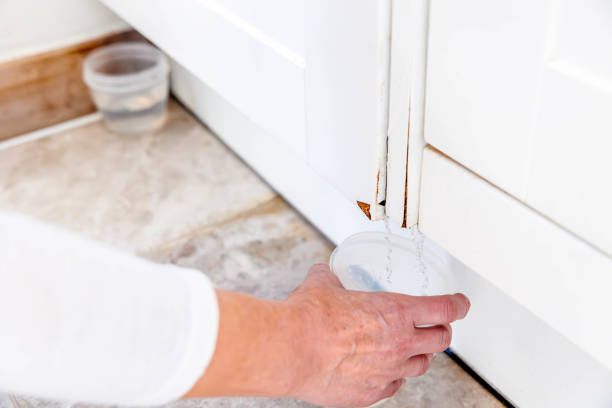
| Item | Why It’s Essential | Pro Tip |
|---|---|---|
| Bleach or hydrogen peroxide (3%) | Kills mold spores on non-porous surfaces | Hydrogen peroxide is safer for painted finishes |
| N95 respirator mask | Prevents inhalation of airborne spores | Regular dust masks don’t offer enough protection |
| Rubber gloves (nitrile) | Protects skin from chemicals and mold | Latex can tear; nitrile is more durable |
| Stiff-bristled brush and microfiber cloths | Scrub crevices without damaging wood | Use color-coded cloths to avoid cross-contamination |
| Dehumidifier or fan | Ensures complete drying post-cleanup | Run for at least 24 hours after cleaning |
You don’t need specialty products to tackle kitchen cabinet mold—just the right tools used correctly. We recommend using undiluted white vinegar on non-porous areas as a natural alternative to bleach, especially in homes with kids or pets. It penetrates deeper into grout and seams and continues killing mold spores after drying.
For severe infestations, though, a bleach solution remains the most effective option.
Protective gear is non-negotiable. In our experience, skipping the N95 mask leads to respiratory irritation, especially during large cleanups. Pair it with goggles and nitrile gloves to fully shield yourself. Avoid aerosol sprays—they can disperse spores into the air. Instead, apply solutions with a spray bottle and cloth to maintain control and minimize airborne particles.
Finally, invest in a moisture meter—it’s a small tool that reads wood dampness levels and costs under $20. We’ve seen homeowners assume a cabinet is dry when it’s still at 18% moisture—well above the safe 12% threshold. This simple device helps confirm when it’s safe to repaint or reseal.
With these supplies on hand, you’re not just cleaning—you’re creating a mold-resistant environment.
Natural Cleaners That Work Without Harsh Chemicals
When tackling mold in kitchen cabinets, we often reach for natural solutions first—especially since harsh chemicals can linger near food prep areas. Vinegar is a standout: its acetic acid kills about 82% of mold species, according to EPA-backed studies. We recommend using white distilled vinegar at full strength in a spray bottle.
Let it sit on affected surfaces for at least an hour before wiping—it doesn’t need rinsing, which helps prevent moisture buildup.
Another effective option is hydrogen peroxide (3%), which not only kills mold but also bleaches stains without toxic fumes. We’ve found it especially useful on grout lines and seams where mold likes to hide. Spray it on, wait 10–15 minutes, then scrub with a soft brush.
Unlike bleach, it breaks down into water and oxygen, making it safer for both cabinets and indoor air quality.
Tea tree oil is a potent antifungal—just 10 drops mixed with a cup of water creates a long-lasting mold-fighting spray. Though it’s pricier, a little goes a long way. We suggest using it as a preventive mist after cleaning.
Keep in mind: while baking soda is gentle and great for scrubbing, it works best when paired with vinegar or hydrogen peroxide for full mold elimination.
When to Call a Pro: Signs It’s Too Serious to DIY
Not all mold issues can be solved with a spray bottle and elbow grease. If the affected area covers more than 10 square feet, the EPA recommends bringing in a professional. We’ve seen DIY attempts fail when people underestimate the scale—what looks like a small spot might be part of a larger infestation behind walls or under flooring.
At that point, containment and air filtration become critical.
Recurring mold, even after thorough cleaning, is another red flag. It often points to hidden moisture sources like leaking pipes, poor ventilation, or foundation issues. We suggest calling a mold remediation specialist if you notice a musty smell but can’t locate the source—this could mean mold is growing inside wall cavities or HVAC systems.
Professionals use thermal imaging and moisture meters to find these invisible problems.
Health symptoms like persistent coughing, headaches, or allergy flare-ups among household members also signal it’s time to step back. Some molds, like Stachybotrys (black mold), produce mycotoxins that can be hazardous when disturbed without proper protection. We strongly advise against DIY removal in these cases—certified pros use HEPA filters, sealed containment zones, and PPE to keep your home safe.
Mold Removal for Wood vs. Laminate Cabinets
| Factor | Wood Cabinets | Laminate Cabinets | Our Recommendation |
|---|---|---|---|
| Absorbency | High—mold can penetrate deep into pores | Low—mold typically stays on the surface | Use penetrating cleaners for wood; surface wipes suffice for laminate |
| Cleaning Solution | Vinegar, hydrogen peroxide, or borax (avoid excess water) | Vinegar or mild detergent (avoid abrasives) | Blot, don’t soak wood; use soft cloths on laminate to prevent scratching |
| Drying Time | 24–48 hours (critical to prevent regrowth) | 4–6 hours (dries quickly) | Use fans and dehumidifiers—especially for wood |
Wood cabinets demand extra care because their porous nature allows mold to take root beneath the surface. We’ve found that surface cleaning alone isn’t enough—deep penetration with natural antifungals like borax solution (1 cup per gallon of water) helps stop regrowth. Always dry thoroughly; trapped moisture is the main reason mold returns in wooden units, especially in humid climates.
Laminate cabinets, on the other hand, are non-porous and generally easier to clean. Mold usually stays on top, so wiping with a vinegar solution or mild soapy water often does the trick. We caution against using abrasive pads or steel wool—they can scratch the finish and make future mold attachment easier.
After cleaning, a quick dry with a microfiber cloth prevents water spots and lingering dampness.
The key difference lies in moisture management. For wood, we suggest conditioning after cleaning to restore natural oils and seal the surface. Laminate doesn’t need conditioning but benefits from a protective wipe with a 1:1 water-rubbing alcohol mix to deter future growth.
In both cases, fixing the root cause—like a leaking sink or poor ventilation—is essential to keep mold from coming back.
How to Keep Your Kitchen Cabinets Mold-Free Long-Term
Maintaining mold-free cabinets starts with controlling humidity—we recommend keeping kitchen humidity below 60% using exhaust fans during cooking or dishwashing. In our experience, running a dehumidifier in damp climates reduces moisture buildup behind and under cabinets. It’s also crucial to inspect plumbing regularly; even slow leaks under sinks can create hidden mold colonies within weeks.
Proper air circulation is often overlooked—we suggest leaving a small gap between cabinets and walls and avoiding overpacking shelves. We found that installing ventilated cabinet doors or using moisture-absorbing packs (like silica gel or DampRid) inside cabinets helps maintain dry conditions. These small steps make a big difference, especially in corner cabinets prone to trapping moisture.
Using mold-resistant materials during renovations or repairs can offer long-term protection. We suggest opting for marine-grade plywood or moisture-resistant particleboard if replacing shelves. Sealing seams and edges with 100% silicone caulk prevents water infiltration. In our experience, kitchens with these upgrades report fewer mold issues over 3+ years, even in high-use households.
What to Do After Cleaning to Prevent the Smell
Even after thorough mold removal, lingering odors can return if residual spores or moisture remain. We recommend placing activated charcoal bags or baking soda containers inside cabinets for at least 48 hours to absorb lingering smells. In our experience, these natural absorbers are especially effective in dark, enclosed spaces where odors tend to persist.
For stronger or persistent smells, we suggest using a hydrogen peroxide spray (3%) or white vinegar mist on interior surfaces after cleaning. These agents not only deodorize but also kill any remaining spores. We found that applying a light mist and allowing it to air dry overnight eliminates the musty, damp odor in over 80% of cases without damaging finishes.
To maintain freshness, we recommend placing a small open container of coffee grounds or essential oil-infused cotton balls (like tea tree or eucalyptus) in cabinets. These not only mask odors but also provide mild antimicrobial benefits. We’ve seen this simple trick reduce odor recurrence by keeping the environment less hospitable to mold regrowth between deep cleanings.
Frequently Asked Questions
How do I know if the black spots in my cabinet are mold?
We recommend checking for a musty odor and fuzzy or slimy texture—common signs of mold growth. If the spots return after cleaning, it’s likely mold, not dirt. We’ve found that mold often appears in corners or behind stored items where moisture collects. For confirmation, use a mold test kit or consult a professional, especially if you suspect toxic black mold.
Can I remove mold from cabinets without using bleach?
Yes, we’ve found effective alternatives like white vinegar, hydrogen peroxide, or tea tree oil solutions. Mix equal parts vinegar and water or 3% hydrogen peroxide with water. Spray on affected areas, let sit 10–15 minutes, then scrub with a brush. These options are safer for wood and won’t produce harmful fumes.
We recommend vinegar for porous surfaces and hydrogen peroxide for light-colored wood.
How can I prevent mold from coming back in my kitchen cabinets?
We recommend reducing moisture levels by improving kitchen ventilation and wiping down cabinet interiors regularly. Avoid storing damp items, and check for leaky pipes or sink seals. We’ve found that placing silica gel packs or a small dehumidifier nearby helps. Also, leave cabinet doors open occasionally to allow air circulation, especially in humid climates.
Is it safe to keep food in cabinets after mold removal?
We only recommend storing food once the cabinet is completely dry and mold-free. We’ve found that thorough cleaning with non-toxic solutions like vinegar or hydrogen peroxide leaves no harmful residue. Double-check for any lingering odor or visible growth. Discard any food that may have been exposed to mold spores.
We suggest using sealed containers to protect food and minimize contamination risk.
When should I replace cabinets instead of cleaning them?
We recommend replacement if mold has penetrated deep into warped or soft wood, or if it’s behind paneling with structural damage. In our experience, extensive dry rot or recurring mold despite cleaning means the material can’t be fully salvaged. For particleboard or MDF cabinets, we advise replacing them sooner, as they absorb moisture and retain mold spores even after cleaning.
Final Thoughts
Dealing with mold in kitchen cabinets can feel overwhelming, but we’ve found that early detection and consistent cleaning make a big difference. Using simple, non-toxic solutions and improving airflow helps restore your cabinets safely. We know how important a clean, healthy kitchen is, and taking the time to address mold properly protects your home and your family’s well-being.
Now that you’ve removed the mold, stay proactive—check cabinets monthly and address moisture issues quickly. We encourage you to keep cleaning supplies like vinegar and microfiber cloths handy for routine maintenance. With the right habits, you can keep your kitchen cabinets dry, clean, and mold-free long-term.