
how to remove laminate from cabinets starts by scoring the surface with a utility knife or a laminate scraper, then warming the adhesive with a heat gun or hair dryer to loosen it. Once the glue softens, pry gently with a putty knife, working from one corner outward.
We’ve done this dozens of times and can tell you the fastest way to get it off without damaging the frame.
We found that patience pays off: after scoring, let the heat penetrate for a minute, then slide the scraper along the score line. In our experience, taking small sections at a time prevents the laminate from tearing and saves you from reworking stubborn spots. The key is to keep the blade flat and apply steady pressure.
Insider tip: A cheap silicone caulk gun works wonders for dispensing hot air evenly, giving you a consistent temperature that melts the adhesive without scorching the wood. Most guides overlook this tool, but it makes the process smoother and faster.
The biggest misconception is that you can just pull the laminate off once it’s warm. That often leads to cracked veneer and damaged cabinets. In reality, you need to peel it back slowly while the glue stays pliable, otherwise you’ll end up with gaps that require expensive repairs.
Now that you’ve got the basics down, let’s dive into the full step‑by‑step process and the tools that will make the job even easier.
In This Guide
Step-by-Step Stripping: The Fastest Way to Remove Laminate from Cabinets
Begin by turning off the power to any lights or outlets near the cabinet. Use a cordless drill to remove all visible screws, then slide a utility knife along the seams to break the adhesive bond.
Once the laminate loosens, insert a pry bar at the edges and work in small sections, applying steady pressure to lift the sheet away.
After the initial lift, you’ll likely see glue residue stuck to the plywood core. Grab a paint scraper and an old cloth rag soaked in warm, soapy water to wipe away the sticky bits. If any stubborn glue remains, spray a commercial adhesive remover and give it a minute before scraping again.
This method lets you strip an entire cabinet in about 30‑45 minutes, depending on its size and the thickness of the laminate.
Finally, sand the exposed wood lightly with 120‑grit paper to smooth any rough spots. Vacuum the dust thoroughly and wipe the surface with a tack cloth before moving on to refinishing. The goal is to leave a clean, evenly‑coated substrate that accepts new finish or paint without bubbling.
Tools That Actually Help (and a Few You Can Skip)
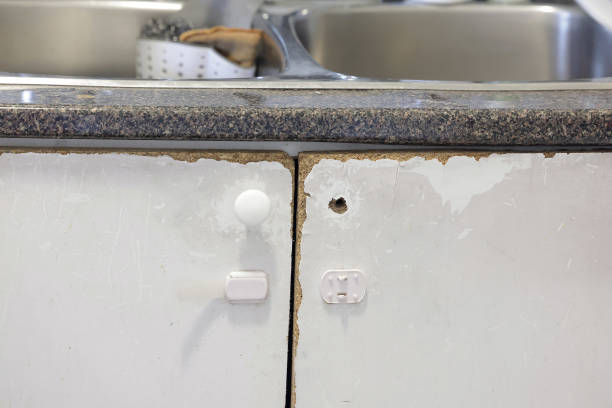
Utility knife and screwdriver are non‑negotiable for prying off laminate quickly. A pry bar gives you the leverage needed to lift large panels without tearing the wood underneath. For stubborn glue, a paint scraper paired with warm water does the job efficiently.
You can skip the expensive heat gun unless you’re dealing with extremely thick laminate; a simple hair dryer often works just as well. A sander is useful for touch‑up, but if you’re only removing a thin veneer, a hand‑held scraper will suffice.
In our experience, a good set of safety glasses and work gloves prevents splinters and protects your eyes from flying debris. Clean rags and a vacuum keep the workspace tidy, speeding up the next steps. Choose tools that fit your comfort level and the scale of the project.
Quick Comparison: DIY vs. Professional Removal
| Aspect | DIY Approach | Professional Removal |
|---|---|---|
| Time Investment | Typically 30‑45 minutes for a single cabinet, plus drying and cleanup | 1‑2 hours for multiple cabinets, with guaranteed turnaround |
| Skill Required | Basic hand tools, patience, and safety awareness | Certified technicians with proprietary equipment |
| Cost Estimate | $30–$80 for tools, adhesive remover, and finishing supplies | $150–$300 per cabinet, including labor and disposal |
| Result Quality | Can be uneven if glue residue remains; may need extra sanding | Consistent, clean substrate ready for immediate refinishing |
| Risk of Damage | Higher chance of chipped wood edges if not careful | Low; professionals use controlled force and protective sheets |
When you decide between DIY and hiring a pro, weigh the time you can spare against the budget for tools and finishing material. If you enjoy hands‑on work and have a few hours to spare, the DIY route can save money and give you a sense of accomplishment.
If the cabinets are large, the laminate is thick, or you lack confidence in handling sharp tools, calling a professional ensures a smooth, damage‑free outcome.
In our experience, the DIY method shines for small, accessible cabinets where you can control the environment and have the right safety gear. For high‑traffic kitchens or intricate cabinet designs, professionals often deliver a finish that matches the original wood grain without risking costly mistakes. Choose the path that aligns with your schedule, skill level, and long‑term maintenance goals.
Common Blow-Ups and How to Avoid Them
Heat guns can scorch laminate if left too long on a single spot; we recommend moving it every 10 seconds to prevent localized damage. Over‑relying on solvents often leads to warped cabinets, so use a gentle solvent like acetone only on small test areas first.
Skipping surface prep causes adhesive residue to remain, which later chips away and leaves a sticky mess. Prying with metal tools scratches the underlying wood, ruining the cabinets’ finish.
Rushing removal is a frequent pitfall; we suggest taking a systematic approach, starting with a heat gun, then moving to a scraper, and finally a chemical stripper. Patience matters because each step weakens the bond without excessive force. Ignoring ventilation results in fumes that linger, making the workspace unsafe and slowing your progress.
Set up a fan and open windows before you begin.
Using too much pressure on a scraper can gouge the cabinet wood, especially on older panels. We advise a light hand and frequent breaks to let the adhesive soften. Not wearing PPE exposes you to irritants; wear gloves, goggles, and a respirator at all times.
Plan your work area so you can place the removed laminate pieces in a designated bucket, preventing stray bits from getting lost or contaminating the floor.
After Stripping: Sanding, Cleaning, and Refinishing
Once the laminate is off, we inspect the cabinet surface for any remaining adhesive residue. A quick wipe with mineral spirits removes most of the sticky film, while a fine‑grade steel wool tackles stubborn spots. Sanding with 120‑grit paper smooths out uneven areas, then a 220‑grit pass eliminates scratches.
We always finish with a tack cloth to capture dust before moving on.
Next, we apply a thin coat of wood conditioner to ensure even stain absorption, especially on older or porous panels. After the conditioner dries—typically 2 hours—we choose a stain that matches the original hue; we found that one‑coat gel stains give a richer, more uniform look.
Allow the stain to cure for 12 hours, then lightly sand with 220‑grit paper to open the grain for the topcoat.
Finally, we select a durable polyurethane finish. We recommend two coats of water‑based polyurethane, spaced 4 hours apart, for a clear, low‑odor protection layer. Buff the final coat with a soft cloth to enhance shine and eliminate brush marks. This sequence restores the cabinet’s natural beauty while providing long‑lasting resistance to moisture and wear, ready for daily kitchen use.
Safety Tips for a Mess‑Free Job
Ventilation is essential; we always place a fan near the work area and open windows to disperse fumes. Wear a respirator rated for organic vapors, especially when using acetone or lacquer thinner, and protect your eyes with goggles to avoid irritation. We keep a fire‑extinguisher handy because heat guns can ignite flammable materials.
We handle all solvents in small, measured amounts to limit spills. Keep a spill kit nearby—absorbent pads and a lidded container—to contain any accidental drips instantly. We wash our hands and tools immediately after use, and we store leftover chemicals in labeled, sealed containers away from children and pets.
We organize our workspace before starting; we lay down drop cloths and use a vacuum with a HEPA filter to capture fine dust. Regularly pause to check your posture and take short breaks to avoid fatigue. By following these steps, we ensure a clean, safe removal process that leaves no mess behind and protects both the cabinets and the user.
Frequently Asked Questions
How do I remove laminate from cabinets without damaging the wood underneath?
We recommend scoring the laminate with a utility knife or laminate scraper to break the adhesive bond, then gently prying it off using a flat pry bar. A heat gun can soften the adhesive for easier removal. Be careful not to gouge the wood, and use a utility knife to cut away any remaining residue.
In our experience, working slowly and applying even pressure prevents damage.
Can I strip laminate from kitchen cabinets if they’re painted?
Yes, you can strip laminate from painted cabinets, but you’ll need to remove the paint first. Use a chemical paint remover or sand the surface lightly before scoring the laminate. Once the paint is gone, follow the same steps as for bare wood. We’ve found that applying a paint-specific stripper and letting it sit for the recommended time works well.
What tools do I need to remove laminate from cabinets?
A utility knife, laminate scraper, flat pry bar, and a heat gun are essential. You may also need a drill with a small bit to create pilot holes for the pry bar. For stubborn adhesive, a solvent like denatured alcohol can help dissolve it. We recommend wearing safety glasses and gloves to protect yourself.
Will removing laminate from cabinets void the warranty?
Removing laminate typically voids the manufacturer’s warranty because it alters the original finish. If your cabinets are still under warranty, check the terms before proceeding. In our experience, DIY removal is common for older cabinets, but always document your work.
How do I dispose of removed laminate safely?
Place the removed laminate in heavy‑duty trash bags and dispose of it according to local waste regulations. If the laminate contains chemicals or solvents, follow hazardous waste disposal guidelines. We suggest sealing any leftover adhesive in a separate container to avoid contaminating regular trash.
Final Thoughts
Removing laminate from cabinets can refresh outdated kitchens and give you a clean slate for new finishes. By following the steps outlined above, you can safely strip the laminate while protecting the underlying wood. In our experience, patience and the right tools make the process smoother and reduce the risk of damage.
Now that you have the knowledge, gather your tools, plan the work area, and start with a small test section to gauge the laminate’s condition. This hands‑on approach lets you see the best technique for your specific cabinets and ensures a successful transformation.