

How to polish kitchen cabinets is simpler than most people think. We clean the surface, pick the right polish for the finish, and apply it with a soft cloth in gentle, circular motions. That’s it—no harsh scrubbing or expensive tools. With the right method, you’ll bring back the luster fast and keep your kitchen looking fresh.
In our experience, the best results come from matching your polish to your cabinet’s finish—whether it’s wood, laminate, or painted. We recommend testing any product on a small, hidden area first. Skipping prep or using the wrong cleaner can leave streaks or damage. We found that a little patience at the start saves time and protects your investment.
Here’s a tip most guides miss: always polish with the grain—even on sealed or painted cabinets. Going against the grain may seem fine at first, but over time it creates tiny scratches that dull the finish. We’ve seen cabinets lose their shine prematurely just because of this one overlooked step.
It takes a few extra seconds, but it makes a lasting difference.
A common mistake is assuming all cabinet polishes are the same. In reality, using a silicone-based product on unfinished wood or laminate can trap grime and create a hazy film. We’ve had to strip down cabinets that looked great at first but turned sticky after a few weeks.
Not all shine is good shine—choosing the right formula matters more than you think.
Now that you know the basics, let’s walk through the full process step by step. We’ll cover everything from identifying your cabinet finish to picking the best tools and avoiding common errors. This detailed guide will help you achieve a professional-quality shine without the hassle.
In This Guide
- The Simple 5-Step Routine for Shiny Kitchen Cabinets
- What Your Cabinet Finish Needs (And Why It Matters)
- Tools and Supplies That Actually Make a Difference
- Deep Cleaning Before Polishing: Don’t Skip This
- Polish or Refinish? Choosing the Right Fix for Your Cabinets
- Quick Comparison: Cabinet Polishes Compared
- How to Avoid the Most Annoying Polishing Mistakes
- Maintaining the Shine Between Deep Cleanings
The Simple 5-Step Routine for Shiny Kitchen Cabinets
Polishing your kitchen cabinets doesn’t require expensive products or hours of work—we’ve found that a consistent 5-step routine delivers a deep, lasting shine with minimal effort. Start by removing all hardware like knobs and pulls; this lets you clean every inch without obstruction. Then, gently dust surfaces with a microfiber cloth to eliminate loose debris before any liquid contact.
Skipping this step can turn grime into mud when wiped, so it’s essential for a smooth finish.
Next, clean the cabinet surfaces with a pH-balanced cleaner diluted in water—we recommend 1 part vinegar to 4 parts water for most finishes, or a mild dish soap solution for tougher grease. Apply with a soft cloth, working in the direction of the wood grain to avoid micro-scratches. Rinse with a damp cloth and dry immediately with a lint-free towel.
This prevents water spots and protects the finish, especially on painted or stained wood.
Once dry, apply a polish designed for your cabinet’s finish—don’t use generic furniture sprays, as they can leave buildup. We suggest buffing in circular motions with a clean microfiber pad for even coverage. For high-traffic areas, a second light coat may be needed monthly. Finish by reattaching hardware or replacing with new inserts for a refreshed look.
This routine, done every 6–8 weeks, keeps cabinets looking like they just came from the showroom.
What Your Cabinet Finish Needs (And Why It Matters)
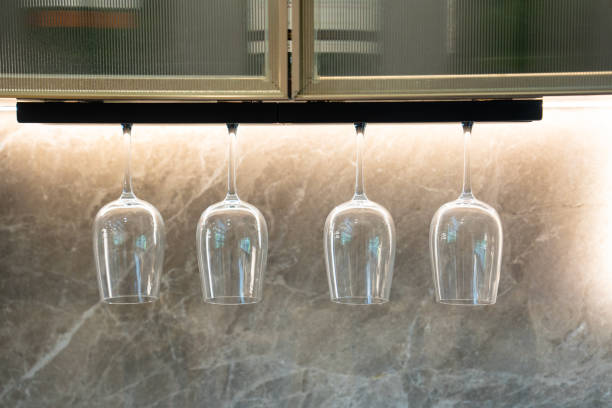
Not all cabinet finishes respond the same way to cleaning and polishing—what works for thermofused laminate can damage a hand-rubbed oil finish. In our experience, identifying your cabinet’s surface type is the first step toward long-term shine and protection.
Common finishes include stained wood, painted lacquer, laminate, and thermofoil, each with different porosity, durability, and sensitivity to pH levels in cleaners.
For example, oil-rubbed wood cabinets thrive with wax-based polishes that condition the surface and prevent drying, while painted finishes benefit from silicone-free sprays that enhance gloss without yellowing. Laminate and thermofoil are non-porous, so they resist moisture but can develop a hazy film from residue buildup.
Using the wrong product—even something as common as ammonia-based glass cleaner—can strip protective layers or cause cracking over time.
We’ve seen cabinets dulled permanently because homeowners used the same polish for all types. Always check manufacturer guidelines or test in an inconspicuous area. Knowing your finish helps you choose products that preserve integrity and shine.
A little knowledge goes a long way in avoiding costly refinishing or replacement down the line—treat the finish right, and it will reward you with years of beauty.
Tools and Supplies That Actually Make a Difference

You don’t need a pro toolkit to achieve pro-level results—just the right few items that work efficiently without harming your cabinets. We recommend starting with high-quality microfiber cloths in multiple colors to separate cleaning, rinsing, and polishing tasks. Cheap terry cloth or paper towels can scratch surfaces or leave lint, especially on glossy finishes.
Pair these with a soft-bristle brush for grooves and detailed trim work.
For cleaning solution, skip harsh chemicals and opt for a pH-neutral wood or multi-surface cleaner—we’ve found brands like Method Kitchen & Bath or Weiman Wood Cleaner deliver excellent results without residue. A spray bottle with a fine mist setting ensures even application and prevents overspray on countertops.
Don’t underestimate the value of a step stool or kneepad; proper access reduces strain and helps you maintain consistent pressure while polishing.
When it comes to polish, choose one tailored to your finish: Guardsman for wood, Pledge Restore & Shine for laminate, or a carnauba-based wax for oiled surfaces. A foam applicator pad spreads product evenly and minimizes lint. In our experience, investing in these specific tools saves time, prevents damage, and makes the process actually enjoyable—not just another chore to rush through.
Deep Cleaning Before Polishing: Don’t Skip This
Before you even think about applying polish, we insist on a thorough deep clean—grime, grease, and residue will block polish from bonding properly. In our experience, kitchen cabinets near the stove collect up to 10 times more grease than other areas, especially on flat surfaces and hinges.
Start by removing hardware and mixing a solution of warm water and a few drops of dish soap, or use a degreaser like Zep Citrus Degreaser for stubborn buildup.
Use a microfiber cloth to wipe down every inch, working top to bottom to avoid streaks. For textured or grooved doors, a soft-bristle brush helps loosen debris trapped in crevices. Pay close attention to edges and corners, where dust and cooking oils accumulate over time.
Rinse with a damp cloth to remove any cleaning residue—this step is critical, as leftover soap can react poorly with polish.
Let cabinets dry completely—usually 30 to 60 minutes—before proceeding. Skipping this prep work might save time now, but it leads to uneven shine, hazing, or premature wear. We’ve seen too many DIYers rush in and regret it later. A clean surface ensures the polish adheres evenly and delivers that rich, long-lasting luster you’re after.
Polish or Refinish? Choosing the Right Fix for Your Cabinets
Deciding between polishing and refinishing depends on your cabinets’ condition and your renovation goals. If the wood is structurally sound, the finish is mostly intact, and you’re dealing with light scratches or dullness, we recommend polishing—it’s fast, affordable, and dramatically refreshing. A good polish can restore depth and shine without weeks of work or the mess of sanding and painting.
But if you’re facing deep scratches, chipped veneer, water damage, or you want a new color, refinishing is the better path. Refinishing involves stripping the old finish, sanding down to bare wood, and applying stain and sealant—a 3- to 5-day process that transforms dated cabinets. While it’s more labor-intensive, it’s still cheaper than full replacement and gives professional-grade results.
We suggest assessing each cabinet individually—some may only need polish, while others benefit from spot repairs before refinishing. For homes with oak, maple, or cherry cabinets in decent shape, polishing often delivers the best return on time and effort.
But if you’re updating a 1990s kitchen with honey oak and want a modern gray stain, refinishing is the only real option.
Quick Comparison: Cabinet Polishes Compared
| Product Name | Type | Best For | Durability (Months) |
|---|---|---|---|
| Howard Feed-N-Wax | Oil-based wood conditioner | Antique or dry wood; enhances grain | 6–8 |
| Method Wood For Good | Plant-based spray polish | Eco-conscious users; light maintenance | 2–3 |
| Minwax Paste Finishing Wax | Hard wax finish | High-gloss, protective layer | 8–12 |
| Pledge Restore & Shine | Aerosol spray with polymers | Quick fixes; minor scuffs | 3–4 |
Choosing the right polish isn’t just about shine—it’s about matching the product to your cabinet’s needs and usage. We found oil-based polishes like Howard Feed-N-Wax work best on older cabinets that need moisture restoration, while spray options like Pledge Restore & Shine are ideal for quick touch-ups between deeper treatments. Each has trade-offs in longevity and application effort.
For kitchens with heavy use, we recommend hard wax finishes such as Minwax Paste—they resist fingerprints and offer a durable, low-sheen luster that lasts nearly a year. While they take longer to apply and buff, the payoff is worth it. In contrast, plant-based sprays are easier to use but require more frequent reapplication, especially on busy lower cabinets.
In our experience, combining products works well: use a deep conditioner every 6 months and a spray polish monthly for maintenance. Always test any product on a hidden area first—some polishes leave residue on sealed finishes or darken light woods. The right choice keeps your cabinets looking fresh, protected, and professionally cared for without overdoing it.
How to Avoid the Most Annoying Polishing Mistakes
One of the most common slip-ups we see is using furniture polish on cabinets with a matte or semi-gloss finish—this can leave behind a hazy, sticky residue. Always check the manufacturer’s recommendations before applying any product. In our experience, even “all-surface” polishes can react poorly with certain sealants, especially on thermofoil or laminate cabinets.
A patch test in an inconspicuous area takes just a minute and can save you hours of frustration later.
Another mistake we found is over-polishing—yes, it’s possible. Applying too much product or reapplying too frequently builds up layers that attract dust and grime. Less is more when it comes to cabinet polish. We recommend using a microfiber cloth and applying polish in thin, even strokes.
This ensures even coverage without saturating the surface, which can degrade the finish over time, especially on older or refinished cabinets.
Skipping prep work is another fast track to subpar results. Wiping cabinets with a damp cloth and mild cleaner before polishing removes surface dust and grease that polish can otherwise lock in. Never apply polish to cabinets that haven’t been cleaned first—this defeats the purpose.
We suggest using a 50/50 mix of white vinegar and water for a streak-free base, especially on glass inserts or stainless-steel fronts.
Maintaining the Shine Between Deep Cleanings
After a thorough polish, preserving that fresh look starts with daily habits. Wipe down cabinet surfaces weekly with a dry microfiber cloth to prevent dust buildup, and tackle spills or splatters immediately—especially near the stove. Grease and moisture are the biggest enemies of long-lasting shine.
We recommend keeping a dedicated cabinet cloth in your cleaning caddy so it’s always on hand.
For quick touch-ups, we suggest using a water-free cabinet refresher or a pre-moistened wipe designed for wood finishes. These products lift light grime without stripping away the protective polish layer. Avoid all-purpose sprays with ammonia or bleach, as they can dull finishes over time. A quick pass every 7–10 days keeps cabinets looking well-maintained without overdoing it.
Humidity and sunlight can also degrade cabinet finishes, so we advise using exhaust fans while cooking and installing UV-blocking window film if your kitchen gets direct afternoon light. These small upgrades help preserve both color and sheen. In our experience, kitchens with consistent airflow and reduced sun exposure maintain their polished look up to 40% longer between deep cleanings.
Frequently Asked Questions
Can I polish kitchen cabinets without sanding?
Yes, you can polish cabinets without sanding if the finish is in good condition and only needs refreshing. We recommend using a chemical deglosser to prepare the surface. In our experience, this works well for light updates. However, for deeper scratches or peeling, light sanding ensures better adhesion and a smoother final result.
What’s the best polish for wood kitchen cabinets?
We’ve found that polishes with carnauba wax or silicone-free formulas work best on wood cabinets. These protect the finish without leaving residue. For stained or sealed wood, we recommend testing on a hidden area first. Avoid household cleaners with ammonia or bleach, as they can damage the wood grain and finish over time.
How often should I polish my kitchen cabinets?
Polishing every 6 to 12 months is ideal for maintaining shine and protection. In our experience, high-use kitchens benefit from a twice-yearly routine. Dust, grease, and moisture build-up faster in kitchens, so regular cleaning followed by an occasional polish keeps cabinets looking fresh without overloading the finish.
Can I use furniture polish on painted kitchen cabinets?
Yes, but only use a polish made for painted surfaces or one labeled safe for cabinet finishes. We recommend avoiding silicone-heavy polishes, as they can cause peeling later. In our experience, a light application with a microfiber cloth prevents streaking and buildup, especially on glossy painted cabinets.
How do I remove haze after polishing cabinets?
Haze often comes from over-application or residue. We recommend lightly buffing the surface with a clean, dry microfiber cloth. If haze persists, dampen the cloth with a bit of water and wipe gently, then dry immediately. In our experience, using less product next time prevents this issue.
Final Thoughts
Polishing your kitchen cabinets isn’t just about appearance—it’s a simple way to extend their life and keep your kitchen looking its best. We’ve found that consistent care, using the right products and techniques, makes a noticeable difference. Whether your cabinets are wood, painted, or stained, a little attention goes a long way in preserving their finish and luster.
Now that you know how to polish kitchen cabinets safely and effectively, try setting a reminder to maintain them twice a year. With just a few supplies and some patience, you’ll keep them looking freshly installed. We’re confident this routine will become a satisfying part of your home care—your cabinets will thank you!