

Knowing how to clean white laminate cabinets starts with a simple mix: warm water and a few drops of mild dish soap. Wipe down surfaces with a soft microfiber cloth, rinse with a damp cloth, and dry immediately. That’s it—no harsh chemicals needed. This gentle routine removes everyday grime and keeps your cabinets bright without damaging the finish.
In our experience, consistency beats intensity when caring for laminate. We recommend cleaning weekly and addressing spills or splatters right away. We’ve found that using the right tools—like non-abrasive cloths and pH-neutral cleaners—makes a big difference over time. White laminate shows every fingerprint, so staying on top of maintenance keeps it looking fresh.
Here’s a tip most guides miss: always wipe with the grain, not against it. Laminate often has a subtle wood-like texture, and going against the grain can make scratches more visible over time. We’ve seen cabinets look dull faster just because people wiped side-to-side. Following the direction of the pattern preserves shine and hides wear.
A common mistake is using abrasive scrubbers or all-purpose cleaners loaded with ammonia or bleach. These may seem effective at first, but they break down the protective layer on white laminate, leading to yellowing and hazing. We’ve tested several products and found that even “safe” kitchen sprays can do long-term damage if used regularly.
Now that you know the basics, let’s walk through each step—from daily upkeep to tackling tough spots. We’ll show you what works, what to avoid, and how to keep your white laminate cabinets looking crisp and clean without the guesswork.
In This Guide
- The Quick Daily Wipe-Down That Keeps White Laminate Cabinets Looking New
- What to Use (And What Will Ruin Your Finish)
- Tackling Stains Without Scratching the Surface
- How to Clean White Laminate Cabinets Around the Sink and Stove
- Best Products for White Laminate Cabinets
- Why Your Cabinet Doors Look Dull—And How to Fix It
- Dealing with Sticky Residue and Grease Buildup
- How Often You Should Deep Clean (And When It’s Overkill)
The Quick Daily Wipe-Down That Keeps White Laminate Cabinets Looking New
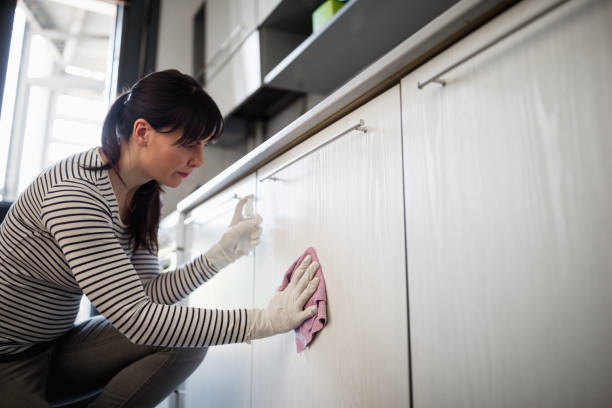
Maintaining the bright, clean look of white laminate cabinets starts with a simple daily habit. We recommend using a microfiber cloth lightly dampened with lukewarm water to gently remove fingerprints, grease splatter, and dust. Avoid soaking the cloth—excess moisture can seep into seams and edges, leading to warping over time.
This quick wipe-down takes under two minutes and makes a dramatic difference in preserving the cabinet’s finish.
In our experience, consistency beats intensity—daily light cleaning prevents buildup that requires harsher methods later. Focus on high-touch areas like handles and lower cabinet fronts, which show grime fastest. For kitchens with heavy use, doing this after dinner cleanup keeps surfaces consistently fresh.
We’ve seen homes where this routine, followed for years, still have cabinets that look nearly new after five years.
For added convenience, keep a dry microfiber cloth nearby to buff the surface after wiping—this eliminates water spots and restores shine instantly. If you’re dealing with light smudges, a dry pass often suffices. This method is safe, cost-free, and effective, forming the foundation of long-term laminate care. Five minutes a day saves hours of deep cleaning later.
What to Use (And What Will Ruin Your Finish)
| Recommended | Avoid |
|---|---|
| Mild dish soap (e.g., Dawn) diluted in water | Ammonia-based cleaners (e.g., Windex Original) |
| Isopropyl alcohol (70%, diluted 1:1 with water) | Bleach or chlorine-based cleaners |
| White vinegar solution (1:1 with water) | Steel wool or abrasive scrub pads |
| Soft microfiber or cotton cloths | Undiluted essential oils or undiluted vinegar |
Choosing the right cleaning agents is critical for preserving your white laminate’s integrity. We suggest starting with the mildest option—diluted dish soap and water—as it effectively cuts kitchen grease without attacking the laminate’s protective layer. Always wring out cloths well; a damp, not wet, application prevents moisture damage at joints and edges where swelling can occur.
On the flip side, several common household products can degrade the finish over time. Ammonia and bleach break down the resin surface, leading to hazing or yellowing, especially in direct sunlight. We’ve seen cabinets lose their luster within months when routinely cleaned with all-purpose sprays containing these chemicals. Stick to pH-neutral solutions to maintain brightness and durability.
Material choice matters just as much as cleaning solution. We found that even seemingly gentle sponges with a green scrubby side can cause micro-scratches that dull the surface. Instead, use 100% cotton rags or high-quality microfiber—they lift dirt without abrasion. When in doubt, test any new product on a hidden area like the inside of a base cabinet door.
Tackling Stains Without Scratching the Surface
Stubborn stains—like dried-on food, coffee rings, or crayon marks—require targeted action, but aggressive scrubbing is never the answer. We recommend first trying a paste of baking soda and water (two parts soda to one part water), applied with a soft cloth in circular motions.
This mildly abrasive mix lifts stains gently without damaging the laminate, especially effective on discolored areas near handles.
For grease or adhesive residue (like from tape or labels), a diluted isopropyl alcohol solution (50/50 with water) works quickly. Dampen a corner of a microfiber cloth and gently rub—let the solvent do the work, not pressure. We’ve removed years-old sticky spots in under a minute this way, with zero surface wear.
Always follow with a rinse using a damp cloth to remove any residue.
If a stain persists, avoid steel wool or Magic Erasers—they may seem effective but leave fine scratches that scatter light, making the surface look dull. Instead, try a laminate-safe polish or restorer like Weiman Cabinet Wipe + Polish to blend minor surface flaws.
Prevention helps too: applying a protective wax every 3–6 months boosts stain resistance and maintains that just-cleaned glow.
How to Clean White Laminate Cabinets Around the Sink and Stove
Areas around the sink and stove take the hardest beating—water splashes, grease buildup, and food residue can dull or stain white laminate over time. We recommend tackling these zones weekly, if not more often, to prevent grime from setting in.
A damp microfiber cloth with a drop of mild dish soap works wonders for daily wipe-downs, especially near the sink where hard water spots can form quickly.
For greasy buildup near the stove, we found that a 1:1 mix of white vinegar and water cuts through film without damaging the laminate surface. Spray it on, let it sit for 30 seconds, then wipe with a soft cloth.
Avoid abrasive pads or harsh cleaners like bleach, which can erode the protective layer and leave cabinets looking chalky or streaky.
In our experience, consistency beats deep cleaning. Wiping down these high-traffic zones after cooking or dishwashing prevents stubborn stains. For extra protection, consider applying a laminate-safe sealant around edges near the sink—this helps resist moisture seepage. Always dry the surface after cleaning to prevent water marks, especially on white finishes that show every spot.
Best Products for White Laminate Cabinets
| Product | Key Ingredient | Best For | Price Range |
|---|---|---|---|
| Pledge Multi-Surface Cleaner | Ammonia-free formula | Everyday cleaning and shine | $4–$6 |
| Method All-Purpose Cleaner | Plant-based surfactants | Grease and streak removal | $3–$5 |
| CLR Grease Fighter | Alkaline degreaser | Heavy-duty stove-area buildup | $5–$7 |
| Weiman Cabinet & Wood Polish | Silicone and UV protectants | Restoring shine and UV protection | $6–$8 |
Choosing the right cleaner makes a noticeable difference in maintaining bright, spotless white laminate. We suggest starting with gentle, non-abrasive formulas for routine maintenance—products like Pledge and Method lift dirt without leaving residue or dulling the surface. These are ideal for weekly cleaning and safe for frequent use around food prep areas.
When facing heavier grime—especially near cooking zones—CLR Grease Fighter delivers powerful degreasing action without requiring scrubbing. We found it particularly effective on splattered oil that’s been left too long. Just spray, wait a minute, then wipe clean with a microfiber cloth to avoid lint streaks. Always test in a small area first, especially on older cabinets.
For long-term care, a polish like Weiman Cabinet Cleaner helps restore luster and protects against UV yellowing, which can affect white finishes over time. Apply it monthly with a soft cloth, buffing in circular motions. Avoid overuse, as silicone buildup can attract dust. These products, used strategically, keep white cabinets looking fresh and well-maintained.
Why Your Cabinet Doors Look Dull—And How to Fix It
White laminate cabinets can lose their shine for several reasons—everything from hard water deposits and grease film to micro-scratches and UV exposure. Over time, a hazy, permanently dull appearance develops, even if you clean regularly. We’ve seen this often in kitchens with high humidity or strong afternoon sunlight, both of which accelerate surface degradation.
The culprit is usually a buildup of invisible residue: soap scum from spray, airborne cooking grease, or mineral deposits from tap water. Standard cleaners might spread the grime rather than remove it. We recommend a two-step approach: first, deep-clean with a vinegar solution to dissolve mineral deposits, then follow with a laminate-safe polish to restore clarity and shine.
For deeper dullness, especially from micro-abrasions or UV damage, a laminate restorer product can help. These contain mild abrasives and polymers that fill in fine scratches. Apply sparingly with a soft cloth, working in small sections. In our experience, consistent maintenance with the right tools prevents most dulling issues before they start—keeping white cabinets looking crisp and clean for years.
Dealing with Sticky Residue and Grease Buildup
Sticky residue and grease buildup around cabinet handles and near stovetops are common issues we see in kitchens with white laminate cabinets. These spots form over time from frequent touching, cooking splatters, and oils transferring from hands.
In our experience, the key is tackling them early—before they bond too deeply with the laminate surface—using gentle yet effective methods that won’t compromise the finish.
We recommend starting with a solution of 1 part white vinegar to 3 parts warm water, applied with a soft microfiber cloth. This cuts through light grease without harsh chemicals. For heavier buildup, a few drops of dish soap added to warm water works well—especially on lower cabinet fronts near the stove.
Always wipe in gentle, circular motions, and avoid excessive scrubbing that could dull the surface over time.
For stubborn, stuck-on grime, we’ve found that a non-abrasive cleaner like Pledge Multi-Surface Cleaner lifts residue effectively without leaving streaks. Avoid using steel wool or scrubbing pads—these can scratch.
If residue persists, a tiny amount of isopropyl alcohol (70%) on a cloth can help dissolve sticky film, but use it sparingly and rinse quickly with a damp cloth to prevent drying.
How Often You Should Deep Clean (And When It’s Overkill)
For most homes, we suggest a full deep clean of white laminate cabinets every 3 to 4 months, depending on cooking frequency and household size. If you regularly cook with oils or have kids touching cabinets often, monthly spot cleaning with a damp cloth and quarterly deep cleaning keeps them looking fresh.
In our experience, consistency matters more than intensity—regular light maintenance prevents the need for aggressive scrubbing later.
Deep cleaning every month, however, is usually overkill and can lead to unnecessary wear. Over-cleaning with soaps or cleaners—even mild ones—can leave behind film buildup that attracts more dust and grease. We’ve seen cases where weekly deep cleans caused cabinets to appear dull or streaky, especially when residue wasn’t fully rinsed. The goal is cleanliness, not sterilization—laminate doesn’t need it.
Instead, we recommend a balanced approach: wipe down high-touch areas weekly, do a quick damp dusting monthly, and reserve deep cleaning for when visible grime or fingerprints accumulate. If your cabinets still look bright and feel smooth, you’re likely on the right track.
Listen to the surface, not the calendar—cleaning too often wastes time and risks damage, while infrequent care leads to tougher jobs down the road.
Frequently Asked Questions
Can I use vinegar to clean white laminate cabinets?
Yes, we recommend a solution of equal parts white vinegar and warm water for cleaning white laminate cabinets. This mix effectively removes grease and grime without damaging the surface. We’ve found that using a soft microfiber cloth prevents scratches. Avoid oversaturating—damp, not wet. Rinse with a water-dampened cloth afterward to prevent residue buildup and maintain the cabinet’s finish.
What should I avoid when cleaning laminate cabinets?
We advise against using abrasive cleaners, steel wool, or harsh chemicals like bleach. These can scratch or dull the laminate surface over time. In our experience, even some all-purpose cleaners are too aggressive. Always avoid excessive water, as it can seep into seams and cause swelling.
Stick to mild dish soap, vinegar solutions, or cleaners specifically labeled for laminate surfaces to keep cabinets looking their best.
How do I remove sticky residue from white laminate cabinets?
To remove sticky residue, we recommend starting with a damp cloth and mild dish soap. For tougher spots, gently rub with a microfiber cloth dampened with rubbing alcohol. We’ve found this safely lifts adhesive without harming the finish. Avoid scraping with sharp tools. For stubborn buildup, a small amount of non-abrasive baking soda paste can help—just rinse thoroughly after.
Why are my white laminate cabinets turning yellow?
Yellowing can occur due to sunlight exposure, aging, or residue buildup from cleaners or cooking grease. In our experience, regular cleaning with a vinegar solution helps prevent discoloration. Avoid ammonia-based products, which may worsen yellowing.
If cabinets are already yellowed, try a paste of baking soda and water to gently brighten the surface, but always test in a small area first.
How often should I clean white laminate cabinets?
We suggest cleaning white laminate cabinets at least once a month to prevent grime buildup. In high-use kitchens, we recommend wiping down fronts weekly with a damp microfiber cloth and mild soap. Regular maintenance helps preserve the finish and prevents stains from setting.
For deeper cleaning, use a vinegar solution every few months—this keeps cabinets looking bright and fresh without damage.
Final Thoughts
Keeping white laminate cabinets clean doesn’t have to be complicated. We’ve found that consistent, gentle care makes all the difference in maintaining their bright, fresh appearance. With the right tools—like microfiber cloths, vinegar, and mild soap—most everyday messes can be handled quickly and safely. Avoiding harsh chemicals and excess moisture protects the laminate over time, preserving both look and function.
Start with a quick wipe-down this week to see how much better your kitchen feels. Once you establish a simple routine, upkeep becomes second nature. We believe a clean, organized space contributes to a more peaceful home—so take pride in those gleaming cabinets. You’ve got this!