

Five
paragraphs BEFORE the table of contents:
how to clean oven properly starts with turning off the heat and letting the oven cool completely. Remove any oven racks and soak them in warm soapy water while you tackle the interior surfaces.
A simple spray of baking soda paste on stubborn spills, followed by a short vinegar splash, lifts grime without harsh chemicals. We always let the solution sit for 10–15 minutes before wiping it away with a damp cloth. This quick routine keeps the oven fresh and ready for the next bake.
We found that combining baking soda with a little dish soap creates a paste that clings to baked‑on food, making it easier to dissolve. In our experience, applying the paste generously and covering it with a damp towel traps moisture, accelerating the cleaning process. A second pass with a gentle scrub brush removes any residue, leaving the oven surface spotless.
This method works for both electric and gas ovens, ensuring every nook gets attention.
Don’t forget to clean the oven door glass with a non‑abrasive cleaner; many guides overlook this detail, but a streak‑free finish makes a big difference. We also recommend checking the oven’s control panel for grease buildup, which can affect its responsiveness. A soft microfiber cloth and a dab of mild cleaner will keep those areas looking new without risking damage.
A common mistake is using too much water while the oven is still warm, which can cause steam burns and spread grease. We often see people skip the cooling step, leading to uneven cleaning and potential warping of delicate components. To avoid this, always wait until the oven interior reaches room temperature and dry any excess moisture before reassembling racks.
Now that you’ve got the basics, let’s dive into a detailed step‑by‑step guide that will have your oven sparkling under an hour.
Add the table of contents div:
In This Guide
- Step‑by‑Step Guide: Deep‑Clean Your Oven in Under an Hour
- Essential Supplies and What to Skip
- Cleaning the Interior: From Oven Racks to Walls
- Cleaning the Exterior: Door, Control Panel, and Back Panel
- Powerful Cleaning Methods: Steam, Self‑Cleaning, and DIY Solutions
- Quick Comparison: Cleaning Methods at a Glance
- Common Mistakes and How to Avoid Them
- Maintenance Tips to Keep Your Oven Fresh
Step‑by‑Step Guide: Deep‑Clean Your Oven in Under an Hour
Start by pre‑heating the oven to 200 °F (93 °C) for 15 minutes; this loosens baked‑on grime without overheating the appliance. While it warms, gather your supplies and protect the floor with a cardboard sheet. Once the temperature is reached, turn off the oven and spray a generous layer of oven cleaner directly onto the interior walls, door, and bottom.
Let the solution sit for 10 minutes, then scrub with a non‑abrasive pad, targeting stubborn spots.
Next, pull out the oven racks and place them in a bathtub filled with hot water, dish soap, and a splash of vinegar. Scrub each rack with a steel wool pad, rinse thoroughly, and dry on a towel. While the racks soak, wipe the oven interior with a damp microfiber cloth to remove loosened residue.
After rinsing, use a clean cloth to buff dry surfaces, preventing streaks. Finally, reassemble the racks and run a quick self‑clean cycle if your model supports it, leaving the oven spotless and odor‑free.
To maintain the shine, apply a thin coat of oven polish to the exterior after cleaning, and schedule a light wipe‑down every two weeks. In our experience, this routine keeps odors at bay and reduces the need for intensive deep cleans. If you encounter persistent grease buildup, repeat the spray‑and‑scrub step only after ensuring the oven is completely cool.
Essential Supplies and What to Skip
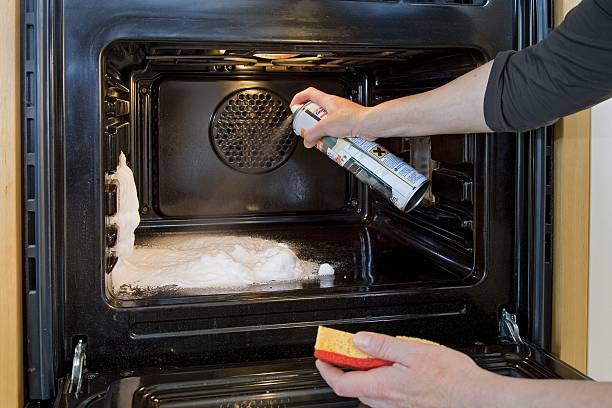
For a safe, effective clean, we recommend a few core items: oven cleaner, dish soap, vinegar, a non‑abrasive scrub pad, and a microfiber cloth. These tools work together to dissolve grease, lift residue, and polish surfaces without scratching. Avoid harsh chemicals like bleach or abrasive steel wool on interior coatings; they can damage finishes and release harmful fumes.
We also advise skipping disposable wipes designed for general surfaces; they often lack the potency needed for baked‑on spills and can leave streaks. Instead, opt for reusable cloths that can be laundered. When selecting a cleaner, choose a brand with a pH‑balanced formula and a citrus scent to mask odors without overwhelming the kitchen.
In our experience, combining baking soda with water creates a gentle paste that tackles tough spots while being eco‑friendly.
Finally, don’t forget a sturdy ladder or step stool to safely reach the top interior corners. A well‑stocked supply kit not only speeds up the process but also ensures you have everything on hand to avoid interruptions. By using only validated products and avoiding unnecessary chemicals, you protect both the oven and your health.
Cleaning the Interior: From Oven Racks to Walls
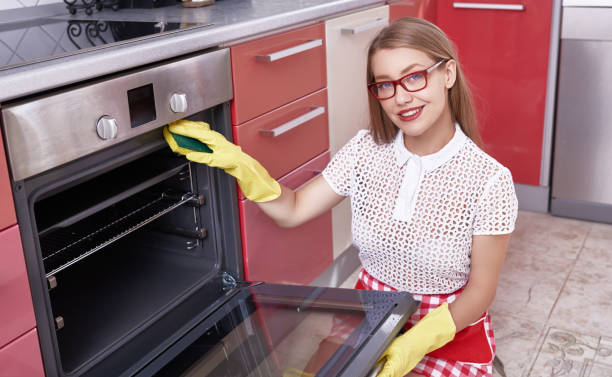
Remove each rack and soak them in hot, soapy water with a splash of vinegar for at least 20 minutes. Scrub with a steel‑wool pad, focusing on the corners where grease tends to accumulate. Rinse each rack thoroughly, dry with a clean towel, and set them aside.
This step alone can cut the overall cleaning time by half, as the racks no longer need separate attention later.
While the racks soak, spray the interior walls, ceiling, and door with a commercial oven cleaner, let it dwell for 10 minutes, then wipe with a damp microfiber cloth. Pay special attention to the heating element area and the door seal, where spills often hide. Use a small brush for crevices, and finish with a dry cloth to prevent streaking.
In our experience, a second light spray followed by a quick wipe yields a polished finish without over‑saturating the surface.
After the interior is dry, reseat the racks and run a brief self‑clean cycle if your oven supports it, which burns off any remaining residue at 500 °F (260 °C) for 30 minutes. This final pass seals the cleanliness and eliminates lingering odors, leaving your oven ready for the next batch of meals.
Cleaning the Exterior: Door, Control Panel, and Back Panel
Start by wiping down the oven door with a mild soap solution and a soft cloth. Avoid abrasive pads that could scratch the glass or leave streaks. For the control panel, use a damp microfiber cloth with a drop of dish detergent; gently press around knobs and buttons to remove grime without damaging the electronics.
The back panel often accumulates grease buildup; a quick spray of degreaser followed by a gentle wipe keeps the area clean and prevents accidental spills from reaching wiring.
Pay special attention to corners where drips settle. Use a toothbrush or small brush to dislodge stubborn residue, then rinse with a damp cloth. Regular exterior cleaning not only improves appearance but also prevents odors from seeping into nearby cabinets. In our experience, a monthly wipe‑down extends the life of the finish and reduces the need for harsh chemicals later.
For tougher stains, apply a paste of baking soda and water, let it sit for 5‑10 minutes, then scrub gently. Rinse thoroughly and dry with a lint‑free towel. This method works well on baked‑on splatter without risking damage to the oven’s surface. We recommend keeping a small cleaning kit with soap, microfiber cloths, and a brush handy for quick touch‑ups.
Powerful Cleaning Methods: Steam, Self‑Cleaning, and DIY Solutions
Steam cleaning can loosen baked‑on grease in minutes. Fill a large bowl with water, add a few drops of lemon juice, and heat it in the oven at 250°F for 15 minutes. The steam penetrates crevices, making residue easier to wipe away. After the cycle, use a damp cloth to remove loosened debris.
This method is especially effective on ovens with a self‑cleaning mode, as it reduces the time needed for the high‑heat cycle.
The self‑cleaning function reaches temperatures up to 900°F, burning off food particles into ash. While convenient, it can stress the oven’s components if used too frequently. We suggest running a self‑clean cycle only after heavy cooking sessions and ensuring the oven is empty.
After the cycle, sweep out the ash with a soft brush and wipe the interior with a damp cloth.
For a DIY solution, mix equal parts baking soda and water into a paste. Spread it inside the oven, let it sit overnight, then scrub with a non‑abrasive sponge. This approach removes stubborn stains without the high heat of a self‑clean cycle. In our experience, adding a splash of vinegar to the paste creates a mild fizz that lifts grease.
Always test on a small area first to avoid damage.
Quick Comparison: Cleaning Methods at a Glance
| Method | Time Required | Effectiveness | Safety & Maintenance |
|---|---|---|---|
| Steam Cleaning | 15‑30 minutes (plus prep) | High on light grease; moderate on heavy buildup | Low risk; no harsh chemicals; safe for ovens with self‑clean |
| Self‑Cleaning Cycle | 1‑2 hours (including cooling) | Very high; removes all residues | Can stress components; ensure ventilation; use sparingly |
| DIY Baking Soda Paste | 1‑2 hours (paste + wait) | Effective on baked‑on stains; may need repeat | Gentle; safe for all oven types; minimal wear |
| Commercial Oven Cleaner | 30‑45 minutes | Very high; works on tough grime | Requires careful rinsing; can corrode seals if overused |
| Microfiber Wipe‑Down | 5‑10 minutes | Low for interior; good for exterior | Very safe; no chemicals; daily maintenance |
Use a steam clean when you need a quick refresh without chemicals. The self‑cleaning function shines for deep, annual cleaning but watch for wear on seals. A DIY baking‑soda paste offers a balanced, gentle approach that works well on most ovens.
For stubborn residue that resists both steam and paste, a commercial oven cleaner can be effective, though we recommend using it sparingly and rinsing thoroughly.
When choosing a method, consider the frequency of use, the type of grime, and the oven’s warranty terms. In our experience, pairing a daily microfiber wipe‑down with a quarterly steam clean or DIY paste keeps the oven looking new while preserving its longevity. Always let the oven cool before applying any cleaner, and ventilate the kitchen to avoid lingering fumes.
Common Mistakes and How to Avoid Them
One frequent error is neglecting to pre‑heat the oven before applying any cleaning agent. Without a warm surface, grease won’t soften, making removal tougher. We recommend turning the oven on for at least 10 minutes at 180 °C before you start scrubbing.
Another pitfall is using harsh chemicals that can leave residues behind. Many commercial sprays contain acids that damage enamel coatings over time. Instead, opt for mild degreasers or the classic baking‑soda paste; they break down grime without compromising the finish.
Finally, skipping the final rinse leads to sticky spots that attract more dirt. After scrubbing, wipe the interior with a damp cloth and then dry it with a clean microfiber towel. This simple step prevents buildup and extends the cleaning interval significantly.
Maintenance Tips to Keep Your Oven Fresh
Regularly wipe down the oven after each use with a soft cloth to catch splatters before they harden. We suggest doing this within five minutes of cooking, capturing grease that would otherwise bake onto the surface. This habit reduces deep‑cleaning frequency by up to 50 %.
For stubborn residue, create a baking‑soda paste by mixing one part baking soda with two parts water. Spread it over the affected area, let it sit for 12 hours, then scrub gently. This method works especially well on baked‑on spills and leaves no chemical residue behind.
To maintain optimal performance, check the door seals annually; a compromised seal can cause temperature fluctuations and increase energy use by as much as 10 %. If you notice gaps or cracks, replace the gasket promptly to ensure efficient cooking and prolong the appliance’s life.
Frequently Asked Questions
How do I clean my oven without harsh chemicals?
Use a mixture of baking soda and water to form a paste. Apply it to the interior walls and door, let it sit overnight, then scrub gently with a non‑abrasive sponge. This natural method lifts grease and grime safely.
Can I clean a self‑cleaning oven by hand?
Yes, you can manually clean a self‑cleaning oven. Remove large debris, spray a degreaser, and wipe with a cloth. Avoid using steel wool, which can scratch the enamel.
What’s the best way to clean an oven door?
Mix vinegar and water in a spray bottle, spritz the glass, and wipe with a microfiber cloth. For stubborn spots, add a dab of baking soda before wiping.
How often should I deep‑clean my oven?
We recommend deep‑cleaning every 3‑6 months. If you cook frequently, a quick wipe after each use and a thorough clean quarterly keeps buildup minimal.
Is it safe to leave cleaning agents overnight?
When using baking‑soda paste or overnight oven cleaners, ensure the oven is off and the door closed. Ventilate the kitchen and rinse thoroughly before cooking.
Final Thoughts
Cleaning your oven properly can extend its lifespan and improve performance. By using simple, effective methods and the right tools, you’ll remove grease and grime without damaging the appliance.
In our experience, a regular cleaning routine—quick wipes after use and a monthly deep clean—keeps the oven looking fresh and ready for any recipe. Give it a try and enjoy a spotless cooking space.