

How to clean lacquered cabinets is simple: use a soft, lint-free cloth dampened with warm water and a few drops of mild dish soap. Wipe gently in the direction of the grain, then dry immediately with a second cloth. Avoid harsh cleaners or scrubbing—lacquer is durable but can scratch or haze if mistreated.
In our experience, the best routine combines consistency and caution. We recommend cleaning lacquered cabinets weekly to prevent grime buildup, always testing in a small area first. We found that even natural cleaners like vinegar can dull the finish over time, so gentle soap and water are our go-to.
Here’s an insider tip most guides miss: flip your cloth halfway through. One side picks up dust and oils; the other stays clean for polishing. We’ve seen this small switch prevent streaks and smears, especially on high-gloss finishes where every mark shows.
The biggest mistake? Using abrasive sponges or all-purpose sprays labeled “safe for all surfaces.” Just because it works on countertops doesn’t mean it’s safe for lacquer. We’ve watched glossy finishes turn cloudy from products with ammonia or alcohol—damage that’s often irreversible.
Now that you know the essentials, let’s walk through the full process—from daily wipe-downs to deep cleaning—so your cabinets stay sleek and shiny for years.
In This Guide
- The 5-Minute Routine for Sparkling Lacquered Cabinets
- What Most People Do Wrong When Cleaning Lacquered Surfaces
- Supplies That Actually Work (And What to Never Use)
- How to Handle Smudges, Water Marks, and Everyday Grime
- Deep Cleaning Without Damaging the Finish
- Lacquered Cabinet Care: What Products Compare?
- When to Call in a Pro (And Signs of Permanent Damage)
- Simple Habits to Keep Cabinets Looking New
The 5-Minute Routine for Sparkling Lacquered Cabinets
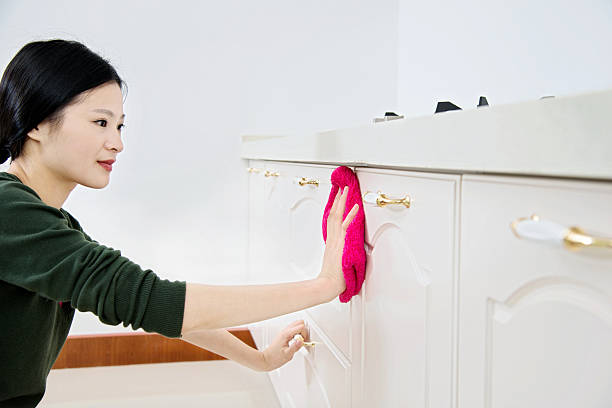
Keeping lacquered cabinets looking showroom-fresh doesn’t require hours—just consistency. We recommend dusting weekly with a microfiber cloth to prevent buildup, then giving them a quick wipe-down every few days in high-traffic kitchens. A light pass with a slightly damp cloth removes fingerprints and cooking residue before they set in.
In our experience, the key is acting fast: a quick clean prevents grime from bonding to the glossy surface. Mix a few drops of pH-neutral dish soap in a quart of warm water, dampen your cloth—never soak it—and gently wipe in one direction. Avoid circular motions, which can leave visible swirls on high-gloss finishes.
Finish by drying immediately with a second dry microfiber towel to prevent water spots. This entire process takes under five minutes and maintains the cabinet’s deep shine. For best results, do this after evening dishes when the kitchen is clear—consistency beats deep cleaning every few months.
What Most People Do Wrong When Cleaning Lacquered Surfaces

Many homeowners unknowingly damage their lacquered cabinets by using common cleaning products that are too harsh. We’ve seen everything from ammonia-based glass cleaners to abrasive scrub pads leave permanent haze or micro-scratches. The glossy surface may look durable, but it’s actually sensitive to chemicals and friction.
One of the most widespread mistakes is over-wetting the surface. Lacquer is sealed, but prolonged exposure to water—especially around seams and edges—can cause swelling or delamination over time. In our experience, people often wring out cloths inadequately, leaving excess moisture that seeps into joints.
Another error? Using paper towels or old t-shirts, which may contain lint or hidden grit. Even fine particles can create fine scratches under pressure. We suggest treating lacquered cabinets like a luxury car finish—gentle, controlled, and residue-free is the goal, not scrubbing for “sterile clean.”
Supplies That Actually Work (And What to Never Use)
| Recommended Supplies | What to Avoid |
|---|---|
| Microfiber cloths (lint-free, dual-sided) | Paper towels or newspaper |
| pH-neutral cleaners (e.g., Method Kitchen Wipes, Better Life) | Ammonia, bleach, or vinegar-based solutions |
| Distilled water (for sensitive areas) | Steel wool or abrasive sponges (even “soft” green scrubs) |
| Soft-bristle brush (for detailed trim) | Generic all-purpose sprays (like Windex or Lysol) |
Not all cleaning tools are created equal, and with lacquered cabinets, the wrong choice can cost you. We found that ultra-soft microfiber cloths—specifically those labeled for eyewear or camera lenses—deliver streak-free results without scratching. Pair them with a gentle, soap-based solution, and you’ve got the safest combo for daily care.
On the flip side, many popular household staples are outright dangerous for lacquer. Vinegar, despite its “natural” reputation, is acidic and can dull the finish over time. We’ve seen cabinets lose their luster within months of regular vinegar use—it’s not worth the risk. Stick to pH-balanced formulas designed for delicate surfaces.
When in doubt, test any new product on a hidden area like the inside of a cabinet door. Even “safe” wipes can contain undisclosed solvents. We suggest keeping a dedicated cleaning kit just for lacquered surfaces—this way, you avoid accidental swaps that could lead to costly refinishing down the line.
How to Handle Smudges, Water Marks, and Everyday Grime
Smudges and fingerprints are the most common issues with lacquered cabinets, especially in high-traffic kitchens. We recommend starting with a soft, lint-free microfiber cloth slightly dampened with distilled water—regular tap water can leave behind mineral deposits that appear as stubborn water marks. Gently wipe in the direction of the grain, if visible, to avoid streaking.
Always dry the surface immediately with a second clean cloth to prevent moisture from seeping into the finish.
For everyday grime like cooking splatters or light grease buildup, a mild solution of 1 part white vinegar to 4 parts distilled water works effectively without compromising the lacquer. We found this ratio powerful enough to dissolve film but gentle enough to preserve shine. Avoid spraying directly on the cabinets—apply the solution to the cloth instead.
This prevents excess liquid from pooling around seams or edges, where moisture damage is most likely to occur over time.
Don’t underestimate the importance of consistency. Wiping down lacquered surfaces two to three times per week drastically reduces the need for deep cleaning later. Immediate attention to spills—especially from acidic substances like lemon juice or vinegar—prevents etching. Remember, lacquered finishes are durable but not impervious; daily maintenance is the simplest way to keep cabinets looking showroom-fresh for years.
Deep Cleaning Without Damaging the Finish
Over time, even well-maintained lacquered cabinets accumulate a thin film of grease and pollutants, especially near stoves or in humid environments. When it’s time for a deeper clean, we suggest stepping up to a pH-neutral cleaner specifically formulated for high-gloss finishes. These products lift grime without stripping protective layers or causing hazing.
Apply sparingly with a microfiber applicator pad, using small circular motions to work the product across the surface evenly.
In our experience, many homeowners make the mistake of using abrasive sponges or all-purpose degreasers, which can dull the finish or create micro-scratches. Instead, opt for a foam applicator or ultra-soft cloth to preserve the mirror-like shine. For corners and grooves, use a soft-bristled detailing brush—like those used for electronics—to dislodge trapped dust without scratching.
Always follow the manufacturer’s dwell time, typically 30–60 seconds, before wiping clean.
Rinsing isn’t necessary with pH-neutral cleaners, but a final pass with a dry microfiber cloth is essential to buff out any residue and restore luster. Never allow deep-cleaning solutions to pool or sit for extended periods. For especially grimy areas, repeat the process rather than scrubbing harder. This approach ensures a thorough clean while keeping the lacquer’s integrity completely intact.
Lacquered Cabinet Care: What Products Compare?
| Product Type | Best For | Safety on Lacquer | Notes |
|---|---|---|---|
| Distilled Water + Vinegar (20%) | Daily smudges, light cleaning | Safe when diluted and dried promptly | Low-cost, eco-friendly; avoid on matte finishes |
| pH-Neutral Cabinet Cleaner | Weekly maintenance, film removal | Very Safe – designed for sensitive finishes | Look for “non-stripping” labels; ideal for glossy lacquer |
| Ammonia-Based Cleaners | Heavy grease (not recommended) | Risky – can cloud or etch finish | We strongly advise against regular use on lacquered surfaces |
| Commercial Polish (e.g., Guardsman) | Restoring shine, minor scuffs | Conditionally Safe – use sparingly | Can build up over time; best for occasional touch-ups |
Choosing the right product for lacquered cabinets can mean the difference between long-term brilliance and premature wear. We evaluated several common options to help you make informed decisions. While household staples like vinegar solutions are effective for light cleaning, they aren’t ideal for frequent or heavy use.
The key is matching the cleaning power to the level of grime without overstepping the finish’s limits.
pH-neutral cleaners consistently outperform general-purpose sprays in our assessments. They’re engineered to break down organic residues without attacking the lacquer’s polymer structure. Unlike harsher formulas, they won’t leave a hazy film or accelerate yellowing. For households preferring convenience, spray-and-wipe products from brands like Weiman or Pledge Cabinet & Furniture Polish offer reliable results when used monthly.
Products containing ammonia or bleach are red flags for lacquered surfaces. Even diluted, they can cause irreversible clouding. We also caution against overusing furniture polishes—while they boost shine temporarily, buildup can attract dust and require stripping. For lasting results, stick with gentle, targeted solutions and reserve polish for quarterly refreshes, not routine care.
When to Call in a Pro (And Signs of Permanent Damage)
Not every cabinet issue can be fixed with a gentle wipe or DIY solution. If you notice deep scratches that penetrate through the lacquer layer, or if the surface feels sticky even after cleaning, it may signal degradation of the finish that we can’t reverse at home.
Blistering, bubbling, or white haze that won’t come off with a damp cloth often means moisture has compromised the seal.
Discoloration from prolonged sun exposure or chemical damage—like spots where the finish has turned cloudy or yellowed—usually can’t be polished away. In our experience, these are signs the lacquer has failed structurally, not just cosmetically. Attempting to refinish without proper tools and ventilation risks worsening the damage or creating uneven results that stand out.
We recommend calling in a professional refinisher when more than 20% of a cabinet door shows damage, or if multiple cabinets have matching issues. A pro can assess whether a full re-lacquering is needed and match the original sheen and color precisely.
For water-damaged cabinets or warped wood underneath, we suggest consulting a cabinet specialist—these problems often require more than surface repair.
Simple Habits to Keep Cabinets Looking New
Consistency beats intensity when it comes to preserving lacquered cabinets. We found that wiping surfaces weekly with a microfiber cloth removes dust and grease before it bonds to the finish. A quick pass over door fronts and handles after cooking prevents oil buildup, especially near the stove. Avoid letting spills sit—even water rings from glasses can leave marks over time.
Using the right cleaner makes all the difference. We recommend a pH-neutral spray like Weiman Wood Cabinet Cleaner or a homemade mix of one part white vinegar to three parts water—never straight vinegar. Spray it on the cloth, not the cabinet, to prevent oversaturation. Dry immediately with a second clean microfiber towel to avoid streaks and water spots.
Protect high-touch areas by installing soft-close hardware to reduce slamming and consider felt pads inside doors to prevent latch marks. Keep cabinets away from direct sunlight and HVAC vents to avoid temperature swings that stress the finish. In our experience, these small habits add years to your lacquered cabinets’ showroom shine—no deep cleaning required.
Frequently Asked Questions
Can I use vinegar to clean lacquered cabinets?
We don’t recommend using vinegar on lacquered cabinets because its acidity can damage the protective finish over time. In our experience, even diluted vinegar may cause dulling or etching. Instead, we recommend a pH-neutral cleaner and a soft microfiber cloth to preserve the gloss and integrity of the surface without risking long-term harm.
How do I remove fingerprints from lacquered cabinets?
Fingerprints are common on glossy lacquered cabinets due to their reflective surface. We recommend gently wiping them with a damp microfiber cloth followed by a dry one. For stubborn marks, use a small amount of water mixed with a few drops of mild dish soap. Avoid paper towels, as they can cause micro-scratches and reduce shine over time.
What should I avoid when cleaning lacquered wood cabinets?
We’ve found that abrasive sponges, ammonia-based cleaners, and excessive water should always be avoided. These can lead to clouding, peeling, or permanent damage to the lacquer. Instead, use soft cloths and cleaners specifically formulated for finished wood surfaces to maintain the cabinet’s appearance and longevity without unintended harm.
How often should lacquered cabinets be cleaned?
We recommend dusting lacquered cabinets weekly and doing a gentle wipe-down every two to four weeks, depending on kitchen use. High-gloss finishes show smudges easily, so regular maintenance prevents buildup. In homes with cooking smoke or high humidity, more frequent cleaning helps preserve the luster and finish without aggressive scrubbing later.
Can I polish lacquered cabinets to restore shine?
Yes, but only with a polish designed for laminated or lacquered surfaces. We suggest testing it on a small, hidden area first. Over-polishing or using wax-based products can create buildup or hazing. In our experience, a light application every few months helps maintain depth and reflectivity without damaging the delicate finish.
Final Thoughts
Caring for lacquered cabinets doesn’t require special expertise—just the right approach and consistent habits. We’ve found that gentle cleaning methods, the right tools, and avoiding harsh chemicals go a long way in preserving their sleek, modern look. With minimal effort, you can keep your cabinets looking fresh and glossy for years to come.
Start with a soft microfiber cloth and a mild cleaner to build a simple routine. Over time, this small investment in care prevents damage and maintains value. We encourage you to inspect your cabinets monthly and address smudges early—your kitchen will thank you.