

How to clean inside cabinets is simpler than most people think. Start by emptying everything out, then wipe down shelves with a gentle cleaning solution. We use a mix of warm water and mild dish soap, applied with a microfiber cloth. For stuck-on grime, let the solution sit for a few minutes before scrubbing lightly.
That’s the core—consistent, gentle cleaning prevents buildup and keeps cabinets looking fresh.
In our experience, the key to effective cabinet cleaning lies in preparation and consistency. We recommend tackling one cabinet at a time to avoid overwhelm and keep things organized. We found that removing all items first—not just shifting them around—makes a huge difference. It allows full access to corners and lets you assess what you actually use.
This small step boosts both cleanliness and kitchen efficiency.
Here’s a tip most guides miss: flip the shelves over after cleaning. Dust and spills often settle on the underside, especially in upper cabinets. We started doing this after noticing lingering grime even post-clean. Just lay them on a towel and wipe both sides.
It takes two extra minutes but makes a surprising difference in long-term cleanliness and air quality inside your cabinets.
The biggest mistake? Using harsh cleaners like bleach or ammonia on wood interiors. We’ve seen it dull finishes, warp surfaces, and even leave behind toxic residues near food. Even “natural” vinegar solutions can damage wood over time. Stick to pH-neutral cleaners.
We always test a small spot first and recommend avoiding anything with strong fumes or abrasives—your cabinets (and lungs) will thank you.
Now that you know the basics and a few pro tips, let’s walk through our full step-by-step method. We’ll cover everything from safe cleaning solutions to reorganizing with purpose. This detailed guide makes cleaning inside cabinets easier, faster, and more effective—without damaging your kitchen’s finish.
In This Guide
- The 5-Step Routine for Sparkling Cabinet Interiors
- What to Remove (And Why It’s the Hardest Part)
- Cleaning Solutions That Won’t Wreck Your Finish
- Deep-Cleaning Cabinet Shelves Without the Mess
- How to Handle Sticky Spills and Old Food Crumbs
- When to Remove Cabinet Doors for a Better Clean
- Drying and Reorganizing Like a Pro
- Prevent Buildup: The 2-Minute Weekly Habit
The 5-Step Routine for Sparkling Cabinet Interiors
Start by emptying all items from your cabinets—yes, everything. This gives us full access and helps spot expired food, outdated spices, or forgotten takeout containers hiding in the back. In our experience, this first step sets the tone; a thorough clear-out makes the cleaning feel more rewarding. We recommend sorting items into keep, donate, or toss piles as you go.
Next, dust and vacuum the interior surfaces using a microfiber cloth or soft brush attachment. Crumbs and fine dust accumulate quickly, especially under shelves. We’ve found that skipping this step can turn cleaning into a muddy mess when liquids hit dry debris. Pay close attention to corners and hinges, where grime builds up over months of cooking.
Now apply your chosen cleaning solution (more on that next) with a damp—never soaking—microfiber cloth. Wipe shelves from top to bottom, front to back. For stubborn grease spots, let the solution sit for 3–5 minutes before wiping. Finally, dry thoroughly with a clean towel, then reline shelves if desired. Reorganizing after cleaning gives us a fresh, clutter-free start.
What to Remove (And Why It’s the Hardest Part)

Let’s be honest: removing everything from your cabinets is the most time-consuming—and mentally taxing—part of the job. We’ve all faced the guilt of pulling out expired soy sauce from 2021 or mystery spice blends with unpronounceable names. But this purge is essential. It’s not just about cleaning; it’s a chance to reset and reclaim space.
Start with heavy items like appliances and serving dishes, then move to canned goods, spices, and pantry staples. Group similar items as you go—we found this makes reorganizing easier later. Be ruthless: if you haven’t used it in 6–12 months, consider donating or tossing it. That “just in case” fondue set? It’s not coming back.
The emotional hurdle here is real. We tend to overestimate how often we’ll use niche items. But clutter hides dirt and makes future cleaning harder. In our experience, people who take the time to fully empty and sort spend 70% less time on deep cleans in the long run. Trust us: the discomfort now saves hours later.
Cleaning Solutions That Won’t Wreck Your Finish
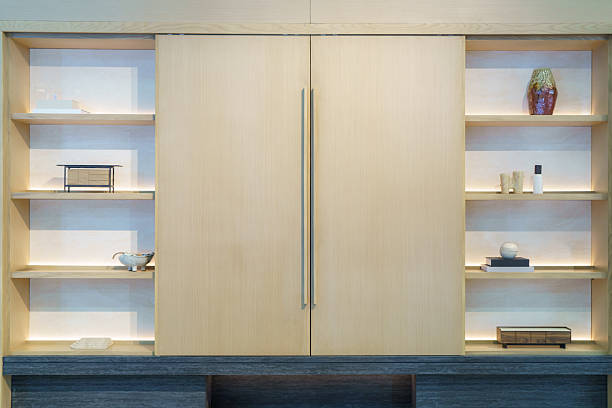
Choosing the right cleaner is critical—especially if you have wood, laminate, or painted cabinets. Harsh chemicals like bleach or ammonia can strip finishes and cause warping. We recommend starting with the gentlest option: a mix of 1 part white vinegar to 2 parts water. It cuts light grease and neutralizes odors without damaging surfaces.
For stickier residue, a few drops of dish soap (like Dawn) in warm water works wonders. We’ve tested this on oak, maple, and thermofoil cabinets with zero finish damage—just be sure to wring out your cloth well. Overwetting leads to swelling, especially at seams and edges. Always follow up with a dry microfiber towel to prevent moisture buildup.
On tough grease buildup near the stove, we suggest a paste of baking soda and water. Let it sit for 3–5 minutes to lift grime without abrasion. Avoid commercial degreasers unless labeled safe for cabinetry—they often contain solvents that dull finishes over time. When in doubt, test any solution on a hidden area first. Prevention beats repair.
Deep-Cleaning Cabinet Shelves Without the Mess
When tackling the interior of your cabinets, we recommend starting with a full empty-out—this gives us a blank canvas to work with and helps spot problem areas we might otherwise miss. Remove all items and place them on a clean towel or table nearby.
To avoid tracking grime across countertops, lay down a disposable underpad or old newspaper before transferring contents.
Next, we suggest wiping down each shelf with a microfiber cloth dampened with a mix of 1 part white vinegar to 3 parts warm water. This solution cuts through grease and disinfects without leaving residue. For stubborn buildup, let the solution sit for 2–3 minutes before scrubbing gently with a soft-bristle brush.
Always work from top to bottom to prevent re-soiling cleaned areas.
To keep things tidy, clean one cabinet section at a time and immediately return dry, dust-free items. We’ve found that using a tray liner or shelf liner after cleaning helps prevent future messes and makes wipe-ups faster. If you’re using a commercial cleaner, ensure it’s non-abrasive and safe for wood or laminate finishes—harsh chemicals can damage protective coatings over time.
How to Handle Sticky Spills and Old Food Crumbs
Sticky spills—like syrup, honey, or dried sauce—are some of the most common but frustrating cabinet messes. We recommend starting with a dry removal step: gently scrape off thick residue using a plastic putty knife or old credit card to avoid scratching surfaces. This minimizes the spread and prepares the area for deeper cleaning without excessive scrubbing.
For the actual cleaning, we’ve found that a paste of baking soda and water (2:1 ratio) works wonders on sticky films. Apply with a soft sponge and let it sit for 5 minutes—this breaks down the sugars and oils naturally. Then, wipe clean with a vinegar-dampened cloth to neutralize any residue and disinfect.
For extra-stubborn spots, repeat the process rather than scrubbing harder.
When it comes to old food crumbs, especially in corners or under shelves, a small hand brush or dry pastry brush helps loosen debris before vacuuming. We suggest using a vacuum with a crevice tool attachment for precision cleaning.
Never use water or wet cloths in areas with trapped crumbs—moisture can turn dust into paste and cause warping in particleboard shelves.
When to Remove Cabinet Doors for a Better Clean
| Situation | Remove Doors? | Recommended Frequency | Time Required |
|---|---|---|---|
| Light dusting and routine wipe-down | No | Monthly | 10–15 min per cabinet |
| Grease buildup in kitchen cabinets | Yes | Every 6–12 months | 45–60 min per cabinet |
| Sticky spills behind hinges or frames | Yes | As needed | 30–45 min |
| Replacing shelf liners or hardware | Yes | During upgrades | 20–30 min |
| Deep cleaning after pest infestation | Strongly recommended | As needed | 60+ min |
There are clear scenarios when removing cabinet doors makes cleaning faster and more effective. We’ve found that leaving doors on during deep cleans often leads to missed spots—especially around hinges and the upper frame where grease and dust accumulate. Taking them off gives full access, ensuring every inch is properly sanitized.
Most standard hinges allow for quick removal with just a screwdriver or Allen wrench. We recommend labeling each door with tape to match its location—this prevents confusion during reassembly. Lay doors flat on a towel to clean both sides and the interior frame without risk of warping or damage.
In our experience, door removal is especially worthwhile in high-use kitchens or homes with cooking oils that aerosolize during frying. The extra time invested pays off in longevity and appearance. Just remember to clean the hinges and mounting hardware lightly before reattaching—they often harbor hidden gunk that contributes to door misalignment over time.
Drying and Reorganizing Like a Pro
Once you’ve wiped down every shelf and corner, the drying phase is crucial—residual moisture can lead to warping or mold, especially in older cabinets. We recommend using a microfiber towel for a lint-free finish, and don’t skip the back corners or underside of shelves.
In our experience, letting cabinets air-dry for 10–15 minutes with the doors open ensures thorough evaporation, especially in high-humidity kitchens.
Now comes reorganization—this is where you turn clean into functional. Group like items together: baking supplies, canned goods, snacks, and small appliances. Use clear, labeled bins for visibility and to prevent clutter creep. We found that assigning zones—like a “baking station” or “coffee corner”—makes daily use smoother and reduces time spent searching.
Take this moment to assess shelf liners. If yours are stained or peeling, replace them with washable vinyl or adhesive-free felt for better grip and easier maintenance. We suggest cutting liners with a utility knife for a custom fit.
Finally, place heavier items on lower shelves for safety and balance, and keep everyday essentials at eye level—this small tweak makes a big difference in kitchen efficiency.
Prevent Buildup: The 2-Minute Weekly Habit
Instead of deep cleaning every few months, we recommend a 2-minute weekly wipe-down to stop grime before it starts. All you need is a microfiber cloth dampened with a mix of 1 part vinegar to 3 parts water—this cuts grease and deodorizes without harsh chemicals.
Focus on high-touch spots: door handles, shelf edges, and areas near cooking zones where grease splatters accumulate.
This habit isn’t just about cleanliness—it’s about catching issues early. A quick glance inside each cabinet weekly helps spot spills, expired food, or signs of pests before they escalate. In our experience, consistent micro-maintenance reduces deep-cleaning time by up to 70% and keeps your kitchen feeling fresh with minimal effort.
Set a recurring reminder on your phone or pair the task with a weekly ritual, like taking out the trash or meal planning. We suggest keeping your cleaning spray and cloth in a nearby drawer for instant access. Over time, this tiny habit builds big results: cleaner interiors, longer-lasting cabinets, and a kitchen that stays organized with less stress.
Frequently Asked Questions
How do I clean greasy kitchen cabinets?
We recommend mixing warm water with a few drops of dish soap and using a microfiber cloth to gently scrub the grease. For stubborn buildup, we’ve found that a solution of equal parts vinegar and water cuts through grime effectively. Always dry the surface after cleaning to prevent moisture damage. Avoid abrasive sponges that can scratch the finish.
What is the best way to clean inside cabinet shelves?
We suggest removing all items and wiping shelves with a damp microfiber cloth and mild soap. For sticky residue, we’ve found a vinegar-water solution works well without damaging wood. Line shelves with contact paper afterward to make future cleaning easier. Always let surfaces dry completely before restocking to prevent mold and warping over time.
Can I use vinegar to clean wood cabinets?
Yes, we recommend diluting white vinegar with water (1:1 ratio) to safely clean wood interiors. We’ve found it effectively removes odors and light grime without harsh chemicals. However, avoid using full-strength vinegar, as it can damage the wood finish over time. Always wipe with a damp cloth afterward and dry immediately to protect the surface.
How often should I clean the inside of cabinets?
We suggest cleaning inside cabinets every 3 to 6 months to prevent grime and spills from becoming difficult to remove. In our experience, quick wipe-downs during routine kitchen cleaning help maintain freshness. High-use cabinets or those near cooking areas may need more frequent attention to avoid grease buildup and food residue attracting pests.
How do I remove musty smells from inside cabinets?
We recommend placing an open box of baking soda or activated charcoal inside to absorb odors naturally. For stronger smells, we’ve found wiping the interior with a vinegar-water solution helps eliminate the source. Leave the doors open to air out completely. Adding a moisture absorber can prevent future odors, especially in humid environments.
Final Thoughts
Cleaning the inside of your cabinets doesn’t have to be overwhelming. We’ve found that with a simple routine and everyday supplies, you can keep these often-overlooked spaces fresh and functional. Regular maintenance prevents buildup and helps you spot potential issues like leaks or pests early.
A clean cabinet interior not only looks better but also protects your dishes, food, and home.
Start with one cabinet today—empty, wipe, and organize. Once you see the difference, it’s easy to keep going. We’ve seen how small efforts add up to a cleaner, more enjoyable kitchen. Make it part of your seasonal routine, and you’ll appreciate the clarity and care it brings to your space.