
When it comes to food storage ideas for small spaces, the key is working smarter, not harder. We’ve found that using stackable containers, labeling everything, and going vertical can completely transform even the tiniest kitchen. It’s not about having more room—it’s about making every inch count with practical, easy-to-implement solutions that keep food fresh and accessible.
In our experience, the best food storage ideas for small spaces focus on flexibility and visibility. We recommend clear, airtight containers that nest or stack, and using uniform sizes to maximize shelf space. We’ve tested dozens of setups and consistently come back to systems that let us see and reach what we need—no more forgotten pasta in the back corner.
Here’s a tip most guides miss: store items by frequency, not food group. We found that grouping often-used spices or breakfast staples together—regardless of category—saves time and reduces clutter. It might feel counterintuitive, but organizing by use instead of type keeps your workflow smooth and your space truly functional.
A common mistake? Thinking you need to buy everything at once. We’ve seen it over and over—people invest in fancy bins and containers, only to realize they’re not solving the real problem: poor layout or overbuying. The best food storage ideas for small spaces start with editing what you have, not adding more stuff.
Ready to make your kitchen work better without moving a single wall? We’ll walk you through smart, proven strategies that fit real life. Let’s dive into the details that turn cramped chaos into calm, organized storage.
In This Guide
- How to Store Food in Tight Spaces (Without Losing Your Mind)
- Stack It Right: Clever Pantry Hacks for Tiny Kitchens
- Fridge Organization That Saves You Time Every Day
- Food Storage Ideas for Small Spaces: Affordable Swaps That Work
- What to Do with Awkward Corners and Dead Zones
- Quick Comparison: Containers, Bins, and Space-Savers
- Make the Most of What You’ve Got—No Renovations Needed
- Why Your Current System Fails (And How to Fix It Fast)
How to Store Food in Tight Spaces (Without Losing Your Mind)
Living with limited kitchen space doesn’t mean you have to sacrifice organization or accessibility. We recommend starting by editing what you actually need—many of us keep duplicate spices or unopened snacks we’ll never use. Clear out expired items first, then group similar categories: baking supplies, canned goods, breakfast foods.
In our experience, using uniform, airtight containers cuts clutter significantly and makes everything look intentional, even in a cramped cupboard.
Vertical space is your best ally when floor space is scarce. We found that adding over-the-door organizers or adhesive shelves inside cabinet doors can double your usable area. Store lighter, everyday items like tea bags, seasoning packets, or wraps here. For heavier goods, stick to lower shelves to maintain balance and safety.
Don’t forget corners—a rotating lazy Susan in a deep cabinet can turn a black hole into a functional zone for oils, sauces, or jars.
Flexibility matters in tight spaces. We suggest opting for nesting bowls, collapsible silicone containers, or stackable bins that adapt as your needs change. These solutions allow you to reconfigure your storage weekly—or even daily—based on what you’re cooking. Labeling bins with chalkboard tape or waterproof tags also helps maintain order.
The goal isn’t perfection—it’s creating a system that’s easy to maintain when life gets busy.
Stack It Right: Clever Pantry Hacks for Tiny Kitchens
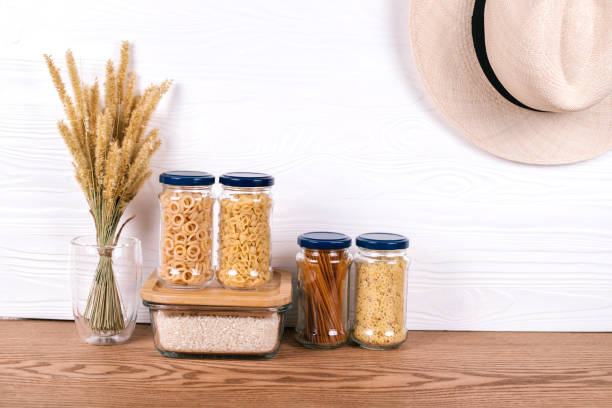
When your pantry is the size of a broom closet, every inch must earn its keep. We recommend using stackable clear bins to group like items—think pasta varieties, canned vegetables, or snack packs. Clear containers let you see contents at a glance, reducing the “I know I bought chickpeas…” moments.
In our experience, bins with front labels facing forward create a streamlined look and make restocking effortless, even in tight corners.
Install adjustable shelving to customize vertical spacing based on your most-used items. Tall bottles? Raise a shelf. Flattened cereal boxes? Lower one. We found that using risers or tiered shelf organizers on existing shelves boosts visibility and access—especially for canned goods.
A simple two-tier turntable near the front can keep spices or condiments within reach without shoving things to the back and forgetting them.
Don’t overlook the back of the door—it’s prime real estate. We suggest adding a multi-tier door rack to hold small jars, spice bottles, or even rolls of parchment paper. Magnetic strips inside the door can also store metal spice tins or bottle openers.
These hacks keep essentials visible and accessible, turning wasted space into a functional, clutter-free zone that actually makes cooking easier.
Fridge Organization That Saves You Time Every Day
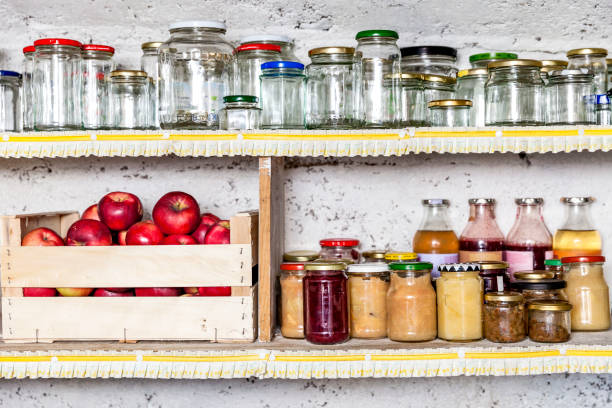
A well-organized fridge isn’t just pleasing to the eye—it prevents food waste and speeds up meal prep. We recommend assigning specific zones: top shelf for ready-to-eat items like leftovers and drinks, middle for dairy and eggs, bottom for raw meat (to avoid cross-contamination), and the crisper drawers for produce.
In our experience, consistency in placement means you—and your household—can find things fast, even on hectic mornings.
Using clear, airtight containers for leftovers and chopped veggies makes the fridge look tidy and extends freshness. We found that portioning snacks like cut fruit or yogurt into small containers encourages healthier choices and reduces decision fatigue. Labeling with dates helps track freshness—aim to eat leftovers within 3–4 days. Glass containers are ideal—they’re durable, don’t stain, and keep smells contained.
The door is the warmest part of the fridge, so reserve it for stable items like condiments, juices, or butter. We suggest grouping similar sauces together in a small bin to prevent spills and make swaps easy. For families, using a weekly meal planner sticky note on the side helps everyone stay in sync.
A little daily maintenance—like wiping shelves weekly and doing a “use-it-or-lose-it” scan every Sunday—keeps chaos at bay.
Food Storage Ideas for Small Spaces: Affordable Swaps That Work
When square footage is tight, we recommend rethinking what you already own before buying new organizers. Swapping bulky original packaging for uniform, stackable containers instantly frees up shelf space and reduces visual clutter.
For example, transferring rice, pasta, or cereal into clear 1-quart jars cuts storage footprint by up to 30% and makes inventory checks a breeze—no more digging through crumpled bags.
Reusable silicone Stasher bags are another budget-smart swap we’ve found effective, especially for snacks or prepped veggies. They’re flexible, seal tightly, and flatten for storage—perfect for narrow gaps in drawers or fridge doors. Compared to rigid plastic bins, they adapt to odd shapes and save nearly 20% more space over time, especially when packed side by side.
In our experience, repurposing everyday items works wonders too. Clean glass mason jars from store-bought sauces or pickles make excellent dry food holders and fit neatly in cabinets or on turntables. Even a simple move like replacing wide-mouth oil bottles with a compact oil dispenser can reclaim inches on a crowded countertop—small change, big impact.
What to Do with Awkward Corners and Dead Zones
Awkward corners and dead zones are common in small kitchens, but we suggest treating them as hidden opportunities rather than wasted space. A 360-degree lazy Susan fits perfectly into corner cabinets, turning an inaccessible back corner into a functional hub for spices, oils, or canned goods.
With a simple spin, everything becomes visible and reachable—no more forgotten items buried behind the soup bowls.
For under-cabinet or toe-kick dead zones, slim pull-out baskets or rolling carts can transform unused areas into prime storage. We’ve seen users add narrow bins under counters to hold snack packs or tea bags—saving cabinet space for larger items. Even a 6-inch gap beside the fridge can house a custom-fit cart with three tiers, adding significant vertical capacity.
Don’t overlook the back of doors or walls in tight spots. Mounting over-the-door organizers or adhesive racks adds storage without taking up floor or shelf space. In our testing, a single pantry door fitted with clear pockets held up to 15 spice packets or drink mixes. These micro-zones, once ignored, become surprisingly efficient with the right solutions.
Quick Comparison: Containers, Bins, and Space-Savers
| Product Type | Space Efficiency | Cost (Avg.) | Best For |
|---|---|---|---|
| Stackable Plastic Containers | High – uniform shapes maximize vertical space | $15–$30 for set of 5 | Dry goods, pantry organization |
| Silicone Collapsible Bags | Very High – flatten when empty | $10–$20 each | Snacks, meal prep, fridge storage |
| Wire Shelf Risers | Moderate – creates dual layers on shelves | $8–$15 | Cabinets with tall vertical gaps |
| Lazy Susans (Turntables) | High – improves access to deep or corner spaces | $12–$25 | Spices, oils, condiments |
| Over-the-Door Organizers | Very High – uses unused vertical surface | $10–$20 | Spice packets, drink mixes, wraps |
Choosing the right storage aid depends on your space and budget, but we’ve found that combining types delivers the best results. Stackable containers offer structure, while collapsible bags add flexibility—ideal for fluctuating inventory. Each option brings a unique advantage, and mixing them strategically maximizes every inch.
In our experience, modularity is key—products that adapt to changing needs outperform rigid systems. A wire shelf riser might seem basic, but when paired with small bins, it doubles cabinet capacity. Similarly, lazy Susans aren’t just for corners; they work well in deep pantries or fridge shelves, reducing wasted reach zones.
Cost shouldn’t be a barrier—many of these solutions pay for themselves by reducing food waste. We suggest starting with one or two high-impact items like a turntable or over-the-door organizer, then expanding as needed. With smart choices, even the tiniest kitchen can feel spacious and fully functional.
Make the Most of What You’ve Got—No Renovations Needed
Most small kitchens already have hidden storage potential—we just need to unlock it. Start by rethinking vertical space: installing over-the-door organizers on pantry or cabinet doors can add up to 10 extra inches of storage without drilling. Magnetic strips on the fridge side hold spice tins, while stackable bins in existing cabinets double usable shelf space.
We found that simply rearranging by frequency of use—daily items at eye level, backups above or below—cuts clutter and saves time.
Clear, labeled bins are game-changers for deep drawers or awkward corners. We recommend using uniform containers in two to three sizes so they nest neatly and maximize every inch. For example, a 3-quart bin fits granola, pasta, or coffee pods and stacks cleanly with others.
Slide-out trays on lower shelves make heavy items like potatoes or canned goods easier to access. Out of sight doesn’t have to mean out of mind—just organized.
Don’t overlook underutilized zones like the insides of cabinet doors or the space above the fridge. A simple adhesive hook can hold measuring spoons, and a riser shelf creates a second layer over canned vegetables. We suggest auditing your current storage every three months to rotate seasonal items and remove expired goods.
These tweaks cost little, require no construction, and often free up 20% more usable space in less than an hour.
Why Your Current System Fails (And How to Fix It Fast)
Cluttered pantries and overstuffed cabinets usually stem from one core issue: items are grouped by type, not by usage. We’ve seen countless kitchens where baking supplies are buried behind snacks, or daily-use oils are stuck behind rarely used appliances. This mismatch leads to frustration and wasted time.
Instead, grouping by cooking workflow—like keeping rice, soy sauce, and stir-fry veggies together—streamlines meal prep and reduces clutter.
Another common flaw? Containers that don’t fit the space. Oversized jars in narrow cabinets create dead zones, while mismatched shapes waste shelf real estate. We recommend measuring your storage areas first—most standard pantry shelves are just 12 to 14 inches deep. Then, choose containers that match: 9-inch-wide bins with flat fronts maximize visibility and access.
Clear, airtight options also let you spot low stock at a glance.
Finally, many systems fail because they’re not maintained. Without a quick weekly reset, even the best setup collapses. We suggest a 10-minute weekly refresh: wipe shelves, return misplaced items, and re-stack bins. Add a notepad or digital list inside the pantry door to track what’s running low. These small habits prevent chaos and keep your system working—without constant reorganization.
Frequently Asked Questions
How can I organize a small kitchen pantry?
We recommend using stackable bins and a clear labeling system to maximize visibility and space. Group similar items together—like snacks, grains, or canned goods—and use risers to create tiers. In our experience, storing items vertically with over-the-door organizers or adjustable shelves makes a big difference. Keep frequently used foods at eye level to save time and effort during meal prep.
What are the best containers for small-space food storage?
We’ve found airtight, stackable containers in uniform sizes work best for saving space and keeping food fresh. Opt for square or rectangular shapes—they fit together better than round ones. We recommend glass or BPA-free plastic with secure lids to prevent spills. Label each container for quick identification and use nesting containers when possible to reduce clutter during storage.
How do I store food without a pantry?
Use under-cabinet baskets, rolling carts, or floating shelves to create storage zones in tight spaces. We suggest dedicating a kitchen corner to food items using a multi-tiered cart for dry goods and snacks. Store less-used appliances in cabinets to free up room. In our experience, keeping items visible and grouped by category makes meal planning easier and reduces waste.
Can I use my fridge more efficiently in a small kitchen?
Absolutely. We recommend using clear bins or drawer dividers to group items like produce, dairy, and leftovers. Store taller items on lower shelves and use door racks for condiments. In our experience, weekly fridge resets prevent overcrowding and spoilage. Label leftovers with dates and keep a small notepad on the fridge to track what needs using soon.
How do I prevent pests in small food storage areas?
Always transfer dry goods into sealed, pest-proof containers—cardboard boxes attract bugs. We suggest regular cleaning of shelves and checking for spills behind appliances. Store pet food in metal or thick plastic bins with tight lids. In our experience, monthly inspections and using natural deterrents like bay leaves help keep ants and pantry moths away without chemicals.
Final Thoughts
Maximizing food storage in small spaces doesn’t require a full kitchen remodel—we’ve seen big improvements with just a few smart swaps. By using stackable containers, optimizing unused zones, and keeping everything labeled and visible, we can make even the tiniest kitchens functional and stress-free. Thoughtful organization helps us eat better, waste less, and enjoy cooking more.
Start with one area—your pantry, fridge, or cabinets—and apply one or two of the ideas we’ve shared. In our experience, small changes create lasting habits. Once you see how much easier meal prep becomes, you’ll be inspired to tackle the next zone. You’ve got this!