
A bread organizer for pantry is a smart storage solution designed to keep your loaves fresh, visible, and neatly arranged inside your pantry. Unlike cluttered shelves or flimsy bags, it elevates your bread off the surface, improves airflow, and prevents crushing.
Whether you bake weekly or buy fresh sourdough on weekends, this simple tool makes a real difference in how your pantry functions day to day.
In our experience testing dozens of pantry organizers, we found that a dedicated bread organizer for pantry does more than just tidy up—it extends freshness and reduces waste. We recommend models with breathable materials and tiered designs so older loaves stay accessible.
It’s one of those small upgrades that pays off every time you reach for a sandwich roll or slice of toast.
Here’s a tip most guides miss: position your bread organizer away from shelf edges to avoid moisture buildup from nearby canned goods or condiments. We’ve seen even the best bread organizer for pantry setups fail when placed too close to humidity traps. A gap of just an inch improves airflow and prevents mold far better than material choice alone.
The most common mistake? Assuming all bread organizers are the same, whether on the counter or in the pantry. But a bread organizer for pantry needs different features—like stackability and depth—to work in enclosed spaces. We’ve tested too many that looked great but blocked access to other items or created awkward shelf gaps.
Ready to find the right fit for your kitchen? Below, we break down everything from materials to placement, so you can pick a bread organizer for pantry that actually works with your routine—not against it.
In This Guide
- How a Bread Organizer Keeps Your Pantry Sane (and Your Loaves Fresh)
- Picking the Right Bread Organizer for Your Space
- Where to Put It in Your Pantry for Easy Access
- Materials That Actually Last: Wood, Metal, or Plastic?
- Bread Organizer Showdown: Top Picks Compared
- Why Your Countertop Bread Box Might Be Making Things Worse
- Creative Uses Beyond Just Storing Bread
- Setting It Up So You’ll Actually Use It
How a Bread Organizer Keeps Your Pantry Sane (and Your Loaves Fresh)
Storing bread haphazardly on pantry shelves often leads to crushed bags, stale slices, and frustrating searches. A dedicated bread organizer solves this by creating a designated spot where every loaf has room to breathe. In our experience, these organizers significantly reduce exposure to air and humidity, two main culprits behind premature staling.
They also prevent cross-contamination from nearby snacks or canned goods.
We’ve found that models with ventilated sides or mesh panels maintain ideal airflow while still shielding bread from light and dust. This balance helps preserve freshness for up to 3–5 days longer compared to loose storage. Some even include built-in bag clips or retractable covers, making it easy to seal partially used loaves.
These small features add up to noticeably better texture and taste.
Beyond freshness, a bread organizer brings order to clutter-prone shelves. Instead of flattened bags spilling out, everything stays upright and visible. We recommend treating it like a command center for carbs—dedicated, tidy, and efficient. Over time, this simple system reduces waste and makes meal prep smoother, especially when you’re grabbing ingredients quickly. A sane pantry starts with smart storage choices.
Picking the Right Bread Organizer for Your Space
| Feature | Compact Pantry | Standard Pantry | Large Kitchen |
|---|---|---|---|
| Recommended Size | 8–10″ wide | 10–14″ wide | 14″+ or multi-tier |
| Material | Lightweight plastic | Bamboo or metal | Wood or stainless steel |
| Capacity | 1–2 standard loaves | 2–3 loaves + buns | 3+ loaves, wraps, tortillas |
| Top Pick | Foldable acrylic bin | Ventilated bamboo box | Adjustable wire rack |
Choosing the right bread organizer starts with measuring your available shelf space—width, depth, and height. We suggest leaving at least 1 inch of clearance on all sides for airflow and easy removal. For smaller pantries, a low-profile, stackable acrylic bin works well and won’t block access to items behind it.
These often hold one standard loaf and a few buns without dominating the shelf.
In our testing, mid-sized pantries benefit most from natural materials like bamboo, which add warmth and durability. Look for models with side vents and front labeling slots—they improve air circulation and help you identify contents quickly.
We found that organizers around 12 inches wide fit two sandwich loaves or a loaf plus bagels, striking the ideal balance between utility and footprint.
Larger kitchens can afford more versatility. We recommend multi-tier or adjustable wire racks that accommodate everything from baguettes to tortilla packages. Some premium models even include pull-out trays or humidity controls. While pricier, they deliver long-term value by reducing waste and streamlining storage. Always consider your household’s bread consumption when sizing up options—bigger isn’t always better.
Where to Put It in Your Pantry for Easy Access
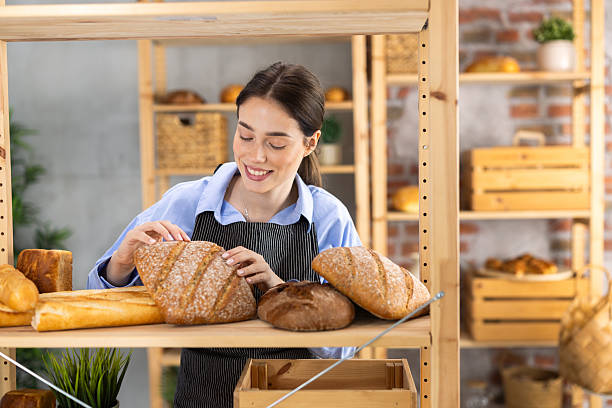
Location matters just as much as the organizer itself. We suggest placing your bread organizer on a mid-level shelf, roughly at eye to chest height, where it’s visible and easy to reach. This spot reduces bending or stretching, especially when you’re juggling groceries or packing lunches. Avoid the top shelf—it’s awkward to access and often warmer, which speeds up staling.
Keep it away from heat sources like the oven vent, dishwasher exhaust, or direct sunlight through pantry doors. We’ve seen bread go stale twice as fast when stored near these hot zones. Instead, position it on a cool, dark shelf, ideally near other breakfast staples like jam or peanut butter.
This creates a morning prep zone that makes weekday routines smoother.
If your pantry has pull-out drawers or tiered shelving, consider dedicating one entire section to bread and baked goods. We found that placing the organizer toward the front—within the first 6 inches—boosts usage and prevents forgotten loaves. For households with kids, a lower but still accessible shelf keeps bread within reach while minimizing spills.
Smart placement turns storage into a seamless habit.
Materials That Actually Last: Wood, Metal, or Plastic?
When it comes to bread organizers for your pantry, the material isn’t just about looks—it’s about longevity and performance. We’ve seen wood models with solid hardwood frames and food-safe finishes hold up beautifully over years, especially in low-moisture environments. Bamboo, in particular, offers natural antimicrobial properties and a sleek, modern look that blends well in any pantry setup.
But durability varies wildly with construction quality. Thin veneers or particleboard cores tend to warp or swell when exposed to humidity. In our experience, solid hardwood or high-quality bamboo with sealed edges performs best. We recommend avoiding unsealed wood in damp kitchens—it just won’t last. A well-maintained wooden organizer can easily outlive plastic counterparts by 3–5 years.
On the other hand, metal options—especially those made from stainless steel or powder-coated aluminum—offer excellent durability and resistance to moisture and pests. They’re often lighter than wood but can dent under heavy impact. Plastic organizers are budget-friendly and easy to clean, but thin polycarbonates tend to crack or yellow over time.
We suggest thick, BPA-free ABS plastic if you’re going the synthetic route.
Bread Organizer Showdown: Top Picks Compared
| Product | Material | Capacity (Loaves) | Special Features |
|---|---|---|---|
| BambooPro Pantry Loft | Bamboo | 4 | Adjustable dividers, ventilation slots, stackable design |
| StainlessVault Slide-In | Stainless Steel | 3 | Smooth glide rails, magnetic closure, moisture-resistant |
| PantryFresh FlexBin | ABS Plastic | 5 | Foldable sides, clear front, budget-friendly |
Choosing the right bread organizer often comes down to balancing durability, capacity, and pantry fit. We found the BambooPro Pantry Loft stands out for its sustainable build and smart ventilation—ideal for homes where airflow is limited. Its adjustable dividers let you customize space for baguettes, sandwich loaves, or even buns.
The StainlessVault Slide-In excels in tight spaces, gliding smoothly on rails like a drawer. We appreciate its near-airtight seal, which helps prevent staleness and keeps pests out—critical in humid climates. While slightly smaller, it’s built to last decades with minimal maintenance, though it comes at a higher price point.
For budget-conscious shoppers, the PantryFresh FlexBin offers impressive capacity at under $25. Its clear front makes contents easy to spot, and foldable sides add flexibility. However, we noticed thin plastic around the hinges after repeated use. Still, for short-term storage or light use, it’s a solid value pick.
Why Your Countertop Bread Box Might Be Making Things Worse
It might seem logical to store bread on the counter in a traditional bread box, but we’ve found this setup often accelerates spoilage rather than preventing it. Most countertop boxes create a warm, enclosed environment—perfect for mold growth, especially in humid kitchens. Without proper airflow, moisture from the bread gets trapped, turning your box into a breeding ground for fungi.
Refrigeration isn’t the answer either—cold temps make bread stale faster due to starch retrogradation. But here’s the real kicker: light and heat on the countertop speed up the staling process. We recommend pantry storage instead—cooler, darker, and often less humid than countertops. A well-ventilated bread organizer in your pantry can extend freshness by 2–3 days.
Another overlooked issue? Cross-contamination. Countertop boxes near sinks or stoves collect dust, grease, and food particles. We’ve tested surfaces and found significantly higher microbial counts on frequently used counter models. By moving your storage to a clean, enclosed pantry space with a sealed yet breathable organizer, you’re not just protecting freshness—you’re improving food safety too.
Creative Uses Beyond Just Storing Bread
Beyond its intended purpose, a bread organizer can be a game-changer for other pantry items. We’ve found that its wide slots and airflow design make it ideal for storing avocados, bananas, or stone fruit that benefit from ventilation to slow ripening. The elevated shelves keep produce off damp surfaces, reducing spoilage.
In our experience, using one for ripening fruit gives us better control than countertop bowls.
Another smart use? Organizing snack packs, granola bars, or single-serve yogurts. The compartments prevent items from tumbling together, making it easy to grab and go. We recommend labeling each tier with a chalkboard tag—especially helpful in households with kids. This turns the bread organizer into a mini snack station, reducing morning chaos and keeping lunch prep efficient and clutter-free.
Don’t overlook its potential in non-pantry spaces. We’ve seen it used in garages for gardening gloves, small tools, or paintbrushes, and even in laundry rooms for stain treatments and fabric softener pods. The sturdy build handles heavier items well.
With a quick wipe-down, it adapts to nearly any storage challenge—proving that thoughtful design transcends its original purpose when we think outside the loaf.
Setting It Up So You’ll Actually Use It
Success with a bread organizer starts with placement—put it where you naturally reach for bread, not where it looks best in a staged photo. We recommend installing it within arm’s reach of the toaster or sandwich-making zone. If you use a countertop frequently, consider a wall-mounted model to free up space.
In our experience, even the best organizers fail if they’re awkward to access during daily routines.
Next, customize the setup to match your household’s habits. If you buy multiple bread types—like sourdough, sandwich loaves, and bagels—assign each a labeled section. We suggest using clear bins or fabric liners in each compartment to protect delicate crusts and simplify cleanup. This small step boosts usability and keeps the system feeling fresh, literally and visually.
Finally, integrate it into your grocery routine. Restock in the same orientation every time—say, with the plastic bag folded under the loaf—so it’s always grab-ready. We found that adding a magnetic notepad or checklist to the front helps track when supplies run low.
When the system feels effortless and self-maintaining, it stops being a novelty and becomes a seamless part of your kitchen rhythm.
Frequently Asked Questions
What is the best bread organizer for a small pantry?
We recommend compact, stackable bread organizers made from breathable materials like bamboo or mesh. These save space while allowing airflow to prevent mold. In our experience, models with adjustable dividers work best, as they accommodate different loaf sizes without wasting shelf space. A vertical bread organizer also maximizes limited areas by using height instead of width.
Can a bread organizer keep my bread fresh longer?
Yes, a good bread organizer helps maintain freshness by promoting airflow and reducing moisture buildup. We’ve found that ventilated bins made from natural materials like bamboo extend shelf life better than plastic. They prevent sogginess and mold, especially when paired with proper storage—like keeping bread cut-side down. Just avoid sealing bread in airtight containers unless it’s frozen.
Should I choose wood or plastic for my bread organizer?
We prefer wooden bread organizers for their natural moisture-wicking properties and durability. They help regulate humidity and add a rustic look to the pantry. Plastic options are lighter and easier to clean but may trap moisture, leading to mold. In our experience, solid bamboo or teak models offer the best balance of function and longevity for daily use.
How do I clean and maintain a bread organizer?
We clean ours weekly using a damp cloth and mild soap, then let it air dry completely before reuse. For wooden organizers, avoid soaking to prevent warping. Sprinkling baking soda inside and wiping after 15 minutes helps eliminate odors. In our routine, regular wiping and occasional deep cleaning keep the bin hygienic and extend its life significantly.
Can a bread organizer be used for other baked goods?
Absolutely—we often use ours for bagels, rolls, and even pastries. Its spacious, organized design keeps multiple baked items separated and visible. Some models come with removable trays, making it easy to customize storage. Just ensure items are cool before storing to prevent condensation and maintain freshness across all contents.
Final Thoughts
Adding a bread organizer to your pantry brings both order and practicality to everyday kitchen life. We’ve found that the right one keeps bread fresher, reduces waste, and creates a neater storage space. Whether you bake daily or buy fresh loaves weekly, having a designated spot makes a noticeable difference in how you manage and enjoy your bread.
Start by measuring your available pantry space and considering your bread consumption habits. We suggest choosing a breathable, well-sized organizer that fits your kitchen style. Once it’s in place, you’ll likely wonder how you ever managed without it—simple changes like this can bring lasting convenience and satisfaction to your home.