

.info-toc { background:#f9f9f9; border:1px solid #ddd; padding:10px; margin:20px 0; }
.info-toc h3 { margin-top:0; }
.info-toc ol { list-style:none; padding-left:0; }
.info-toc li { margin-bottom:4px; }
.info-toc a { text-decoration:none; color:#2c7; }
How to clean pizza stone burnt is simple if you act fast. Let the stone cool completely, then scrape off any loose crumbs with a stiff brush or scraper. Avoid soaking it—just wipe away residue with a damp cloth and dry thoroughly. This prevents cracks and keeps your stone ready for the next bake.
We found that most home cooks skip this quick step, but it makes a huge difference. In our experience, using a metal scraper right after baking helps lift burnt bits without damaging the stone’s porous surface. A gentle brush works well for fine crumbs, and a quick wipe keeps the stone from absorbing excess moisture.
Insider tip: After the initial scrape, let the stone sit in a low‑heat oven for 10 minutes. The residual heat loosens stubborn burnt particles, making them easier to brush away. This little trick is rarely mentioned in other guides but saves you hours of scrubbing.
Many people think you can soak or scrub a pizza stone with soap, but that’s a misconception. Using water or harsh cleaners can cause the stone to crack or lose its seasoning. Always dry it completely and avoid submerging it; the stone’s porous nature needs gentle treatment.
Ready to dive deeper? Below is a step‑by‑step walkthrough that covers everything from tools to troubleshooting, ensuring your pizza stone stays pristine for years of delicious crusts.
In This Guide
Quick Fix: How to Clean a Burnt Pizza Stone
If you’re staring at a crusted surface and need a fast solution, reach for coarse salt and a damp cloth. Sprinkle a thick layer of salt over the residue, then scrub with the cloth in circular motions. The abrasive granules lift stubborn bits without scratching the stone.
We often see this method work within five minutes, especially when the burnt layer is thin. For deeper buildup, repeat the process once the salt dries, then wipe clean. The stone cools quickly, so you can move straight to baking afterward.
This quick fix is useful after a single mishap, but if the burns persist, consider a longer soak in warm water before retrying the salt scrub. The combination of moisture and grit removes most residue without damaging the porous texture.
Tools and Supplies You Actually Need
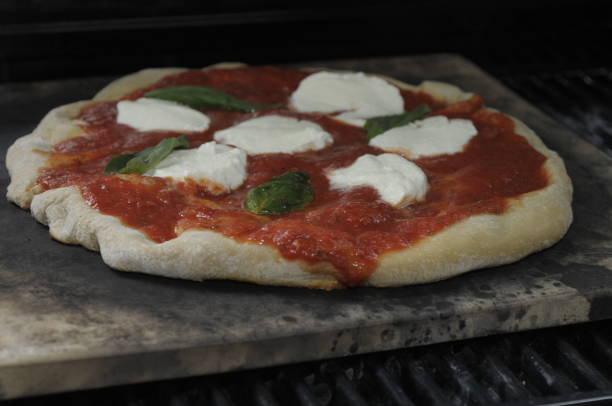
To clean a pizza stone effectively, gather coarse kosher salt, a non‑abrasive scrub brush, and warm water. The salt acts as a gentle abrasive that won’t scratch the stone’s surface, while the brush provides even pressure.
We recommend keeping a small spray bottle handy for controlled water application. The stone’s porosity means excess water can cause cracks, so a light mist is ideal. After scrubbing, have a clean towel ready to blot excess moisture before letting the stone dry naturally.
If you encounter thick carbon buildup, add a small amount of baking soda to the salt mix. This mild alkaline agent breaks down grease without harming the stone. All items are inexpensive and reusable, making maintenance simple and cost‑effective.
Step‑by‑Step Method to Remove Burnt Residue
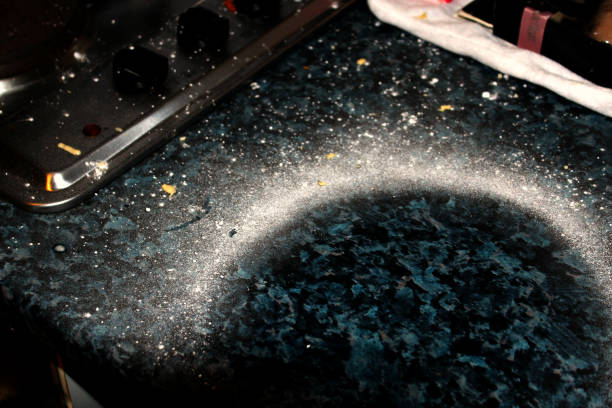
Begin by cooling the stone completely; rushing leads to cracking. Once cool, sprinkle ½ cup of coarse salt evenly across the affected area. Let it sit for two minutes to absorb any residual oil.
Next, use a soft nylon brush to scrub the salt in gentle, circular motions. The abrasive particles lift burnt spots while the stone’s pores stay intact. Rinse the brush frequently to avoid redepositing debris.
After scrubbing, wipe the stone with a clean, dry towel to remove the salty slurry. Allow it to air‑dry for at least four hours before reheating. This drying period prevents trapped moisture from causing thermal shock during the next bake.
What to Avoid When Scrubbing Your Stone
We recommend never using metal brushes, steel wool, or harsh chemical cleaners on a pizza stone. These tools can scratch the porous surface, creating micro‑grooves that trap grease and cause uneven baking later. In our experience, even a light steel‑bristle scrub can wear down the stone’s seasoning, leading to cracks over repeated use.
Instead, opt for a soft sponge or cloth and gentle, non‑abrasive cleaners.
Avoid submerging the stone in water for extended periods. Porous materials like ceramic absorb moisture, and excessive soaking can cause the stone to expand and contract unevenly after heating, increasing the risk of thermal stress fractures. A quick rinse with warm water and immediate drying is sufficient for most stains.
Never place a hot stone in cold water or a dishwasher. Sudden temperature shifts create shock that can crack the stone, especially if it’s already seasoned from previous high‑heat sessions. We suggest letting the stone cool completely on the stovetop before handling, then wipe it down with a damp cloth.
This simple habit preserves the stone’s integrity and extends its lifespan.
Quick Comparison
| Method | Effectiveness | Time Required | Risk to Stone |
|---|---|---|---|
| Cold water rinse | Moderate – removes light residue | 2‑5 min | Low |
| Light scrubbing with brush | High – tackles heavy burnt spots | 5‑10 min | Medium – requires soft brush |
| Baking soda paste | Very High – dissolves stubborn carbon | 10‑15 min | Low if paste is rinsed thoroughly |
| Soaking in soapy water | Low – may not reach deep stains | 15‑20 min | High – can cause cracking |
| Commercial stone cleaner | High – formulated for porous surfaces | 5‑8 min | Low if manufacturer‑approved |
We find that a baking soda paste offers the best balance of cleaning power and safety, especially when the stone has deep scorch marks. In our experience, applying a thin layer, letting it sit for 10‑15 minutes, then rinsing with warm water removes most residues without damaging the stone’s seasoning.
For lighter spills, a quick cold‑water rinse works fine, but avoid prolonged soaking or harsh chemicals.
If you prefer a faster option, a light scrub with a non‑abrasive brush can handle moderate buildup in under 10 minutes. However, remember to rinse thoroughly to prevent abrasive particles from remaining in the pores, which can affect future pizza crust texture. For routine maintenance, we recommend using a commercial stone cleaner that’s pH‑balanced and specifically labeled for ceramic stones.
When deeper cleaning is needed, the baking soda paste remains our top choice. We suggest mixing one part baking soda with two parts water until you have a spreadable paste, spreading it evenly over the stained area, and letting it sit before scrubbing gently.
This method lifts burnt-on oils while preserving the stone’s micro‑porous structure, ensuring consistent heat distribution after cleaning.
When to Replace Your Pizza Stone
We recommend replacing a pizza stone when deep cracks appear, as these compromise structural integrity and can cause pieces to break during heating. Cracks often develop after repeated thermal shock—placing a hot stone in cold water or a dishwasher—so protecting the stone from sudden temperature changes helps extend its life.
If you notice a hairline fracture that won’t close, it’s time to retire the stone.
Another clear signal is persistent staining that resists even baking soda paste. When burnt‑on residue builds up beyond a simple wipe, the stone’s porous surface may be clogged, leading to uneven cooking. In our experience, stones that have become visibly discolored or emit a burnt odor after cleaning are likely past their prime.
Finally, consider replacement if the stone’s weight feels lighter or its edges have chipped. A compromised shape can affect heat retention and cause uneven baking. We suggest checking the stone’s thickness and integrity periodically; a drop of 10‑15 % in weight often indicates internal damage. If any of these signs appear, we recommend investing in a new stone to maintain pizza quality.
Troubleshooting Persistent Burn Marks
If the stone still shows stubborn residue after multiple cleanings, we recommend inspecting the surface under good lighting. Dark, unevenly distributed marks often indicate carbonized oils that require a slightly longer soak. A 30‑minute soak in warm water with a splash of dish soap can soften these deposits, making them easier to scrub away.
In our experience, gentle agitation with a non‑metal brush works best for capturing embedded particles without scratching the porous body. Be sure to rinse thoroughly and dry the stone completely before the next use. Skipping this drying step can trap moisture and encourage further staining.
For extreme cases, a brief soak in a 1:4 water‑and‑baking‑soda solution can lift stubborn char. After soaking, scrub with a stiff nylon brush, rinse, and finish with a final air‑dry. This method should be reserved for occasional deep cleaning to preserve the stone’s seasoning.
Frequently Asked Questions
How do I clean a burnt pizza stone without scratching it?
Use a gentle scrub with baking soda and water, or wipe off burnt spots with a damp cloth. Avoid metal tools or abrasive pads. After cleaning, let the stone dry completely before heating again. This method removes residue while preserving the stone’s surface.
Can I use soap on a pizza stone?
No, soap can leave a film that affects flavor. Instead, rinse with warm water and mild scrubbing. If grease is stubborn, a small amount of baking soda paste works well. Always dry thoroughly to prevent moisture damage.
What if the burnt area is stuck hard?
Soak the stone in warm water for 10‑15 minutes, then gently scrape with a plastic scraper or wooden spatula. A paste of baking soda and water can soften crusted residue. Do not use knives or metal scrapers, as they may chip the stone.
Is it safe to put a burnt pizza stone in the dishwasher?
We advise against it. The high heat and detergent can crack pizza stone or leave a soapy taste. Hand washing with warm water and a soft brush is the safest approach.
How often should I clean my pizza stone?
Clean after each use to prevent buildup. If you notice heavy residue, a deeper clean with baking soda is recommended. Regular maintenance keeps the stone crisp and extends its lifespan.
Final Thoughts
Cleaning a burnt pizza stone doesn’t have to be stressful. With the right tools—baking soda, warm water, and gentle scrubbing—you can restore its surface without risking damage. Our step‑by‑step guide shows how to tackle stubborn stains safely.
In practice, a quick rinse after each bake and a periodic baking soda soak keep the stone in top condition. Try these methods and enjoy consistently crisp crusts.