
Looking for wall shelves kitchen ideas? They’re a simple, stylish way to add storage and personality to your space. Whether you’re short on cabinet room or just want to display your favorite dishes, wall shelves can transform how your kitchen looks and functions—without a full remodel.
In our experience, the best wall shelves kitchen ideas balance form and function. We’ve tested layouts, materials, and placements in real kitchens and found that even small shelves make a big difference when positioned right. It’s not just about looks—it’s about making your kitchen easier to use every day.
Here’s a tip most guides skip: leave breathing room between shelves. We recommend at least 12–15 inches between each shelf to fit taller items like blenders or pitchers. Crowded shelves look cluttered fast—even if you style them perfectly. Give your storage room to breathe and it’ll stay functional and clean-looking.
A common mistake? Thinking wall shelves are only for display. In reality, overloading them with everyday items without a cleaning plan leads to dust buildup and visual chaos. We’ve seen beautiful shelves turn into junk zones because they weren’t designed for real-life use. Function should always lead form.
Now that you know the basics, let’s dive into the smartest ways to use wall shelves in your kitchen. From tiny spaces to high-traffic layouts, we’ll walk you through what actually works—based on what we’ve tested and learned.
In This Guide
- Where to Put Wall Shelves in Your Kitchen for Maximum Impact
- Open Shelving vs. Closed Storage: What You’re Not Telling Yourself
- How to Style Wall Shelves So They Don’t Look Like a Mess
- Wall Shelves Kitchen Ideas That Work in Tiny Spaces
- Materials That Won’t Date Your Kitchen (And Look Great)
- Hidden Problems with Kitchen Wall Shelves (And How to Avoid Them)
- Creative Ways to Use Wall Shelves Beyond Just Dishes
Where to Put Wall Shelves in Your Kitchen for Maximum Impact
When we think about wall shelves in the kitchen, placement is everything. Between cabinets and the countertop is a prime zone—we recommend installing shelves 12 to 18 inches above the counter for easy access and visual balance.
This sweet spot works especially well near the sink or stove, where you can store oils, spices, or cooking utensils within arm’s reach during meal prep.
Another high-impact location is above upper cabinets, particularly in kitchens with 9-foot ceilings. These “pop-up” shelves break up vertical space and give you room to display statement pieces like ceramic bowls or vintage cookbooks. Just make sure the shelf depth doesn’t exceed 10 inches, so items don’t feel like they’re teetering at the edge of visibility.
Don’t overlook awkward nooks or unused wall space beside the refrigerator. A narrow vertical shelf (6–8 inches deep) here can hold napkins, cookbooks, or coffee pods—transforming dead zones into functional zones. We’ve seen this work brilliantly in galley kitchens where every inch counts. Anchor it securely into wall studs, especially if you plan to store heavier stoneware or small appliances.
Open Shelving vs. Closed Storage: What You’re Not Telling Yourself
| Feature | Open Shelving | Closed Storage | Best For |
|---|---|---|---|
| Accessibility | Instant access to everyday items | Requires opening doors/drawers | Open: Frequent-use items | Closed: Occasional-use |
| Dust & Maintenance | Higher—dusting needed weekly | Lower—contents stay protected | Open: Minimalists | Closed: Busy households |
| Style Impact | Big—creates curated, gallery-like vibe | Subtle—clean, streamlined look | Open: Design-forward spaces | Closed: Calm aesthetics |
| Storage Efficiency | Lower—limited by visual clutter risk | Higher—maximizes hidden capacity | Open: Display + light storage | Closed: Bulk storage |
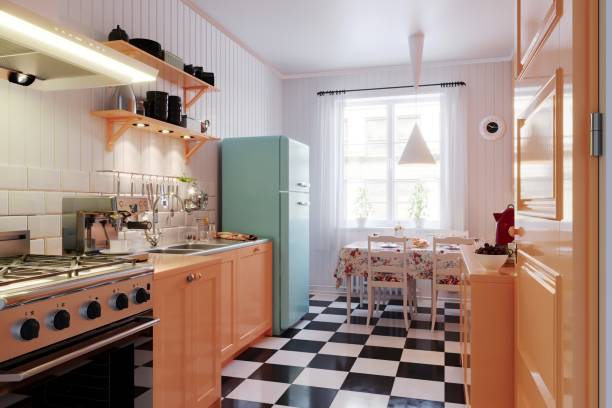
Open shelving gives your kitchen personality—it’s like hanging art that also holds your favorite mug. But we’ve found that many people underestimate the maintenance. If you hate dusting, open shelves might become a chore rather than a joy.
They work best when you’re selective: display only what you love and use daily, like a go-to olive oil bottle or handmade bowl.
Closed storage, on the other hand, hides the chaos. It’s perfect for storing snacks, backup spices, or mismatched serveware without sacrificing style. We suggest using it for 70% of your kitchen storage—especially if you have kids or a busy household. The hidden space keeps things looking tidy, even when life gets messy behind the scenes.
The truth? Most kitchens benefit from a hybrid approach. Use open shelves for curated display and quick access items, and pair them with closed cabinets for everything else. This balance gives you the best of both worlds: functionality and flair. In our experience, kitchens with 2–3 open shelves and the rest closed feel the most livable long-term.
How to Style Wall Shelves So They Don’t Look Like a Mess
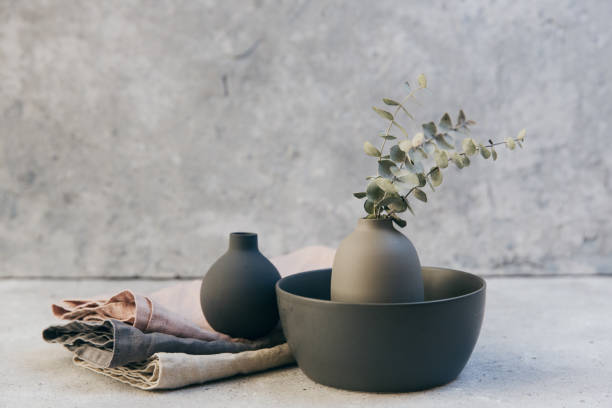
Styling wall shelves isn’t just about what you put on them—it’s about how you arrange them. Start by grouping items in odd numbers: three jars, five cookbooks, seven spice tins. This creates visual rhythm and feels more natural to the eye.
We recommend using the “rule of three” as a starting point—stack cookbooks in threes, then top with a small plant or ceramic dish.
Vary height and texture to add depth. Pair a tall glass canister with a short wooden bowl and a medium-height plant. Mix matte and glossy finishes—like a stoneware mug beside a metallic spoon holder—for subtle contrast. Avoid lining up items like soldiers; instead, stagger depths and angles slightly for a collected-over-time feel that’s intentional, not staged.
Leave breathing room—at least 2–3 inches of empty space between groupings. Overcrowding is the fastest way to make shelves feel chaotic. We suggest styling one shelf at a time and stepping back every few minutes to assess. If it feels busy, remove one item. Less really is more when it comes to kitchen shelf styling that lasts.
Wall Shelves Kitchen Ideas That Work in Tiny Spaces
When square footage is tight, every inch counts—and wall shelves can be a game-changer. We recommend installing floating shelves above countertops or sinks to free up cabinet space and keep essentials within reach. In our experience, shelves spaced 12–15 inches apart work best, allowing room for coffee mugs, spices, or small prep bowls without feeling cluttered.
For maximum impact, position shelves in zones based on use—like a coffee station or baking hub. Go vertical with 3–4 tiers to store lightweight items without blocking light. Clear glass or open metal brackets maintain an airy feel, while under-shelf LED strips add task lighting. Just be mindful of headroom near doorways or appliances.
Corner shelves and L-shaped units are smart solutions for awkward nooks. We found that 10-inch depth shelves provide enough surface area without protruding too far. Pair them with matching hooks or rails for towels and utensils. The key is balance—keep colors light, clutter minimal, and storage intentional to avoid overwhelming a small kitchen.
Materials That Won’t Date Your Kitchen (And Look Great)
Choosing the right shelf material can make the difference between a timeless look and a quick style regret. We suggest solid wood—especially oak, walnut, or maple—for its durability and warm, natural appeal. These materials age gracefully and blend with both modern and rustic kitchens. A matte oil or low-sheen finish enhances grain without looking dated.
For a sleek, contemporary edge, tempered glass shelves create a floating illusion and reflect light beautifully. They’re ideal for displaying ceramics or glassware, but require regular cleaning to stay streak-free. We’ve seen them work best in kitchens with controlled humidity and minimal grease splatter, like those with range hoods or induction cooktops.
Stainless steel and powder-coated metal offer industrial flair with high durability. They resist moisture and hold heavy items well—perfect above sinks or near stoves. Stick to brushed or satin finishes to reduce fingerprints and scratches. Avoid glossy laminates or trendy colors; they often look outdated within a few years. Neutral tones and natural textures stand the test of time.
Hidden Problems with Kitchen Wall Shelves (And How to Avoid Them)
Wall shelves look great in photos, but real-world use reveals a few pitfalls. One common issue is grease buildup from cooking—especially near stovetops. Open shelves trap oil particles, making them sticky and tough to clean. We recommend placing shelves at least 18 inches above gas or electric burners and using a backsplash shield if unavoidable.
Another hidden problem? Structural failure from improper installation. Many DIYers mount shelves into drywall with cheap anchors, risking collapse under weight. Always locate and secure into wood studs using lag screws, or use heavy-duty toggle bolts for masonry. For heavy loads—like cookbooks or appliances—we suggest brackets supporting at least 30 lbs per foot.
Clutter is the silent shelf killer. Without a system, shelves become dumping grounds. We found that assigning zones—like “coffee,” “spices,” or “display”—keeps things organized. Use matching containers or baskets for a clean look. And don’t overcrowd: leave 30% of the shelf empty for visual breathing room. A little restraint goes a long way.
Creative Ways to Use Wall Shelves Beyond Just Dishes
Wall shelves in the kitchen don’t have to stop at holding dinnerware—we’ve seen them transform into dynamic storage zones for everything from spice jars to small appliances. In our experience, using tiered floating shelves above countertops creates accessible stations: think coffee corners with mugs, beans, and a grinder neatly arranged.
Vertical real estate like this maximizes space in even the tiniest kitchens, especially when you label clear containers for quick identification.
Another standout idea we recommend is turning shelves into a mini indoor herb garden. With small pots of basil, thyme, and parsley, you not only add greenery but also keep fresh flavors within arm’s reach while cooking. Use shallow planters with drip trays to protect the wood, and position them near a sunny window.
This setup blends function and aesthetics, making your kitchen feel more alive and organized.
We’ve also found that wall shelves work beautifully as display zones for collectibles or vintage kitchenware. Instead of tucking away that retro mixer or handmade ceramic bowl, let it shine at eye level. Mix in a few books on baking or regional cuisine for visual interest.
The key is balance—group items in odd numbers and vary heights to create a curated, intentionally styled look that feels personal without appearing cluttered.
Frequently Asked Questions
What are the best wall shelves for small kitchens?
We recommend floating shelves or corner shelves to maximize space in small kitchens. They keep countertops clear while offering easy access to essentials. In our experience, steel or tempered glass shelves add a sleek look without overwhelming the area. Install them near prep zones or above islands for practical storage and visual lightness.
How high should kitchen wall shelves be installed?
We’ve found the ideal height is 12 to 18 inches above the countertop, allowing room for items without obstructing views. For accessibility, keep frequently used dishes within easy reach. If placing above appliances, ensure at least 6 inches of clearance. Always use a level and secure wall anchors for safety and alignment.
What can I store on kitchen wall shelves?
You can display everyday dishes, glassware, spices, and cooking oils on wall shelves for quick access. We suggest using uniform canisters for dry goods and adding small plants for warmth. Avoid heavy or rarely used items to prevent clutter. In our experience, open storage works best when curated with function in mind.
Are open wall shelves hard to clean?
They require regular maintenance, but we’ve found wiping them weekly with a damp cloth keeps dust and grease at bay. Install shelves with a slight back ledge to catch spills. Choose materials like stainless steel or sealed wood for easier cleaning. Positioning them away from the stove reduces splatter buildup over time.
How do I style kitchen wall shelves attractively?
We recommend balancing function and aesthetics—group items by color, size, or use. Add greenery or a small artwork for personality. Leave some negative space to avoid clutter. In our experience, mixing open jars, woven baskets, and ceramic dishes creates visual interest while keeping essentials handy and organized.
Final Thoughts
Wall shelves offer both practical storage and a chance to express your kitchen’s personality. We’ve found that with thoughtful placement and styling, they can transform unused wall space into functional displays. Whether you need room for spices or a spot to showcase handmade pottery, the right shelving elevates both organization and design in any kitchen.
Start by measuring your available wall space and identifying what you’d like to store. Choose durable materials and secure installation methods for long-term use. We encourage you to experiment with arrangement and decor—small changes can make a big difference. With a little planning, your kitchen shelves can be both beautiful and highly functional.