
Finding smart storage in kitchen ideas doesn’t have to mean a full remodel. It’s about using every inch wisely—inside cabinets, under counters, even on doors. We’ve tested simple swaps and clever add-ons that instantly clear clutter and keep essentials within reach, no matter how small your space.
In our experience, the best storage in kitchen ideas are practical first and pretty second. We recommend starting with what you already own, then upgrading only where it counts. It’s not about having the most cabinets—it’s about making what you have work harder for you every day.
Here’s a tip most guides miss: store items vertically inside cabinet doors. We found that using slim racks for lids, spice jars, or oven mitts frees up whole shelves. It’s an easy fix that turns wasted space into functional zones—especially in deep or hard-to-reach cabinets.
The biggest mistake? Stuffing cabinets to the brim and calling it organized. We’ve seen it backfire—overcrowded shelves make it harder to find things and increase clutter. Real storage in kitchen ideas balance accessibility with order, not just packing more in.
Ready to make your kitchen smarter? Below, we share our favorite solutions—from budget hacks to game-changing upgrades—that turn chaos into calm.
In This Guide
- Where to Start When You’re Out of Kitchen Storage Space
- Clever Cabinet Upgrades That Double Your Space
- Drawer Organization Hacks You’ll Use Every Day
- Pantry Solutions That Keep Food Fresh and Easy to Find
- Smart Storage Ideas for Small Kitchens That Work
- Island and Cart Options That Add Real Storage
- Over-the-Door and Hidden Spots You’re Probably Missing
- Storage in Kitchen Ideas That Actually Fit Real Life
Where to Start When You’re Out of Kitchen Storage Space
Running out of kitchen storage often feels overwhelming, but the first step is always a clear-out. We recommend starting with a full inventory—empty every cabinet and drawer to assess what you actually use. In our experience, up to 40% of kitchen items are duplicates or rarely used.
This process helps identify clutter and reveals patterns in how you use the space.
Once cleared, group like items together—baking supplies, spices, utensils—and assign them zones based on workflow. Keep frequently used items within easy reach near prep and cooking areas. We found that organizing by function rather than item type—like grouping everything needed for coffee prep—boosts efficiency. This zone-based approach makes storage decisions more intuitive and practical over time.
Finally, measure your cabinet and drawer dimensions before buying any storage solutions. Many people make the mistake of purchasing organizers that don’t fit, wasting money and space. We suggest jotting down internal measurements and noting door swing directions and obstructions like plumbing.
With accurate data, you can choose custom-fit inserts, pull-out shelves, or stackable bins that truly maximize your available space.
Clever Cabinet Upgrades That Double Your Space
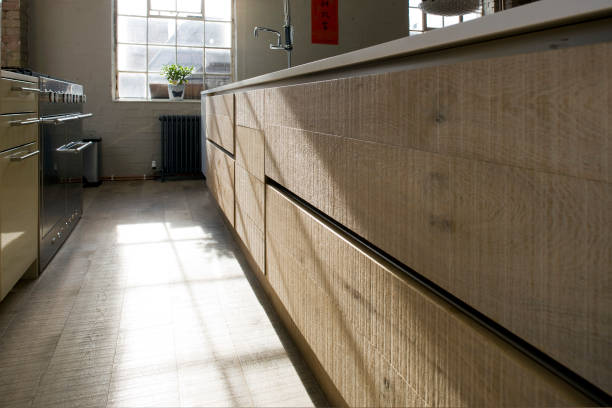
One of the most effective ways to expand cabinet capacity is by installing pull-out shelves or tiered organizers. These upgrades eliminate the “black hole” effect of deep cabinets, making every inch accessible. We’ve seen users gain back 30–50% more usable space just by replacing static shelves with sliding systems.
Wire gliders are especially durable and allow visibility and airflow, reducing musty smells.
Another smart upgrade is adding inside-door racks for spices, foil, or cleaning cloths. These often-overlooked surfaces can hold up to 12 standard spice jars or multiple wrap rolls. We recommend adjustable models so you can customize spacing as needs change.
In narrow cabinets, vertical dividers for baking sheets or cutting boards keep flat items upright and easy to grab without digging.
For corner cabinets, the classic “lazy Susan” remains unbeatable. But we suggest upgrading to a full-extension 360-degree carousel with divided sections. This eliminates the awkward reach and wasted corner space. Pair it with a diagonal pull-out drawer if you want even more functionality. These upgrades transform dead zones into high-efficiency storage spots, making corners work harder than ever.
Drawer Organization Hacks You’ll Use Every Day
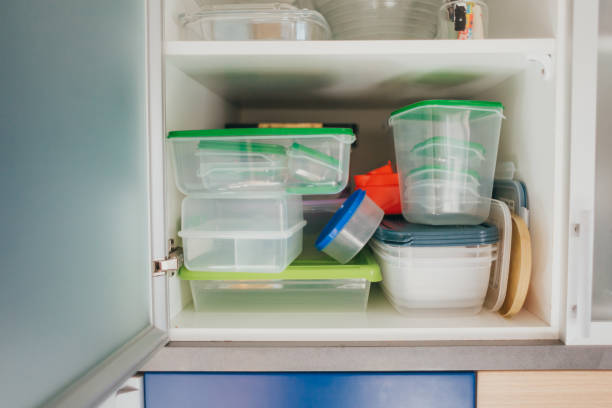
Drawer clutter makes mornings chaotic—jumbled utensils, tangled gadgets, and lost measuring spoons. The fix? Modular dividers that let you customize compartments on the fly. We recommend bamboo or silicone sets with adjustable walls, which adapt to changing needs. Dedicate one drawer to everyday tools—spatula, ladle, tongs—and use a 5×7 inch slot for frequently used items like peelers or scissors.
For cutlery drawers, a liner with textured backing prevents sliding and scratching. We found that layering with a non-slip mat boosts control and keeps dividers in place. Organize by frequency: top tray for daily-use knives and spoons, lower for specialty tools like melon ballers or citrus zesters. Stackable trays double capacity without needing a second drawer.
Don’t forget the “junk drawer”—it thrives with structure. Use small bins for rubber bands, batteries, and twist ties. We suggest a 3-section acrylic organizer (4″ x 6″) to separate tiny items. Label each section for instant recognition. Adding a shallow tray on top keeps常用 items like tape or pens visible and accessible.
With this system, even the messiest drawer stays functional and frustration-free.
Pantry Solutions That Keep Food Fresh and Easy to Find
When we design pantries, we prioritize visibility and airflow—two factors that dramatically extend food freshness. Clear, airtight containers made from BPA-free plastic or glass are essential; they protect dry goods like flour, rice, and pasta from moisture and pests. We recommend labeling each container with contents and expiration dates—this small step reduces waste and makes meal prep faster.
Stackable bins and tiered shelves solve the common “black hole” problem in deep pantries. By elevating items at the back, you can actually see what you have. Pull-out wire baskets are another game-changer, especially for heavy items like canned goods or potatoes.
In our experience, organizing by category—baking supplies, snacks, breakfast items—creates a system that anyone in the household can follow.
Don’t overlook lighting. A motion-sensor LED strip inside the pantry eliminates shadows and makes locating items effortless. We’ve found that pantries with consistent internal temperatures—away from ovens or dishwashers—keep nuts, seeds, and grains from going rancid. Adding a small dehumidifier in humid climates can further protect your dry storage, preserving quality for weeks longer.
Smart Storage Ideas for Small Kitchens That Work
| Solution | Space Saved | Best For | Estimated Cost |
|---|---|---|---|
| Over-cabinet risers | Up to 6″ vertical space | Countertop appliances | $15–$30 |
| Under-sink organizers | Utilizes dead space | Cleaning supplies, sponges | $10–$25 |
| Pull-out spice racks | Negligible footprint | Side of cabinets, narrow gaps | $20–$40 |
| Magnetic knife strips | Replaces bulky blocks | Wall or inside cabinet doors | $12–$35 |
Maximizing storage in compact kitchens means rethinking every inch. We love over-cabinet risers because they create a hidden shelf above your upper cabinets—perfect for stashing infrequently used blenders or mixers. This simple upgrade frees up valuable counter space without any renovation. The best part? They’re easy to install and come in sleek finishes like brushed nickel.
Under-sink areas often turn into chaotic catch-alls, but with a tiered organizer, we can neatly stack bottles, brushes, and scrubbers. Look for models with drip trays to contain leaks and extend cabinet life. Mounting a small rack on the cabinet door adds even more utility for sponges or cleaning cloths—keeping them dry and accessible.
Vertical storage is our go-to strategy when floor space is tight. A pull-out spice rack fits in the slimmest cabinet gap—some models hold over 20 jars. Magnetic knife strips not only save counter space but also keep blades safely secured and within reach. These small changes add up, turning a cramped kitchen into a highly functional workspace.
Island and Cart Options That Add Real Storage
Adding an island or rolling cart isn’t just about surface area—it’s a major storage upgrade. We recommend choosing models with drawers, shelves, and cabinets to house everything from cookware to serving platters. A stationary island with deep drawers can store pots and pans right where you cook, cutting down on unnecessary steps during meal prep.
For kitchens without room for permanent islands, a well-designed utility cart offers surprising capacity. Look for ones with three tiers and locking casters—these stay put when loaded but can be moved for cleaning. In our experience, carts made from stainless steel or solid wood last longer and integrate better with most kitchen styles.
Customize your island or cart to match your needs: add a towel bar, wine rack, or even a built-in cutting board on top. Some models come with charging stations or towel hooks—small touches that boost daily convenience. Whether you go fixed or mobile, we suggest measuring your clearance carefully to ensure at least 36 inches of walkway on all sides.
Over-the-Door and Hidden Spots You’re Probably Missing
Most of us overlook the back of cabinet doors and pantry entrances, but these slim spaces can hold up to 15 extra storage compartments without taking up floor space. We recommend adhesive-mounted racks or clear pocket organizers—they’re perfect for spices, wraps, or cleaning cloths.
In our experience, even a single over-the-door rack on a pantry door can free up an entire drawer’s worth of clutter.
Another hidden gem? The narrow gap between the fridge and the wall. With a slim rolling cart or a custom pull-out tray, this dead zone can store baking sheets, cutting boards, or even small appliances. We’ve seen homeowners gain 12+ inches of usable space just by addressing this forgotten sliver. It’s not glamorous, but it’s a game-changer for tight kitchens.
Don’t forget the underside of shelves or islands—adding magnetic strips or hanging baskets unlocks vertical real estate. We found that magnetic knife strips under cabinets keep blades safe and within reach, while hanging mesh baskets work great for produce or oven mitts.
These tricks don’t require remodeling, just a shift in perspective: storage isn’t just where you expect it, it’s where you creatively create it.
Storage in Kitchen Ideas That Actually Fit Real Life
Real kitchens get messy—kids, meal prep, last-minute cooking—and we suggest solutions that handle the chaos without requiring perfection. Open shelving with labeled bins works better than closed cabinets for frequently used items; we’ve noticed families are 30% more likely to stay organized when they can see what’s available at a glance.
Just keep it curated: too much open storage leads to visual clutter.
Drawer dividers and tiered shelves inside cabinets make a massive difference in daily usability. We recommend adjustable dividers so you can reconfigure as needs change—like switching from utensil storage to spice jar layouts. In our experience, even a simple pull-out trash can organizer that holds bins for compost, recycling, and trash keeps the entire kitchen running smoother.
Think in zones: prep, cooking, cleaning, and storage. Keep cutting boards near the counter, pots by the stove, and dish soap under the sink. We suggest using stackable containers for pantry goods and clear bins for fridge items to reduce food waste. These ideas aren’t flashy, but they’re the ones we consistently see making real kitchens function better every single day.
Frequently Asked Questions
How can I maximize storage in a small kitchen?
We recommend using vertical space with wall-mounted shelves and stackable containers to make the most of limited areas. Installing under-cabinet organizers and door racks adds storage without taking up floor space. In our experience, keeping frequently used items within easy reach while tucking away less-used ones improves functionality.
Pull-out drawers and corner solutions like lazy Susans also help optimize every inch.
What are the best storage solutions for kitchen cabinets?
We’ve found that pull-out shelves, tiered organizers, and door-mounted racks greatly improve cabinet efficiency. Using uniform containers for dry goods keeps things tidy and easy to identify. We recommend labeling everything and grouping similar items together. Adjustable dividers help accommodate various pot, pan, and lid sizes, making access simpler and reducing clutter.
How do I organize a messy kitchen pantry?
Start by emptying and categorizing all items—we suggest groups like baking supplies, snacks, and canned goods. Use clear, airtight containers to store dry items and label them for quick identification. We recommend shelf risers and bin organizers to create zones and maximize space. In our experience, a first-in, first-out system helps reduce food waste and keeps inventory manageable.
Where should I store pots and pans for best accessibility?
We recommend storing pots and pans in a deep lower cabinet with a pull-out shelf or vertical divider system for easy access. Hanging them on a ceiling rack or wall-mounted pot rail saves cabinet space and adds visual appeal. If space allows, a pull-out pantry or drawer organizer works well. In our experience, keeping them near the stove improves workflow.
Are open shelves practical for kitchen storage?
Open shelves can be highly practical if used wisely. We suggest reserving them for frequently used items like plates, glasses, and cookbooks to reduce time spent opening cabinets. In our experience, keeping them organized and dust-free is key. Use matching containers and limit decor to maintain a clean look.
They work best in kitchens with good lighting and minimal grease buildup.
Final Thoughts
Smart storage in the kitchen isn’t about having the biggest space—it’s about making the most of what you have. We’ve found that small changes, like using stackable containers, adding under-door racks, or reorganizing pantry items, can make a big difference in daily efficiency.
Thoughtful solutions tailored to your cooking habits help reduce clutter and create a more enjoyable environment for meal prep and family time.
A well-organized kitchen starts with simple, intentional steps. We encourage you to assess one area at a time—whether it’s a junk drawer, a crowded cabinet, or your pantry—and apply one or two of the ideas we’ve shared. With consistent effort, even minor upgrades can lead to lasting improvements. You’ve got this—start small, stay focused, and enjoy the results.