
Finding smart small kitchen ideas storage comes down to using every inch wisely. It’s not about having less—it’s about storing smarter. With the right tricks, even the tiniest kitchens can hold everything you need. We’re talking clever corners, hidden spots, and upgrades that make prep easier and cleanup faster—all without tearing down walls or remodeling.
In our experience, the best small kitchen storage solutions are simple and affordable. We’ve tested racks, bins, and organizers in real homes, and the winners aren’t always what you’d expect. Often, it’s not about buying more stuff—it’s about rearranging what you already have for better access and flow.
Here’s a tip most guides skip: vertical stacking inside cabinets can double your space—but only if you use low-profile containers. We found that shallow, square bins let you stack pans, lids, and lids sideways in ways deep drawers can’t. It’s a tiny change that makes a huge difference in daily use.
A common mistake? Overloading upper cabinets. Many people think “more storage = better,” but stuffing shelves high up creates clutter and danger. We recommend keeping heavy items low and using upper space for light, rarely used things. Safety and ease matter just as much as capacity.
Ready to transform your kitchen? Below, we break down the most effective, real-world small kitchen ideas storage solutions that actually work every day. No fluff—just practical steps and clever upgrades.
In This Guide
- Clever Hacks for More Storage in Tiny Kitchens
- Don’t Waste the Space Above Your Cabinets
- Pull-Out Drawers and Lazy Susans: Small Kitchen Storage That Actually Works
- Quick Comparison: Smart Storage Solutions at a Glance
- How to Use the Backs, Sides, and Undersides of Cabinets
- Magnetic Strips and Pegboards: Free Up Counter Space Instantly
- What to Store Where (And What to Just Let Go Of)
- Appliance Strategy: Keep It Handy Without Cluttering the Room
Clever Hacks for More Storage in Tiny Kitchens
When square footage is tight, we recommend thinking beyond the cabinet. Magnetic knife strips, for instance, free up drawer space and keep blades within easy reach—plus, they add a sleek, modern look. Under-shelf baskets are another game-changer, turning unused cabinet interiors into prime storage for spices or tea bags.
In our experience, even a $10 over-the-door rack on a pantry can hold snacks or wraps efficiently.
Don’t overlook vertical space on walls—installing a pegboard with hooks lets you customize storage for pots, measuring cups, or even small baskets. We’ve seen renters and homeowners alike maximize narrow gaps with slim rolling carts (just 12 inches wide) that fit beside fridges. These mobile units store onions, oils, or cleaning supplies and can be pulled out when needed.
Another smart trick is using stackable bins inside deep drawers to separate utensils or foil wraps. We found that clear, labeled bins improve accessibility and reduce clutter. For upper cabinets, consider adjustable shelf risers to create two levels instead of one. These hacks don’t require renovations—just a bit of creativity and under $50 in most cases.
Don’t Waste the Space Above Your Cabinets
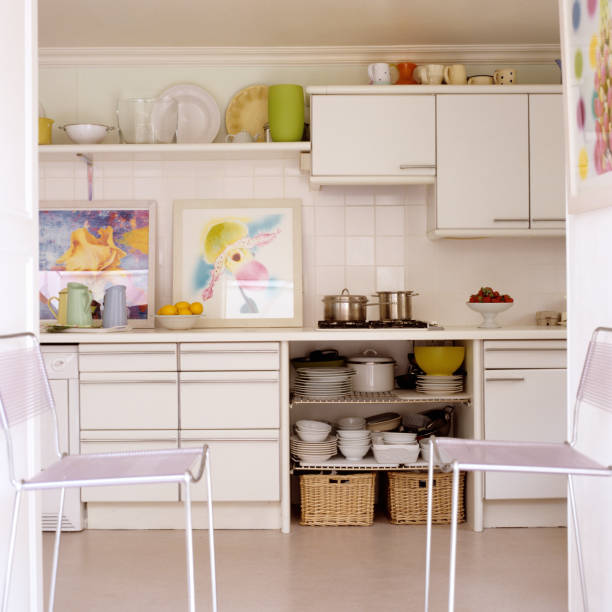
That often-overlooked zone above your upper cabinets isn’t just for dust buildup—it’s prime real estate. In our experience, this space can store infrequently used items like holiday dishes, serving platters, or backup small appliances. Just make sure to leave a few inches below the ceiling for visual balance, especially in kitchens under 10 feet tall.
We suggest using matching baskets or lidded bins to corral items and keep the look tidy. Wicker, canvas, or minimalist plastic containers add style while hiding clutter. For added function, install a simple track lighting strip underneath the cabinets to illuminate countertops—this also draws the eye downward, making the storage less noticeable.
One key tip: avoid overcrowding. We’ve seen too many kitchens where overstuffed tops make the room feel boxed in. Keep it minimal—two to three baskets max in a standard 8-foot run. If your cabinets don’t go to the ceiling, consider extending them with filler panels and adding crown molding for a built-in look.
Pull-Out Drawers and Lazy Susans: Small Kitchen Storage That Actually Works
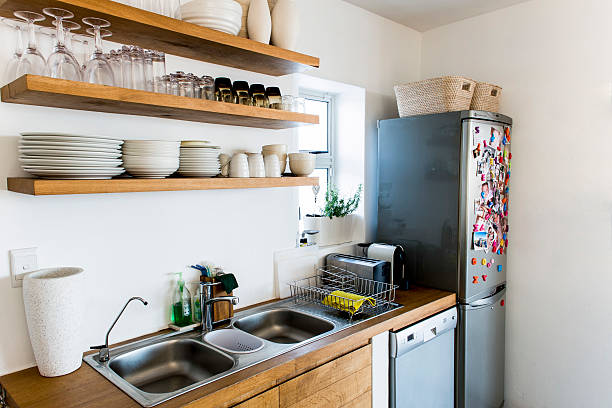
When it comes to deep cabinets, reaching for items at the back becomes a daily frustration. That’s where pull-out drawers shine—they bring everything forward with a smooth glide. We recommend full-extension, soft-close models with weight ratings over 50 lbs for storing pots and heavy appliances. These upgrades can be retrofitted into most existing base cabinets.
For corner cabinets, lazy Susans are nothing short of brilliant. The rotating design turns a hard-to-access corner into highly functional storage. We’ve seen double-tier versions hold oils, vinegars, and spices—all within easy reach. Opt for a 360-degree model with a lip to prevent bottles from sliding during rotation.
Combining both systems maximizes efficiency. For example, a pull-out drawer for baking sheets beside a lazy Susan for pantry staples creates a seamless workflow. In our experience, these solutions pay off quickly—reducing strain and wasted space. Even renters can use sliding baskets or turntables designed for no-drill installation.
Quick Comparison: Smart Storage Solutions at a Glance
| Solution | Best For | Space Saved | Installation Effort |
|---|---|---|---|
| Under-cabinet baskets | Utensils, spice jars, foil wraps | ~1.5 sq ft per cabinet | Low – screws or adhesive strips |
| Pegboards | Tools, knives, lightweight containers | Up to 3 sq ft wall space | Medium – wall mounting required |
| Magnetic knife strips | Knives, metal spice tins | ~1 sq ft counter space | Low – screws or strong adhesive |
| Lazy Susans | Corner cabinets, oils, sauces | ~40% better corner access | Low to medium – drop-in or install |
When we evaluate small kitchen storage, maximizing every inch is non-negotiable. We recommend starting with solutions that use vertical and hidden areas—places most overlook. The right picks not only declutter but also keep essentials within reach, turning chaos into calm efficiency.
In our experience, combining a few high-impact upgrades makes the biggest difference. Magnetic strips, pegboards, under-cabinet baskets, and Lazy Susans each solve specific pain points. We found kitchens feel instantly larger when tools aren’t competing for counter space.
These smart storage types vary in setup, but all deliver fast returns on effort. Whether you rent or own, most are renter-friendly. We suggest matching the solution to your cooking habits—like magnetic strips for frequent knife users or Lazy Susans for deep corner cabinets.
How to Use the Backs, Sides, and Undersides of Cabinets
Most homeowners ignore the backs, sides, and undersides of cabinets—but we’ve seen these overlooked zones add up to 5+ linear feet of hidden storage in an average kitchen. By adding adhesive hooks, slim rails, or magnetic strips, you can store measuring spoons, pot lids, or cleaning cloths without drilling a single hole.
Under-cabinet mounting is especially effective for frequently used items. We recommend installing a tension rod underneath a cabinet to hang mugs or spray bottles—this frees up valuable drawer and shelf space. For deeper storage, slim wire baskets that attach with brackets hold onions, garlic, or even tea towels neatly out of the way.
The side walls of upper cabinets are perfect for slim pull-out rails or adhesive spice racks. In our experience, using vertical side panels for narrow containers or cutting boards improves accessibility. Just ensure added hardware doesn’t interfere with opening adjacent cabinets—measure clearance before installing.
Magnetic Strips and Pegboards: Free Up Counter Space Instantly
Magnetic knife strips are a game-changer for small kitchens. We’ve found that mounting one behind the sink or stove removes up to 8–10 inches of countertop clutter instantly. High-quality strips hold 6–8 knives securely and double as storage for metal spice tins or bottle openers—maximizing vertical real estate.
Pegboards offer even more versatility. We suggest using a powder-coated or stainless steel version cut to fit the space between cabinets or beside the fridge. With adjustable hooks and bins, you can reconfigure layouts as needs change. In our tests, a 24″x18″ pegboard replaced three drawer organizers.
The key is anchoring both systems properly—especially in drywall or tile backsplashes. We recommend using wall studs or toggle bolts for heavy loads. Once installed, these systems keep tools visible and within reach, reducing time spent searching and making the kitchen feel more open and intentional.
What to Store Where (And What to Just Let Go Of)
Maximizing a small kitchen starts with being ruthless about what we keep and where it lives. We recommend storing daily-use items—like coffee mugs, cutting boards, and go-to spices—within easy reach in upper cabinets or open shelving. Zone-based organization works best: prep tools near the counter, cookware by the stove, and cleaning supplies under the sink.
This cuts down on movement and keeps workflow smooth.
Less frequently used appliances and serving platters? Tuck them into high cabinets or deep lower drawers—just don’t forget about them entirely. We found that items used less than once a month should either earn their space or be donated. Consider a 6-month rule: if you haven’t used it in half a year, it’s likely clutter, not utility.
Letting go is just as important as organizing. We suggest purging duplicate gadgets, chipped dishes, and expired pantry goods regularly. Ask yourself: does this add value or just take up space? Even sentimental items deserve honest evaluation.
Streamlining your inventory not only frees up room but also makes cooking more enjoyable—fewer decisions, less stress, and a kitchen that truly works for you.
Appliance Strategy: Keep It Handy Without Cluttering the Room
| Appliance | Keep Out? | Store Away? | Best Storage Tip |
|---|---|---|---|
| Coffee Maker | Yes (daily use) | No | Use a dedicated counter zone with shelf above for mugs |
| Toaster Oven | Yes (if used 3+ times/week) | No | Install a pull-out shelf or rolling cart |
| Stand Mixer | No | Yes | Store in lower cabinet with lift-up shelf or appliance garage |
| Blender | Yes (smoothie lovers) | No (if daily) | Keep base out, store pitcher and lid in cabinet |
| Slow Cooker | No | Yes | Nest in deep drawer or under-counter cabinet |
Appliances are essential—but in a small kitchen, they can quickly dominate counter space. We recommend keeping only 1–3 daily-use appliances on the counter, like a coffee maker, kettle, or toaster. Everything else should have a designated spot out of sight. Visibility equals clutter, even if it’s neatly arranged. Choose what stays out based on frequency, not convenience.
For appliances you love but don’t use daily, consider appliance garages or roll-out cabinets. These hidden compartments keep cords tidy and units accessible without sacrificing aesthetics. We found that a dedicated pull-out pantry drawer or deep lower cabinet with a lift-up shelf can house a stand mixer or food processor—ready when needed, invisible when not.
Unplug and store seasonal or occasional gadgets—think waffle makers, juicers, or rice cookers not in daily rotation. Use labeled bins or stackable trays to group accessories. In our experience, the “out of sight, out of mind” rule applies less when storage is intuitive. If you can grab and go easily, you’re more likely to use—and put away—without hassle.
Frequently Asked Questions
How can I maximize storage in a small kitchen?
We recommend using vertical space with wall-mounted shelves and tall cabinets that reach the ceiling. Installing under-cabinet organizers and pull-out drawers helps access tight spaces. We’ve found that using stackable containers and labeling everything keeps clutter under control.
In our experience, even small changes like adding a pegboard or using door-mounted racks make a noticeable difference in storage capacity and daily functionality.
What are the best storage solutions for tiny kitchens?
We suggest prioritizing multi-functional furniture, like an island with built-in shelves or seating with hidden compartments. Magnetic knife strips, over-the-sink cutting boards, and collapsible containers save valuable space. In our experience, using clear jars for dry goods and under-shelf baskets instantly improves organization. These solutions are affordable, easy to install, and highly effective for keeping essentials accessible without overcrowding countertops.
How do I organize a small kitchen pantry?
We recommend grouping similar items and storing them in uniform, airtight containers to save space and reduce visual clutter. Use tiered shelves so you can see everything at a glance. We’ve found that labeling containers and rotating stock regularly prevents waste. For narrow pantries, door-mounted racks and sliding bins make excellent use of unused space.
In our experience, this system keeps small pantries functional and stress-free.
What should I avoid when organizing a small kitchen?
We’ve found that overcrowding countertops with appliances and using mismatched containers creates visual chaos. Avoid deep cabinets without pull-out shelves, as items get lost in the back. Don’t ignore vertical space or skip labeling—both are common mistakes. In our experience, people also overbuy storage gadgets that take up more room than they save.
Stick to simple, space-saving essentials that serve multiple purposes and suit your actual cooking habits.
Can I add extra cabinet space without remodeling?
Yes, we’ve seen great results using freestanding kitchen carts or floating shelves to add storage without permanent changes. Over-the-door organizers and under-cabinet racks are renter-friendly options. We recommend anchoring any new unit to the wall for safety.
In our experience, even one well-placed addition—like a slim spice cart or wall-mounted rack—can free up cabinet space and improve workflow quickly and affordably.
Final Thoughts
Small kitchens don’t have to feel cramped or disorganized. We’ve found that smart, intentional storage solutions make a huge difference in both functionality and daily enjoyment. By using vertical space, choosing multi-functional pieces, and keeping items visible and labeled, even the tiniest kitchen can work efficiently.
In our experience, it’s not about how much space you have—it’s how you use it.
Start with one area—like a cluttered cabinet or bare wall—and apply one idea from this guide. We recommend measuring your space and tracking what you use most before buying new organizers. Small, consistent improvements lead to lasting results. With a little creativity and effort, your small kitchen can become a highly functional, welcoming space you love to cook in.