
Looking for small cabinet organizer ideas? We’ve got you covered. Whether it’s a cramped kitchen corner or a shallow bathroom nook, smart organizers can turn wasted space into functional storage. From tiered shelves to magnetic strips, the right solutions make a big difference—even in the tiniest cabinets.
In our experience, the best small cabinet organizer ideas balance simplicity and function. We recommend starting with clear, stackable bins and adjustable dividers—tools that adapt to your space, not the other way around. These small upgrades create order without requiring permanent changes or expensive renovations.
Here’s a tip most guides miss: store items vertically, even inside doors. We found that using slim, over-the-door racks for spices or cleaning supplies can free up 60% more shelf space. It’s not just about what fits on the shelf—it’s about using every surface wisely.
A common mistake? Overfilling with too many organizers. We’ve seen people buy four stackable bins only to realize they can’t actually reach anything behind them. The goal isn’t to fill every inch—it’s to make everything easier to find and use. Less really is more.
Ready to make the most of your compact cabinets? Below, we break down the smartest, space-saving solutions that actually work—no demo or drilling required.
In This Guide
- Clever Small Cabinet Organizer Ideas That Maximize Every Inch
- How to Fit More in Tight Spaces Without Remodeling
- Small Cabinet Organizer Solutions for Deep, Awkward Shelves
- DIY Upgrades That Transform Tiny Storage Areas
- Quick Comparison: Best Organizers for Cramped Cabinets
- What to Avoid When Organizing Small Cabinets
- Smart Ways to Store Bottles and Boxes in Compact Spaces
- Real Kitchen Hacks from People with Tiny Cabinets
Clever Small Cabinet Organizer Ideas That Maximize Every Inch
When cabinet space is tight, every inch counts—and we’ve found that stackable bins and modular trays are game-changers. These tools let us divide drawers and shelves into functional zones, making it easy to corral spices, wraps, or cleaning supplies. In our experience, clear bins work best—they let us see contents at a glance, reducing that “what’s buried back there?” frustration.
Over-the-door organizers aren’t just for closets—we recommend using slim wire racks or clear pockets on the inside of cabinet doors. These hold bottle spices, tea bags, or even scrubbers. One we tried fits up to 12 spice jars and adds storage without sacrificing shelf space. It’s one of the easiest upgrades we’ve seen for small kitchens.
Another trick: tiered shelf risers instantly double visibility and access. We suggest placing one under frequently used items like coffee mugs so we can see both front and back rows. Look for models with non-slip surfaces and adjustable heights—some can stretch from 6 to 10 inches, fitting most standard cabinets.
This small change makes a surprisingly big difference in daily use.
How to Fit More in Tight Spaces Without Remodeling
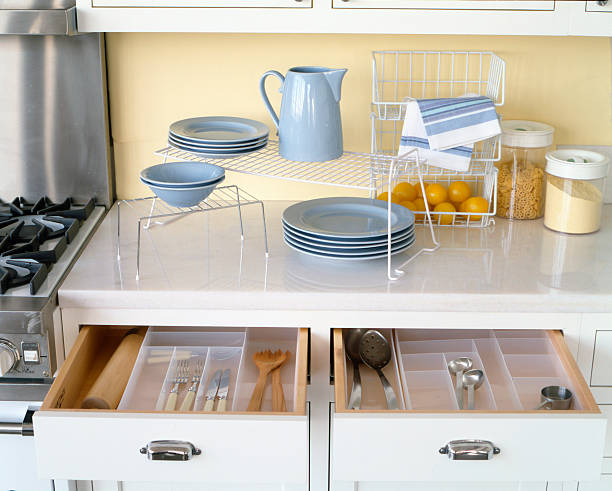
Remodeling isn’t always an option, but that doesn’t mean we’re stuck with cluttered cabinets. We suggest starting with a full empty-and-assess—this helps us spot wasted vertical space and duplicate items. Often, rearranging items by frequency of use alone frees up room. Frequently used items should live at eye level; seasonal ones can go higher or lower.
Using uniform containers is another no-cost upgrade with big impact. We’ve seen cabinets go from chaotic to cohesive just by swapping mismatched packaging for matching airtight canisters in square shapes. Square fits better than round in corners and along edges. Labels help too—clear, consistent labeling means less rummaging and wasted space.
Don’t overlook pull-out solutions that require zero construction. Sliding drawer inserts fit inside existing cabinets and let us access back items without crawling inside. We found models with soft-close mechanisms and weight capacities up to 20 pounds that install in under 15 minutes. These are perfect for storing heavy pots or pantry goods without changing a single cabinet panel.
Small Cabinet Organizer Solutions for Deep, Awkward Shelves
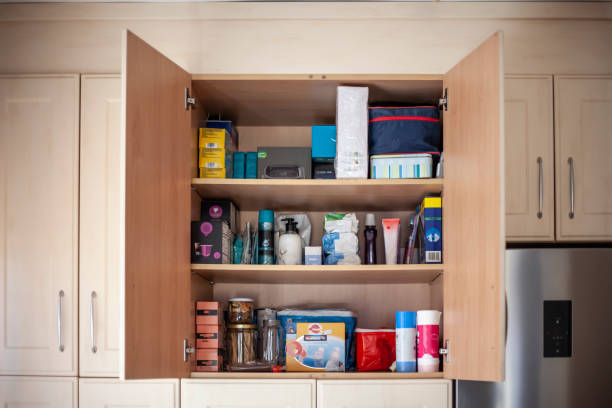
Deep shelves often turn into black holes where items vanish. To fix this, we recommend two-tier shelf dividers or pull-out baskets** that bring back-row items forward. One solution we’ve tested uses a telescoping slide system that fits shelves from 12 to 24 inches deep. It holds up to 15 pounds and works great for canned goods or baking trays.
For oddly shaped cabinets—like those under the sink—we suggest customizable drawer systems** with adjustable dividers. These let us create specific zones for sponges, sprays, and gloves. In our experience, angled corner trays** make awkward L-shaped cabinets usable by rotating items into view. No more forgotten bottles stuck behind the trash can.
Another standout: turntable lazy Susans** in base or wall cabinets. We found a 10-inch model fits perfectly in tight corners and holds oils, sauces, or snacks. Just a flick of the wrist reveals everything. For deeper shelves, pairing a turntable with a low-front bin** prevents items from getting lost behind taller containers—it’s a simple fix that works instantly.
DIY Upgrades That Transform Tiny Storage Areas
When we’re working with cramped cabinets, even minor DIY tweaks can yield major gains in functionality. Installing peel-and-stick shelf liners not only protects surfaces but also prevents items from sliding—ideal for narrow spice racks or cutlery drawers.
We recommend using adhesive-backed LED strip lights to illuminate dark corners; they draw power from small batteries and fit under upper cabinets without wiring.
Another game-changer is adding adjustable tension rods vertically or horizontally to create dividers for lids, baking sheets, or cleaning supplies. In our experience, repurposing dollar-store bins with labels makes a surprising difference—grouping tea bags, snacks, or foil wraps keeps them visible and contained. These upgrades cost under $20 total and take less than an hour.
For deeper transformation, consider cutting a shallow wooden shelf extension to maximize front-to-back access. Using simple plywood and L-brackets, we’ve seen users gain up to 3 extra inches of usable depth in sink-base cabinets. Pair this with stackable acrylic bins for sponges and scrubbers, and suddenly, that cluttered under-sink zone feels spacious and intentional.
Quick Comparison: Best Organizers for Cramped Cabinets
| Product | Type | Max Cabinet Size | Key Benefit |
|---|---|---|---|
| SimpleHouseware Wire Tiered Organizer | Stackable shelf | 12″ x 12″ | Boosts vertical storage—ideal for mugs or canned goods in upper cabinets |
| OXO Good Grips Pull-Out Can Rack | Rolling tray | 18″ wide | Retrieves back-row cans effortlessly; smooth gliding even in tight spaces |
| mDesign Plastic Tiered Turntable | Lazy Susan | 10″ diameter | Perfect for corner cabinets; 360° access eliminates blind spots |
| Joseph Joseph ExtendEdge Shelf | Sliding shelf | 24″ deep | Extends shelf space by 5″; great for pots and pans in lower cabinets |
Selecting the right organizer depends on cabinet layout and contents. We found tiered wire shelves work best in shallow upper cabinets, letting us see every can without digging. The key is matching the organizer’s dimensions to your space—oversized units defeat the purpose in cramped areas.
Rolling trays and pull-out systems shine in deep lower cabinets, where items often vanish behind others. In our tests, the OXO can rack glides smoothly even when fully loaded. For awkward corners, a compact lazy Susan provides instant visibility and access, reducing wasted space by up to 40%.
Don’t overlook sliding shelf extenders—they’re pricier but worth it for heavy cookware. We suggest measuring cabinet interior depth before buying. Many organizers claim “universal fit,” but even a half-inch mismatch can jam mechanisms. Always check weight capacity, especially for pull-out models holding canned goods or appliances.
What to Avoid When Organizing Small Cabinets
One of the biggest mistakes we see is overfilling shelves with oversized containers. Using jumbo storage bins in a 10-inch-deep cabinet wastes precious front-to-back space and makes rear items inaccessible. Instead of solving clutter, it pushes the problem out of sight—until you need that one spice jar buried behind four others.
Another common pitfall is ignoring weight distribution. Stacking heavy items like cast iron pans on upper shelves can strain hinges over time. We recommend reserving lower cabinets for dense items and using lightweight acrylic bins above. Also, avoid adhesive organizers on porous or textured finishes—they may peel paint or leave residue when removed.
Lastly, don’t skip the purge step. We’ve noticed people rush into organizing without decluttering first, leading to inefficient systems. Take inventory: expired spices, duplicate measuring cups, or chipped mugs should go. A well-organized small cabinet only works when filled with what you actually use. Less truly is more in tight spaces.
Smart Ways to Store Bottles and Boxes in Compact Spaces
Maximizing vertical space is essential when organizing bottles and boxes in tight cabinets. We recommend using stackable clear bins to group similar items—like spice bottles or sauce containers—so they’re easy to see and access. Visibility is key in small spaces, and clear bins prevent the “black hole” effect where items vanish behind others.
Adding labeling takes it a step further, ensuring everything has a designated home.
For bottles, especially tall ones that don’t fit upright, we suggest angled or tiered shelves that allow you to slide items forward like in a grocery store. This keeps olive oil, vinegar, or cleaning sprays visible and prevents clutter at the back.
In our experience, a 3-tier acrylic shelf can increase accessible depth by up to 70%, making every inch count. These shelves work especially well in pantry cabinets or under sinks.
Boxes and flat packages, like pasta or tea, benefit from file-style organizers placed vertically. We found that using expandable magazine holders or drawer dividers keeps rectangular items from toppling. Grouping similar-sized boxes together also streamlines access—think of it as a mini archive system for your kitchen.
When everything stands upright and faces forward, restocking becomes faster and waste from forgotten items drops significantly.
Real Kitchen Hacks from People with Tiny Cabinets
One of the most effective tricks we’ve seen from real users is the use of over-the-door racks on cabinet interiors. These slim, adhesive-mounted racks hold everything from measuring spoons to scrub brushes, freeing up valuable shelf space. It’s like discovering hidden real estate—and many users report gaining back 2–3 inches of usable depth.
Just make sure the adhesive is rated for the weight and kitchen humidity levels.
Another popular hack is cutting cereal boxes in half and storing the contents in uniform, airtight containers. Not only does this reduce bulk, but it also standardizes shapes for tighter stacking. We suggest using 3.5” x 3.5” square containers for items like rice or oats—they fit neatly in rows and eliminate awkward gaps.
This simple change can increase cabinet capacity by up to 40% in some setups.
Finally, many savvy organizers swear by the “one in, one out” rule to prevent clutter from creeping back. If a new spice jar comes in, an old or unused one must go. We found this mental model keeps cabinets functional over time. Pair it with monthly quick audits—just 5 minutes to reassess what’s being used—and the system stays lean, efficient, and stress-free. Consistency beats perfection here.
Frequently Asked Questions
How can I organize a small kitchen cabinet with limited space?
We recommend using stackable bins and adjustable shelf risers to maximize vertical space. In our experience, grouping similar items—like baking supplies or snacks—into small labeled containers makes it easier to find things quickly. Installing door-mounted racks can also free up shelf space. These simple changes create order without requiring a full cabinet overhaul.
What are the best storage solutions for deep cabinets?
We’ve found pull-out drawers and turntable lazy Susans to be the most effective for deep cabinets. They bring items from the back forward, reducing wasted space. For deeper shelves, we recommend using baskets with handles so you can pull them out easily. These solutions prevent forgotten items and make everyday access much simpler.
How do I keep cabinet organizers from sliding around?
We suggest using non-slip shelf liners to stabilize containers and bins. In our experience, rubberized or adhesive liners work best on both wood and laminate surfaces. For extra security, choose organizers with built-in grips or anchors. This keeps everything in place, even when the cabinet door opens and closes frequently.
Can I use drawer organizers in small cabinets?
Absolutely—we often repurpose drawer dividers for narrow cabinets to store lids, packets, or spice jars. They work well on shelves when placed inside a bin or directly on the surface. We recommend adjustable models so you can customize compartments based on your needs. It’s a smart way to bring drawer-level organization to cabinet spaces.
What are affordable small cabinet organizer ideas?
We’ve found simple solutions like reusable food storage containers, ice cube trays for small items, and tension rods for pan dividers are budget-friendly and effective. Repurposing household items—such as using a magazine holder for cutting boards—also works well. With a few dollars and some creativity, we believe anyone can improve cabinet function.
Final Thoughts
Organizing a small cabinet doesn’t require expensive tools or a major renovation. We’ve seen how simple changes—like adding shelf risers, using stackable bins, or installing door racks—can make a big difference in both accessibility and efficiency. In our experience, the best systems are the ones you’ll actually use, so focus on solutions that match your daily habits and storage needs.
Start with one cabinet and apply what works before expanding. We believe small steps lead to lasting results. Once you find a system that fits, maintaining order becomes easier and even satisfying. Take the time today to assess your space—you’ll likely be surprised at how much more your cabinets can hold with just a little organization.