
Looking for open shelving pantry ideas? They’re all about blending smart storage with style—showing off your favorite jars, baskets, and dishes while keeping essentials within reach. Unlike closed cabinets, open shelves let you see everything at a glance, making meal prep easier and your kitchen feel more inviting. The key is organizing with purpose, not just aesthetics.
In our experience, the best open shelving pantries balance function and design. We found that using consistent container styles and grouping similar items together makes a huge difference. We recommend starting with your most-used ingredients and building your layout around them. It’s not just about looks—it’s about creating a system that works every day.
Here’s a tip most guides miss: leave intentional empty space. We’ve learned that overfilling shelves creates visual clutter, even if everything is neatly arranged. By reserving 20–30% of your shelf space as “breathing room,” you highlight your best items and make the pantry feel more spacious and calming to use.
A common misconception is that open shelving only works in large, modern kitchens. But we’ve seen it succeed in cozy apartments and traditional homes too. The real issue isn’t space or style—it’s lack of routine. Without regular editing and wiping down, open shelves can look messy fast. It’s not about perfection; it’s about maintenance.
Ready to build a pantry that’s both practical and pretty? We’ve broken down the essentials—from storage hacks to real-life layouts. Whether you’re reorganizing a tiny kitchen or designing from scratch, these proven strategies will help you create an open shelving pantry you’ll actually enjoy using.
In This Guide
- How to Style Open Shelving for a Pantry That Works (Not Just Looks Good)
- The Best Containers for Open Shelving Pantry Storage
- Mixing Materials: When Wood, Metal, and Glass Work Together
- Common Open Shelving Mistakes and How to Avoid Them
- Open Shelving Pantry Layouts That Maximize Small Spaces
- Quick Comparison: Shelving Types and Which One Fits Your Kitchen
- How to Keep an Open Pantry Clean and Clutter-Free
- Real Homes, Real Ideas: Open Shelving Pantry Inspiration That’s Actually Doable
How to Style Open Shelving for a Pantry That Works (Not Just Looks Good)
Styling open shelving isn’t just about aesthetics—it’s about creating a system that makes meal prep faster and pantry management easier. We recommend grouping items by category: baking essentials, breakfast staples, snacks, and canned goods. This way, everything has a purpose and a place.
Function should always lead form—if it looks good but takes three steps to reach your olive oil, it’s not working.
Height and accessibility matter more than we often realize. We suggest placing daily-use items at eye level and heavier goods like flour or sugar on lower shelves for safety and convenience. Leave 12–15 inches between shelves to accommodate taller containers and allow easy access.
Consider adding small ledges or lip edges to prevent accidental knocks—1.5-inch front rails are ideal for security without blocking visibility.
Don’t overlook lighting. Under-cabinet LED strips or puck lights make a dramatic difference, especially in deeper pantries. We’ve found that 3000K warm white lighting enhances visibility while adding warmth to the space. Rotate stock using the “first in, first out” rule to avoid expired items lurking in plain sight.
A beautiful pantry should also be a practical one—design for real life, not just Instagram.
The Best Containers for Open Shelving Pantry Storage
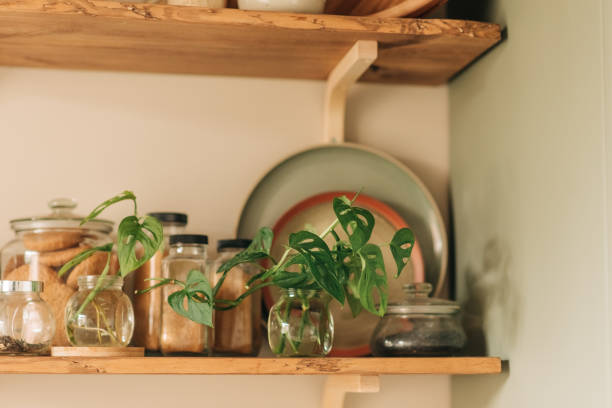
Choosing the right containers transforms open shelving from chaotic to curated. We recommend airtight glass jars with rubber seals for dry goods like pasta, rice, and beans—they’re durable, look clean, and keep pests out. Square or rectangular containers maximize shelf space better than round ones, especially on narrow shelves. Look for options with wide mouths for easy scooping and cleaning.
For a cohesive look, stick to one material and color family. We’ve seen the best results with clear glass or matte white ceramic—both offer timeless appeal. Labels are non-negotiable: use a handheld label maker or chalkboard tags to identify contents and expiration dates. Consistency is key—even mismatched containers can look unified with uniform labeling and cap styles.
Don’t overlook size variety. We suggest stocking multiple container sizes: 1-quart for spices, 2-quart for snacks, and half-gallon for flour or sugar. Stackable designs save vertical space, and containers with built-in pour spouts add functionality. Brands like OXO POP and Le Parfait deliver on both form and function, making daily use effortless and visually pleasing.
Mixing Materials: When Wood, Metal, and Glass Work Together
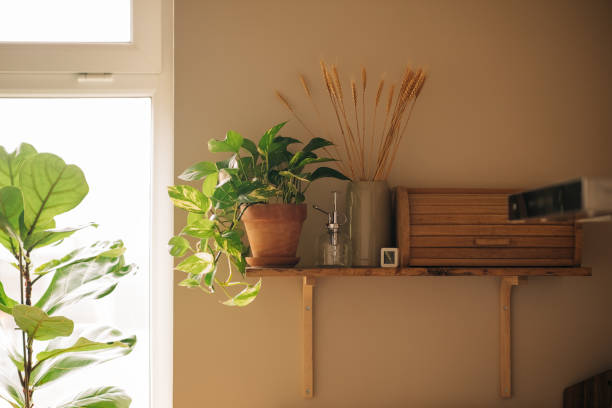
Combining wood, metal, and glass adds depth and character to open shelving without feeling cluttered. We recommend starting with a dominant material—like warm walnut floating shelves—then layering in accents. For example, black steel brackets provide structural contrast while reinforcing an industrial edge. The mix feels intentional when one material leads and the others support.
Glass-front containers on wooden shelves reflect light and open up small spaces, while metal canisters add a retro touch. We’ve found that pairing brass-trimmed glass jars with matte black shelf pins creates subtle luxury. The trick is balancing textures: smooth glass, grainy wood, and cool metal should each have room to breathe.
Aim for a 60-30-10 ratio—60% primary material, 30% secondary, 10% accent.
Avoid visual overload by repeating materials throughout the kitchen. If you have stainless steel appliances, echo that with a few metal bins or scoops on the shelf. Wooden bowls or cutting boards displayed alongside glass jars tie everything together.
Harmony comes from repetition, not uniformity—we suggest selecting three core materials and sticking with them across all pantry elements for a polished, layered look.
Common Open Shelving Mistakes and How to Avoid Them
One of the most frequent missteps we see is overcrowding shelves, which turns an intended minimalist look into visual chaos. When every inch is packed with mismatched containers and random items, the pantry loses its functional charm.
We recommend leaving at least 20–30% of shelf space empty to maintain balance and make items easier to access—less is more truly applies here.
Dusting becomes a real issue when we neglect material choices. Porous woods or unfinished shelves trap grease and crumbs, making cleaning a chore. Instead, opt for sealed hardwoods or laminate finishes that resist stains and wipe clean effortlessly. In our experience, a simple microfiber cloth and mild cleaner should handle weekly maintenance without hassle—design shouldn’t compromise practicality.
Another oversight is ignoring lighting. Without proper illumination, even the most thoughtfully arranged pantry can feel flat or uninviting. We suggest adding LED strip lights under each shelf or a small pendant above the unit. These not only enhance visibility but add warmth, highlighting your favorite jars and ceramics. Remember: good lighting elevates both function and style.
Open Shelving Pantry Layouts That Maximize Small Spaces
When square footage is limited, vertical stacking is our go-to strategy. Installing shelves from counter height to ceiling takes advantage of often-wasted airspace. We recommend using the top 1–2 shelves for infrequently used items like holiday bakeware or bulk supplies, while daily essentials stay within easy reach—this keeps the space functional without feeling cramped.
L-shaped or corner shelving units are another smart solution. By wrapping shelves around a kitchen nook, we effectively double storage without sacrificing floor space. Adding turntables or pull-out baskets in corner zones prevents forgotten items. In our experience, this layout works especially well in studio kitchens or galley-style setups where every inch counts—angles become assets.
For ultra-compact areas, consider a narrow, floor-to-ceiling shelving column beside the fridge or next to a doorway. Just 12–16 inches deep, it can house spice jars, canned goods, and small baskets. We often use tiered shelving to prevent blocking lower items. With smart labeling and uniform containers, even the tiniest pantry zone can feel organized and intentional.
Quick Comparison: Shelving Types and Which One Fits Your Kitchen
| Shelving Type | Best For | Installation Complexity | Cost Range (per linear foot) |
|---|---|---|---|
| Wall-Mounted Wood | Traditional or rustic kitchens | Moderate (requires stud alignment) | $25–$50 |
| Metal Pipe & Wood | Industrial or modern lofts | Easy to moderate (adjustable brackets) | $20–$40 |
| Glass-Front Floating | Minimalist or contemporary spaces | High (precision mounting needed) | $40–$70 |
| Adjustable Wire Grid | Small pantries or rental kitchens | Easy (screw-in panels) | $15–$30 |
Choosing the right shelving depends on both kitchen style and practical needs. Wall-mounted wood offers warmth and durability, ideal for homes where aesthetics and sturdiness matter. We often pair it with matching cabinetry to create a seamless blend of open and closed storage—perfect for transitional kitchens.
Metal pipe and wood combinations bring an edgy, customizable look that’s surprisingly affordable. These are excellent for renters or DIYers who want industrial flair without permanent changes. In our experience, black iron pipes with reclaimed wood create standout pantry zones in urban apartments—function meets bold design.
Floating glass shelves feel sleek but demand frequent cleaning and careful loading. They work best in low-traffic kitchens where display is a priority. For flexibility and budget-friendliness, wire grid systems stand out—easy to reconfigure and ideal for spices or lightweight containers. We suggest using decorative bins to soften the utilitarian look.
How to Keep an Open Pantry Clean and Clutter-Free
Maintaining an open pantry requires a balance of smart organization and consistent habits. We recommend adopting the “one in, one out” rule—whenever a new item enters, an old one must go. This prevents overcrowding and keeps essentials visible. Labeling containers with uniform fonts and colors not only adds visual harmony but also makes it easier to spot what’s running low.
Daily upkeep is key—spend just 60 seconds each evening returning items to their designated spots. We found that using clear, airtight glass jars for staples like pasta, rice, and flour reduces spills and deters pests. Grouping like items—baking supplies, snacks, breakfast foods—into labeled zones makes restocking intuitive and keeps chaos at bay.
Dust and grease can build up quickly on open shelves, so we suggest a weekly wipe-down with a microfiber cloth and mild cleaner. Rotate items during cleaning to check for expired goods. Installing under-shelf LED lighting not only highlights your curated collection but also makes messes more visible, encouraging prompt cleanup. Consistency turns maintenance into habit.
Real Homes, Real Ideas: Open Shelving Pantry Inspiration That’s Actually Doable
One homeowner in Portland transformed a narrow kitchen nook into a functional open pantry using floating walnut shelves and stackable ceramic canisters from a local artisan. By limiting her color palette to warm neutrals and white, the space feels cohesive even with everyday use.
She grouped coffee essentials on the top shelf, snacks in the middle, and oils and vinegars below.
In a Brooklyn brownstone, a family of four uses a full wall of industrial-style metal shelving to house everything from canned tomatoes to kids’ cereal. We love how they use woven baskets with fabric liners to hide less attractive packaging while maintaining airflow. The open design encourages everyone to put items back in the right spot—no more mystery cabinets.
A minimalist chef in Austin swears by modular square containers from a popular kitchen brand, all in matte black. Arranged in symmetrical rows, they create a striking visual while being ultra-practical. We suggest measuring your most-used items first—like a standard bag of pasta or a loaf of bread—to ensure containers fit perfectly on your shelf depth.
Function meets form without effort.
Frequently Asked Questions
How do you organize an open shelving pantry neatly?
We recommend using uniform containers for dry goods to create a cohesive look. Group similar items together and label everything clearly. In our experience, baskets and bins help corral smaller items, while tiered shelving improves visibility. Keep frequently used items at eye level and rotate stock to maintain freshness. Regular dusting and tidying keep open shelves looking clean and functional.
What are the best containers for open pantry shelves?
We’ve found that glass jars with airtight lids work best for preserving freshness and offering visibility. For a budget-friendly option, BPA-free plastic or acrylic containers also work well. Choose styles with clean lines and consistent shapes to enhance aesthetics. Always prioritize containers with easy-pour spouts and secure seals to minimize spills and pests.
How do you style an open shelf pantry without it looking cluttered?
We suggest limiting color palettes to 2–3 neutral tones for containers and accessories. Use strategic spacing—don’t overcrowd shelves. In our experience, mixing in a few decorative items like woven baskets or small plants adds warmth. Keep only everyday essentials visible and store backups elsewhere to maintain a clean, intentional look.
Can open shelving work in a small pantry space?
Yes, open shelving can actually make a small pantry feel larger by increasing visual depth. We recommend using shallow shelves and vertical space to maximize storage without crowding. Install under-shelf lighting to improve visibility. Keep only essential, frequently used items on display to prevent clutter and maintain accessibility in tight spaces.
How do you keep dust off open pantry shelves?
We recommend dusting shelves at least once a week with a microfiber cloth. Using lidded containers for all dry goods reduces exposed surfaces. In our experience, placing a small air purifier nearby or using shelf covers during renovations helps minimize dust buildup. Avoid placing shelves directly above cooking areas to reduce grease accumulation.
Final Thoughts
Open shelving pantries combine practicality with personality, letting us showcase our favorite kitchen staples while staying organized. We’ve found that thoughtful container choices, consistent styling, and regular maintenance make all the difference. When done right, open shelves create an inviting, functional space that reflects our lifestyle and simplifies daily routines.
Start by clearing out what you have, then invest in a few key storage solutions that match your aesthetic. We believe even small changes can transform how you interact with your kitchen. Take it step by step—your ideal pantry is within reach.