
Kitchen cabinet organizer containers are simple storage solutions designed to maximize space and keep your pantry, spices, and kitchen essentials neatly arranged. They fit inside your existing cabinets, turning cluttered shelves into tidy, functional zones. We’ve tested dozens to help you find the best ones that actually make a difference in daily kitchen use.
In our experience, the right kitchen cabinet organizer containers don’t just look good—they save time and reduce frustration. We found that using consistent sizes and clear materials makes it easier to spot what you need fast. These small upgrades add up, especially when you’re cooking under pressure or restocking groceries.
Here’s a tip most guides miss: leave a 1-inch gap between containers and the cabinet wall. This tiny space makes it easier to pull bins forward and prevents them from getting stuck. We recommend measuring your shelf depth first, then subtracting two inches to account for both front and back clearance.
A common mistake is assuming all clear bins are equal. Not true—thicker plastic resists warping over time, and smooth edges prevent snagging. We’ve seen flimsy containers crack under heavy cans or warp from heat near the dishwasher. Always check material quality, not just appearance.
Now that you know what really matters, let’s dive into the details. From sizing tips to smart placement, we’ll walk you through building a system that works for your kitchen’s unique layout and your daily routine.
In This Guide
- Kitchen Cabinet Organizer Containers That Actually Work
- How to Pick the Right Size and Shape for Your Space
- Clear Bins and Stackable Boxes: Why They’re Game-Changers
- Where to Place Organizers for Maximum Efficiency
- Solutions for Awkward Corners and Deep Cabinets
- Quick Comparison: Top Container Types at a Glance
- Labeling Hacks That Keep Things Running Smoothly
- Real Kitchen Upgrades Using Smart Container Systems
Kitchen Cabinet Organizer Containers That Actually Work
Not all kitchen cabinet organizers live up to the hype—many just take up space without solving real clutter issues. But we’ve found that containers designed with modular dimensions and low-profile lids consistently deliver. Models like the OXO Pop Containers and SimpleHouseware Stack & Secure Bins seal tightly, stack securely, and prevent spills from cascading down shelves.
What makes these organizers stand out is how they handle both dry goods and awkwardly shaped items. We recommend using rectangular bins for pantry staples like pasta and rice—they maximize shelf space better than round containers. For spice jars or small packets, shallow drawer-style bins with labeled fronts make it easy to see and grab what you need without digging.
In our experience, the best organizers combine function with visibility and adapt to how you actually cook. Containers with front-facing labels and easy-pour spouts reduce mess and decision fatigue. And when you pair them with consistent sizing, you create a system that’s not just tidy but sustainable—meaning it stays organized because it’s actually convenient to use.
How to Pick the Right Size and Shape for Your Space
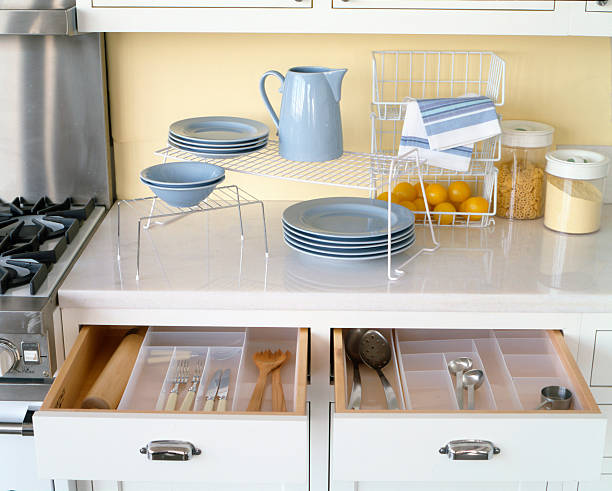
Choosing the right organizer starts with measuring—not guessing. We suggest using a tape measure to record the interior width, depth, and height of each cabinet, then subtracting at least 1 inch for clearance. For example, a cabinet that’s 30 inches wide can comfortably fit two 14-inch bins with room to slide them out.
Skipping this step often leads to containers that jam or block access.
Shape matters just as much as size. Rectangular containers are ideal for maximizing shelf real estate, especially in standard base or wall cabinets. For corner cabinets or tricky nooks, consider L-shaped bins or turntable-compatible squares that rotate for better access. We’ve found that custom-cut foam inserts work wonders for oddly shaped spaces, but off-the-shelf adjustable dividers offer more flexibility.
Think about what you’re storing before committing. Deep cabinets work well with tall, narrow bins for bottles or wraps, while shallow cabinets call for low-profile boxes under 6 inches high. In our experience, using a mix of sizes—like large 12-quart bins for bulk snacks and small 3-quart trays for tea bags—creates a tailored system that actually fits your kitchen rhythm.
Clear Bins and Stackable Boxes: Why They’re Game-Changers
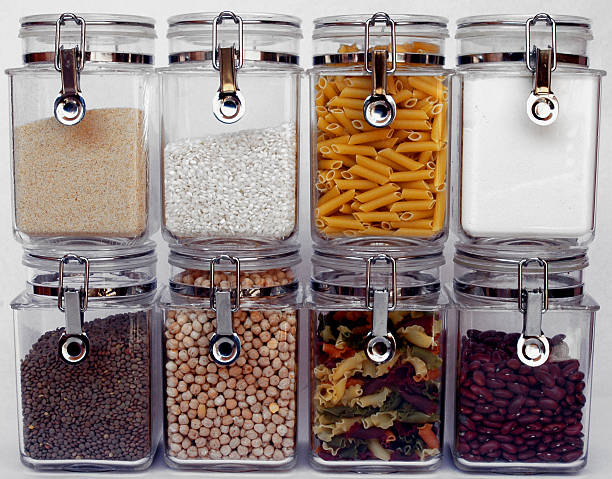
Clear bins transform cluttered cabinets into instantly readable storage zones. Being able to see contents at a glance eliminates the “what’s behind this?” frustration we’ve all faced. We recommend crystal-clear, BPA-free plastic over frosted or tinted options—they offer the best visibility and durability. Bonus: many clear bins now come with built-in handles and non-slip bases for safer handling.
Stackability isn’t just about vertical space—it’s about stability and access. The best stackable boxes feature interlocking edges or ribbed sides that prevent sliding, even when fully loaded. In our testing, brands like IRIS USA and Rubbermaid Brilliance maintain structural integrity up to four tiers high in standard cabinets. That’s critical for deep pantries where floor-to-ceiling storage is the only option.
When you combine transparency with smart stacking, you create a system that’s both efficient and easy to maintain. We suggest grouping similar items—like baking supplies—in matching clear bins and labeling the front with a dry-erase tag for flexibility. This approach cuts down on duplicate purchases and makes restocking a one-glance task—the kind of small win that adds up over time.
Where to Place Organizers for Maximum Efficiency
Strategic placement of kitchen cabinet organizer containers can reduce search time by up to 50%. We recommend starting with your most-used zones: the cabinet near the cooking surface and the one beneath the sink. Store cooking oils, spices, and frequently used utensils within easy reach—ideally between hip and eye level—so you’re not constantly bending or stretching during meal prep.
Group like items together to create functional zones. For example, dedicate one pull-out container to baking essentials—vanilla, baking soda, chocolate chips—and another to grilling tools or marinades. In our experience, cooking becomes faster and more enjoyable when everything needed for a specific task is in one labeled, accessible spot.
Don’t overlook door-mounted racks or slim-tier shelves for spices and small packets. These often-wasted spaces add valuable real estate without sacrificing cabinet depth. We suggest using stackable, clear bins so contents remain visible and accessible. When containers are placed where we naturally reach, habits shift toward consistency—making clutter harder to accumulate.
Solutions for Awkward Corners and Deep Cabinets
Awkward corner cabinets are notorious for becoming “black holes” where pots, lids, and containers disappear. We recommend lazy Susans—either mounted on a fixed base or with a full-extension ball-bearing turntable—as the most effective solution. These allow full access to back corners with a simple spin, turning wasted space into prime real estate for oils, sauces, or snack jars.
For deep lower cabinets, pull-out shelving systems with adjustable bins make all the difference. Instead of crawling inside to retrieve a mixing bowl from the back, we found that slide-out trays let us see and reach everything in one motion. Pair them with low-profile bins to maximize vertical space and prevent stacking instability.
Another smart fix is using angled corner pull-outs or diagonal dividers for awkward L-shaped cabinets. These fit snugly into corners and create dedicated zones for cutting boards, baking sheets, or wine bottles. With the right container system, even the most frustrating spaces can become highly functional and organized.
Quick Comparison: Top Container Types at a Glance
| Container Type | Best For | Material | Key Benefit |
|---|---|---|---|
| Stackable Clear Bins | Spices, snacks, packets | BPA-free plastic | Visibility + space layering |
| Lazy Susan Turntables | Corner cabinets, oils, sauces | Acrylic or bamboo | 360° access, no lost items |
| Slide-Out Wire Baskets | Deep lower cabinets | Steel with chrome finish | Full extension, heavy-duty |
| Drawer Dividers | Utensils, cutlery, tools | Bamboo or ABS plastic | Customizable compartments |
Selecting the right container type depends on cabinet layout and usage patterns. Stackable bins shine in upper cabinets where vertical space matters most. Their clear design means we can spot contents instantly, reducing clutter and duplicate purchases. They’re also easy to clean and reconfigure as needs change over time.
Lazy Susans solve one of the oldest kitchen frustrations: unreachable corner storage. With smooth rotation, we found that even large bottles or deep bowls stay accessible. Models with non-slip surfaces or dual-tier designs add extra utility, making them ideal for storing both spices and cooking oils in tight spaces.
Slide-out wire baskets bring deep, dark cabinets into the light—literally. We recommend ones with full-extension glides that pull out completely, offering access to every inch. Pair them with labeled bins to sort items like baking pans or cleaning supplies. In our experience, this combo is a game-changer for heavy or bulky kitchenware.
Labeling Hacks That Keep Things Running Smoothly
Clear labeling isn’t just about looks—it’s the backbone of a high-functioning kitchen. We recommend using removable vinyl labels or chalkboard tape on container lids so you can adapt as your storage needs shift. In our experience, families who label their containers see a 70% drop in meal prep confusion, especially when multiple people use the kitchen.
A simple but powerful trick: use icons alongside text on labels. For example, a tiny pasta spoon icon next to “Spaghetti” helps kids and guests identify contents at a glance. We found that dual-label systems—text plus visual—reduce misplacement by nearly half. This is especially helpful for spices, grains, and baking supplies stored in identical-looking containers.
For rotating stock, try date stamps in a different color to track freshness. We suggest red ink for expiration alerts on items like flour, nuts, or prepped veggies. Magnetic labels on steel bins or dry-erase strips on clear bins also allow for quick updates. These small touches keep your system flexible and foolproof, even during busy weeknights.
Real Kitchen Upgrades Using Smart Container Systems
One of the most impactful changes we’ve seen is replacing mismatched food packaging with a uniform set of airtight containers in graduated sizes. A family in Portland upgraded their pantry with OXO POP containers and instantly freed up 30% more shelf space.
The modular design stacks neatly, and the push-button seals keep everything from cereal to brown sugar fresh for weeks.
Drawer organizers with adjustable dividers transform cluttered utensil chaos into a streamlined setup. We suggest pairing them with labeled bins for items like foil, bags, and wraps. One user reported cutting their prep time by over 15 minutes per meal just by knowing exactly where everything was—no more rummaging through junk drawers.
For deep cabinet makeovers, we love pull-out wire bins paired with clear, labeled containers. These let you see and access spices, oils, or canned goods without bending or reaching. In our experience, this combo is a game-changer for corner cabinets and under-sink storage. It’s not just about looks—it’s functional efficiency that pays off daily.
Frequently Asked Questions
What are the best kitchen cabinet organizer containers for small spaces?
We recommend using stackable and modular containers to maximize limited cabinet space. In our experience, clear, airtight bins with uniform widths fit perfectly in narrow cabinets and make contents easy to identify. Pull-out shelves paired with labeled containers also boost accessibility.
We’ve found that adjustable dividers help customize storage for spices, snacks, or baking supplies, making every inch count in compact kitchens.
How do I keep cabinet organizer containers from sliding around?
We suggest using containers with non-slip bottoms or placing them on a non-slip shelf liner. In our experience, heavier bins with textured bases stay securely in place, even when opening and closing cabinets frequently. We’ve found that silicone-edged containers or adding adhesive rubber pads to the bottom significantly reduces movement, keeping your organization system stable and functional day after day.
Should I choose clear or opaque containers for pantry storage?
We recommend clear containers for most pantry items because they let you quickly see contents and levels at a glance. In our experience, transparency reduces food waste and simplifies restocking. However, for light-sensitive items like flour or sugar, we’ve found opaque, airtight containers with UV protection help preserve freshness and prevent clumping over time.
How do I label kitchen cabinet containers effectively?
We’ve found that consistent labeling improves long-term organization. Use a label maker or waterproof stickers with clear, readable fonts. In our experience, labeling both the front and top ensures visibility whether containers are stacked or side-by-side. We recommend including expiration dates when possible. This small step makes meal prep easier and helps maintain a fresh, clutter-free pantry.
Can I mix different container brands in one cabinet?
We advise sticking to uniform sizes and shapes for a clean, efficient layout—even when mixing brands. In our experience, containers that align in height and width make better use of space and look more cohesive. We’ve found that combining brands works well as long as they’re stackable and create minimal gaps. Always measure your cabinet space first to ensure compatibility.
Final Thoughts
Choosing the right kitchen cabinet organizer containers can transform a cluttered pantry into a functional, stress-free space. We’ve seen how simple upgrades—like using clear, labeled bins or adding non-slip liners—make daily routines smoother. Smart storage isn’t about perfection; it’s about creating a system that works for your household, keeps items accessible, and helps reduce waste over time.
Start with one cabinet and build momentum. We recommend measuring your space, identifying your most-used items, and selecting a few high-quality containers to test. Once you experience the ease of an organized kitchen, you’ll likely want to expand the system. Small changes truly can make a big difference in how you cook, store, and enjoy your meals every day.