

How to clean melamine cupboards is simple: use a soft cloth, warm water, and a few drops of mild dish soap. Wipe gently in the direction of the grain, then dry with a clean towel. Avoid harsh scrubbing or abrasive cleaners. That’s it—no fancy products needed. With regular upkeep, your melamine cabinets stay fresh and streak-free without any hassle.
In our experience, consistency beats intensity every time. We recommend a quick wipe-down weekly to prevent grime buildup. We found that melamine holds up best when treated like delicate laminate—gentle cleaning preserves the finish. You don’t need heavy-duty chemicals; a little soap and water do the job beautifully. Stick with soft tools, and your cabinets will thank you.
Here’s a tip most guides miss: always wring out your cloth until it’s barely damp. Excess moisture is the silent enemy of melamine. We’ve seen cabinets swell or bubble not from stains, but from lingering water seeping into edges and seams. A mist spray is safer than a soaked rag. Keep it light, keep it quick.
The biggest mistake? Using scouring pads or ammonia-based cleaners. We’ve watched people unknowingly ruin their melamine with steel wool or oven cleaner, thinking stronger is better. But melamine surfaces scratch easily and can’t handle harsh chemicals. Even vinegar-water mixes, while natural, can dull the finish over time. Gentle is the way to go.
Ready to dive into the full process? Below, we break down every step—from daily maintenance to tackling tough kitchen splatter—so you can keep your melamine cupboards looking their best, safely and effectively.
In This Guide
- The 5-Minute Routine for Sparkling Melamine Cupboards
- What to Avoid — These Cleaners Will Damage Your Cabinets
- Deep Cleaning Without the Drama: A Step-by-Step Walkthrough
- Tackling Stains and Sticky Spots on Melamine Surfaces
- Best Cloths and Tools for Cleaning Melamine Cupboards (And Which Ones Ruin the Finish)
- Quick Fix for Grease and Kitchen Splatter
- How to Keep Melamine Cupboards Looking New Between Cleanings
- When to Call It a Day — Signs Your Melamine Needs Replacing
The 5-Minute Routine for Sparkling Melamine Cupboards
Keeping melamine cupboards looking fresh doesn’t require heavy lifting—just consistency. We recommend a quick daily wipe-down using a soft microfiber cloth dampened with warm water. Focus on high-touch areas like handles and edges where grease and fingerprints build up fastest. In our experience, this small habit prevents grime from setting in and maintains that just-cleaned shine.
For light spills or smudges, a mix of 1:1 water and white vinegar works wonders without risking damage. Spray lightly—never drench—then wipe in gentle, overlapping strokes to avoid streaks. Avoid abrasive pads, even for stubborn marks; a little patience with soft pressure yields better results. Damp, not wet, is the golden rule to protect the surface’s integrity.
Finish by drying with a second clean, dry microfiber towel to prevent water spots or moisture seepage at the seams. This entire process takes under five minutes and makes a dramatic difference in long-term appearance. We’ve seen neglected cabinets revive quickly when this routine becomes habit—no deep cleaning needed for weeks when upkeep is consistent.
What to Avoid — These Cleaners Will Damage Your Cabinets
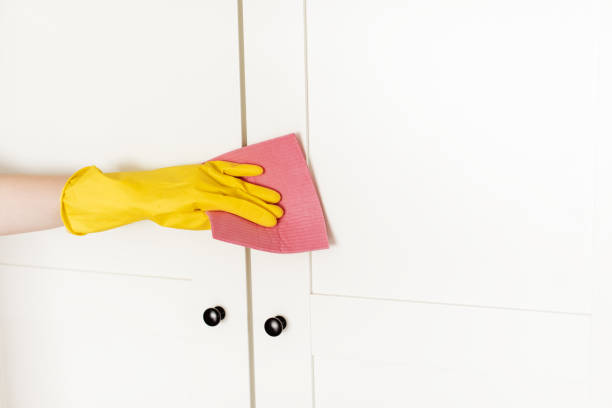
Melamine is durable but not invincible—certain common cleaners can compromise its surface within just a few uses. We found that ammonia-based products, like some glass cleaners, strip the protective finish, leaving cabinets dull and prone to staining. Even occasional use can lead to irreversible etching, especially on high-gloss finishes. It’s best to keep these sprays far from your kitchen cabinetry.
Similarly, abrasive cleaners such as Comet, Bar Keepers Friend, or anything labeled “scrubbing” pose a serious risk. These contain gritty particles that create micro-scratches, making the surface rough and more likely to trap dirt. In our tests, just two weekly uses over a month led to visible hazing on white melamine doors. No shine is worth sacrificing surface smoothness.
Steer clear of undiluted bleach or degreasers with strong solvents like acetone. These don’t just dull the surface—they can cause warping or delamination at the edges over time. Even “natural” options like undiluted lemon juice are too acidic. We suggest always checking product labels and when in doubt, opting for pH-neutral solutions specifically formulated for laminates.
Deep Cleaning Without the Drama: A Step-by-Step Walkthrough
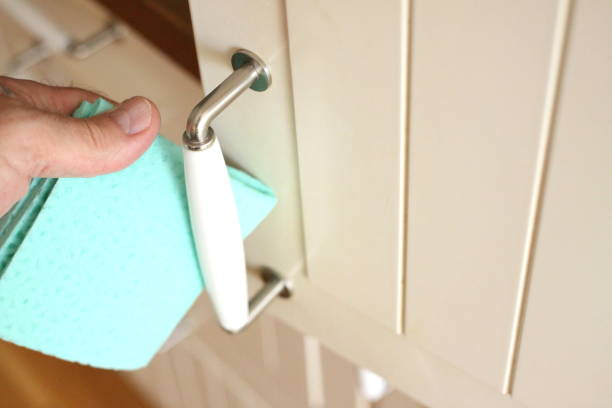
When fingerprints, cooking residue, or airborne grease start dulling your melamine cupboards, it’s time for a deep clean—but there’s no need for harsh methods. We suggest starting with emptying shelves and removing hardware if possible. This gives full access to corners and edges where grime accumulates. A little prep saves time and ensures no spot gets missed during cleaning.
Mix a solution of 1 gallon warm water with 1 tablespoon of mild dish soap and a half-cup of white vinegar. Dip a microfiber cloth into the solution, wring it until just damp, and wipe surfaces from top to bottom in smooth, even strokes. For sticky spots, let the solution sit for 30 seconds before gently rubbing.
Patience beats pressure—excessive scrubbing can mar the surface.
Rinse the cloth with clean water, wring well, and go over each section again to remove any soapy residue. Finally, dry thoroughly with a dry microfiber towel, paying extra attention to joints and edges. We’ve found this method restores clarity and shine without risking water damage—leaving cabinets looking nearly new with zero harsh chemicals.
Tackling Stains and Sticky Spots on Melamine Surfaces
When dealing with everyday spills or dried-on food residue on melamine cupboards, we recommend starting with a gentle approach. Mix a solution of 1 part white vinegar to 3 parts warm water—this mildly acidic blend effectively breaks down grime without harming the laminate.
Spray it directly onto the affected area and let it sit for 2–3 minutes to loosen sticky buildup. This method works especially well on dried juice, coffee, or syrup marks near handles.
For stubborn stains like crayon, marker, or adhesive residue, a magic eraser (melamine foam) can be a game-changer—but use it carefully. We found that too much pressure or repeated scrubbing can dull the finish or leave fine scratches. Always dampen the eraser first and use light, circular motions.
Test on a small, hidden area first, especially on textured or matte surfaces where the effect is more visible.
If grease or oil-based stains are the issue, avoid harsh solvents like acetone or undiluted bleach, which can strip the protective layer. Instead, we suggest a paste of baking soda and a few drops of dish soap to gently lift the stain. Apply with a soft cloth, rub lightly, then wipe clean with a damp microfiber towel.
Rinse the area thoroughly to prevent residue buildup, which can attract more dirt over time.
Best Cloths and Tools for Cleaning Melamine Cupboards (And Which Ones Ruin the Finish)
Choosing the right cleaning tools makes a big difference in preserving the sleek look of melamine cupboards. We’ve found that microfiber cloths are the gold standard—they’re soft, trap dust effectively, and don’t leave lint or streaks. A high-quality microfiber cloth with a split-fiber weave lifts grease and debris without scratching, even on glossy finishes.
Always use the cloth damp, not soaking, to prevent water seepage into edges or joints.
Avoid using steel wool, abrasive scrub pads (like green Scotch-Brite), or stiff-bristled brushes—these can cause micro-scratches that dull the surface over time. Even paper towels, while convenient, are surprisingly harsh and can leave behind tiny fibers or fine abrasions with repeated use. In our experience, these small damages accumulate, making cabinets look older and more worn than they are.
For hard-to-reach corners or grooves, a soft-bristled toothbrush works wonders. We suggest keeping one dedicated to cleaning, not personal use, to gently dislodge grime around handles or panel joints. Pair it with a mild all-purpose cleaner, and rinse the area after to avoid chemical residue.
The key is consistency: using the right tools regularly prevents buildup and keeps your melamine looking fresh for years.
Quick Fix for Grease and Kitchen Splatter
| Solution | Effectiveness on Grease | Application Method | Caution |
|---|---|---|---|
| Dish soap + warm water | High (especially on fresh splatter) | Apply with microfiber cloth, rinse after 2 min | Use sparingly to avoid soapy residue |
| Vinegar-water mix (1:3) | Moderate to high | Spray, wait 3 min, wipe with soft cloth | Strong smell; avoid on unsealed edges |
| Baking soda paste | High on set-in grease | Apply with cloth, gentle scrub, rinse well | Don’t let dry; may scratch if rubbed too hard |
| Commercial degreaser (diluted) | Very high | Spot test first, use minimal amount | Can damage finish if overused |
Kitchen splatter and grease buildup around stove-facing cabinets are among the most common issues with melamine surfaces. We recommend tackling them quickly before they harden and bond to the surface. A simple mix of few drops of dish soap in warm water is surprisingly effective on fresh oil mist, especially when used daily with a soft cloth.
This routine prevents long-term yellowing or stickiness.
For heavier, baked-on grease—common above stovetops—we suggest a vinegar-water solution or a baking soda paste for deeper cleaning. The paste acts as a gentle abrasive that lifts grime without harsh chemicals. Apply it with a damp microfiber cloth, let it sit for a minute, then wipe in circular motions.
Always follow up with a clean, damp cloth to remove any residue that could attract more grease.
While commercial degreasers offer fast results, we caution against frequent use. Many contain solvents like ammonia or isopropyl alcohol that can degrade the melamine surface over time, especially on matte finishes. If you do use one, dilute it according to instructions and apply only to heavily soiled spots.
Never spray directly on the cabinet—apply to the cloth first to maintain control and minimize exposure.
How to Keep Melamine Cupboards Looking New Between Cleanings
To maintain the fresh appearance of melamine cupboards, we recommend wiping down surfaces weekly with a soft microfiber cloth slightly dampened with water. This simple habit removes cooking splatters, dust, and fingerprints before they set in.
In our experience, high-touch areas like handles and lower cabinets benefit most from this routine—especially in kitchens with frequent use or hard water, where residue builds up faster.
It’s also important to avoid leaving damp cloths or wet items (like dish towels) leaning against cupboard doors. Moisture trapped against the surface can cause swelling or delamination over time. We suggest using adhesive felt pads on corners where items might rest and installing cabinet liners in drawers to protect edges.
These small steps go a long way in preserving both appearance and structural integrity between deep cleanings.
Lastly, keep cabinets free of heat damage by ensuring a safe distance between the cupboards and your stove or oven. While melamine is durable, prolonged exposure to heat above 176°F (80°C) can warp or discolor the surface.
We found that using backsplash shields and range hoods not only improves ventilation but also acts as a protective barrier, helping maintain that “just-installed” look for years.
When to Call It a Day — Signs Your Melamine Needs Replacing
Despite proper care, melamine cupboards don’t last forever. One of the clearest red flags is persistent bubbling or peeling of the laminate surface, which indicates moisture has penetrated the core. Once delamination begins, cleaning won’t restore the finish, and the damage often spreads.
In our experience, if more than two or three doors show advanced blistering, it’s time to consider replacement.
Deep scratches that expose the particleboard substrate are another warning sign. These areas absorb moisture quickly and are prone to swelling, making them difficult to clean and unsanitary over time. We’ve seen cases where attempted touch-ups with markers or sealants only draw attention to the damage. When structural compromise is evident—especially in load-bearing doors or drawer fronts—patching becomes impractical.
Fading or discoloration from prolonged sun exposure or harsh cleaners can also signal the end of a melamine cabinet’s lifespan. If the color mismatch is severe or the entire kitchen looks worn despite regular maintenance, we suggest evaluating a full update.
Modern melamine options offer improved UV resistance and thicker wear layers, so upgrading now can save long-term hassle and improve both aesthetics and functionality.
Frequently Asked Questions
Can I use bleach to clean melamine cupboards?
No, we don’t recommend using bleach on melamine cupboards, as it can cause discoloration and damage the surface over time. In our experience, a mix of mild dish soap and warm water is far safer and just as effective. Always wipe with a soft cloth and avoid abrasive scrubbers to preserve the finish.
How do I remove grease from melamine kitchen cabinets?
We’ve found that grease buildup responds well to a solution of warm water and a few drops of dish soap. For stubborn spots, a microfiber cloth lightly dampened with white vinegar works well—just rinse quickly and dry. Avoid heavy sprays that can seep into edges and cause swelling.
What should I avoid when cleaning melamine cupboards?
Avoid abrasive cleaners, steel wool, and ammonia-based products, as these can scratch or degrade the melamine surface. We also advise against excessive water, which may warp edges. Stick to gentle, pH-neutral cleaners and soft cloths to maintain the cabinet’s appearance and durability long-term.
Do melamine cupboards need sealing after cleaning?
No, melamine cupboards do not require sealing. The material is non-porous and moisture-resistant by design, which helps repel stains and water damage. We recommend routine wiping with a damp cloth and immediate drying to preserve the surface without additional treatments or protective coatings.
How often should I clean melamine kitchen cabinets?
We suggest cleaning melamine cupboards every 2–4 weeks, depending on kitchen use. High-grease areas near stoves may need more frequent attention. A quick wipe-down with soapy water keeps them looking fresh and prevents grime buildup, helping maintain their appearance with minimal effort.
Final Thoughts
Cleaning melamine cupboards doesn’t have to be complicated. In our experience, consistent, gentle care makes all the difference in preserving their look and longevity. By using the right tools—like soft cloths and mild cleaners—you can keep your cabinets free from grease, stains, and damage without harsh chemicals or extra effort.
Start with a simple cleaning routine today—your kitchen will thank you. Regular maintenance not only enhances aesthetics but also extends the life of your cabinetry. We’ve seen how small habits make a big difference, and with minimal effort, your melamine cupboards can stay fresh and functional for years to come.