

How to clean matte cabinets is simple: use a soft microfiber cloth, warm water, and a few drops of mild dish soap. Wipe gently in the direction of the grain, then dry immediately. Avoid harsh chemicals and abrasive tools—matte finishes are delicate. This quick method keeps cabinets clean without damaging the surface or leaving streaks.
In our experience, the best way to maintain matte cabinets is with consistent, gentle care. We recommend this basic cleaning routine weekly to prevent buildup. We found that skipping the rinse step or using too much soap can leave residue, so less is more. Always test any new product on a small, hidden area first.
One tip most guides miss: matte finishes can show water spots more than glossy ones, especially under kitchen lights. We recommend slightly dampening your cloth—not soaking it—and wringing it thoroughly. A second dry microfiber pass removes any lingering moisture and enhances the finish. This tiny tweak makes a visible difference in maintaining that smooth, velvety look.
A common misconception is that matte cabinets need heavy-duty cleaners to cut through grease. In reality, abrasive or ammonia-based products can strip the finish and create shine patches. We’ve seen cabinets ruined by overcleaning with the wrong supplies. Stick to pH-neutral, non-abrasive solutions—your cabinets will thank you.
Now that you know the essentials, here’s how to clean matte cabinets the right way—step by step, with the best tools and timing. Let’s dive into the details that keep your kitchen looking sharp without the guesswork.
In This Guide
- The 5-Minute Routine for Spotless Matte Cabinets
- What Most Cleaners Do Wrong (And How to Avoid It)
- Safe Cleaning Supplies That Won’t Ruin the Finish
- Dealing with Sticky Spots and Kitchen Splatter
- How Often Should You Really Clean Matte Finish Cabinets?
- Why Paper Towels Are a Bad Idea (And What to Use Instead)
- When to Call It More Than Just Dirt
The 5-Minute Routine for Spotless Matte Cabinets
Keeping matte cabinets looking fresh doesn’t require deep cleaning every day—just a quick, consistent routine. We recommend tackling them weekly with a soft microfiber cloth and a mix of 1 cup warm water and 1 tablespoon white vinegar. This solution cuts through everyday dust and light grease without leaving residue.
Start from the top down to prevent streaking, and always use gentle, straight-line motions to protect the finish.
Dampen the cloth slightly—never soaking—and wipe cabinet surfaces in one direction, not circles. This minimizes the risk of creating micro-scratches or dull patches. Pay special attention to handles and lower cabinets, where fingerprints and smudges build up fastest. In our experience, over-wetting is the biggest mistake during quick cleans, so wring the cloth thoroughly before use.
Finish by going over the surface with a second dry microfiber cloth to remove any moisture and restore the original matte look. This step is crucial—lingering dampness can lead to warping or hazing over time. With this simple method, we found that matte cabinets maintain their elegant, fingerprint-resistant appeal for years, even in high-traffic kitchens.
What Most Cleaners Do Wrong (And How to Avoid It)
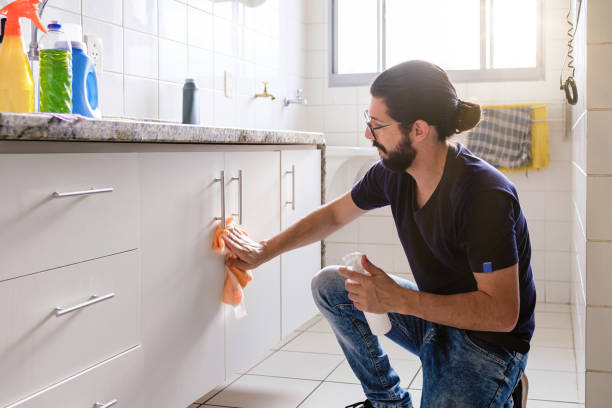
One of the most common mistakes we see is using all-purpose cleaners labeled “safe for all surfaces”—many contain ammonia or alcohol, which can strip matte finishes over time. These harsh chemicals break down the protective coating, leading to uneven sheen and a patchy appearance.
Just because a product claims to be universal doesn’t mean it’s safe for delicate surfaces like matte laminate or painted wood.
Another frequent error is scrubbing too hard with abrasive pads or paper towels. Matte surfaces are more prone to micro-abrasions than glossy ones, and once the texture is compromised, the damage is irreversible. We’ve seen cabinets that started out sleek and modern end up looking dull and worn—all from using the wrong tools. Stick to ultra-soft cloths and light pressure.
People also tend to skip spot testing, assuming a cleaner safe for countertops works on cabinets too. That’s a gamble. Always test any product in an inconspicuous area—like the inside of a corner cabinet—before full application. In our experience, a 24-hour wait after testing reveals hidden reactions like clouding or stickiness that aren’t immediately obvious.
Safe Cleaning Supplies That Won’t Ruin the Finish
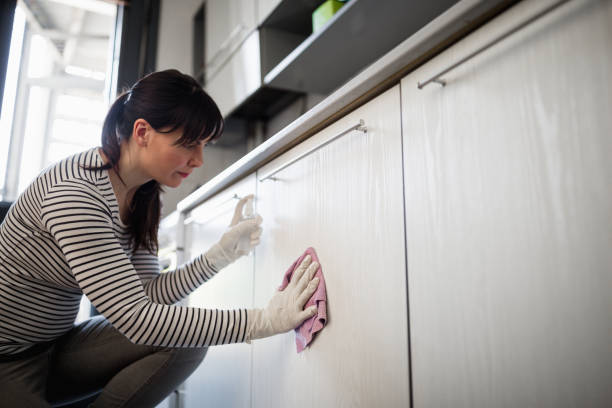
When it comes to matte cabinets, less is more. We recommend sticking to a short list of gentle, effective supplies: a microfiber cloth, distilled white vinegar, mild dish soap (like Dawn or Sunlight), and distilled water. These basics deliver reliable cleaning power without risking the finish. Avoid anything with citrus, bleach, or degreasers—they’re too aggressive for matte surfaces.
A mix of 1 drop of dish soap per 1 cup of water works wonders on greasy buildup near stovetops. Apply it with a lightly dampened microfiber cloth, never sprayed directly on cabinets. Direct spraying can allow moisture to seep into edges and joints, causing swelling or delamination over time.
We found this diluted approach removes grime while preserving the texture and color integrity of the finish.
For disinfecting without damage, a solution of equal parts water and hydrogen peroxide (3%) is a safer alternative to bleach-based sprays. It’s effective against bacteria and mold but breaks down cleanly without residue. Always follow with a dry microfiber pass—this final step ensures no cleaning agents are left behind to dull the surface over time.
Dealing with Sticky Spots and Kitchen Splatter
Sticky spots on matte cabinets often come from cooking oils, sugar residues, or dried spills—especially near stovetops and handles. We recommend tackling them immediately with a damp microfiber cloth and a few drops of mild dish soap. Avoid scrubbing aggressively, as matte finishes can show micro-scratches under light.
In our experience, letting grime sit longer only makes it harder to remove without risking the surface.
For stubborn kitchen splatter—like dried tomato sauce or grease splashes—we suggest a solution of one part white vinegar to three parts water. Lightly dampen the cloth (never soak it), then gently wipe the affected area in a circular motion. Less is more here: excess moisture can seep into seams and cause swelling or finish damage over time.
Always follow up with a dry microfiber cloth.
If residue persists, consider a cabinet-safe degreaser designed for matte surfaces, like Weiman Matte Finish Cleaner. These products are formulated to lift grease without leaving streaks or shine. Never use abrasive cleaners or steel wool—even on matte finishes. We found that a second wipe with distilled water helps prevent mineral buildup, especially in hard water areas.
Prevention-wise, installing a backsplash or using a stovetop splatter guard cuts down on buildup.
How Often Should You Really Clean Matte Finish Cabinets?
| Cleaning Task | Frequency | Recommended Tools | Notes |
|---|---|---|---|
| Dust & Light Wipe-Down | Weekly | Dry microfiber cloth | Prevents buildup; ideal for low-traffic kitchens |
| Surface Cleaning (Handles, Fronts) | Every 2 Weeks | Slightly damp microfiber + mild soap | Focus on high-touch areas prone to oils |
| Deep Clean (Inside, Hinges, Tops) | Every 3–6 Months | Damp cloth, cabinet cleaner, soft brush | Check for moisture accumulation or warping |
| Grease & Splatter Spot Treatment | As needed | Vinegar solution or degreaser | Immediate action prevents staining |
How often you clean matte cabinets depends on cooking frequency, household size, and ventilation. In our experience, homes with daily cooking and gas stoves need more frequent attention—especially around range hoods and handles. A weekly dusting prevents particles from bonding with oils, which can dull the finish over time.
We suggest a full surface clean every two weeks using a lightly dampened microfiber cloth. This routine keeps fingerprints and cooking residue from building up. For homes with lighter use, stretching to every three weeks may be acceptable, but consistency beats intensity—regular light cleaning avoids the need for harsh scrubbing later.
Deep cleaning every 3 to 6 months ensures hidden areas like cabinet tops, hinges, and interiors don’t harbor dust or grease. These zones are often overlooked but can affect air quality and cabinet longevity. We recommend scheduling deep cleans with seasonal changes—it’s easier to remember and helps maintain long-term finish quality without over-cleaning.
Why Paper Towels Are a Bad Idea (And What to Use Instead)
Paper towels might seem convenient, but they’re one of the worst choices for matte cabinets. Their fibers are too rough and can leave behind fine scratches that scatter light, making the surface look uneven. We’ve seen cabinets develop a hazy, worn appearance after repeated use of paper towels—especially when used with cleaning sprays that soften the surface slightly.
Another issue is lint. Paper towels often leave behind tiny fibers that cling to matte finishes, requiring extra wiping to remove. This increases friction and scratch risk. In humid environments, leftover lint can even trap moisture against the surface. We found that even “lint-free” or “premium” paper towels aren’t truly safe—none are designed for delicate, non-reflective surfaces.
Instead, we recommend ultra-soft microfiber cloths—specifically those labeled for eyewear or camera lenses, which are less abrasive. Keep a few dedicated ones just for cabinets. Wash them regularly with fragrance-free detergent to prevent residue buildup. One cloth for dusting, one damp for cleaning, one dry for polishing—this simple system keeps matte cabinets looking pristine without damage.
When to Call It More Than Just Dirt
Over time, matte cabinets can accumulate more than everyday dust and fingerprints—sometimes, what looks like grime is actually a deeper issue. In our experience, if smudges don’t lift with a gentle cleaner and microfiber cloth, you might be dealing with surface degradation or chemical damage.
This often happens when harsh cleaners, high pH detergents, or excessive moisture compromise the matte finish, leaving behind hazy patches that mimic dirt.
We’ve seen cases where homeowners kept scrubbing, thinking persistence would help, only to worsen the damage. If you notice dull spots that feel rough or look lighter than the rest of the surface, it’s likely not dirt—it’s a compromised finish.
Matte laminates and painted surfaces are especially vulnerable to etching from vinegar-based or ammonia-laden products, which strip the low-sheen texture permanently.
When cleaning no longer restores the surface, we recommend stepping back and assessing the material. For thermofused laminate or PVC-finished cabinets, refinishing isn’t usually possible, so replacement panels may be the only fix. But for high-quality matte-painted wood, a professional recoating could revive the look.
In our view, catching this early saves money and prevents unnecessary wear on cabinets that may still have years of life left.
Frequently Asked Questions
Can I use vinegar to clean matte cabinets?
We don’t recommend using vinegar on matte cabinets, as its acidity can damage the finish over time. In our experience, it may cause dulling or etching, especially on painted surfaces. Instead, we recommend a mild dish soap and warm water solution applied with a soft microfiber cloth.
Always rinse with a damp cloth and dry immediately to preserve the matte look and prevent residue buildup.
How do I remove fingerprints from matte cabinets?
Fingerprints are common on matte cabinets due to oils from skin. We’ve found the best way to remove them is with a microfiber cloth slightly dampened with water and a drop of mild dish soap. Gently wipe the affected area in the direction of the grain, then dry with a second clean cloth.
Avoid abrasive cleaners, which can compromise the matte finish and leave streaks.
What should I avoid when cleaning matte finish cabinets?
We strongly advise against using ammonia-based cleaners, bleach, or abrasive scrubbers on matte cabinets. These can strip the finish or create shiny spots. Avoid paper towels, which may scratch the surface. In our experience, even some all-purpose cleaners are too harsh. Stick to gentle, pH-neutral solutions and soft microfiber cloths to maintain the integrity and appearance of your cabinets.
How often should matte cabinets be cleaned?
We recommend cleaning matte cabinets every 1–2 weeks with a damp microfiber cloth to prevent grime buildup. High-use areas like kitchen cabinets may need more frequent attention. For a deeper clean, we suggest a mild soap solution once a month. Regular maintenance helps preserve the finish and prevents the need for aggressive cleaning methods later on.
Can matte cabinets be polished to restore their finish?
Matte cabinets should not be treated with traditional polishes, as these often add shine. Instead, we recommend using a dedicated matte cabinet conditioner or protectant if the surface looks faded. In our experience, products designed for matte finishes help restore appearance without altering the look. Always test in a small area first and follow manufacturer guidelines to avoid damage.
Final Thoughts
Keeping matte cabinets clean doesn’t have to be difficult—we’ve found that consistency and the right supplies make all the difference. By using gentle, non-abrasive methods and avoiding harsh chemicals, you can maintain the sleek, modern look of your cabinets for years.
Protecting the matte finish starts with everyday care, and small habits go a long way in preserving both beauty and durability.
A clean, soft cloth and a simple cleaning solution are all you need to get started today. Make cabinet care part of your regular routine, and you’ll enjoy fresh-looking results without the hassle. In our experience, a little attention now prevents bigger issues down the road—your cabinets will thank you.