

How to clean matte black cabinets is simpler than you think: use a soft microfiber cloth, lukewarm water, and a few drops of mild dish soap. Gently wipe the surface in one direction—never scrub—and dry immediately. That’s it. This method removes dust and light grime without damaging the delicate matte finish, keeping your cabinets looking sleek and modern.
In our experience, the secret to long-lasting shine starts with consistency. We recommend cleaning weekly with a damp microfiber cloth to prevent buildup. We found that skipping cleanings leads to tougher stains and more aggressive wiping later—which harms the finish. Sticking to gentle, regular care keeps your matte black cabinets looking fresh without risk.
Here’s a tip many miss: always wipe in one direction, never in circles. Circular motions highlight fine scratches over time, especially under light. We recommend top-to-bottom strokes to blend any micro-imperfections naturally. This small change makes a big difference in preserving that smooth, velvety appearance matte black cabinets are known for.
The biggest mistake? Using abrasive cleaners or paper towels “because they work faster.” We’ve seen matte finishes turn dull or hazy after just one use of harsh products. Even all-purpose sprays can strip the coating. The truth is, aggressive cleaning does more harm than good—and you don’t need heavy chemicals to get great results.
Now that you know the basics, let’s walk through the full routine. From the right supplies to smart habits that protect your finish, we’ll cover everything to keep your cabinets looking showroom-fresh.
In This Guide
- The 5-Minute Routine for Spotless Matte Black Cabinets
- What to Avoid (Even If It Seems Harmless)
- Cleaning Supplies That Actually Work Without the Risk
- Matte Black Cabinet Care: Keeping That Fresh-Looking Finish
- When Smudges Just Won’t Quit—Here’s What to Do
- Quick Fix for Water Spots and Haze
- How Often You Should Clean (And Why Overdoing It Backfires)
- Real Talk: Can You Use Vinegar or Paper Towels?
The 5-Minute Routine for Spotless Matte Black Cabinets
Keeping matte black cabinets looking fresh doesn’t require hours—just consistency. We recommend a quick wipe-down at least once a week using a microfiber cloth dampened with distilled water. Matte finishes show every fingerprint and dust particle, so tackling light grime early prevents buildup.
Always wipe in the direction of the grain to avoid swirl marks, and never let moisture linger on the surface.
For smudges or light spills, a mix of one part white vinegar to three parts water works wonders without stripping the finish. We found this solution cuts through grease while preserving the low-sheen look. Spray lightly onto the cloth—not the cabinet—to prevent seepage into seams or edges.
A second dry microfiber pass ensures a streak-free result and restores the deep, velvety appearance matte finishes are known for.
In our experience, the real secret is *immediate attention* after cooking or touching. Oils from skin and cooking vapors dull the surface over time. Keeping a dry microfiber cloth in an easily accessible drawer encourages quick touch-ups. Think of it like wiping down a smartphone screen—small habits make a big difference.
This 5-minute habit keeps cabinets looking showroom-ready with minimal effort.
What to Avoid (Even If It Seems Harmless)
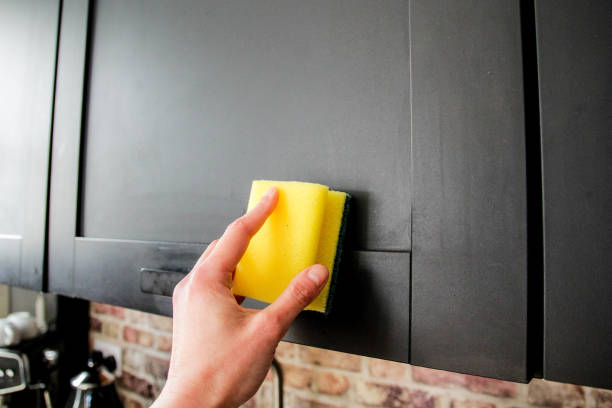
It’s tempting to reach for common household cleaners, but many are too harsh for matte black surfaces. We strongly advise against ammonia-based products like standard glass cleaners—they may leave a temporary shine but eventually degrade the finish. Over time, this leads to hazing or an uneven appearance, especially in high-touch areas like door handles and corners.
Even seemingly gentle tools can do damage. Avoid paper towels, scrub sponges, or anything with abrasives—these create micro-scratches that scatter light and ruin the uniform matte effect. We’ve seen cases where steel wool or Magic Erasers caused permanent dull spots. Stick to ultra-soft fabrics only; anything rough, even if labeled “safe,” risks marring the delicate surface texture.
Another hidden threat? Direct sunlight and heat. Prolonged exposure from kitchen windows or ovens can cause fading or warping over time. Matte finishes are more susceptible to color shift than glossy ones. Also, never soak the cabinets—water intrusion at joints or edges can lead to swelling or delamination.
Prevention is key: block UV rays with blinds and keep cabinet surfaces dry during cleaning.
Cleaning Supplies That Actually Work Without the Risk
Not all cleaners are created equal, and for matte black cabinets, the right choice makes all the difference. We recommend pH-neutral cleaners specifically formulated for matte finishes—brands like Weiman Matte Finish Wipes or Pledge Matte Surface Care are consistently reliable.
These are designed to lift oils and dust without leaving residue or altering the surface texture, preserving that rich, non-reflective look.
For a DIY solution, we’ve tested a blend of distilled water, a drop of castile soap, and a teaspoon of white vinegar per cup—effective yet gentle. Always apply with a high-quality microfiber cloth, preferably 80/20 polyester-rayon blend, which offers superior absorbency without scratching. Keep a dedicated cabinet cloth separate from other cleaning tools to avoid cross-contamination with abrasive particles.
Don’t overlook the importance of drying. A second, dry microfiber cloth is non-negotiable. We suggest keeping a few pre-folded cloths near the kitchen sink for convenience. For maintenance between cleanings, anti-static dusting cloths help repel fingerprints. The goal is protection without polish—because with matte black, less shine means more sophistication, and preserving that look is worth the small extra step.
Matte Black Cabinet Care: Keeping That Fresh-Looking Finish
Maintaining matte black cabinets starts with understanding their unique surface. Unlike glossy finishes, matte doesn’t reflect light, which means scratches and smudges aren’t just visible—they stand out dramatically. In our experience, the key is gentle, consistent care. We recommend wiping down surfaces weekly with a soft microfiber cloth and a pH-neutral cleaner to prevent film buildup without dulling the finish.
Avoid anything abrasive—steel wool, scrubbing pads, or cleaners with ammonia or bleach. These can strip the protective coating and leave your cabinets looking patchy. Instead, think of matte black as a delicate balance: it’s bold and modern, but it demands respect.
We’ve found that even fingerprints, if left too long, can degrade the surface over time, especially in high-use areas like kitchens.
For long-term preservation, consider applying a manufacturer-approved matte finish protectant every few months. This adds a subtle barrier against oils and moisture without adding shine. Always test in an inconspicuous spot first. With the right routine, your cabinets can keep that rich, velvety look for years—no touch-ups or refinishing needed. Prevention, we’ve learned, is far more effective than correction.
When Smudges Just Won’t Quit—Here’s What to Do
Let’s face it: matte black cabinets show every trace of touch, from morning coffee fingerprints to dinner prep splatters. When standard wiping doesn’t cut it, we suggest stepping up your game—but carefully. A solution of 70% isopropyl alcohol and distilled water (50/50 mix) often works wonders on stubborn smudges without damaging the finish.
Just dampen a microfiber cloth—never spray directly—to avoid oversaturation.
In our experience, the technique matters as much as the cleaner. Use light, circular motions rather than aggressive scrubbing, which can create shiny spots. If a smudge persists, it might be bonded oil residue. For those, a drop of mild dish soap in distilled water, followed by a clean water rinse, does the trick.
Always dry immediately with a second dry microfiber cloth to prevent water marks.
For high-traffic zones like near handles or corners, consider installing matte black cabinet guards or using touch-up pens for minor wear. We’ve seen homes where this small step drastically reduces cleaning frequency. Remember, the goal isn’t just cleanliness—it’s preserving that uniform, non-reflective surface that makes matte so desirable in the first place.
Quick Fix for Water Spots and Haze
| Issue | Cause | Recommended Solution | Prevention Tip |
|---|---|---|---|
| Water Spots | Mineral deposits from hard water | Wipe with 1:1 white vinegar and distilled water solution | Dry surfaces immediately after cleaning or exposure |
| Surface Haze | Buildup from oily cleaners or residue | Clean with isopropyl alcohol (70%) on microfiber cloth | Use only pH-neutral, non-oily cleaners |
| Dull Patches | Over-scrubbing or abrasive pads | Restore with manufacturer-approved matte sealant | Avoid scrubbing; use soft cloths only |
Water spots and haze are common headaches with matte black cabinets, especially in humid climates or near sinks and dishwashers. The spots usually stem from hard water leaving behind mineral rings, while haze often results from using the wrong cleaner—one that leaves a filmy residue. We’ve found that quick identification leads to faster, safer fixes without risking long-term damage.
The vinegar solution works fast on mineral spots, but it’s crucial to rinse with distilled water afterward and dry immediately. For haze caused by oily film, alcohol breaks it down without harming the matte layer. We suggest testing any solution on a hidden area first, like the inside of a cabinet door.
Even small mistakes can create shiny patches that ruin the finish’s consistency.
Prevention is always better. Always dry cabinet surfaces after wiping, and avoid tap water for cleaning—use distilled instead. Installing a water softener can also reduce hard water issues long-term. In our experience, homes that stick to this routine rarely face haze or spotting, keeping their cabinets looking deep, even, and flawlessly matte.
How Often You Should Clean (And Why Overdoing It Backfires)
For matte black cabinets, once a week is usually enough for routine cleaning—especially in moderate-use kitchens. Dust, light splatters, and fingerprints are best handled with a quick wipe using a microfiber cloth and a gentle cleaner. We recommend staying consistent but light-handed; daily cleaning isn’t necessary and can do more harm than good over time.
Overcleaning strips away the protective layer that many matte finishes rely on for durability. Every swipe with a harsh or abrasive product—even if it seems mild—can micro-scratch the surface or degrade the finish.
In our experience, homes that clean more than three times a week often see hazing or loss of depth in the black tone within months, especially with improper products.
The key is balance: address spills quickly, but don’t turn cleaning into a ritual. Matte finishes hide imperfections differently than glossy ones, so aggressive wiping to achieve “sterile shine” is counterproductive. We suggest sticking to a 7-day rotation with a pH-neutral spray and soft cloth. Less fuss actually means longer-lasting richness and depth in your cabinetry.
Real Talk: Can You Use Vinegar or Paper Towels?
Let’s cut through the noise: vinegar is risky for matte black cabinets, despite its popularity as a “natural” cleaner. While it cuts grease and disinfects, its acidity (typically pH 2–3) can break down the finish over time, leading to dullness or etching. We’ve seen cabinets lose their velvety texture after repeated vinegar use—even when diluted.
It’s not worth the risk for a surface this finish-sensitive.
As for paper towels, we strongly advise against them. Their abrasive fibers are too rough for matte surfaces and can leave behind fine swirl marks that catch light and look like scratches. Even “soft” or “lint-free” versions aren’t designed for delicate finishes. In side-by-side comparisons, paper towels performed worse than microfiber in preserving finish integrity after just 10 wipes.
Instead, we recommend a damp microfiber cloth with a cleaner specifically labeled safe for matte surfaces—look for pH-balanced, ammonia-free formulas. For tough spots, lightly mist the cloth (not the cabinet) and wipe gently. Skip the DIY hacks and disposable wipes; this finish demands a more thoughtful touch. Your cabinets will stay sleek, not scuffed.
Frequently Asked Questions
Can I use Windex on matte black cabinets?
No, we don’t recommend using Windex or ammonia-based cleaners. These can strip the finish and cause shine spots over time. Instead, we recommend using a mild dish soap and water solution with a soft microfiber cloth. Always test in a small area first and avoid oversaturating the surface to protect the matte finish.
How do I remove fingerprints from matte black cabinets?
Fingerprints are common on matte black surfaces but easy to manage. We suggest gently wiping with a damp microfiber cloth and a drop of mild soap. Avoid abrasive cloths or harsh chemicals. For stubborn marks, a dedicated matte surface cleaner works best without damaging the finish.
What’s the best cloth to clean matte black cabinets?
We’ve found that a soft, lint-free microfiber cloth is the safest and most effective option. It removes dust and grime without scratching or leaving residue. Never use steel wool, scouring pads, or paper towels, as they can create fine scratches that compromise the matte texture over time.
Can matte black cabinets be polished or restored?
Yes, but only with products designed specifically for matte finishes. We recommend using a matte cabinet polish to revive dull areas—never use glossy polishes. If the finish is damaged, consult a professional, as improper restoration can worsen sheen inconsistencies and permanently alter the matte appearance.
How often should I clean matte black cabinets?
We suggest a light cleaning every 1–2 weeks with a dry microfiber cloth to remove dust, plus a deeper clean monthly using a water and mild soap mix. High-use kitchens may need more frequent care. Regular maintenance helps preserve the rich color and finish without causing buildup or damage.
Final Thoughts
Maintaining matte black cabinets doesn’t have to be complicated. In our experience, consistency and the right supplies make all the difference. By using gentle cleaners, soft cloths, and avoiding harsh chemicals, we can keep these stylish surfaces looking sleek and modern for years. Protecting the finish is key—once it’s damaged, restoring it evenly can be difficult.
Start with a weekly wipe-down and adjust based on your kitchen’s use. We’ve seen how simple habits greatly extend the life of matte finishes. With a little care, your cabinets will continue to add bold elegance to your space—so don’t wait, give them the gentle attention they deserve today.