
How to clean kitchen cabinets with Dawn is simple: mix a few drops of Dawn dish soap with warm water, then wipe down cabinet surfaces with a soft cloth. This cuts through grease, removes grime, and leaves wood and laminate looking fresh—no harsh chemicals needed. It’s a quick, affordable method we’ve used countless times with great results.
In our experience, this gentle cleaning approach works on most cabinet finishes without causing damage. We recommend always starting with a small, inconspicuous area to test. We found that using too much soap or water can leave residue or invite moisture damage—so less really is more when you’re using Dawn to clean cabinets.
Here’s a tip most guides miss: use a microfiber cloth dampened with the soapy solution, never soaking wet. Then follow immediately with a second cloth dampened with clean water to rinse. This two-cloth method prevents soap buildup, which can make cabinets feel sticky—even after drying.
The biggest mistake? Thinking more Dawn equals better cleaning. Over-sudsing leaves a filmy residue that attracts more dirt over time. We’ve seen cabinets look dirtier just days after cleaning because of this. Stick to just a few drops—Dawn is concentrated and powerful, so you don’t need much for strong results.
Now that you know the basics, let’s walk through the full process step by step—so your cabinets come out clean, shiny, and residue-free every time.
In This Guide
- The Simple Dawn Dish Soap Method That Gets Cabinets Looking New
- What You’ll Actually Need (No Fancy Cleaners Required)
- Step-by-Step: How to Clean Kitchen Cabinets with Dawn Without Damaging Them
- When to Skip the Dish Soap: Surfaces That Hate Dawn
- Dealing with Sticky Residue and Grease Buildup
- Best Ways to Rinse and Dry After Using Dawn
- Avoid These 4 Mistakes Everyone Makes
- How Often You Should Be Cleaning with Dawn (And When to Deep Clean)
The Simple Dawn Dish Soap Method That Gets Cabinets Looking New
Over time, kitchen cabinets collect a stubborn mix of grease, cooking splatter, and everyday grime—especially near the stove and handles. We’ve found that Dawn dish soap cuts through this buildup better than most specialty cleaners, thanks to its powerful degreasing formula.
In our experience, it’s gentle enough for most finishes but strong enough to deliver noticeably cleaner surfaces with minimal scrubbing.
What makes this method so effective is its simplicity. You don’t need industrial chemicals or expensive sprays—just a few drops of Dawn mixed with warm water. This solution breaks down oils without stripping the cabinet’s finish, making it ideal for wood, laminate, and painted surfaces.
We recommend this approach because it consistently brings back the original luster of cabinets, even after years of kitchen use.
Plus, it’s safe for homes with kids and pets, unlike many chemical-laden alternatives. The mild scent dissipates quickly, and there’s no toxic residue left behind. We’ve seen cabinets go from dull and greasy to bright and fresh in under 30 minutes using just this one ingredient. It’s a game-changer for anyone wanting a deep clean without the harshness.
What You’ll Actually Need (No Fancy Cleaners Required)
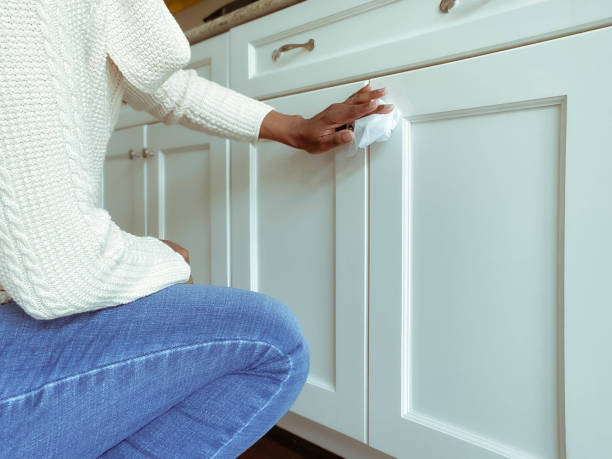
One of the best things about cleaning cabinets with Dawn is that you probably already have everything in your kitchen. We suggest grabbing a few basic tools: a bucket, warm water, a few drops of Dawn original formula (or Dawn Free & Clear for sensitive finishes), a soft microfiber cloth, and a second clean, dry cloth for wiping.
That’s it—no special sprays, no abrasive pads.
For tougher grime around handles and hinges, a soft-bristled toothbrush works wonders without scratching. We’ve found that using the wrong tools—like paper towels or steel wool—can actually damage the finish, so stick to non-abrasive materials. If your cabinets are especially greasy, a sponge with a gentle scrub side can help, but avoid anything too rough.
You might also want a step stool for upper cabinets and a pair of rubber gloves if you’re doing a deep clean. While not essential, gloves protect your hands from prolonged water exposure. We recommend using distilled water if your tap water is hard, to prevent mineral spots on glossy finishes.
Overall, this is a minimalist, budget-friendly approach that delivers professional-level results.
Step-by-Step: How to Clean Kitchen Cabinets with Dawn Without Damaging Them
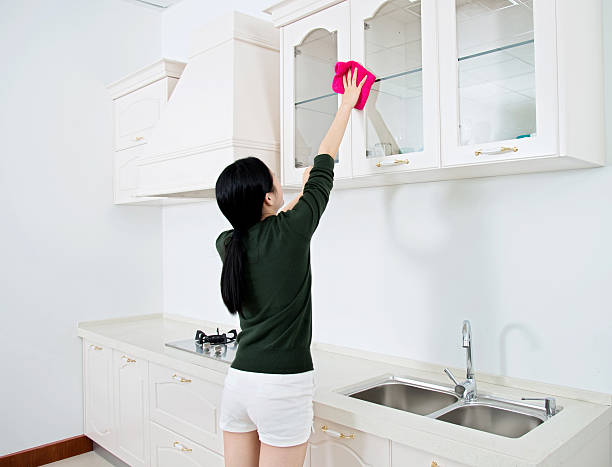
Start by removing items from the cabinet doors and drawers, then take down hardware like knobs and pulls if possible. This makes cleaning easier and prevents cleaner from pooling around edges. We recommend laying hardware on a towel in a bowl so you don’t lose any.
Next, mix 2 drops of Dawn per cup of warm water—more soap isn’t better, and residue can build up.
Dip a microfiber cloth into the solution, wring it out well, and wipe the cabinet surface using gentle, circular motions. Focus on high-touch areas like handles and edges where grease accumulates. For crevices, use the soft toothbrush dipped in the same solution. We found that working in small sections prevents the solution from drying and leaves a more even finish.
Rinse your cloth with clean water, wring it out, and wipe down each section to remove any soap residue. Then, immediately dry with a second clean, dry microfiber cloth to prevent water spots or warping, especially on wood. For best results, clean upper cabinets first to avoid drips on finished surfaces.
This method keeps cabinets looking fresh without risking long-term damage.
When to Skip the Dish Soap: Surfaces That Hate Dawn
While Dawn dish soap is a powerhouse for cutting grease, it’s not a one-size-fits-all solution. We’ve found that porous or unsealed wood surfaces can absorb the soap, leading to discoloration or warping over time.
Natural stone like marble or granite may also suffer if Dawn isn’t thoroughly rinsed, as its alkaline content can dull the finish or erode sealants with repeated exposure.
Laminate finishes with worn edges or cracked veneers are another no-go zone. Moisture mixed with soap can seep beneath the surface, causing delamination or bubbling—a common issue in older kitchens. In our experience, even some painted cabinets labeled “semi-gloss” can lose their luster if exposed to dish soap too frequently, especially if the paint is older or low-quality.
Always test in an inconspicuous area first—like behind a hinge or inside a corner. If the surface feels sticky, looks cloudy, or shows water spots after drying, it’s a clear signal to switch to a gentler cleaner. For these sensitive materials, we suggest pH-neutral cleaners specifically designed for cabinetry or stone care.
Dealing with Sticky Residue and Grease Buildup
Sticky residue on kitchen cabinets often stems from cooking oils, sugar-based spills, or old cleaning product buildup. We recommend starting with a solution of warm water and 1–2 teaspoons of Dawn per quart—this dilution is strong enough to cut through grime but gentle enough to avoid damage.
Apply with a soft microfiber cloth, focusing on high-touch areas like handles and upper cabinet fronts near the stove.
For heavy grease buildup, especially above stovetops, let the solution sit for 3–5 minutes to break down the film. A soft-bristle brush (like an old toothbrush) works wonders for textured or grooved cabinet doors. In our experience, reapplying a second round on stubborn spots yields better results than scrubbing aggressively, which can scratch finishes.
Rinse thoroughly after cleaning to prevent soap residue from attracting more dirt. If stickiness persists, it may be due to overuse of oil-based polishes or adhesive left behind by decals. In such cases, a diluted vinegar solution (1:1 with water) can help neutralize residues—just follow up quickly with a Dawn rinse to avoid lingering odors.
Best Ways to Rinse and Dry After Using Dawn
| Method | Best For | Rinsing Tips | Drying Approach |
|---|---|---|---|
| Microfiber Cloth Wipe-Down | Light cleaning, sealed wood, painted cabinets | Dampen cloth with clean water; wipe in direction of grain | Immediately follow with dry microfiber to prevent streaks |
| Spray Bottle Rinse | Laminate, flat-panel doors, large surface areas | Mist lightly—avoid oversaturation near seams | Use a squeegee or lint-free towel for quick drying |
| Double-Cloth Technique | Textured or detailed cabinetry | One cloth for soapy water, second for plain water rinse | Third dry cloth ensures no moisture traps in crevices |
Proper rinsing is critical when using Dawn dish soap—leftover suds can leave a filmy, sticky layer that attracts dust and grease faster than before. We found that a dedicated rinse step, separate from the cleaning pass, dramatically improves results. Using clean water on a fresh cloth or spray bottle helps lift residual soap without redepositing grime.
In our experience, the double-cloth technique is the gold standard for detailed cabinets with grooves or molding. One cloth applies the Dawn solution, the second dampened with plain water removes soap, and a third, dry microfiber finishes the job. This method minimizes water exposure while ensuring a spotless outcome.
Drying promptly prevents water spots and protects finishes, especially on particleboard or MDF cores common in budget cabinets. Air drying may seem convenient, but it increases the risk of swelling or warping. We suggest working in small sections to maintain control and consistency from top to bottom.
Avoid These 4 Mistakes Everyone Makes
One of the most common errors we see is using Dawn dish soap straight from the bottle—no dilution. That concentrated formula is great for grease on pans, but on cabinets, it leaves behind a sticky residue.
In our experience, mixing one tablespoon of Dawn with two cups of warm water strikes the perfect balance between cleaning power and safe residue-free results, especially on finished wood or laminate surfaces.
Another frequent misstep is reaching for abrasive tools like steel wool or harsh scrub pads. These can scratch finishes and dull cabinet surfaces over time, making them more prone to grime buildup. Instead, we recommend using a microfiber cloth or soft sponge that lifts away grease without damage.
Gentle pressure with the right tools removes years of kitchen splatter without harming the surface.
People also tend to skip the rinse step, thinking a quick wipe is enough. But leftover soap can attract dust and become tacky. After cleaning, we suggest going over the surface with a damp cloth using plain water to neutralize any remaining suds.
And never forget ventilation—keeping windows open or fans on helps prevent moisture from seeping into joints and causing warping or mold.
How Often You Should Be Cleaning with Dawn (And When to Deep Clean)
For most kitchens, a light wipe-down every two weeks keeps grease and fingerprints under control without overdoing it. We’ve found this routine especially effective in homes with regular cooking—think nightly dinners and weekend baking.
A quick spray of the diluted Dawn solution and a pass with a microfiber cloth maintains shine and prevents buildup, particularly around handles and near the stove.
When it comes to deep cleaning, every 3 to 4 months is ideal, depending on cooking habits. If you fry often or use a gas stove, you might need to deep clean more frequently—closer to every 8 weeks.
During these sessions, we suggest removing cabinet hardware, cleaning inside corners, and giving doors and frames a thorough scrub to tackle hidden grime and sticky residues.
Seasonal changes are a great reminder to schedule a deep clean. We recommend syncing it with spring cleaning or post-holiday kitchen resets when you’re already refreshing the space. Watch for visual cues like dull finishes or smudges that don’t come off easily—those are clear signs it’s time.
Regular maintenance with Dawn keeps cabinets looking newer for longer, saving you from costly refinishing down the road.
Frequently Asked Questions
Can I use Dawn dish soap to clean wood kitchen cabinets?
Yes, we recommend using Dawn dish soap for wood cabinets when diluted properly. Mix a few drops with warm water and use a soft cloth to gently clean the surface. Rinse with a damp cloth and dry immediately to prevent water damage. In our experience, this method effectively removes grease without harming the wood’s finish when done carefully.
How do I remove grease from kitchen cabinets with Dawn?
We’ve found that a solution of 1 teaspoon of Dawn in a bowl of warm water works best for cutting through grease. Dip a microfiber cloth into the mixture, wring it out well, and wipe the cabinets. For stubborn spots, let the solution sit for 1–2 minutes before wiping. Always follow with a clean, damp cloth to remove soap residue.
Do I need to rinse cabinets after cleaning with Dawn?
Yes, we recommend rinsing cabinets with a clean, damp cloth after using Dawn to remove any soap residue that can attract dirt or leave a film. Never let soapy water sit on the surface. Drying immediately with a soft towel also helps prevent moisture damage, especially on wood or laminate finishes.
Can I mix Dawn with vinegar to clean cabinets?
While some people mix Dawn and vinegar, we advise against it for wood cabinets because vinegar can degrade the finish over time. For painted or laminate cabinets, the mixture may work occasionally, but in our experience, a simple Dawn and water solution is safer and just as effective for most cleaning needs.
How often should I clean kitchen cabinets with Dawn?
We suggest cleaning cabinets with Dawn every 3–6 months, depending on cooking frequency. High-grease kitchens may need cleaning every 2–3 months. Regular dusting and spot cleaning in between helps extend time between deep cleans. In our experience, consistent light maintenance prevents buildup and makes deep cleaning much easier.
Final Thoughts
Cleaning kitchen cabinets with Dawn is a simple, affordable way to tackle grease and grime without harsh chemicals. We’ve found that with the right technique—diluting the soap, using soft cloths, and rinsing thoroughly—most cabinet types stay clean and undamaged. This method works well across wood, laminate, and painted surfaces when handled gently and consistently.
Now that you know how to clean your cabinets safely and effectively, pick a weekend to give them some attention. Even a quick wipe-down can make a big difference in your kitchen’s look and feel. We’ve seen how small efforts like this boost both cleanliness and confidence in the heart of the home.