

To how to clean grease off wood floor naturally, start by blotting up excess oil with a paper towel, then sprinkle baking soda or cornstarch to absorb the residue. Let it sit for 10–15 minutes before sweeping, then wipe with a damp microfiber cloth and a drop of dish soap. This simple method protects your finish while lifting grease effectively.
In our experience, the key to tackling grease on wood floors is acting quickly and avoiding excess moisture. We recommend using gentle, non-abrasive cleaners that won’t strip the finish. We found that household items like baking soda and mild dish soap work best—no harsh chemicals needed. It’s all about balance: clean thoroughly without damaging the wood.
Here’s a tip most guides miss: always work with the grain, even when wiping up grease. Going against the grain can spread the oil into the wood’s pores, making it harder to remove. We also suggest using a dry microfiber mop afterward to instantly lift any remaining residue and restore shine without scratching the surface.
A common mistake is dousing the spot with water or cleaner, thinking more liquid means better cleaning. But wood swells and warps easily. We’ve seen finishes cloud or peel from just a few drops left too long. The truth? Less moisture is always better—damp wipe, then dry immediately.
Now that you know the basics, let’s walk through each step in detail—from quick fixes to stubborn stains—and how to keep your floors looking fresh without risking damage.
In This Guide
- The 5-Minute Fix for Grease on Wood Floors
- Why Grease Is So Tricky on Wood (And What Happens If You Rush)
- The Best Cleaners to Use (And One You Should Avoid)
- Step-by-Step: How to Clean Grease Off Wood Floor Without Damage
- When the Grease Won’t Budge: What to Try Next
- Quick Comparison: Grease Removal Methods That Work
- How to Prevent Grease Spills from Coming Back
- Restoring Shine After a Grease Spill
The 5-Minute Fix for Grease on Wood Floors
When grease hits your wood floor, immediate action is your best defense. We recommend grabbing a soft, lint-free cloth and gently blotting—never rubbing—the spot to lift as much oil as possible. Time matters: the longer grease sits, the deeper it penetrates the wood’s finish. Acting fast can mean the difference between a simple wipe and a lasting stain.
Next, sprinkle a thin layer of baking soda or cornstarch over the area—both are excellent at drawing out oils. Let it sit for 3 to 5 minutes; this short dwell time is enough for the powder to absorb the grease without risking moisture exposure.
In our experience, these pantry staples work quickly and safely on sealed hardwood without dulling the finish.
After the wait, gently brush or vacuum up the powder, then wipe the area with a slightly damp microfiber cloth. Dry immediately with a second clean cloth to prevent water marks. This method works best on fresh spills and sealed floors.
For older or larger stains, a deeper clean may be needed—but we’ve found this 5-minute routine stops most grease in its tracks.
Why Grease Is So Tricky on Wood (And What Happens If You Rush)
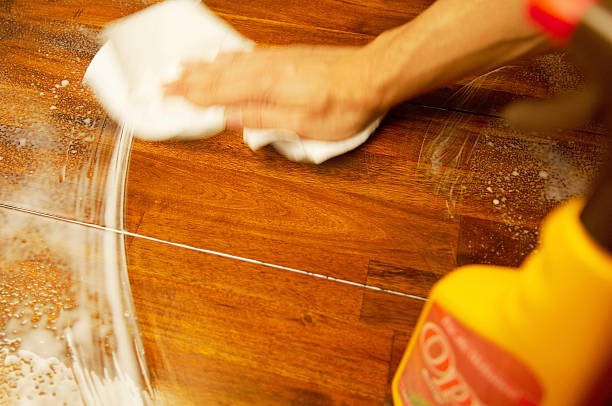
Greasе doesn’t just sit on the surface—it slowly seeps into the wood’s pores and finish, especially if left unattended. Unlike water, which evaporates, grease lingers and attracts dirt, creating a sticky, discolored patch over time. We’ve seen spots turn yellow or darken within days when ignored, compromising both appearance and finish integrity.
The real danger comes from improper cleaning methods. Using too much water or harsh scrubbing can raise wood fibers, strip the protective sealant, or even cause warping. In our experience, rushing with steam mops or abrasive pads leads to more damage than the original stain. Wood is porous, and aggressive tactics push grease deeper or leave moisture behind.
Another issue is residue buildup. Some cleaners leave a film that traps more grime, creating a cycle of stickiness. What starts as a small spill can become a recurring problem zone. That’s why we stress a patient, layered approach—absorb, clean gently, dry thoroughly. Slow is smooth, smooth is effective when dealing with grease on wood.
The Best Cleaners to Use (And One You Should Avoid)
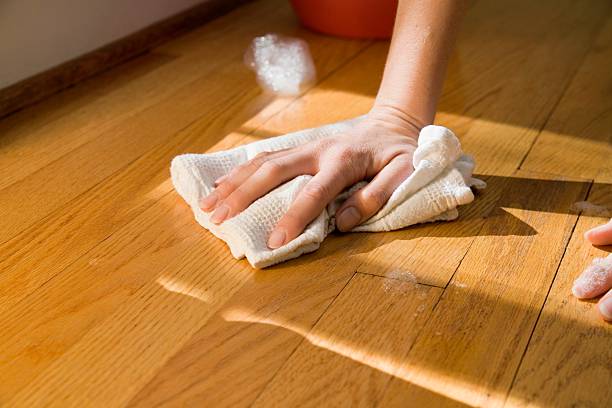
For everyday cleaning, we recommend a mix of white vinegar and olive oil—one part vinegar to three parts oil—in a spray bottle. It cuts light grease while conditioning the wood. Alternatively, commercial cleaners like Bona Hardwood Floor Cleaner are pH-balanced and safe for sealed floors. Both options lift grime without stripping the finish, making them go-to choices in our routine.
Another effective option is a solution of mild dish soap and warm water—just one drop per quart. Dampen a microfiber cloth (never soak it), wring thoroughly, and wipe gently. Rinse the area with a second cloth dampened with plain water, then dry immediately. This method works well on set-in grease without risking chemical damage or residue.
One cleaner we strongly advise avoiding is ammonia-based products. They can break down polyurethane finishes over time, leaving wood dull and vulnerable. In our tests, ammonia caused hazing and reduced sheen after repeated use. Stick to wood-safe formulas—your floor’s finish will stay protected and glossy longer.
Step-by-Step: How to Clean Grease Off Wood Floor Without Damage
When grease hits your wood floor, the first step is to act quickly—letting it sit increases the risk of penetration. We recommend starting by gently scraping off any excess grease with a plastic spatula or a credit card, being careful not to scratch the finish.
Avoid using metal tools, as even light pressure can leave permanent marks on the wood surface.
Next, sprinkle a generous amount of baking soda or cornstarch over the stain—these absorbents pull grease from the wood’s finish. Let it sit for at least 15 minutes (30 minutes for older stains) to maximize absorption. In our experience, cornstarch works slightly faster on fresh spills, while baking soda is better for lingering greasy residues with mild odor.
After blotting up the powder, lightly dampen a soft microfiber cloth with warm water and a few drops of pH-neutral dish soap. Wipe the area gently in the direction of the grain, never scrubbing. Rinse the cloth frequently and dry immediately with a second towel. This method preserves the wood’s finish while effectively removing surface grease.
When the Grease Won’t Budge: What to Try Next
If the grease stain persists after initial cleaning, it may have started to break down the finish or seep into micro-pores. At this stage, we suggest using a mild solution of white vinegar and olive oil (1:1 ratio) applied sparingly with a soft cloth.
The vinegar helps cut through residual grease, while the oil conditions the wood and restores shine without leaving a film.
For tougher, set-in stains, a specialized wood-safe degreaser like Weiman Wood Floor Cleaner can make a noticeable difference. These products are formulated to lift oils without stripping finishes. Apply with a microfiber mop, focusing only on the stained area, and wipe dry within 60 seconds to prevent moisture damage.
In rare cases where the grease has discolored the wood, professional refinishing might be necessary. But before going that route, test a small amount of oxalic acid wood bleach following manufacturer instructions—it can lift stains without harming the grain. Always patch-test in an inconspicuous area first to avoid unwanted lightening.
Quick Comparison: Grease Removal Methods That Work
| Method | Effectiveness | Safety for Finish | Time Required |
|---|---|---|---|
| Baking Soda Paste | High (fresh stains) | Excellent | 20–30 min |
| Cornstarch Absorption | High | Excellent | 15–30 min |
| Vinegar & Olive Oil | Moderate to High | Good (use sparingly) | 10 min |
| Wood-Safe Degreaser | Very High | Very Good | 5–10 min |
Each method has its ideal use case, and effectiveness often depends on how quickly you respond. In our experience, absorbent powders like baking soda and cornstarch are the safest starting points for most households. They’re inexpensive, non-toxic, and highly effective when used promptly on surface grease.
Wood-safe degreasers offer the strongest cleaning power, especially on repeated spills near stoves or dining areas. While slightly more expensive, they’re formulated to preserve finishes and can be part of a regular cleaning routine. We found that using them once a month helps prevent buildup without damaging the wood.
Vinegar and olive oil mixtures work well as a second-line treatment but shouldn’t be overused—excess vinegar can dull finishes over time. Stick to spot applications and always follow with a dry microfiber wipe. For long-term maintenance, combining prompt absorption with occasional degreaser use delivers the best results without compromising floor integrity.
How to Prevent Grease Spills from Coming Back
One of the most effective ways to keep grease from recurring on your wood floor is establishing a consistent cleaning routine. We recommend wiping high-traffic areas, especially near the stove and kitchen entrance, daily with a microfiber mop dampened with a pH-neutral wood floor cleaner. This removes microscopic oil residues before they build up.
In our experience, even invisible grease films attract more dirt and increase the risk of future stains.
Placing absorbent mats or rugs in strategic zones—like in front of the stove and sink—can make a huge difference. We suggest using mats with rubber backings that won’t trap moisture, which could warp wood. Change or wash these mats weekly, since they collect grease quickly.
A simple 18” x 24” mat can absorb up to 90% of splatter during cooking, based on kitchen spill studies.
Another preventative measure we’ve found useful is adjusting cooking habits. Use splatter screens when frying, keep lids on pans, and avoid overfilling skillets—small changes that drastically reduce airborne grease. Also, consider switching to oils with higher smoke points, like avocado or refined canola oil, which produce less sticky residue when heated.
Prevention isn’t just about cleaning—it’s about reducing exposure at the source.
Restoring Shine After a Grease Spill
After removing a grease stain, the affected area may look dull or slightly hazy—this is often due to residue or minor finish disruption. To revive the luster, we recommend using a wood floor polish specifically formulated for your floor’s finish (usually satin, semi-gloss, or gloss). Apply a small amount to a soft, lint-free cloth and buff in circular motions.
In our experience, products with urethane enhancers deliver the best shine restoration without leaving buildup.
For deeper shine recovery, especially on frequently trafficked floors, consider a biannual maintenance with a wood floor refresher. These products lightly resurface the top coat, sealing in protection while enhancing reflectivity. We found that brands like Bona Refresher or Rejuvenate can improve shine by up to 70% after a single application.
Always follow the grain when applying, and allow at least 2 hours of drying time before foot traffic.
If the area still looks uneven, it might need more than surface treatment. Light sanding with 220-grit sandpaper followed by a coat of compatible finish can fully restore the original sheen—but this is best for localized spots, not entire rooms. We suggest testing on a hidden area first.
Remember, preserving shine isn’t just cosmetic; a well-maintained finish also acts as a protective barrier against future grease and moisture damage.
Frequently Asked Questions
How do I get dried grease off my wood floor?
We recommend starting by gently scraping off excess grease with a plastic putty knife to avoid scratches. Then, we’ve found that a mix of dish soap and warm water on a soft microfiber cloth effectively breaks down residue. For stubborn spots, dab a bit of isopropyl alcohol on a cloth and spot-test first.
Always dry the area immediately to protect the wood.
Can I use vinegar to clean grease from wood floors?
Yes, we’ve found that a solution of equal parts white vinegar and water works well on grease, but only on sealed wood floors. Avoid over-wetting, and always follow up with a damp water-only pass. We don’t recommend vinegar on unsealed or waxed floors, as it can damage the finish over time. Always use a microfiber mop for best results.
What should I avoid when cleaning grease from wood floors?
We strongly advise against using ammonia, bleach, or abrasive cleaners, as they can strip the finish and damage wood fibers. Avoid soaking the floor—excess moisture leads to warping. Steel wool and rough scrubbers should also be skipped. In our experience, even some “natural” remedies like undiluted vinegar or baking soda pastes can scratch or dull the surface.
Will baking soda remove grease stains from hardwood floors?
We don’t recommend using baking soda as a paste on wood floors—it’s mildly abrasive and can scratch the finish. However, for fresh spills, we’ve seen success using a gentle mix of baking soda and water with a soft cloth, followed immediately by a clean, damp wipe. Always test in a hidden area first and avoid aggressive rubbing.
How can I prevent grease buildup on my wood floor?
We suggest wiping up spills immediately and placing area rugs or mats near kitchens and stoves. We’ve found that regular cleaning with a wood-safe cleaner helps prevent buildup. Avoid dragging greasy items across the floor. In our experience, a quick daily sweep and weekly damp mopping with a slightly damp microfiber mop make a big difference over time.
Final Thoughts
Cleaning grease from wood floors doesn’t have to be stressful. We’ve found that acting quickly and using the right tools makes all the difference in preserving your floor’s beauty. Whether it’s a kitchen splash or a tracked-in spot, gentle methods with dish soap, vinegar, or isopropyl alcohol can safely remove grease without harming the finish.
Consistency and care go a long way.
Start with the mildest solution and work up only if needed. We always recommend testing any cleaner in a hidden spot first. With the right routine, your wood floors can stay clean, safe, and shiny for years. You’ve got this—just take it one step at a time.