
How to clean and paint kitchen cabinets starts with removing grease, sanding lightly, and using a durable primer and paint made for kitchens. We’re talking real results without replacing anything—just smart prep and the right products. It’s a weekend project that transforms your whole kitchen, and yes, you can do it yourself without hiring a pro.
In our experience, the biggest win comes from taking prep seriously. We found that skipping cleaning or sanding leads to peeling paint fast. But when we take the time to remove hardware, wipe down every surface with a degreaser, and use a bonding primer, the finish looks custom and holds up months later—even with daily use and messy cooking.
Here’s a tip most guides miss: paint the cabinet boxes and doors in different stages. We learned this the hard way—painting everything at once leads to drying issues and accidental scuffs. Instead, we paint the boxes first, let them cure fully, then tackle the doors on a rack. It saves touch-ups and gives a smoother, pro-level finish.
The most common mistake? Thinking any paint will do. We’ve seen people use bathroom paint or basic flat finishes, only to end up with sticky, stained cabinets in months. Kitchen cabinets face heat, grease, and constant touching—so they need a tough, washable finish. Regular wall paint just won’t survive. Stick with a high-durability formula and don’t skimp.
Now that you know the basics, here’s everything we’ve learned—from tools to techniques—to help you get it right the first time.
In This Guide
- The Step-by-Step Way to Clean and Paint Kitchen Cabinets Like a Pro
- What You’ll Actually Need: Tools and Supplies That Make a Difference
- How to Prep Cabinets So the Paint Stays Put
- Best Paints and Finishes for Kitchen Cabinets (And Which Ones to Avoid)
- Painting Techniques That Prevent Drips and Brush Marks
- Quick Comparison: Top Cabinet Paints Compared
- How to Reassemble Everything Without Screwing It Up
- How Long Your Painted Cabinets Will Last (And How to Extend It)
The Step-by-Step Way to Clean and Paint Kitchen Cabinets Like a Pro
Start by removing all cabinet doors, drawers, and hardware—label each piece with painter’s tape and a corresponding number on the frame so reassembly is seamless. This not only gives you full access to every surface but prevents uneven paint coverage in tight corners.
In our experience, taking this extra step saves hours of touch-ups later and ensures a truly professional finish.
Next, clean every component with a degreasing solution like TSP (trisodium phosphate) or a mix of warm water and vinegar. Grease builds up over years, especially near stovetops, and skipping this step leads to peeling paint. We recommend scrubbing with a non-scratch pad and rinsing thoroughly—then let everything dry completely before moving on.
Once dry, sand all surfaces with 120-grit sandpaper to dull the finish and help the primer adhere. Wipe away dust with a tack cloth, not a regular rag—tack cloths trap fine particles better. Apply a high-adhesion oil-based or bonding primer with a brush for edges and a microfiber roller for flat areas.
After the primer dries, lightly sand again with 220-grit, then apply two thin coats of paint, sanding lightly between coats.
What You’ll Actually Need: Tools and Supplies That Make a Difference
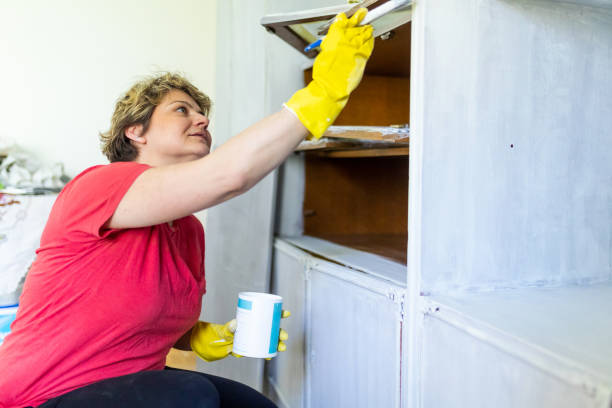
You don’t need a pro workshop, but having the right tools makes the job faster and the results more durable. We recommend a quality orbital sander for prep work—it cuts sanding time in half and delivers a smoother surface than hand sanding. Pair it with sandpaper in two grits: 120 for initial sanding, 220 for final smoothing between coats.
For cleaning, a heavy-duty degreaser is non-negotiable. TSP substitute works well for most kitchens, but for grease-heavy environments, a dedicated product like Krud Kutter delivers better results. Use soft-bristle brushes and non-scratch pads to avoid damaging wood or veneer. Don’t underestimate the value of a good tack cloth—it removes invisible dust that regular rags leave behind.
When it comes to painting, invest in a high-quality synthetic brush (2-inch angled) for trim and corners, and a 6-inch microfiber roller for flat panels. We’ve found that semi-gloss or satin water-based alkyd paint (like Benjamin Moore Advance) offers the best durability and self-leveling finish. Labels matter—choose paints labeled “cabinet-grade” or “high-wear surface.”
How to Prep Cabinets So the Paint Stays Put
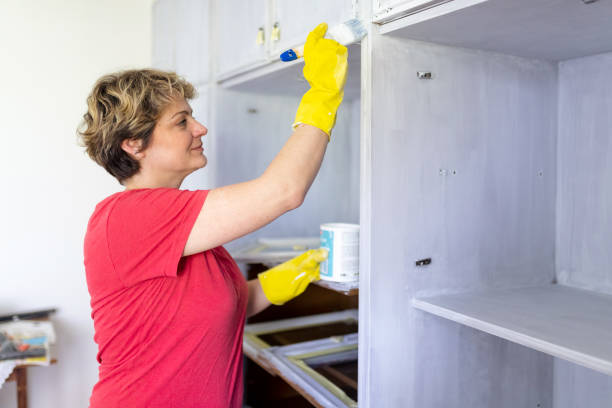
Proper prep is the secret behind paint that lasts five years—or five months. First, remove all hardware and take doors off hinges. This allows full access and prevents paint bridging at joints. If removing hardware isn’t possible, mask it thoroughly with painter’s tape and a plastic shield.
We’ve seen too many jobs ruined by skipping this step and ending up with sticky hinges or painted catches.
Sanding isn’t optional—it’s essential for adhesion. Even if cabinets look smooth, they likely have a glossy finish that repels paint. Use 120-grit paper to scuff every surface evenly, focusing on edges and corners where grime collects. After sanding, wipe down with a damp microfiber cloth, then follow with a tack cloth to catch residual dust.
Any leftover debris will show up under thin paint layers.
Priming seals the surface and creates a uniform base. For laminate or melamine cabinets, use a high-bonding primer like Zinsser Bulls Eye 1-2-3 or BIN Shellac-based. For wood, an oil-based primer prevents tannin bleed. Apply with a brush in grain direction, then roll for smoothness.
Let it cure fully—rushing this step leads to adhesion failure, no matter how good your paint is.
Best Paints and Finishes for Kitchen Cabinets (And Which Ones to Avoid)
When it comes to painting kitchen cabinets, durability is everything. We recommend using a high-quality acrylic enamel or hybrid alkyd-acrylic paint because they offer excellent adhesion, resistance to moisture, and long-term wear. Brands like Benjamin Moore Advance and Sherwin-Williams ProClassic consistently perform well in high-traffic kitchens.
These paints self-level beautifully and cure to a hard, washable finish—critical for areas exposed to grease and frequent use.
Finishes matter just as much as the paint type. We strongly suggest choosing a semi-gloss or satin sheen. Semi-gloss provides superior cleanability and holds up against splashes and spills, while satin offers a softer look with decent durability.
Flat and matte finishes may look modern, but they’re prone to scuffing and staining in kitchens—we don’t recommend them unless you’re painting decorative uppers with minimal contact.
Avoid standard wall paints—they simply aren’t built for cabinet abuse. Latex wall paints lack the hardness needed and can remain tacky or chip under stress. Also steer clear of oil-based paints unless you’re experienced; they yellow over time and require mineral spirits for cleanup.
In our experience, water-based options now outperform traditional oil, with less odor, faster dry times, and easier application—making them the smarter choice for most DIYers.
Painting Techniques That Prevent Drips and Brush Marks
Smooth, professional-looking cabinet finishes come down to prep and method, not just materials. We recommend using a high-quality synthetic bristle brush (like a 2-inch angled sash brush) or a small foam roller for flat panels. These tools distribute paint evenly and reduce the risk of visible brush strokes.
Always apply paint in the direction of the wood grain, especially on raised panels, for a seamless finish.
One of our most effective tips: don’t overload your brush. Dipping it more than a third of the way leads to drips, especially on cabinet edges and stiles. Instead, tap off excess paint and use light, even pressure. Apply thin coats—most cabinet paints require two to three—and allow proper dry time between them. Rushing leads to sagging and poor adhesion.
We’ve found 4–6 hours between coats is ideal for water-based enamels.
For intricate cabinet doors with grooves and details, a small brush paired with a light touch works best. We suggest painting in this order: inside recesses first, then edges, and finally flat surfaces. This prevents paint buildup in corners. If you do spot a drip, sand it lightly with 220-grit once dry before the next coat.
Patience and precision beat speed every time.
Quick Comparison: Top Cabinet Paints Compared
| Paint Name | Base Type | Sheen Options | Dry Time Between Coats |
|---|---|---|---|
| Benjamin Moore Advance | Waterborne alkyd | Satin, Semi-gloss | 4–6 hours |
| Sherwin-Williams ProClassic | Water-based acrylic | Flat to Gloss | 6–8 hours |
| Farrow & Ball Full Gloss | Acrylic | Full gloss only | 4 hours |
| Valspar Cabinet Enamel | Acrylic | Satin, Semi-gloss | 2–3 hours |
Choosing the right paint can make or break your cabinet project. We compared top contenders based on formulation, sheen range, and practicality. Benjamin Moore Advance stands out for its self-leveling properties and durable finish—ideal for those seeking a hand-brushed look without brush marks. It’s a favorite among pros for a reason.
Sherwin-Williams ProClassic offers excellent coverage and a wide sheen range, though it requires slightly longer drying. Its water-based formula means easy cleanup and low odor. Farrow & Ball’s Full Gloss delivers a rich, traditional shine but is limited to one sheen and comes at a premium price. We find it best for statement kitchens where aesthetics outweigh budget concerns.
For DIYers on a tighter timeline, Valspar Cabinet Enamel is a solid budget-friendly option with quick recoat times and decent durability. While it may not match the hardness of higher-end paints, it performs well with proper prep and topcoat. In our experience, mid-tier paints work fine if you’re not dealing with heavy kitchen traffic or resale pressure.
How to Reassemble Everything Without Screwing It Up
Reassembling cabinets after painting is where many DIYers rush and regret it. We recommend laying out all hardware, doors, and drawer fronts in the same layout they came off—take a photo beforehand to reference. Label each piece with painter’s tape and a number that matches its original location. This prevents mismatched gaps and alignment issues later.
Start by reattaching hinges and hardware using a screwdriver or low-torque drill setting—over-tightening strips screw holes and warps wood. If screws don’t seat smoothly, apply a tiny drop of wood glue and insert a toothpick to fill gaps. Let it dry before removing excess. We found this trick restores hold in older cabinets without needing full replacements.
Once doors are back, check alignment by opening and closing each one. Adjust hinges incrementally—even a quarter-turn makes a difference. Drawer fronts should sit flush and level; use spacers during reattachment to maintain consistent 1/8-inch gaps. Test all moving parts thoroughly. If something sticks or sags, correct it now—finishing touches matter most when they’re used daily.
How Long Your Painted Cabinets Will Last (And How to Extend It)
With proper prep and materials, a quality cabinet paint job typically lasts 7 to 10 years before showing significant wear. In our experience, high-traffic kitchens see chipping or fading around edges and handles in as little as 5 years if lower-grade paint or no topcoat is used.
The real lifespan hinges less on paint color and more on what you use and how you protect it.
Using a bonding primer like Zinsser Bullseye 1-2-3 and a durable topcoat such as Benjamin Moore Advance can extend life to a decade or more. We recommend a semi-gloss or satin finish—they resist grease and moisture better than flat finishes. And don’t skip the clear protective topcoat; a water-based polyurethane adds a subtle sheen and shields against daily scuffs.
To maximize longevity, clean cabinets with a soft microfiber cloth and pH-neutral cleaner—avoid harsh degreasers weekly. Wipe up spills quickly, especially near seams and corners. Every 12–18 months, inspect for early wear and touch up with a small brush. These small habits, paired with quality materials, mean your cabinets won’t just look fresh—they’ll perform like new for years.
Frequently Asked Questions
Do I need to sand cabinets before painting?
Yes, we recommend light sanding even if using a deglosser. Sanding with 120-150 grit paper creates a better surface for paint adhesion, especially on glossy finishes. We’ve found skipping this step often leads to chipping. Always sand in the direction of the wood grain and remove dust with a tack cloth before priming.
Can I paint kitchen cabinets without removing them?
You can paint cabinets without removing them, but we’ve found removing doors and hardware delivers a smoother, longer-lasting finish. It allows full access for sanding, painting edges, and avoiding overspray. If you keep them in place, mask surrounding areas carefully and use a small brush for clean lines around hinges and frames.
What type of paint is best for kitchen cabinets?
We recommend using a water-based acrylic enamel or hybrid paint for durability and quick drying. These hold up well to moisture and frequent use. In our experience, brands like Sherwin-Williams ProClassic or Benjamin Moore Advance provide excellent coverage and resist yellowing, especially important for white or light-colored cabinets.
How long does it take to paint kitchen cabinets?
Most projects take 5–7 days, depending on cabinet size and drying times. We’ve found allowing at least 24–48 hours between coats ensures proper curing. The process includes cleaning, sanding, priming, painting, and reassembly. Rushing drying times can lead to smudges or poor adhesion, so patience is key.
How do I prevent brush marks when painting cabinets?
Use a high-quality microfiber roller or a sprayer for flat surfaces, and a dense foam brush for edges. We recommend thin, even coats instead of heavy applications. Lightly sanding between coats with 220-grit paper and using a paint conditioner can also help achieve a smooth, factory-like finish.
Final Thoughts
Refinishing kitchen cabinets is one of the most impactful updates you can make to your space. We’ve seen how a proper clean, sand, prime, and paint process transforms tired cabinets into a fresh, modern feature. With the right materials and attention to detail, the results can last for years without the cost of replacement.
Now that you know the steps, start with a small cabinet or door as a test. Gather your supplies, set aside enough time for drying, and work patiently. In our experience, the effort pays off with a beautiful, custom look that makes your kitchen feel brand new. You’ve got this!