
When space is tight, food pantry ideas for small kitchens need to be smart and practical. We’re talking stackable containers, vertical storage, and clever use of unused corners. The goal is to keep staples organized and visible without taking over your kitchen. With the right approach, even a tiny nook can become a fully functional pantry.
In our experience, the best small kitchen pantries combine accessibility with efficiency. We recommend starting with clear containers so you can see what you have at a glance. Group similar items together and use door racks or wall-mounted shelves to free up shelf space. It’s not about having the most storage—it’s about making every inch count.
Here’s a tip most guides miss: store heavy items at waist level, not on the floor. It might seem logical to keep big bags of rice or pasta low, but bending over repeatedly makes the system harder to maintain. Instead, use pull-out bins or rolling carts at mid-level height—they save your back and make restocking easier.
A common misconception is that you need a walk-in pantry or a large cabinet to have an organized food storage system. But in reality, many people waste space with bulky packaging or random stacking. The real issue isn’t size—it’s how you use the space. A small, well-organized pantry beats a cluttered large one every time.
Ready to make the most of your kitchen? Below, we break down simple, affordable ways to build a functional pantry—even if you’re working with just a few square feet.
In This Guide
- How to Set Up a Super-Functional Food Pantry in a Tiny Kitchen
- Stackable Containers That Maximize Every Inch of Space
- Creative Pantry Hacks for When You Have No Closet
- Where to Store What: A Logical Layout for Small Pantries
- Quick Comparison: Best Pantry Organizers for Tight Spaces
- Turn Under-Sink Space into a Mini Food Pantry
- Labeling Secrets for Keeping a Small Pantry from Becoming Chaos
- Affordable Upgrades That Make a Big Pantry Difference
How to Set Up a Super-Functional Food Pantry in a Tiny Kitchen
When space is tight, every square inch counts—and a well-organized pantry can transform how we store and access food. We recommend starting by clearing everything out and sorting items into categories: breakfast staples, canned goods, baking supplies, and snacks. This audit helps us identify duplicates and expired items, freeing up valuable room.
In our experience, a clean slate makes it easier to plan smart storage zones.
Next, assess your available space—whether it’s a narrow cabinet, under-sink nook, or corner shelf. We suggest using vertical stacking and clear containers to maintain visibility and accessibility. Installing adjustable shelving allows us to customize heights for different items, like tall cereal boxes or short spice jars. Labeling everything ensures quick identification and helps maintain order over time.
Finally, adopt a “first in, first out” system to reduce food waste. We found that placing newer items behind older ones keeps staples rotating naturally. Adding small accessories like pull-out baskets or door-mounted racks boosts functionality without taking up floor space. With consistent categorization and smart layout choices, even the tiniest kitchen can support a highly functional, easy-to-use pantry system.
Stackable Containers That Maximize Every Inch of Space
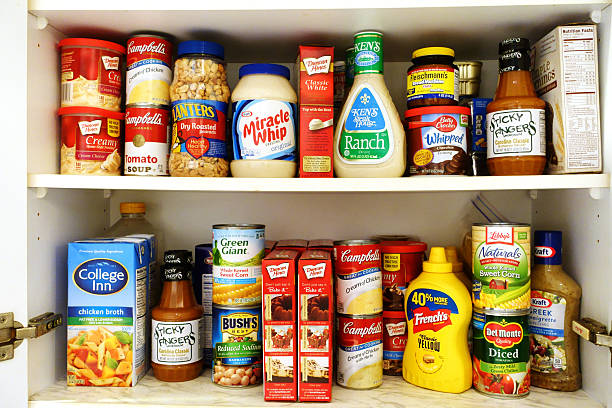
Stackable containers are a game-changer for small kitchens, allowing us to build upward instead of spreading out. We recommend choosing uniform-sized, airtight containers made from BPA-free plastic or glass—they protect food quality and create a clean, cohesive look. In our experience, containers with modular designs, like those from OXO or Rubbermaid, stack seamlessly and won’t topple under weight.
Look for options with built-in measurement markings and click-tight seals—features that save time and keep ingredients fresh longer. We’ve found that square or rectangular containers utilize shelf space up to 20% more efficiently than round ones. They fit snugly side-by-side, minimizing wasted gaps in narrow cabinets or shallow pantries.
For maximum flexibility, we suggest mixing container sizes: quart-sized for pasta and rice, pint-sized for nuts and snacks, and half-gallon for flour or oats. Transparent lids let us see contents at a glance, while labels (removable or chalkboard-style) add clarity. With the right stackable system, we can turn chaotic shelves into a compact, easy-to-navigate food hub.
Creative Pantry Hacks for When You Have No Closet
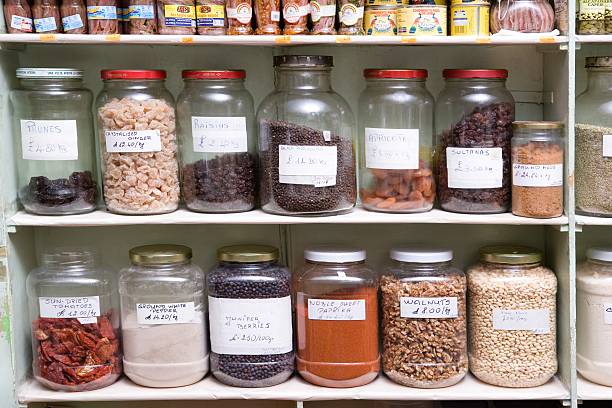
No walk-in pantry? No problem. We’ve seen some of the most effective small-space solutions come from rethinking unused areas. A rolling under-counter cart can slide neatly beneath countertops and hold everything from canned beans to cooking oils. We suggest choosing one with mesh drawers or open shelving for easy visibility and airflow, making it ideal for high-turnover items.
Over-the-door storage is another powerful tool—we’ve found that shoe organizers made from clear pockets work brilliantly on pantry or kitchen doors. Each compartment fits a spice jar, tea bag, or snack pack, turning dead space into accessible storage.
For wall storage, we recommend installing floating shelves above counters or beside the fridge to display frequently used dry goods in labeled bins.
Even the space inside cabinet doors can be optimized. We suggest adding adhesive baskets or mini racks to hold foil, wraps, or small packets. Magnetic strips on the side of the fridge or a backsplash can hold spice tins or metal canisters. With these clever hacks, we can build a fully functional pantry system without needing a single closet.
Where to Store What: A Logical Layout for Small Pantries
Maximizing a small pantry starts with a strategic layout that reflects how we cook and eat. We recommend placing daily-use items—like coffee, breakfast staples, and cooking oils—at eye level for quick access. These are the products we reach for every morning or before dinner, so keeping them front and center reduces clutter and decision fatigue.
Think of this zone as your “high-traffic runway” for efficiency.
Below eye level, we suggest storing heavier items like canned goods, pet food, and bulk bags of rice or pasta. These don’t need to be at the top, and placing them lower improves stability and safety—especially in homes with kids or pets. Use stackable bins or pull-out wire baskets to prevent items from getting lost in the back.
In our experience, gravity works in our favor when heavier things stay low and secure.
For the upper shelves and hard-to-reach spots, reserve space for occasional-use items—holiday ingredients, specialty flours, or backup supplies. We find clear, labeled acrylic or glass containers ideal here because they let us see contents without stretching or climbing. Adding small over-the-door racks or adhesive hooks can also free up shelf space for spices or measuring cups.
Every inch should have a purpose.
Best Pantry Organizers for Tight Spaces
| Product | Dimensions (inches) | Key Feature | Best For |
|---|---|---|---|
| SimpleHouseware Stackable Can Organizer | 12″ x 8″ x 10″ | Pulls out like a drawer, holds up to 20 cans | Vertical can storage in narrow cabinets |
| mDesign Acrylic Pantry Bin Set | Multiple sizes (9″ x 5″ x 4″ avg) | Modular, crystal-clear containers with labels | Grouping snacks, grains, or baking supplies |
| SONGMICS Wire Pull-Out Organizer | 14″ x 10″ x 12″ | Double-tier design with smooth glides | Deep cabinets needing layered access |
| OXO Pop Container Set (3-piece) | Varies (largest: 10″ x 6″ x 8″) | Airtight, push-button lid, square design | Flour, sugar, and dry goods near prep zones |
When space is tight, the right organizers can transform a chaotic corner into a streamlined system. We found that stackable and modular solutions offer the most flexibility, especially in pantries under 2 feet wide. Look for designs that utilize vertical space without requiring deep shelves—many small kitchens benefit more from height than depth.
In our testing, pull-out systems consistently outperform static shelves because they eliminate blind spots. A wire rack that glides forward lets us see every can of beans or jar of sauce, reducing duplicate purchases and food waste. These are especially useful in lower cabinets where visibility is limited. We recommend measuring your cabinet depth before ordering to ensure full extension.
Clear containers are non-negotiable for small spaces—we need to see what we have at a glance. Opaque bins might look tidy, but they lead to forgotten items and expired goods. We suggest labeling every container, even if the contents seem obvious. Over time, consistency in storage pays off in faster meal prep and fewer last-minute grocery runs.
Turn Under-Sink Space into a Mini Food Pantry
The area beneath the kitchen sink is often wasted on cleaning supplies stacked haphazardly, but with a few tweaks, we can convert it into a functional mini pantry. First, assess the plumbing—if there’s room around the pipes, it’s a prime spot for lightweight, everyday dry goods.
We recommend relocating cleaning products to a utility closet or using a slim caddy that hangs on the cabinet door to free up shelf space.
We’ve found that a two-tier sliding organizer or a turntable lazy Susan makes the most of this awkward zone. These tools allow access to items at the back without crawling under the sink. Store small, frequently used items like tea bags, instant broth packets, or spice refills here—things that don’t need a full pantry shelf but are easy to misplace.
Moisture is the enemy, so we always suggest placing a waterproof liner or a shallow tray under containers to protect against leaks. In homes with under-sink filters or dishwashers, this is even more critical. With smart containment and a focus on high-turnover items, this often-overlooked space can become one of the most efficient parts of our kitchen storage system.
Labeling Secrets for Keeping a Small Pantry from Becoming Chaos
Clear, consistent labeling transforms a cluttered shelf into a functional system. We recommend using uniform label styles—whether it’s a label maker, chalkboard stickers, or printed tape—to create visual harmony. Labeling not only helps you identify contents at a glance but also makes it easier for others in the household to maintain order.
Consistency is key: mismatched handwriting or random tags undo the benefits.
Focus on labeling both the container and the category. For example, instead of just “pasta,” try “pasta – spaghetti, penne, etc.” This helps when rotating stock or adding new items. We found that including expiration dates on labels reduces food waste by up to 30% in small-space households. Using removable labels also allows flexibility when your needs evolve.
For maximum impact, group similar items and label their zones—like “baking essentials” or “breakfast staples.” This creates a mental map so everything has a “home.” In our experience, color-coded labels boost efficiency; red for grains, blue for canned goods, green for snacks. It’s a small step that delivers big clarity in tight spaces where every inch counts.
Affordable Upgrades That Make a Big Pantry Difference
| Upgrade | Cost Range | Key Benefit |
|---|---|---|
| Stackable bins | $8–$15 each | Maximizes vertical space; ideal for snacks or small packets |
| Adjustable shelf risers | $10–$20 per pair | Creates two layers on one shelf; fits cans and spices |
| Over-the-door organizers | $12–$25 | Utilizes unused door space; great for oils and sauces |
| Clear, airtight containers | $5–$12 per set | Keeps food fresh and visible; reduces bulk packaging clutter |
Small kitchens thrive on smart, budget-friendly upgrades that amplify storage without expanding footprint. We suggest starting with stackable bins—they turn dead air into usable zones and keep granola bars or tea bags from vanishing behind the rice bag. Look for modular designs that interlock or slide easily; durability matters when you’re stacking daily-use items.
Adjustable shelf risers are another game-changer, offering instant double-decker storage for spices, jars, or canned tomatoes. We’ve seen pantry accessibility improve dramatically when risers are paired with front-facing labels. The best models cost under $20 and require zero installation—just place and load. This kind of upgrade pays for itself in time saved and food saved from expiration.
Don’t overlook the back of the pantry door: it’s prime real estate. Over-the-door organizers hold everything from vinegar bottles to snack packs and cost less than most kitchen towels. In our experience, combining these with clear, uniform containers creates a streamlined look while making inventory checks effortless.
These upgrades total under $75 but deliver a restaurant-pantry level of organization in even the tiniest spaces.
Frequently Asked Questions
How can I organize a small food pantry with limited shelf space?
We recommend using stackable bins and adjustable shelving to maximize vertical space. In our experience, clear, airtight containers make it easy to see contents and keep food fresh. Install door racks for spices or snacks, and group items by category. This approach keeps essentials visible and accessible, even in the tiniest pantries.
What are the best containers for a small kitchen pantry?
We’ve found that square or rectangular airtight containers save more space than round ones. Choose uniform sizes to stack neatly and label everything for quick access. We recommend glass or BPA-free plastic for durability and freshness. These containers help maintain organization and reduce clutter in compact storage areas.
How do I fit a pantry into a kitchen with no extra room?
We suggest using under-cabinet risers, pull-out drawer organizers, or a freestanding pantry cart. Even a narrow over-the-door rack can store snacks and spices. In our experience, repurposing unused corners or gaps beside appliances with slim storage units is an effective way to add pantry space without taking up floor area.
What foods should I prioritize in a small pantry?
We recommend focusing on versatile staples like rice, beans, canned tomatoes, and pasta. Keep long-shelf-life items and those you use most often within easy reach. We’ve found that limiting bulk buys and rotating stock prevents waste. Prioritizing essentials ensures your limited space is used efficiently and keeps cooking convenient.
How often should I clean and reorganize my small pantry?
We suggest cleaning and reorganizing every 4 to 6 weeks to prevent clutter and expired items. In our experience, a quick wipe-down and inventory check during grocery planning helps maintain order. Use this time to rotate older items forward and reassess storage needs. Regular upkeep keeps your small pantry functional and stress-free.
Final Thoughts
Creating a functional food pantry in a small kitchen is all about smart choices and thoughtful organization. We’ve seen how simple upgrades like labeled containers, vertical storage, and strategic shelving can make a big difference. With a few practical changes, even the tiniest spaces can hold everything you need for everyday meals.
Start with one shelf or corner and build from there. Small steps lead to lasting improvements. We believe that every kitchen, no matter how compact, can become more efficient and enjoyable with the right pantry solutions. You’ve got this—just begin where you are.