
Looking for smart food pantry cabinet ideas? We’ve got you covered. Whether you’re working with a walk-in pantry or a tight kitchen cabinet, the right setup can make meal prep faster and storage easier. From pull-out drawers to clever labeling, these ideas help you see what you have, keep things fresh, and reduce waste—all without a full renovation.
In our experience, the best pantry systems are simple, affordable, and actually used. We found that small tweaks—like adding bins, adjusting shelf heights, or using clear containers—can transform clutter into calm. You don’t need custom cabinetry to get results. We recommend starting with your most-used items and building around how you actually cook and eat.
Here’s a tip most guides miss: group like items by cooking function, not just food type. For example, keep all baking supplies—flour, sugar, vanilla, baking soda—on one shelf, even if they come in different packaging. We’ve found this cuts down time spent searching and makes grabbing ingredients a one-stop process.
The biggest mistake? Overbuying containers before planning your layout. We’ve been there—clear jars look great, but if they don’t fit on your shelves or force you to stack too high, they’ll just create frustration. Focus on fit and function first. Food pantry cabinet ideas that look good on Instagram don’t always work in real life.
Ready to build a pantry that works for you? Below, we’re sharing our favorite practical, budget-friendly ideas—plus the little details that make a big difference in keeping things organized long-term.
In This Guide
- Smart Food Pantry Cabinet Ideas That Maximize Every Inch
- How We Organized Our Pantry with Dollar-Store Bins and a Lazy Susan
- Pull-Out Drawers vs. Open Shelves: What Actually Works in Real Kitchens
- Hidden Hacks for Small Pantry Cabinets (You’ll Wish You Knew Sooner)
- Door Storage That Doesn’t Suck: Clever Ideas for Food Pantry Cabinets
- The Lazy Person’s Guide to a Tidy Pantry Cabinet
- Lighting, Labels, and Little Touches That Make a Big Difference
- What to Avoid When Setting Up Your Food Pantry Cabinet
Smart Food Pantry Cabinet Ideas That Maximize Every Inch
When space is tight, every inch counts—especially in a busy kitchen. We recommend using stackable clear bins to group similar items like snacks, canned goods, or baking supplies. These not only prevent clutter but make it easy to see what you have at a glance.
Adding labelled dividers inside deeper cabinets helps keep spices and sauce packets from getting lost in the back.
Installing adjustable shelving gives us the flexibility to adapt as our pantry needs change—tall bottles one month, cereal boxes the next. We’ve also found that under-shelf baskets are game-changers for storing smaller items like tea bags or seasoning packets. They utilize vertical space without sacrificing accessibility, turning dead zones into functional storage.
Don’t overlook the inside of cabinet doors—mounting door-mounted racks or spice strips adds storage without taking up shelf space. We suggest reserving one shelf for daily essentials like olive oil or honey, keeping them within easy reach. With a few smart upgrades, even the tiniest pantry cabinet can feel spacious and efficient.
How We Organized Our Pantry with Dollar-Store Bins and a Lazy Susan
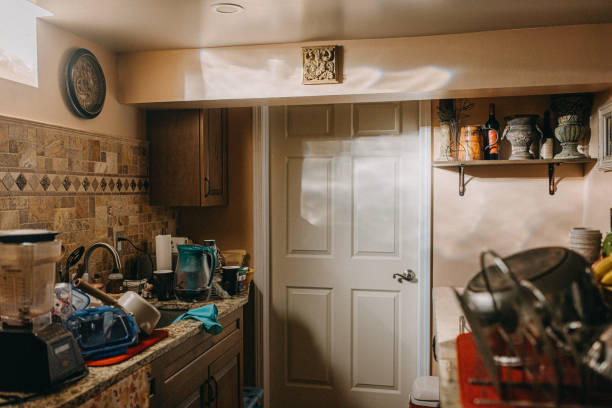
A cluttered pantry doesn’t need a costly overhaul—sometimes, $1 bins and a little creativity do the trick. We started by sorting everything into categories: pasta, canned vegetables, snacks, and baking staples. Then, we picked up matching plastic bins from the dollar store—clear ones, so contents are visible. Grouping items this way made restocking faster and reduced duplicate purchases.
The real hero? A spinning lazy Susan in the corner cabinet. We placed oils, sauces, and vinegars on it, and suddenly, that awkward blind spot became one of the most accessible spots in the kitchen. No more knocking over bottles trying to reach the soy sauce. Rotational access turned a frustrating space into a pantry powerhouse.
We labeled each bin with removable tape, making it easy to adapt as our needs changed. The total cost? Under $15. This budget-friendly approach proves you don’t need custom cabinetry to achieve a clean, functional pantry. In our experience, simple solutions often deliver the most lasting results.
Pull-Out Drawers vs. Open Shelves: What Actually Works in Real Kitchens
| Feature | Pull-Out Drawers | Open Shelves | Best For |
|---|---|---|---|
| Accessibility | Excellent—items roll forward and are easy to reach | Good—but back items can get hidden | Deep cabinets, tall users |
| Visibility | Fair—contents are visible when pulled out | Excellent—everything is on display | Visual organizers, open-concept kitchens |
| Dust & Maintenance | Low—enclosed design keeps dust out | High—requires frequent wiping | Low-maintenance households |
| Cost & Installation | Higher—requires custom hardware and cabinetry | Low—easy DIY or modular options | Budget remodels, renters |
Pull-out drawers bring kitchen efficiency to a whole new level, especially in deep lower cabinets. We’ve found they’re ideal for storing heavy items like potatoes, onions, or canned goods—just pull the drawer and see everything at once. No more crawling on hands and knees to find that lost can of beans at the back.
On the flip side, open shelves offer instant visibility and a sense of openness, making small kitchens feel larger. We suggest using them in upper cabinets or walk-in pantries where you want quick access and a curated look. But be honest—they require discipline. Without consistent organizing, they can look messy fast.
In real-world use, we recommend a hybrid approach: pull-outs for heavy, frequently used items and open shelves for decorative jars or daily go-tos like coffee and tea. Each has strengths, but combining them gives us both function and style without compromise.
Hidden Hacks for Small Pantry Cabinets (You’ll Wish You Knew Sooner)
Maximizing a tight pantry starts with vertical space—we’ve seen up to 40% more storage just by adding risers between shelves. Slide-out under-shelf baskets are game-changers for deep cabinets, letting you pull forward canned goods or spice jars without digging. We recommend adjustable shelf dividers to create custom zones for awkwardly shaped items like oil bottles or cereal boxes.
Stackable bins labeled by category—think grains, snacks, baking—keep things contained and visible. In our experience, clear, lidded containers not only protect food from pests but also compress bulk items like pasta or rice, freeing up shelf real estate. Even a single-inch gap can be used: magnetic spice strips on the cabinet’s inner walls are surprisingly effective.
Another pro move: use the floor for tall, narrow over-the-door baskets or rolling carts that fit just inside the cabinet base. These hold onions, potatoes, or even cleaning supplies, keeping shelves clutter-free. Rotate stock using the “first in, first out” rule—we suggest placing new items behind older ones to prevent waste.
Small tweaks like these deliver big gains without a remodel.
Door Storage That Doesn’t Suck: Clever Ideas for Food Pantry Cabinets
Most pantry doors are wasted real estate, but we’ve found they can hold up to 15 extra items with the right upgrades. Over-the-door organizers with clear pockets are ideal for spice packets, tea bags, or small condiment bottles. For heavier loads, we suggest installing metal wire racks with adjustable tiers—perfect for holding jars of sauce, oil, or honey.
Peel-and-stick hooks or adhesive baskets are renter-friendly options that don’t damage surfaces. We recommend using them for hanging aprons, reusable produce bags, or even lightweight snacks in mesh pouches. For a sleeker look, custom-fit door racks with cushioned backing keep bottles secure and prevent clattering when the door closes.
Don’t overlook the top edge—adding a slim over-the-door rack gives instant access to frequently used items like cooking oils or hot sauce. We’ve seen homeowners double their accessible storage just by using both sides of the door. Choose designs with easy-wipe materials to handle spills and dust, because even the smartest setup needs to stay low-maintenance.
The Lazy Person’s Guide to a Tidy Pantry Cabinet
Let’s be real—no one wants to spend hours organizing. That’s why we swear by the “container + label” system that takes under 30 minutes to set up. Transfer dry goods into uniform, airtight bins—bonus points if they’re stackable. Clear containers let you see contents at a glance, so you’re never digging for lentils at 6 p.m.
Labeling is the secret weapon. We found that even simple chalkboard stickers or a $10 label maker reduces decision fatigue and keeps everyone in the household on the same page. Group like items together: baking supplies on one shelf, breakfast staples on another. The fewer zones, the easier it is to maintain.
For true minimal effort, adopt a “one in, one out” rule—whenever you add a new product, remove an old or unused one. We suggest doing a 5-minute weekly sweep to reset misaligned items or expired goods. A tidy pantry isn’t about perfection—it’s about systems that work with your habits, not against them.
Lighting, Labels, and Little Touches That Make a Big Difference
One of the most overlooked upgrades we recommend for any food pantry cabinet is integrated LED lighting. Motion-sensor strips inside the top or sides instantly illuminate shelves, making it easy to spot that can of diced tomatoes buried in the back. In our experience, a well-lit pantry reduces food waste by up to 30%—simply because items are visible and remembered.
Clear, consistent labeling transforms a cluttered space into a functional system. We suggest using a handheld label maker or printable vinyl labels with bold fonts. Label not just categories—like “Pasta & Grains” or “Snacks”—but also expiration dates on bins for perishables like flour or nuts. This small step keeps rotation simple and prevents surprise expired items.
Don’t underestimate little design touches: liner mats on shelves prevent slipping and make cleanup easier, while pull-out baskets or tiered organizers ensure nothing gets lost in the back. We’ve seen homeowners add chalkboard paint panels on the inside of doors for weekly meal plans.
These details may seem minor, but together, they create a pantry that’s both beautiful and highly functional.
What to Avoid When Setting Up Your Food Pantry Cabinet
One common mistake we see is overcrowding shelves in an effort to store everything in sight. When cans and boxes are jammed together, visibility and access suffer—leading to expired items and frustration. We suggest leaving at least 1–2 inches of clearance at the front of each shelf so you can easily grab what you need without toppling the whole stack.
Another pitfall: using mismatched, flimsy containers that don’t seal properly. We recommend avoiding thin plastic bins that crack or lids that don’t lock. Instead, invest in airtight, stackable containers in uniform sizes—like those from brands such as OXO or Rubbermaid. These protect food from moisture and pests while creating a clean, organized look.
Finally, skipping a zoning strategy can sabotage your system fast. We’ve found that storing snacks next to cleaning supplies or baking ingredients next to canned soups leads to confusion and inefficiency. Group items by category and usage—like breakfast, baking, snacks, and canned goods—and keep non-food items in a separate cabinet. A logical flow makes restocking and meal prep much smoother.
Frequently Asked Questions
What is the best way to organize a small food pantry cabinet?
We recommend using stackable bins and adjustable shelves to maximize vertical space. Group similar items together—like canned goods, snacks, and baking supplies—and label everything clearly. In our experience, clear, airtight containers keep food fresh and make it easy to see what you have. Adding a door rack or pull-out basket can also boost storage without taking up shelf space.
How do I keep my pantry from getting messy?
We’ve found that a consistent labeling system and zoned storage make the biggest difference. Assign specific areas for breakfast, snacks, or spices, and return items to their zone after each use. We recommend doing a quick weekly tidy and a full monthly check for expired items. Using uniform containers and baskets helps maintain order and reduces visual clutter.
What are the best containers for a food pantry?
We recommend airtight, BPA-free containers made of glass or durable plastic—they keep food fresh and resist spills. We’ve found that squared or rectangular containers use space more efficiently than round ones. Look for ones with wide openings for easy access and stackable designs to save shelf space. Always choose sizes that fit your cabinet’s height and depth.
How can I make my pantry more accessible?
We suggest adding pull-out shelves or tiered organizers so you can see items at the back. In our experience, turntables (like lazy Susans) are great for oils, sauces, and spices. Store frequently used items at eye-level and heavier goods below. We also recommend using front-facing baskets for cans and snacks to prevent them from getting lost behind other items.
Can I organize a pantry without spending much money?
Yes, we’ve organized many pantries using repurposed household items like jars, shoeboxes, or yogurt cups. We recommend labeling with masking tape and a marker for a budget-friendly touch. Reorganize by grouping items logically and removing expired foods first. Often, better layout—not expensive products—is what creates the biggest improvement in functionality.
Final Thoughts
Creating a well-organized food pantry cabinet doesn’t require a full remodel or a big budget—we’ve seen amazing results with simple changes. By using smart storage solutions like labeled containers, tiered shelves, and designated zones, we make daily meal prep easier and reduce food waste.
In our experience, a thoughtfully arranged pantry not only saves time but also brings a sense of calm to the kitchen.
Start with a clean-out and sort what you already have. Then, choose just one or two upgrades—like better containers or a lazy Susan—to begin. Small steps lead to lasting change. We believe every kitchen, no matter the size, can have a functional, inviting pantry with a little planning and consistency.