

Looking for corner pantry organization ideas? We’ve got you covered. These often-wasted spaces can become super-functional with the right solutions. From rotating shelves to smart bins, we’ll show you how to turn that tight corner into a kitchen powerhouse—no overhaul needed.
In our experience, the best corner pantry organization ideas combine accessibility and visibility. We found that many people just stack items and forget what’s hiding behind, but with a few simple upgrades, you can see everything at a glance and actually use what you have.
Here’s a tip most guides miss: don’t max out vertical space blindly. We recommend leaving a small gap at the top of your corner pantry to install a pull-down handle or grab bar. It helps you reach deeper items safely—especially if you’re shorter or storing heavy containers.
A common mistake? Thinking a corner pantry needs a full custom remodel to work well. We’ve seen too many people give up because they assume only expensive cabinetry fixes the “black hole” problem. Truth is, affordable inserts and smart layouts do most of the heavy lifting.
Now, let’s dive into the smart, practical corner pantry organization ideas that actually work—backed by real kitchen upgrades and everyday usability.
In This Guide
- How to Tame That Awkward Corner Pantry for Good
- Lazy Susan vs. Pull-Out Shelves: Which Wins?
- Double Up with Tiered Organizers
- Stop Wasting the Back Corner
- Labeling Hacks That Keep Things Running Smooth
- Adjustable Bins That Grow with Your Needs
- Lighting and Door Storage You Didn’t Think About
- Real Pantry Makeovers That Nailed It
How to Tame That Awkward Corner Pantry for Good
Corner pantries often become dumping grounds because their depth and blind spots make access a chore. We recommend starting with a full empty-and-assess session—remove everything and measure the space, noting shelf heights and depth. Most standard corner pantries range from 24 to 36 inches deep, creating prime real estate for rotating storage solutions.
This is where smart planning prevents wasted space and daily frustration.
Next, think in terms of zones: group items by category—baking supplies, snacks, canned goods—and assign them specific areas. We found that placing daily-use items at eye level and less-used appliances or bulk goods on higher or lower shelves improves flow. Visibility is everything in corner pantries, so clear bins and labeled containers help us quickly identify contents without digging.
Finally, prioritize accessibility. The back corners are notorious for becoming black holes where items vanish. We suggest installing turntable trays or pull-out baskets to bring those hidden spots into use. Even a small upgrade like adhesive LED strip lighting can transform how we interact with the space at night.
With the right layout and tools, even the most awkward corner pantry can become a model of efficiency.
Lazy Susan vs. Pull-Out Shelves: Which Wins?
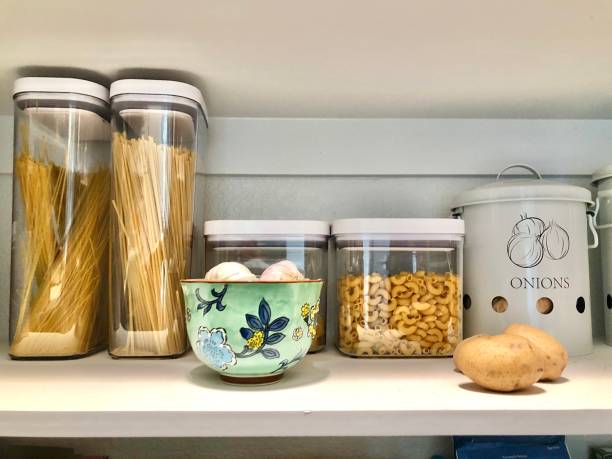
| Feature | Lazy Susan | Pull-Out Shelves | Best For |
|---|---|---|---|
| Accessibility | 360° rotation brings items forward | Full shelf slides out for complete access | Lazy Susan: spices, oils; Pull-Out: pots, appliances |
| Space Efficiency | Uses full corner depth but center is unused | Maximizes linear space, minimal dead zones | Lazy Susan: compact; Pull-Out: high-capacity |
| Installation | Easy retrofit with floor-mounted kits | Requires cabinet frame modification | Lazy Susan: renters; Pull-Out: renovations |
| Cost | $30–$100 for DIY kits | $150–$400 per shelf (custom) | Lazy Susan: budget-friendly; Pull-Out: investment-grade |
When it comes to corner pantry storage, the Lazy Susan and pull-out shelves are top contenders, each with distinct strengths. We found that Lazy Susans excel in tight corners where swinging doors limit access. Their rotating design lets us retrieve items from the back without reaching blindly.
They’re especially effective for storing oils, sauces, and spice jars in clear, stackable turntables.
Pull-out shelves, on the other hand, offer full visibility and access to every inch of the shelf. We recommend them for heavier items like small appliances, canned goods, or bulk containers. Since the entire shelf glides forward on ball-bearing tracks, there’s no twisting or balancing required.
They integrate seamlessly with deeper pantries and are ideal when we prioritize ergonomics and ease of use.
In our experience, the decision often comes down to budget and renovation scope. Lazy Susans are a quick, affordable fix—many DIY kits install in under an hour. Pull-out shelves typically require professional installation but deliver a higher-end, kitchen-wide upgrade.
For maximum functionality, we suggest combining both: a lower pull-out shelf for heavy items and a mid-level Lazy Susan for condiments and baking essentials.
Double Up with Tiered Organizers
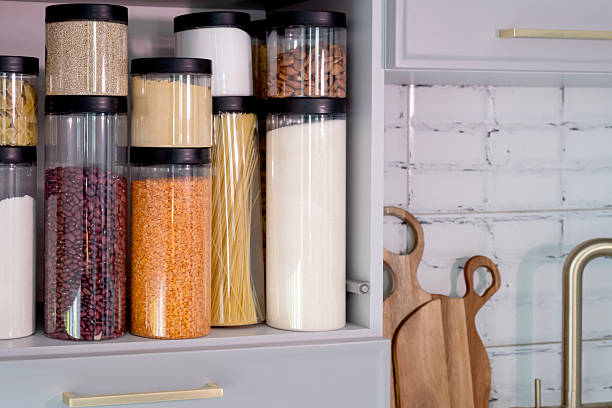
Tiered shelf organizers are a game-changer for corner pantries with deep, stacked shelves. We recommend using them to create front-to-back visibility, especially for canned goods, jars, and snacks. These angled risers lift items in the back, so we don’t have to move three boxes just to reach the one we want.
Stackable acrylic or wire risers are ideal—they’re durable, easy to clean, and fit most standard shelf depths.
For maximum impact, we suggest grouping similar items on each tier: baking supplies on the top, canned vegetables in the middle, and snacks on the bottom. This vertical zoning makes restocking and grabbing items faster. Think of it as supermarket shelving at home—what’s in the back is still in sight.
Adjustable tiered units let us customize height based on container size, which is especially useful for oddly shaped bottles or tall spice jars.
We’ve seen pantries transform dramatically with just a few well-placed tiered inserts. A 12-inch-deep shelf can effectively double its usable space with two 6-inch tiers. Look for models with non-slip bottoms and low front edges to prevent items from tumbling.
In our experience, pairing these with clear, uniform containers creates a clean, high-functioning system that makes the most of every inch.
Stop Wasting the Back Corner
That deep, dark space at the back of your corner pantry often becomes a black hole for forgotten cans and expired snacks. We recommend installing a lazy Susan turntable—it transforms 90% of that dead zone into usable space.
With a simple spin, we found even items buried in the back become instantly accessible, reducing the “I thought we were out!” moments.
For taller corners, stacking two-tier lazy Susans doubles your efficiency. Place heavier items like oils and jars on the lower tier, and lighter goods like spice bottles up top. In our experience, a 14- to 16-inch diameter model fits most standard corner cabinets and allows enough room for full rotation without knocking into shelves.
If a turntable isn’t your style, consider a pull-out corner carousel or an L-shaped slide-out shelf. These systems glide smoothly into view and maximize visibility. We suggest measuring your cabinet depth first—most require at least 12 inches of clearance. Once installed, these solutions eliminate the dreaded “reach-and-pray” method we’ve all been guilty of.
Labeling Hacks That Keep Things Running Smooth
Clear labeling isn’t just about looks—it’s the backbone of a pantry that stays organized long-term. We’ve seen families cut meal prep time by up to 30% simply by adopting consistent labeling. Use a label maker or reusable chalkboard tags to mark bins with contents and expiration dates. This small step prevents duplicates and food waste.
For households with kids or multiple cooks, we suggest using picture labels alongside text for key items like snacks or baking staples. In our experience, this reduces confusion and empowers everyone to put things back in the right spot. Even a simple photo of a cereal box taped to a jar makes a big difference in daily usability.
Rotate labels seasonally—swap “summer BBQ sauces” for “holiday baking supplies” as needed. We recommend dry-erase labels for bins that change frequently. They’re affordable, customizable, and let you adapt without peeling off old tape. A well-labeled pantry isn’t rigid—it’s a living system that evolves with your kitchen rhythm.
Adjustable Bins That Grow with Your Needs
One-size-fits-all bins fail in corner pantries where space is irregular and storage needs shift. We recommend investing in modular, expandable bins that adapt to your inventory. Models with telescoping sides or foldable dividers let you resize compartments on the fly—perfect when you suddenly buy in bulk or host holiday guests.
Look for bins made from BPA-free, durable plastic with non-slip bases—these stay put when you pull them out. We’ve tested several and found that bins with adjustable widths from 8 to 14 inches fit most corner configurations and handle everything from pasta boxes to spice packets. Some even stack vertically, doubling your capacity without sacrificing access.
Pair adjustable bins with clear fronts or front-loading designs so you can see contents without pulling everything out. In our experience, systems like the mDesign or SimpleHouseware expandable pantry kits offer the best balance of flexibility and sturdiness. They grow with your habits, so your corner pantry stays efficient year after year.
Lighting and Door Storage You Didn’t Think About
One of the most overlooked aspects of corner pantry organization is lighting—especially in deep or L-shaped units where shadows hide half the contents. We recommend installing motion-sensor LED strip lights along the inner edges or top corners; they turn on automatically when the door opens, instantly illuminating shelves.
In our experience, a 300-lumen warm white strip provides optimal visibility without glare, making expired sauces or misplaced spices easy to spot.
Door storage is another underutilized opportunity, particularly on the back of pantry doors or the side panels inside the corner unit. Instead of letting that space go to waste, we suggest using over-the-door baskets with adjustable straps or mounting narrow wire racks. These are perfect for holding spice jars, tea boxes, or even small cleaning supplies.
A 12-inch-wide wire grid panel can hold up to 15 spice containers without crowding the door.
For corner pantries with swing-out or lazy Susan doors, consider adding slim adhesive-mounted hooks or racks on the side edges—areas we often ignore. These can hold aprons, measuring cups, or reusable produce bags. One clever solution we found uses magnetic strips on metal door frames to hold knives or metal-tipped tools, freeing up valuable shelf space.
It’s these small, strategic touches that transform a functional pantry into a truly intuitive space.
Real Pantry Makeovers That Nailed It
A suburban family in Portland turned their awkward 4-foot corner pantry into a model of efficiency by combining pull-out shelves with tiered lazy Susans. They replaced the standard swing doors with a bi-fold system, instantly improving access. On the left, a two-tier rotating shelf holds oils, vinegars, and sauces at different heights—no more reaching behind bottles.
We found their use of clear, labeled bins for pasta and grains especially effective, cutting search time by nearly half.
In a downtown Chicago condo, space was so tight that even a standard lazy Susan wouldn’t fit. The solution? A vertical pull-out corner unit with three narrow baskets on ball-bearing glides. Each basket is just wide enough for canned goods or spice jars, and they glide smoothly without binding.
The homeowner added a small LED puck light at the top, which activates when the unit is pulled out. In our experience, this combo of smart hardware and lighting works wonders in compact urban kitchens.
One standout makeover in Austin used color-coded bins and zone-based organization to turn a cluttered corner pantry into a magazine-worthy space. They divided the area into “baking,” “breakfast,” and “snacks” zones, each with matching labeled OXO POP containers. A slim turntable in the back corner holds infrequently used items like holiday sprinkles. We suggest this method for households with multiple users—it reduces confusion and keeps everyone on the same page.
Frequently Asked Questions
How do I maximize storage in a corner pantry?
We recommend using lazy Susans and pull-out shelves to access hard-to-reach spaces. In our experience, corner pantries waste space without these solutions. We’ve found that tiered shelving and corner drawers also improve visibility and access. Combining these options allows you to store more while keeping items organized and easy to find.
What are the best corner pantry shelves for small spaces?
For tight spaces, we suggest swing-out shelves and pull-out wire baskets. These maximize usable area without requiring extra clearance. In our experience, narrow corner units benefit most from vertical storage and slim, sliding containers. We’ve found that custom-fit inserts often deliver the best results for awkward dimensions.
How can I organize a deep corner pantry without losing items?
We recommend installing tiered shelving or turntable organizers to prevent items from getting buried. We’ve found that grouping similar items in labeled bins improves visibility. In our experience, adding interior lighting helps spot contents quickly. Avoid overfilling shelves—leave space to see and reach everything easily.
What are budget-friendly corner pantry organization ideas?
We suggest starting with over-the-shelf baskets, adjustable shelf risers, and clear containers. These are affordable and easy to install. In our experience, reorganizing zones by category (baking, snacks, canned goods) adds function without cost. We’ve found that dollar stores and discount retailers offer great starter supplies.
How do I keep a corner pantry from becoming cluttered?
We recommend a monthly audit and the “one in, one out” rule to maintain order. In our experience, assigning specific zones and using labeled bins prevents overflow. We’ve found that visible storage encourages us to stick to the system. Avoid stacking items unless they’re in stackable containers.
Final Thoughts
Organizing a corner pantry doesn’t require a remodel—just smart, practical solutions. We’ve found that small upgrades like lazy Susans, pull-out shelves, and clear containers make a big difference in daily use. In our experience, the key is accessibility: if you can see and reach it, you’ll use it. A well-organized pantry saves time, reduces waste, and simplifies meal prep.
Start with one shelf or zone and build from there. We recommend taking inventory and grouping similar items before adding organizers. Even a few simple changes can transform how your kitchen functions. You’ve got this—just begin with one small step today.