

How to clean oven racks in tub is simple: fill a tub with hot, soapy water, drop the racks in, soak for 10‑15 minutes, then scrub with a stiff brush. The grime loosens quickly without harsh chemicals.
We found that a standard utility tub works best for most racks, and a degreasing dish soap cuts through baked‑on grease faster than plain water. In our experience, keeping the water above 120°F speeds up the process.
Pro tip: add a splash of white vinegar or a tablespoon of baking soda to the soak water; the mild reaction lifts stubborn residue that plain soap alone misses.
The biggest mistake is scrubbing before the racks have soaked long enough, which wastes effort and can damage the metal. Let the soak do the heavy lifting first.
Ready to dive into the detailed steps? The next sections cover everything from selecting the perfect tub and cleaning mix to finishing touches that leave your racks spot‑free.
In This Guide
How to Clean Oven Racks in a Tub: The 5‑Minute Method
Fill a large sink or tub with hot water heated to about 120°F, then add 1 cup of baking soda and ½ cup of distilled white vinegar. Gently lower each rack into the solution and let it sit undisturbed for 3 minutes.
During this brief soak, the chemical reaction loosens baked‑on grease, making it easier to lift with a soft sponge.
After the soak, scrub the racks with a non‑abrasive brush, focusing on the corners where residue tends to cling. A quick back‑and‑forth motion for about 30 seconds per rack usually removes most of the grime. Rinse each rack under running water, ensuring all soapy residue is washed away.
Finally, dry the racks on a rack or towel and reinsert them into the oven. This method cuts cleaning time to roughly five minutes while preserving the finish of the metal. In our experience, it works well for light to moderate buildup and avoids the need for harsh chemicals.
Choosing the Right Tub and Cleaning Mix
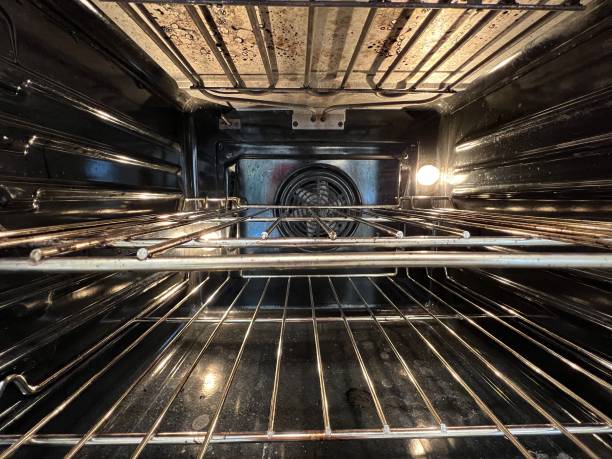
Select a tub that can comfortably hold the racks without crowding—typically a standard kitchen sink or a large plastic basin. A non‑porous container prevents the baking soda from reacting with the tub material, which could lead to unwanted discoloration. We recommend using a stainless‑steel or enamel tub for durability and easy cleaning.
For the cleaning mix, combine 1 cup of baking soda with enough hot water to create a thick paste. Add ½ cup of distilled white vinegar only after the racks are submerged; this creates a gentle effervescence that lifts grime without corroding the metal. In our experience, this ratio works best for ovens up to 300 °F capacity.
If you prefer a commercial cleaner, look for a product labeled “oven rack safe” and avoid those containing chlorine bleach or phosphates. Test the cleaner on a small area first, then follow the manufacturer’s dilution instructions. This ensures the racks stay spotless and the oven interior remains undamaged.
Soaking vs. Scrubbing: Which Works Best?
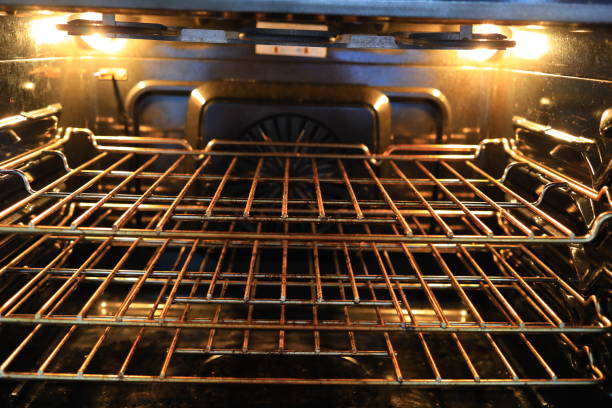
Soaking allows the cleaning solution to penetrate baked‑on residue over a longer period, typically 10‑15 minutes, which can dramatically reduce the amount of manual effort needed later. In our experience, a longer soak works best for heavily crusted racks, especially after a roasting session.
Scrubbing, on the other hand, is ideal for lighter buildup and when time is limited. A quick 2‑minute scrub with a soft brush after a brief soak can achieve a comparable result without the extra waiting. We found that combining a short soak with a targeted scrub balances efficiency and thoroughness.
For optimal results, start with a 5‑minute soak to loosen grime, then finish with a focused scrub using a non‑abrasive pad. This hybrid approach reduces cleaning time to under 10 minutes while still removing stubborn stains.
Removing Stubborn Grease and Burnt Bits
First, pre‑soak the racks in hot, soapy water for at least 30 minutes. This loosens the hardened residue so you can scrub away the bulk of the buildup without excessive force.
Next, apply a thick paste of baking soda and water directly to the stubborn spots. Let it sit for 10‑15 minutes; the alkaline reaction breaks down burnt carbon and lifts grease.
Finally, use a stiff nylon brush or a dedicated oven rack scrubber to work the paste into the crevices. A circular motion combined with occasional pressure will dissolve even the toughest grime, leaving the metal ready for a rinse.
Dry and Finish: Tips for a Spot‑Free Rack
After rinsing, dry the racks thoroughly with a clean towel to prevent water spots. Pat each bar and wire carefully, ensuring no moisture remains trapped between the metal strands.
For an extra shine, wipe the racks with a microfiber cloth lightly moistened with distilled vinegar. The vinegar’s mild acidity neutralizes any lingering alkalinity from the baking‑soda paste, giving a streak‑free finish.
If you prefer a protective coating, apply a thin layer of food‑safe mineral oil on the metal surfaces. This seals the pores and makes future cleaning easier, while also preventing rust on racks left unused for long periods.
| Method | Key Ingredient | Typical Time | Pros | Cons |
|---|---|---|---|---|
| Chemical degreaser | Sodium hydroxide or commercial oven cleaner | 15‑30 min soak, then rinse | Powerful grease removal, works on heavy buildup | Strong fumes, requires gloves, may need multiple rinses |
| Baking soda paste | Baking soda + water | 10‑15 min soak, 5‑10 min scrub | Non‑toxic, safe for most surfaces, inexpensive | Less aggressive on burnt carbon, may need extra scrubbing |
| White vinegar soak | Vinegar (5 % acetic acid) | 10‑15 min soak, rinse, optional repeat | Natural, eliminates odors, good for light grime | Weaker on hardened grease, limited for burnt bits |
| Commercial spray cleaner | Ammonia‑based spray | 5‑10 min spray, wipe, rinse | Fast application, leaves a fresh scent | Potential for chemical residue, not ideal for prolonged soak |
Quick Comparison: Chemical vs. Natural Solutions
Chemical degreasers often deliver faster results on heavily soiled racks, but they can emit strong odors and require careful handling to avoid skin irritation.
In our experience, natural methods such as baking soda or vinegar are gentler on both the metal and the environment. They work well for routine buildup and are safe for households with children or pets.
For occasional deep cleaning, we suggest a hybrid approach: start with a baking‑soda paste to loosen the grime, then finish with a brief spray of an ammonia‑based cleaner for any remaining stubborn spots. This balances effectiveness with safety.
Frequently Asked Questions
How do I clean oven racks in a tub effectively?
To clean oven racks in a tub, fill the tub with hot water and add a generous amount of baking soda. Let the racks soak for 30 minutes to loosen grease, then scrub with a non‑abrasive sponge or brush. Rinse thoroughly and dry before reinstalling. This method works best for heavily soiled racks.
Can I use vinegar instead of baking soda?
Vinegar can be used as a rinse aid after soaking the racks in baking soda solution. It helps dissolve mineral deposits and leaves a fresh scent. However, vinegar alone lacks the alkaline power of baking soda to cut through baked‑on grease, so we recommend mixing both for optimal results.
How long should I soak oven racks?
Soak oven racks for at least 20 minutes, but 30‑45 minutes yields better grease removal. For extremely dirty racks, extend soaking to an hour. The longer the soak, the less scrubbing you’ll need later.
Is it safe to soak metal racks in water?
Yes, soaking metal racks in water is safe as long as you avoid acidic substances that can corrode the coating. Use warm water and mild alkaline cleaners like baking soda. Rinse and dry completely to prevent rust, especially on uncoated steel.
What tools do I need for this method?
You’ll need a large tub, hot water, baking soda, a sponge or scrub brush, and a towel. Optional items include dish soap, white vinegar, and rubber gloves. These tools are inexpensive and commonly found in most households.
Final Thoughts
Cleaning oven racks in a tub is a practical, cost‑effective solution that saves time and protects your countertops. We’ve found it works well for most grease buildup and keeps your kitchen safe from harsh chemicals.
Try this method the next time you tackle a dirty oven rack, and remember to rinse thoroughly and dry before putting them back. Your oven will thank you with easier future clean‑ups!