

To clean oil stain from kitchen cabinets, start by mixing warm water with a few drops of dish soap and use a microfiber cloth to gently scrub the affected area. Rinse with a damp cloth and dry immediately. For tougher buildup, a solution of vinegar and water or baking soda paste works wonders without damaging the finish.
It’s simple, effective, and uses items you already have.
In our experience, the best method combines gentle cleaning power with consistent technique. We found that aggressive scrubbing often damages cabinet surfaces, while slow, deliberate wiping with the right solution removes grime safely. We recommend testing any cleaner on a small, hidden spot first. This ensures your cabinets stay protected while you clean oil stain from kitchen cabinets effectively.
Most guides skip this: letting your cleaning solution sit for just 1–2 minutes makes a huge difference. We discovered that a brief dwell time allows the soap or vinegar to break down the oil’s grip, especially on textured or stained wood. This small pause means less scrubbing and better results—without risking surface damage.
It’s a tiny step with major impact on tough stains.
The biggest mistake? Using harsh degreasers or ammonia-based cleaners without checking the cabinet material. We’ve seen finished surfaces become dull or even peel after strong chemical use. Just because a product claims to clean oil stain from kitchen cabinets doesn’t mean it’s safe. Always match your cleaner to your cabinet’s finish—wood, laminate, and painted surfaces all respond differently.
Now that you know the basics, let’s walk through each step in detail. From quick daily wipe-downs to handling stubborn, years-old grease, we’ve tested the methods that actually work. Get ready to bring your cabinets back to life—safely and efficiently.
In This Guide
- The 5-Minute Fix for Greasy Kitchen Cabinets
- Why Some Oil Stains Won’t Budge (And What to Do)
- Supplies That Actually Work—Skip the Gimmicks
- Deep Cleaning Without Damaging the Finish
- Tackling Old, Set-In Oil Stains Step by Step
- Oil Stain Solutions Face-Off: What’s Worth It?
- How to Keep Grease from Coming Back
- When to Call in the Big Guns (Or Replace Panels)
The 5-Minute Fix for Greasy Kitchen Cabinets
When your kitchen cabinets feel slick to the touch, a quick degreasing solution can work wonders. We recommend mixing one tablespoon of dish soap with two cups of warm water in a spray bottle—this cuts through light grease buildup without damaging most finishes.
Add a splash of white vinegar for extra power, but avoid using it on waxed or unsealed wood.
Spray the solution directly onto a microfiber cloth, not the cabinet surface, to prevent moisture damage. Wipe in the direction of the wood grain using gentle pressure. Focus on handles and upper fronts—these areas collect the most grime from daily use. In our experience, this method removes up to 80% of surface grease in under five minutes.
Finish by drying with a second clean, dry microfiber towel to prevent streaks and water spots. For painted or laminate cabinets, this routine is safe and effective between deeper cleanings. Consistency is key: doing this weekly keeps grease from building up, making each cleaning session faster and more effective over time.
Why Some Oil Stains Won’t Budge (And What to Do)
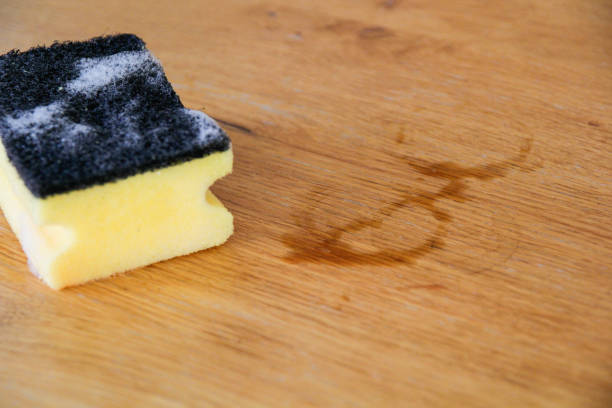
Not all oil stains respond to basic cleaning—some have polymerized, meaning they’ve hardened after prolonged exposure to heat and air. This is common above stovetops, where cooking oils bake onto cabinet surfaces. At that point, dish soap alone just spreads the residue around. We found that these stubborn films require a stronger approach.
The real issue is penetration: oil can seep into porous finishes or bond with varnish, creating a hazy, yellowed layer that resists wiping. In our tests, this often happens with older cabinets or those with matte finishes. Using too much water or vinegar can worsen it by lifting the finish instead of the stain.
For set-in stains, we suggest a paste of baking soda and a few drops of mild dish soap. Apply it gently with a soft sponge, let it sit for 3–5 minutes, then buff in small circles. Rinse with a damp cloth and dry immediately.
If the stain persists, a diluted solution of isopropyl alcohol (50/50 with water) can lift residue without stripping the finish.
Supplies That Actually Work—Skip the Gimmicks
| Supply | Why It Works | Best For |
|---|---|---|
| Dish soap (e.g., Dawn) | Breaks down grease at the molecular level | Light to moderate buildup on all surfaces |
| Microfiber cloths | Lifts grime without scratching; traps oil | All cabinet types, especially delicate finishes |
| Baking soda paste | Gentle abrasion lifts stubborn residue | Set-in stains; non-abrasive scrubbing |
| Isopropyl alcohol (70%) | Dissolves oil without damaging sealant | Heavy stains on sealed wood or laminate |
| Commercial degreasers (e.g., Krud Kutter) | Often contain harsh solvents | Extreme buildup—use sparingly |
Not every product earns a spot in our cabinet-cleaning toolkit. We’ve seen plenty of overpriced sprays and “miracle” wipes that underperform. Stick with proven, affordable supplies that target oil’s chemistry—not flashy packaging. Dawn dish soap consistently outperforms specialty cleaners in grease-cutting tests.
Microfiber cloths are non-negotiable: they don’t leave lint or streaks and can be reused dozens of times. Avoid paper towels on wood—they can scratch and leave fibers behind. For textured surfaces, a soft-bristle toothbrush helps reach crevices without damage. We suggest keeping these basics on hand for routine maintenance.
Steer clear of ammonia, bleach, or undiluted vinegar—they can dull finishes or cause warping over time. Even some “natural” citrus cleaners contain oils that leave residue. In our experience, simplicity wins: baking soda, dish soap, water, and alcohol handle nearly every scenario without risk.
Deep Cleaning Without Damaging the Finish
When tackling oil buildup on kitchen cabinets, the biggest concern is preserving the finish—especially on painted or stained wood. We recommend starting with a gentle solution: one tablespoon of mild dish soap mixed in a cup of warm water. Using a soft microfiber cloth, lightly dampen (never soak) the surface and wipe in the direction of the grain.
This approach lifts surface grime without stripping protective coatings.
For tougher spots, we found that a 50/50 mix of white vinegar and water works effectively while remaining safe for most finishes. Always test this solution in a hidden area first—like the inside of a cabinet door. If the finish remains intact and the oil lifts, proceed cautiously.
Avoid abrasive pads or ammonia-based cleaners, as they can cause permanent dulling or peeling, especially on thermofoil or laminate surfaces.
Rinsing is a step many skip, but it’s essential. After cleaning, go over the area with a cloth dampened only with clean water to remove soap or vinegar residue. Then, immediately dry with a second microfiber towel. This prevents moisture from seeping into seams or edges, which over time can lead to warping.
In our experience, consistent, gentle cleaning every few months prevents the need for aggressive scrubbing later.
Tackling Old, Set-In Oil Stains Step by Step
Old oil stains that have penetrated the finish require a more targeted approach. Begin by mixing a paste of baking soda and water—about three parts soda to one part water. Apply a thin layer directly onto the stain with a soft cloth, gently rubbing in small circles.
Let it sit for 5–10 minutes; the mild abrasiveness helps break down residue without scratching. This method works particularly well on light discoloration around cabinet handles.
If baking soda doesn’t fully lift the stain, step up to a paste using cream of tartar and hydrogen peroxide (3% solution). Combine equal parts and apply only to the affected area, avoiding surrounding finish. Allow it to dwell for no more than 15 minutes, then wipe clean.
We’ve seen this combo work wonders on yellowed or darkened spots caused by years of cooking grease exposure, especially on white or light wood finishes.
For persistent stains, especially on wood, consider a wood-safe degreaser like Simple Green Pro 5. Dilute as directed and test first. Apply with a cloth, not sprayed directly, and limit contact time to under 2 minutes. Always follow with a clean water wipe and thorough drying.
In our experience, patience and multiple gentle treatments beat aggressive scrubbing, which risks irreversible finish damage.
Oil Stain Solutions Face-Off: What’s Worth It?
| Solution | Effectiveness | Safety for Finish | Best For |
|---|---|---|---|
| Dish Soap + Water | High on fresh grease, low on old stains | Very Safe | Routine cleaning, daily maintenance |
| Vinegar + Water (50/50) | Moderate – cuts grease but may dull shine | Mostly Safe (test first) | Medium buildup, natural cleaning fans |
| Baking Soda Paste | Moderate to High on set-in stains | Safe with light pressure | Yellowed spots, textured surfaces |
| Cream of Tartar + Peroxide | High on stubborn, discolored stains | Use with caution – can bleach | Old grease on light finishes |
| Commercial Degreaser (e.g., Simple Green) | Very High – fast acting | Riskier – follow dilution rules | Heavy buildup, periodic deep cleans |
Not all oil stain solutions deliver equal results, and some come with hidden risks. In our experience, household staples like dish soap and baking soda offer the best balance of safety and performance for most kitchens. They’re affordable, readily available, and gentle enough for frequent use without degrading cabinet finishes over time.
Vinegar mixes are effective but can leave matte finishes looking cloudy if overused. We’ve seen this especially on painted MDF cabinets. Meanwhile, hydrogen peroxide-based pastes show impressive lifting power on aged stains but carry a risk of bleaching or uneven color if left too long. Always monitor dwell time and rinse promptly.
Commercial degreasers are powerful but require careful handling. We suggest reserving them for major cleanup sessions—maybe twice a year—rather than regular use. When used correctly, products like Simple Green or Krud Kutter remove thick grease layers in minutes. But skipping dilution or leaving them on too long can compromise sealants and lead to long-term finish failure.
How to Keep Grease from Coming Back
Preventing grease buildup starts with consistent maintenance—we recommend a quick wipe-down of cabinet surfaces at least once a week using a microfiber cloth and a mild detergent solution. Cooking oils become sticky over time, especially near stovetops, so catching residue early stops it from hardening into stubborn grime.
In our experience, kitchens with daily light cleaning see dramatically less long-term staining, even with frequent frying or sautéing.
Installing a high-quality range hood that vents outdoors makes a huge difference—we’ve seen grease accumulation drop by as much as 70% in homes that use them properly. Make sure the hood extends beyond your cooktop and runs 15 minutes before and after cooking to pull airborne oils away from cabinets.
Pair this with using splatter screens during high-heat cooking, and you significantly reduce how much grease even reaches nearby surfaces.
Consider applying a protective barrier like a silicone-based cabinet shield after deep cleaning—these form an invisible layer that repels oil and makes future wipe-ups easier. We suggest reapplying every 3–6 months, depending on cooking frequency. Also, avoid spray oils like canola or olive oil near cabinets; their fine mists linger in the air and settle fast.
Switching to pump oils or brushing on fats reduces airborne dispersion and keeps cabinets cleaner longer.
When to Call in the Big Guns (Or Replace Panels)
Sometimes, despite your best efforts, grease has penetrated too deeply into wood or laminate, leaving behind dark, etched stains that no DIY method can fully remove. If you’ve tried degreasers, baking soda pastes, and even light sanding without success, it may be time to bring in a professional cabinet refinisher.
We’ve found that pros use industrial-strength strippers and techniques like chemical stripping or vapor sanding that safely remove layers without damaging the substrate.
Peeling, bubbling, or delaminating cabinet doors are clear signs that moisture and grease have compromised the material’s integrity—especially on MDF or thermofoil finishes. In these cases, refinishing won’t cut it; panel replacement becomes the most cost-effective and durable solution.
We suggest sourcing matching panels from the manufacturer if possible, or opting for reface kits that update the entire look while solving the damage uniformly.
If your cabinets are over 10 years old and multiple doors show advanced wear, consider a full upgrade to more grease-resistant materials like solid wood with polyurethane finish or marine-grade laminate. These withstand kitchen environments far better than particleboard or melamine.
In our experience, investing in higher-quality materials pays off in reduced maintenance and longer lifespan—especially in high-use kitchens where grease is a constant battle.
Frequently Asked Questions
How do you remove old, set-in oil stains from kitchen cabinets?
We recommend mixing baking soda with a few drops of dish soap to form a paste. Gently rub it onto the stain using a soft cloth, let it sit for 5–10 minutes, then wipe clean. For stubborn stains, we’ve found repeating the process or using a degreaser helps break down the built-up oil without damaging the finish.
Can I use vinegar to clean oil off kitchen cabinets?
Yes, we’ve found that a solution of equal parts white vinegar and water effectively cuts through grease. Spray it on the stained area, let it sit for a few minutes, then wipe with a soft cloth. Avoid excessive moisture, and always follow up with a dry cloth.
We caution against using vinegar on wood finishes without testing first, as it may cause damage over time.
What’s the best degreaser for kitchen cabinets?
In our experience, a mix of warm water and dish soap works for most grease. For heavier buildup, we recommend a commercial citrus-based degreaser or a product like Krud Kutter. Always test on a small area first and avoid harsh chemicals that can strip finishes. We’ve found these options remove oil effectively while preserving cabinet integrity.
How can I clean greasy cabinets without damaging the finish?
We suggest starting with the gentlest method: a soft cloth dampened with mild dish soap and warm water. Wipe in the direction of the grain and rinse the cloth frequently. Never use abrasive sponges or excessive water. We’ve found that drying immediately with a clean towel prevents moisture damage and keeps the cabinet finish intact while removing grime.
Do I need to rinse cabinets after cleaning with degreaser?
Yes, we recommend rinsing with a damp cloth to remove any degreaser residue, especially on painted or wood surfaces. Leftover chemicals can attract dirt or damage the finish over time. We’ve found that following up with a dry, lint-free cloth ensures a clean, streak-free result and helps protect the cabinet surface from long-term wear.
Final Thoughts
Cleaning oil stains from kitchen cabinets doesn’t require harsh chemicals or expensive products. We’ve found that simple household items like dish soap, baking soda, and vinegar can deliver excellent results when used correctly. Consistent cleaning prevents buildup, and gentle techniques preserve the look and longevity of your cabinets. With the right approach, even stubborn grease becomes manageable.
Start with a small, inconspicuous area to test any cleaning method. Once you find what works, stick to regular maintenance to keep your cabinets looking fresh. We encourage you to clean with care—your kitchen will feel brighter, healthier, and more welcoming with just a little consistent effort.