

To how to clean natural wood cabinets naturally, start with a soft cloth and a mix of mild dish soap and warm water. Wipe gently with the grain, never across it, and dry immediately. Avoid soaking the wood. This simple method removes everyday grime without harsh chemicals and keeps your cabinets looking warm and natural.
In our experience, the best way to care for natural wood cabinets is with consistency, not intensity. We recommend cleaning them regularly using gentle, non-abrasive tools. We found that even small habits—like wiping spills quickly—make a big difference in preserving the wood’s beauty and finish over time.
Here’s a tip most guides miss: always test your cleaner on a hidden spot first. Natural wood varies widely, and even mild solutions can affect finishes differently. We’ve seen discoloration from vinegar-based sprays on certain stains—what works for one kitchen might harm another.
A common misconception is that natural wood needs deep cleaning every time. But over-cleaning, especially with damp cloths, can warp or dull the surface. We’ve learned that less is more—frequent light cleaning beats aggressive scrubbing any day.
Now that you know the basics, let’s walk through each step to keep your cabinets looking their best—without damaging the wood or finish.
In This Guide
- The Simple Daily Clean That Keeps Wood Looking Great
- What to Clean With (And What to Toss)
- How to Handle Sticky Spots and Built-Up Grime
- Natural Wood Cabinet Care: Avoiding the Most Common Mistakes
- When to Skip the Cloth and Call in a Pro
- Best Cleaning Solutions for Natural Wood Cabinets
- Polishing and Protecting After Cleaning
- How Often You Should Really Be Cleaning Wood Cabinets
The Simple Daily Clean That Keeps Wood Looking Great
For natural wood cabinets, consistency is everything. A quick wipe-down every day prevents dust, cooking grease, and fingerprints from settling in. We recommend using a soft microfiber cloth slightly dampened with distilled water—just enough to pick up debris without leaving moisture behind. Never soak the surface; excess water is one of wood’s biggest enemies.
Focus on high-touch areas like cabinet fronts and handles, where oils from hands can dull the finish over time. In our experience, a two-minute daily routine takes less effort than a deep clean every few weeks and dramatically extends the life of your wood. Always wipe with the grain to avoid scratching or streaking.
After damp wiping, follow with a dry microfiber cloth to remove any residual moisture. This simple step prevents water rings and swelling, especially on unfinished or lightly sealed wood. Think of it like skincare for your cabinets—gentle, regular care** beats aggressive fixes later. With this habit, your wood will retain its warmth and luster for years.
What to Clean With (And What to Toss)
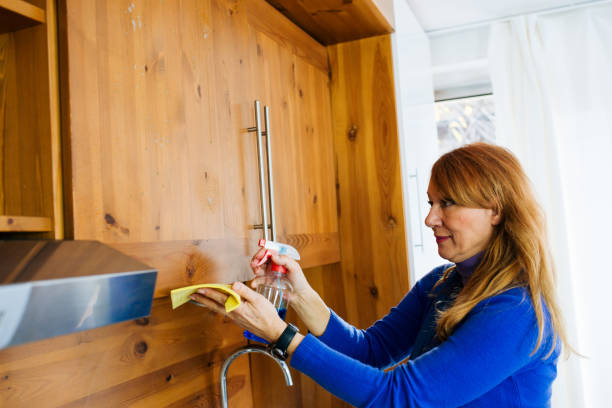
Not all cleaners are safe for natural wood, and using the wrong products can strip finishes or cause warping. We suggest sticking to pH-neutral, non-abrasive solutions. A mix of one part distilled white vinegar to four parts water** works well for light cleaning, but always test in an inconspicuous spot first.
For a commercial option, we’ve found Woodshine by Weiman effectively lifts grime without residue.
Avoid anything with ammonia, bleach, or harsh solvents—they break down wood sealants and leave cabinets vulnerable. Also steer clear of standard all-purpose sprays like Lysol or Windex, which can cause clouding or discoloration over time. Even some “natural” citrus-based cleaners are too acidic for frequent use on wood finishes.
As for tools, skip paper towels and scrubbing pads. They scratch and leave lint. Instead, use lint-free microfiber cloths** and soft-bristle brushes for corners. We always recommend wringing cloths until they’re barely damp—wet is never better with wood. When in doubt, simpler is safer: a dry cloth often does the job on dust alone.
How to Handle Sticky Spots and Built-Up Grime
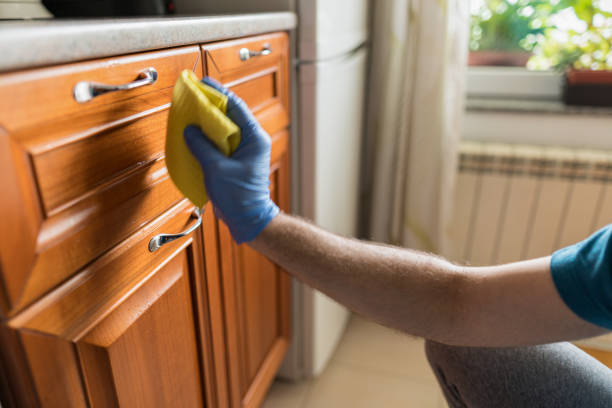
Sticky residues—often from cooking splatter, syrup spills, or old adhesive—can stubbornly cling to wood cabinets. For light buildup, we recommend a solution of one teaspoon of mild dish soap (like Dawn)** in a quart of warm water.
Dip a microfiber cloth in the mix, wring thoroughly, and gently rub the spot in circular motions, then immediately dry with a second cloth.
If grime persists, a slightly stronger approach is safe: add a tablespoon of distilled white vinegar** to the soapy mix. This helps cut through grease without harming most finishes. For extra tough areas—say, near the stovetop where smoke residue collects—we’ve seen success with a soft toothbrush dipped in the solution to agitate buildup in crevices.
Never resort to steel wool or abrasive cleaners; they leave permanent scratches. And always follow deep cleaning with a dry pass to prevent moisture absorption. For recurring issues, consider installing a backsplash or applying a protective wax coating** every few months to repel future grime.
Natural Wood Cabinet Care: Avoiding the Most Common Mistakes
One of the biggest mistakes we see in natural wood cabinet maintenance is using too much water during cleaning. Wood is porous, and excessive moisture can cause swelling, warping, or delamination over time—especially with species like cherry or maple.
Instead of spraying directly onto the surface, we recommend lightly dampening a soft microfiber cloth and wiping in the direction of the grain to prevent damage.
Another frequent error is reaching for harsh, alkaline-based cleaners or ammonia products. These can strip away the wood’s protective finish, leaving it vulnerable to stains and moisture. In our experience, even common household items like vinegar, while natural, are too acidic for regular use on finished wood. What seems harmless can silently degrade the surface over months of repeated exposure.
Many homeowners also overlook the importance of immediate spill cleanup. Leaving behind wine, coffee, or cooking grease—even for a few hours—can lead to permanent discoloration. We suggest treating spills as emergencies: blot, don’t rub, and follow with a dry cloth. Regular dusting with a non-abrasive tool also prevents buildup that can scratch the surface during cleaning.
When to Skip the Cloth and Call in a Pro
While routine cleaning can be handled at home, there are clear signs that it’s time to bring in a professional. If you’re seeing deep gouges, widespread finish deterioration, or persistent cloudiness that doesn’t respond to conditioning, surface-level care won’t cut it. These issues often require specialized sanding, refinishing, or stain matching—skills and tools most homeowners don’t have.
Another red flag is the presence of mold or water damage, especially under sinks or near dishwashers. Surface mold on wood cabinets indicates prolonged moisture exposure and possibly hidden structural compromise. We’ve found that DIY cleaning might remove visible traces, but without proper drying and treatment, the problem tends to return. Professional restoration ensures both safety and longevity.
Also consider expert help if your cabinets are antique or high-value. Older finishes like shellac or French polish are delicate and easily damaged by modern cleaners. We suggest consulting a wood restoration specialist who understands period-appropriate techniques. For valuable investments, the cost of a pro is minor compared to the risk of irreversible harm.
Best Cleaning Solutions for Natural Wood Cabinets
| Solution | Best For | Frequency | Notes |
|---|---|---|---|
| Mild dish soap + water (1 tsp per 1 quart) | Weekly cleaning, light grease | Weekly to biweekly | Use with microfiber cloth; rinse with damp cloth and dry immediately |
| Commercial wood cleaner (e.g., Weiman Wood Cleaner) | Polishing and protection | Monthly | Contains conditioners; avoid on unfinished wood |
| Homemade mix: 1:1 water + olive oil | Reviving dry wood | Every 2–3 months | Use sparingly; excess can turn rancid or attract dust |
| Diluted white vinegar (1:1 with water) | Tough grease (short-term) | Rarely (max once every 3 months) | Acidic—can dull finish over time; not for regular use |
| Denatured alcohol (5–10% in water) | Sticky residue or fingerprints | As needed | Test in hidden area first; avoid prolonged use |
Choosing the right cleaning solution depends on your cabinet’s finish and usage. We recommend starting gentle: a mix of mild dish soap and water handles most everyday messes without risking the wood’s integrity. This solution is especially effective on painted or sealed natural wood and leaves no residue when properly rinsed.
For deeper nourishment, we’ve found commercial wood cleaners with built-in conditioners, like Weiman or Pledge Restore & Shine, deliver reliable results. They not only clean but also enhance the wood’s natural luster. However, we caution against overuse—applying them more than once a month can lead to buildup on the surface.
Homemade options can work, but they require more caution. While olive oil brings out grain beautifully, too much creates a sticky, dusty mess. And despite its popularity, vinegar’s acidity makes it a risky long-term choice. In our experience, the safest route combines gentle soaps for cleaning and dedicated wood conditioners for maintenance.
Polishing and Protecting After Cleaning
Once your natural wood cabinets are clean and completely dry, it’s time to restore their luster and guard against future damage. We recommend applying a high-quality wood polish that’s specifically formulated for untreated or finished hardwoods—look for products with carnauba wax or beeswax as primary ingredients.
These natural components enhance grain depth without leaving a greasy residue, giving cabinets a rich, healthy glow that artificial sprays can’t match.
Using a soft microfiber cloth, apply the polish in small, circular motions, following the direction of the wood grain. A little goes a long way—a dime-sized amount per cabinet door is usually sufficient. In our experience, over-polishing can attract dust and lead to buildup, so less is more.
Always avoid silicone-based polishes, which may create temporary shine but can trap moisture and cause long-term discoloration.
For added protection, especially in high-humidity areas like kitchens, consider a periodic application of a wood conditioner or feed** every 3–4 months. These products replenish natural oils lost through cleaning and environmental exposure, helping prevent fine cracking and drying. We’ve found that brands like Howard Feed-N-Wax or Minwax Hardwood Floor Reviver deliver consistent results without darkening the wood.
This simple step extends the lifespan of your cabinets and maintains their natural beauty for years.
How Often You Should Really Be Cleaning Wood Cabinets
Many homeowners overclean—or underclean—their wood cabinets, not realizing that frequency depends heavily on usage and environment. For most households, a light dusting with a dry microfiber cloth** once a week is enough to prevent grime buildup.
In kitchens with daily cooking, especially with gas stoves or frequent frying, we suggest a gentle wipe-down with a damp cloth every 10–14 days to combat grease accumulation around handles and edges.
Deep cleaning, using a diluted vinegar-and-oil solution or pH-balanced wood cleaner, should only happen every 3 to 6 months. Over-cleaning, particularly with moisture-heavy methods, risks warping, swelling, or finish damage. In our experience, homes with children or pets may need slightly more frequent attention, but even then, consistent light maintenance beats aggressive scrubbing.
Always dry immediately after cleaning to prevent water spots or seepage.
Seasonal changes also play a role—dry winter air can make wood brittle, while summer humidity encourages mold in neglected corners. We recommend syncing your deep clean with seasonal shifts: inspect seals, hinges, and corners during each session. This rhythm keeps cabinets looking fresh without overexposure to liquids or chemicals.
Ultimately, a little observation goes a long way—if it looks dusty or feels sticky, it’s time to act.
Frequently Asked Questions
Can I use vinegar to clean wood cabinets?
Yes, we recommend a solution of equal parts white vinegar and water for cleaning natural wood cabinets. It cuts grease and removes grime without harsh chemicals. We’ve found it works best when applied with a soft cloth—never sprayed directly. Avoid over-saturating, and always follow with a damp water wipe and dry cloth to prevent residue or moisture damage.
How do I remove grease buildup from wood cabinets?
We suggest mixing a few drops of dish soap with warm water and using a soft microfiber cloth to gently wipe greasy areas. For stubborn buildup, we’ve found that a paste of baking soda and water, applied lightly with a cloth, lifts residue without scratching. Always rinse with a damp cloth and dry immediately to protect the wood’s finish.
What should I avoid when cleaning natural wood cabinets?
We strongly advise against using ammonia, bleach, or abrasive cleaners, as they can strip the finish and damage the wood. We’ve also found that steel wool and harsh scrubbing pads cause scratches. Never soak the wood—excess moisture leads to warping or swelling. Stick to pH-neutral, wood-safe products and soft cloths for best results.
How often should I clean my wood cabinets?
In our experience, wiping down natural wood cabinets with a dry or slightly damp cloth every 1–2 weeks prevents dust and grease buildup. A deeper clean with mild soap solution is recommended every 3–6 months, depending on kitchen use. High-use kitchens may need monthly attention to maintain appearance and durability.
Can I polish my natural wood cabinets after cleaning?
Yes, we recommend applying a quality wood polish or wax after cleaning to restore shine and protect the surface. In our experience, products like lemon oil or furniture wax work well on natural wood. Apply sparingly with a soft cloth, buff gently, and avoid silicon-based polishes that can create buildup over time.
Final Thoughts
Maintaining natural wood cabinets doesn’t require harsh chemicals or complicated routines—we’ve found that consistent, gentle care makes all the difference. By using simple, safe cleaning solutions and protecting the wood from moisture and abrasion, you preserve both beauty and function over time. Natural wood ages gracefully, especially when treated with respect and attention.
Start with a weekly wipe-down and a deep clean every few months—we promise your cabinets will thank you. With the right habits, your wood cabinetry can stay warm, rich, and inviting for years. You’ve got this, and we’re confident you’ll love the results.