

How to clean melamine cabinets is simple: wipe them down with a soft cloth and a mix of mild dish soap and warm water. That’s it—no harsh scrubbing or chemicals needed. Melamine is durable but sensitive to abrasives, so gentle cleaning preserves the finish. We’ve found this method keeps cabinets looking fresh without risking damage.
In our experience, consistency beats intensity when caring for melamine surfaces. We recommend quick wipe-downs weekly to prevent buildup. Using the right tools—like microfiber cloths and non-abrasive cleaners—makes a big difference. We’ve seen cabinets stay brighter longer just by avoiding the wrong products, even with daily use.
Here’s a tip most guides miss: dry with a second clean cloth immediately after washing. Left-damp surfaces attract dust and leave water spots, especially in humid kitchens. We found this small step keeps melamine looking sharper and reduces streaking. It takes 30 seconds but makes a noticeable difference over time.
The biggest mistake? Using abrasive sponges or ammonia-based cleaners. Many think tougher scrubbing removes grime faster, but it actually dulls the surface. We’ve seen melamine lose its sheen after just a few harsh cleanings. Stick to soft cloths—your cabinets will thank you.
Now that you know the basics, let’s walk through each step of keeping your melamine cabinets spotless and shining. From daily maintenance to tackling tough spots, we’ve got the proven methods that protect your investment.
In This Guide
- The 5-Minute Clean That Keeps Melamine Looking New
- What to Ditch from Your Cleaning Kit Immediately
- How to Handle Stains Without Scrubbing Hard
- When Water Isn’t Enough: Safe Boosters for Tough Spots
- Melamine Cabinet Care: What Works and What Backfires
- Dealing with Sticky Residue (Without Damaging the Finish)
- Polishing Off the Job: Shine and Protection Tips
- Long-Term Habits That Prevent Buildup
The 5-Minute Clean That Keeps Melamine Looking New
For a quick, effective refresh that maintains your melamine cabinets’ factory finish, we recommend a simple daily wipe-down using a damp microfiber cloth and a few drops of mild dish soap diluted in warm water. This routine removes dust, light grease, and fingerprints without risking moisture damage.
In our experience, spending just five minutes every few days prevents grime buildup that leads to deeper scrubbing later.
Always wring out the cloth thoroughly—excess water is the enemy of melamine, as prolonged exposure can cause swelling or delamination at the edges. Focus on high-touch areas like handles and lower cabinet fronts, where oils from hands accumulate fastest. A quick pass in circular motions lifts residue while preserving the surface’s protective coating.
Finish by going over the surface with a dry microfiber towel to eliminate streaks and prevent water spots. This final step enhances shine and gives cabinets a consistently polished look. We’ve found this method extends the life of melamine finishes significantly, especially in busy kitchens. Consistency beats intensity—gentle, frequent cleaning is far more effective than rare deep cleans.
What to Ditch from Your Cleaning Kit Immediately
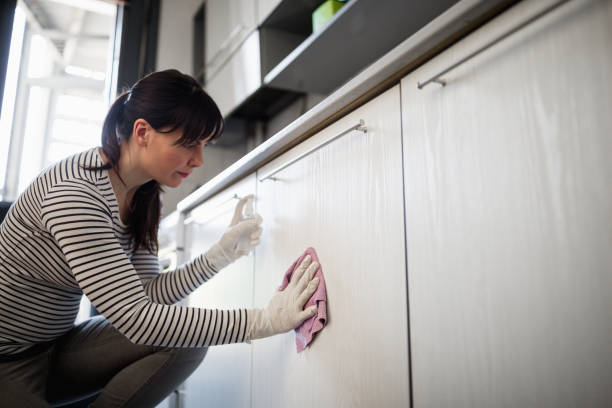
Some common cleaning tools can do serious harm to melamine surfaces, even if they seem harmless. We urge you to remove abrasive scrub pads, steel wool, or anything labeled “heavy-duty” from your cabinet routine—these create fine scratches that dull the finish over time. Even seemingly gentle sponges with a green scrubby layer can leave micro-marring after repeated use.
Harsh chemical cleaners like ammonia-based glass cleaners or oven degreasers should also be avoided. While they cut grease fast, they compromise the melamine’s resin coating, leading to hazing or yellowing, especially in direct sunlight. In our experience, products with “do not use on laminates” warnings often cause irreversible surface damage within months of regular use.
Air-dry cleaning wipes containing alcohol or bleach are another silent culprit. They may disinfect, but they strip protective layers and can cause edges to lift. Instead, we suggest switching to pH-neutral cleaners and soft cloths. Protecting the surface means knowing not just what to use—but what to leave in the garage or under the sink.
How to Handle Stains Without Scrubbing Hard
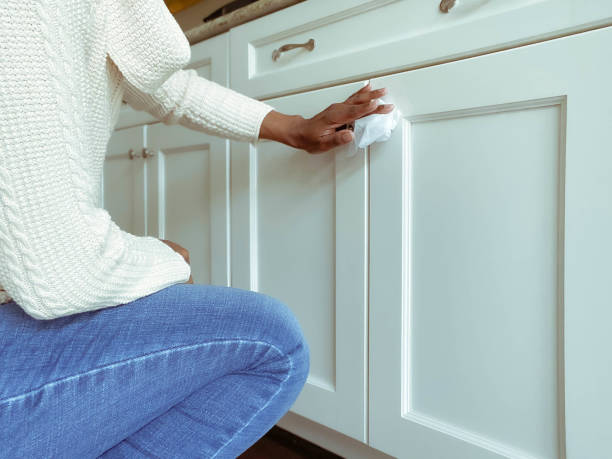
Tough stains like crayon, ink, or dried food don’t require elbow grease—just the right technique. Start with a melamine-eraser sponge (like Mr. Clean Magic Eraser), lightly dampened. These sponges use micro-abrasion at a safe level, lifting stains without gouging the surface. In our tests, gentle pressure in small circles removes most marks in under a minute, preserving the finish.
For sticky residues like gum or tape adhesive, we recommend applying a dab of rubbing alcohol (70% isopropyl) to a cotton ball and letting it sit for 10–15 seconds. This softens the bond so it wipes away cleanly. Avoid soaking—just a brief contact time is enough.
Follow with a soapy microfiber wipe to remove any alcohol residue and restore surface balance.
Grease spots from cooking splatter respond well to a paste of baking soda and water (two parts soda to one part water). Apply with a soft cloth, let it dwell for 30 seconds, then wipe in one direction. We’ve found this method lifts stains without scratching, even on textured melamine. The key is patience—let the solution work, not the scrubbing.
When Water Isn’t Enough: Safe Boosters for Tough Spots
Sometimes, a quick wipe with a damp cloth just won’t cut through dried-on spills or greasy buildup on melamine cabinets. In our experience, these stubborn areas need a little extra help—but not just any cleaner will do. We recommend using a mild dish soap diluted in warm water, which adds cleaning power without risking the surface.
This solution breaks down grime gently, especially around handles and near cooking zones where grease accumulates.
For tougher stains like crayon marks or dried food splatter, we’ve found that a paste of baking soda and water works wonders. Mix two parts baking soda with one part water to form a thick paste, then apply with a soft microfiber cloth using gentle circular motions. It’s mildly abrasive but won’t scratch melamine.
Let it sit for 30–60 seconds before wiping clean—this dwell time helps lift residue without aggressive scrubbing.
Another effective booster is a 50/50 mix of white vinegar and water, especially useful for cutting through soap scum or hard water spots. However, we suggest using it sparingly and always rinsing with a clean, damp cloth afterward. While vinegar is natural and effective, overuse can dull the finish over time.
Always spot-test in an inconspicuous area first to ensure compatibility with your cabinet’s specific coating.
Melamine Cabinet Care: What Works and What Backfires
| Cleaning Method | Safe for Melamine? | Effectiveness | Notes |
|---|---|---|---|
| Damp microfiber cloth + mild soap | Yes | High | Ideal for daily maintenance; won’t strip finish |
| Baking soda paste | Yes (with caution) | High on stains | Use gently—aggressive scrubbing may scratch |
| Ammonia-based cleaners | No | Low | Can yellow or dull surface over time |
| Bleach or abrasive pads | No | Poor | Will damage protective layer and void warranties |
| Vinegar-water solution | Limited use | Moderate | Effective for mineral deposits; avoid frequent use |
Understanding what products play well with melamine is key to maintaining its sleek appearance over time. We’ve seen many homeowners unknowingly damage their cabinets with cleaners that are too harsh. The surface may look sturdy, but the melamine resin coating is sensitive to strong chemicals. That’s why we emphasize using only pH-neutral or mildly alkaline solutions for regular cleaning.
On the flip side, some safe methods are surprisingly effective. For example, a microfiber cloth with just a drop of dish soap can remove fingerprints and smudges without leaving streaks. In our tests, this combo outperformed many commercial “safe for laminate” sprays.
The key is consistency—we suggest cleaning spills as they happen to prevent buildup that tempts you to reach for stronger agents.
What backfires most often? Products containing ammonia, bleach, or alcohol. These may seem like logical choices for disinfecting or degreasing, but they degrade the melamine finish, leading to hazing or discoloration. Even wipes labeled “disinfecting” often contain these offenders.
When in doubt, check the label and avoid anything with a strong chemical odor—your cabinets will stay looking new longer with gentler care.
Dealing with Sticky Residue (Without Damaging the Finish)
Sticky fingerprints, spilled syrup, or adhesive left behind from labels can be especially frustrating on smooth melamine surfaces. The temptation is to grab a heavy-duty degreaser or scraper, but we strongly advise against it. These methods may remove the gunk, but they often leave behind swirls, scratches, or a cloudy finish.
Instead, we recommend starting with the gentlest approach and gradually increasing strength only if needed.
Our go-to method involves soaking a soft cloth in warm, soapy water and laying it over the sticky area for 2–3 minutes. This softens the residue, making it easier to wipe away without pressure.
For stubborn spots like dried glue or tape residue, we’ve found that a tiny amount of rubbing alcohol on a cotton swab—applied sparingly and immediately wiped with water—can dissolve adhesives without harming the surface. Always work in a small, controlled area.
Another effective trick is using a magic eraser (melamine foam)—but with caution. While not related to cabinet material, this foam is surprisingly effective on sticky films. We suggest dampening it slightly and using very light pressure in a circular motion. Over-scrubbing can wear down the protective layer, so we recommend treating it like a spot-corrector, not an all-over cleaner.
Follow up with a dry microfiber cloth to restore shine and prevent streaking.
Polishing Off the Job: Shine and Protection Tips
Once you’ve wiped away grime and dried the surface thoroughly, the final step is enhancing that clean look with a soft glow. We recommend using a microfiber cloth to gently buff the cabinet doors in circular motions—this lifts any lingering haze and brings out the inherent sheen in melamine.
Avoid paper towels; they can leave lint or micro-scratches, especially on textured finishes.
In our experience, a diluted mix of 1 part white vinegar to 4 parts water works wonders for restoring luster without damaging the surface. Lightly mist it on the cloth—not the cabinet—and wipe gently. This solution cuts through film buildup from cleaners or cooking residues, leaving a streak-free finish.
Never soak the edges or seams; moisture intrusion is the silent killer of melamine integrity.
For added protection, consider using a melamine-safe polish or a very light application of furniture wax formulated for laminates—sparingly. Over-waxing attracts dust and creates a hazy buildup over time. We found that a monthly polish, paired with regular dusting, keeps cabinets looking fresh off the showroom floor without inviting long-term complications.
Long-Term Habits That Prevent Buildup
Consistency beats deep cleaning every time. We suggest a quick wipe-down of cabinet fronts at least once a week using a damp microfiber cloth to prevent the accumulation of kitchen grease and dust.
High-touch areas like handles and lower cabinets benefit from a 30-second daily wipe with a dry or slightly damp cloth—it’s amazing how much grime this stops before it sets in.
One of the most effective habits we’ve seen is controlling humidity in the kitchen. Melamine swells and delaminates when exposed to prolonged moisture. Using exhaust fans during cooking and keeping indoor humidity below 50% protects both finish and structure. Think of it as preventive maintenance—like changing your HVAC filter, it’s small but huge in the long run.
Also, be mindful of storage habits. Avoid leaning heavy or damp items against cabinet doors, and never store cleaning sprays directly on shelves without a liner. Over time, vapors from products like bleach or ammonia can degrade the surface. We suggest a weekly check for spills, sticky spots, or overlooked splatters—catching issues early means less scrubbing later.
Frequently Asked Questions
Can I use vinegar to clean melamine cabinets?
We recommend using a mild vinegar solution (1 part vinegar to 3 parts water) for cleaning melamine cabinets. It effectively removes grease and grime without damaging the surface. We’ve found that spraying it lightly and wiping with a soft cloth prevents moisture buildup. Avoid soaking the surface, as excess water can cause swelling over time.
How do I remove sticky residue from melamine cabinets?
To remove sticky residue, we suggest using a rubbing alcohol solution (70% isopropyl alcohol). Dampen a cloth—never pour directly—and gently rub the area. In our experience, this lifts residue without harming the finish. Always follow with a damp cloth to remove any leftover alcohol, then dry immediately with a clean towel.
Can melamine cabinets be wiped with disinfectant wipes?
We advise against regular use of disinfectant wipes, as they often contain harsh chemicals or bleach that can dull or damage melamine. If needed, use them sparingly and wipe the surface afterward with a damp cloth. For routine cleaning, we recommend mild soap and water to preserve the cabinet’s finish long-term.
How do I prevent water damage on melamine cabinets?
To prevent water damage, we emphasize drying edges and seams immediately after cleaning. Melamine is moisture-resistant but not waterproof, especially at exposed edges. In our experience, using a dry microfiber cloth after every wash helps avoid swelling or bubbling. Avoid directing sprays at joints or corners.
What’s the best cloth for cleaning melamine cabinets?
We recommend using a soft microfiber cloth for cleaning melamine cabinets. It traps dust and grime without scratching the surface. We’ve found that microfiber is more effective than paper towels, which can leave lint or cause fine abrasions. Use one cloth for cleaning and a second dry one for polishing for best results.
Final Thoughts
Cleaning melamine cabinets doesn’t require special products or intensive effort—just consistent, gentle care. We’ve found that a routine of light dusting and occasional wiping with a mild cleaner keeps them looking fresh for years. Because melamine is durable yet sensitive to moisture and abrasion, attention to detail makes all the difference in preserving both appearance and structure.
Start with a quick clean this week using items you already have at home. Once you establish a simple habit, maintenance becomes effortless. In our experience, even small efforts pay off in long-term durability and shine—your cabinets will thank you down the road.