

Knowing how to clean maple cabinets starts with gentle care. Use a soft cloth and a mix of warm water with a drop of mild soap. Wipe in the direction of the grain, then dry immediately. This simple routine removes grime without harming the wood. Avoid harsh chemicals and excess moisture—both can ruin the finish over time.
In our experience, the best way to maintain maple cabinets is with consistent, light cleaning. We recommend doing quick wipe-downs weekly and deeper cleans monthly. Maple is durable but shows streaks and water spots easily, so drying thoroughly is key. We’ve found that a little attention goes a long way in preserving their warmth and luster.
Here’s a tip most guides miss: always test your cleaner on a hidden spot first. Maple’s finish can vary even within the same kitchen. We’ve seen otherwise-safe products darken or haze certain sealants. A quick check on the inside of a hinge area saves heartache later. This small step protects your investment and keeps results predictable.
The biggest mistake? Using vinegar or ammonia-based cleaners because they’re “natural” or “strong.” These can strip the finish or leave a film. We’ve seen cabinets lose their shine after just a few uses. Maple cabinets need pH-neutral solutions—not acidic or alkaline ones. Stick to wood-safe formulas, and your cabinets will thank you.
Now that you know the basics, let’s walk through the full care routine—from daily dusting to deep cleaning tough spots—all tailored to keep your maple cabinets looking their best.
In This Guide
- The Simple Daily Routine for Sparkling Maple Cabinets
- Why Your Dish Soap Might Be Harming Your Maple Finish
- Deep Cleaning Without the Damage: A Step-by-Step Walkthrough
- Best Products for Maple Cabinets (And Which Ones to Avoid)
- How to Handle Sticky Spots and Grease Buildup Safely
- Maple Cabinet Care by Finish Type: What You Need to Know
- When to Skip the DIY and Call in Backup
- Dusting vs. Cleaning: Why Both Matter for Long-Term Shine
The Simple Daily Routine for Sparkling Maple Cabinets
Keeping maple cabinets looking fresh starts with a consistent, gentle daily routine. We recommend using a soft microfiber cloth slightly dampened with distilled water to remove dust, fingerprints, and light smudges. Always wipe in the direction of the wood grain—this prevents micro-scratches and preserves the finish.
In our experience, even a 30-second wipe-down after cooking prevents grime buildup that’s harder to remove later.
For greasy spots near the stove, a quick pass with a cloth dampened in a solution of one part white vinegar to four parts water works wonders without harming the surface. Avoid oversaturating—excess moisture can seep into seams and cause swelling.
We found that using a second dry microfiber cloth immediately after damp cleaning gives cabinets a streak-free shine and eliminates any lingering dampness.
Never use paper towels or abrasive cloths—they leave tiny scratches that dull the finish over time. Instead, keep a dedicated cabinet cloth on hand to avoid cross-contamination with kitchen messes. In high-traffic kitchens, doing this simple routine daily keeps maple looking rich and warm, not tired and hazy. Prevention is always easier than correction with fine wood finishes.
Why Your Dish Soap Might Be Harming Your Maple Finish
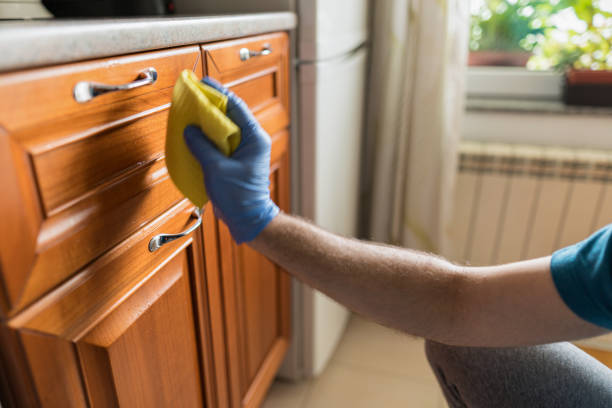
Many homeowners don’t realize that common dish soaps—especially those with degreasers or citrus additives—can gradually break down the protective finish on maple cabinets. We’ve seen cases where repeated use of ammonia-based or high-pH cleaners caused the finish to yellow, cloud, or even peel over months.
While these soaps excel at cutting grease on dishes, they’re too harsh for delicate wood sealants.
Maple is often finished with a thin layer of polyurethane, lacquer, or conversion varnish, and alkaline cleaners disrupt these coatings at a molecular level. In our experience, even diluted dish soap used weekly can leave a filmy residue that attracts more dirt. That “clean” feeling is often just soap scum masking deeper dullness.
What feels safe might be slowly eroding your cabinets’ luster.
We suggest checking ingredient labels: avoid anything with ammonia, bleach, or sodium lauryl sulfate. Instead, opt for pH-neutral cleaners specifically formulated for wood. If you must use a mild dish soap, limit it to occasional spot cleaning and rinse thoroughly with a water-dampened cloth. Long-term, your cabinets will thank you with sustained warmth and clarity in the grain.
Deep Cleaning Without the Damage: A Step-by-Step Walkthrough
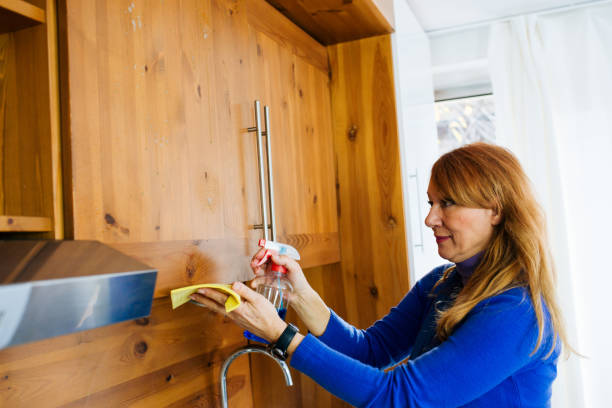
When maple cabinets look tired despite daily care, it’s time for a careful deep clean—but caution is key. We recommend starting with a solution of one quart of distilled water, one tablespoon of white vinegar, and one teaspoon of pH-neutral dish soap (like Dawn Free & Clear).
Mix in a spray bottle and apply lightly to a microfiber cloth—not directly to cabinets—to prevent liquid from pooling at joints or edges.
Working in small sections, wipe with the grain using light pressure. For stubborn spots, let the solution sit for no more than 30 seconds before gently rubbing. Never scrub—abrasion removes finish. In our tests, this method lifted years of invisible grime without harming the sealant.
Always follow with a second cloth dampened with plain distilled water to neutralize any residue, then dry immediately.
After cleaning, assess the finish. If cabinets still look dull, it may be time for a wood-safe polish like Howard Feed-N-Wax—but only on clean, dry surfaces. Apply sparingly with a soft cloth, buff lightly, and avoid overuse. In our experience, a proper deep clean every 3–6 months maintains beauty without accelerating wear.
Done right, it’s like turning back the clock on your kitchen’s centerpiece.
Best Products for Maple Cabinets (And Which Ones to Avoid)
When cleaning maple cabinets, choosing the right products makes all the difference in preserving their warm, natural grain. We recommend pH-neutral cleaners like Weiman Wood Cabinet Cleaner or Method Wood for Life—both gently lift grime without stripping finish. These formulas are specially designed for fine wood and leave behind a subtle shine without residue.
It’s just as important to know what to avoid. Harsh chemicals like ammonia, bleach, or abrasive cleaners can damage the wood’s surface, leading to discoloration or a dull finish. Even all-purpose sprays like Windex or Formula 409 are too aggressive over time.
In our experience, skipping these harsh options prevents long-term wear, especially on lighter maple tones that show damage easily.
For a DIY option, we found a mix of one part white vinegar to three parts water works well, but only when used sparingly and wiped immediately. Always follow with a dry microfiber cloth to prevent moisture absorption. Remember: less is more with maple.
Over-saturation or frequent use of acidic blends can cloud the finish, so moderation is key for lasting beauty.
How to Handle Sticky Spots and Grease Buildup Safely
Sticky spots and grease buildup are common around kitchen maple cabinets, especially near stovetops and handles. These often result from cooking oils and sugar residues that attract dust and grime. To tackle them safely, we suggest starting with a gentle solution: a few drops of dish soap (like Dawn)** in warm water applied with a soft microfiber cloth.
For heavier buildup, a paste of baking soda and water can work wonders—just mix two tablespoons of baking soda with one tablespoon of water and gently rub in the direction of the grain. Avoid circular scrubbing, which can mar the surface. We found this method effectively lifts stickiness without scratching, especially on satin or semi-gloss finishes.
Rinse the area by wiping with a damp (not wet) cloth, then immediately dry with a clean towel. Never let water sit on maple—it can seep into seams and cause swelling. For persistent grease, a specialized wood-safe degreaser like Simple Green Natural All-Purpose Cleaner offers stronger cleaning power without compromising finish integrity.
Maple Cabinet Care by Finish Type: What You Need to Know
| Finish Type | Cleaning Method | Recommended Products | Special Tips |
|---|---|---|---|
| Stained & Varnished | Damp microfiber cloth with mild soap | Weiman Wood Cleaner, diluted Castile soap | Avoid wax-based polishes; they can build up and cloud the finish over time |
| Painted Maple | Soft cloth with gentle all-purpose cleaner | Murphy Oil Soap, Method All-Purpose | Watch for chipping—clean gently around edges to prevent flaking |
| Natural/Oiled Finish | Very light dampening, immediate drying | Mineral oil, Rubio Monocoat Cleaner | Re-oil every 6–12 months to maintain moisture resistance and luster |
| Glazed Maple | Soft brush for crevices, damp cloth for flat areas | Bona Hardwood Floor Cleaner (diluted) | Target grout lines carefully—grease hides in textured areas |
Maple cabinets come in various finishes, each with unique care needs. Applying the right method prevents damage and keeps surfaces looking fresh. We’ve seen too many homeowners use the same cleaner across all types, only to end up with hazy patches or peeling. Matching your routine to the finish is essential for long-term results.
For example, stained and varnished maple handles moisture better but can become sticky if wax polishes are overused. In contrast, natural or oiled finishes are more porous and demand immediate drying to prevent water marks. Glazed cabinets need extra attention in textured areas where grime collects and becomes stubborn over time.
Always test any new product on a hidden area first—like the inside of a door. This prevents unwanted reactions, especially with painted or specialty finishes. In our experience, a consistent, tailored cleaning approach preserves both appearance and structural integrity far better than one-size-fits-all solutions.
When to Skip the DIY and Call in Backup
There are moments when tackling maple cabinet maintenance on your own can do more harm than good—especially if the finish is blistered, peeling, or showing deep water damage. In our experience, these aren’t just surface issues; they signal underlying problems that demand professional assessment.
If you spot warping or gaps at the joints, it’s time to call in a cabinet refinisher who understands wood grain integrity.
Diy efforts with harsh strippers or sanders can permanently scar the maple’s surface, particularly on quarter-sawn or figured grain patterns that highlight imperfections. We’ve seen homeowners accidentally remove too much finish, leaving blotchy patches that no polish can fix.
When refinishing requires stripping down to bare wood or color correction, it’s not a weekend project—it’s a job for technicians with controlled environments and industrial-grade materials.
Also consider calling in backup if your cabinets are part of a larger kitchen renovation involving plumbing, electrical, or structural changes. Coordinating cabinet protection with other trades reduces the risk of scratches, moisture exposure, or adhesive spills. We recommend consulting a cabinet specialist early in such projects—better to invest in expert oversight than face costly repairs later.
Dusting vs. Cleaning: Why Both Matter for Long-Term Shine
Many homeowners assume wiping cabinets once a month is enough, but we’ve found that daily dusting is the real secret to preserving maple’s warm luster. Dust isn’t just cosmetic—it contains microscopic particles like silica that, when rubbed in by cloths or hands, can create fine scratches over time.
Using a microfiber duster with an extendable pole helps reach high cabinets without strain, removing up to 90% of surface debris before it settles into the grain.
Cleaning, on the other hand, should happen every 2–4 weeks depending on kitchen use. This is when we recommend a pH-balanced wood-safe cleaner applied to a soft cloth—not sprayed directly—to break down grease, cooking residue, and fingerprint marks.
Maple’s tight grain resists stains, but oils from hands or aerosolized cooking fats can build up and dull the finish if not properly addressed with gentle, targeted cleaning.
Skipping dusting and jumping straight to cleaning is like washing a dusty car with a sponge—you risk grinding grit into the surface. In our experience, pairing daily dry dusting with biweekly deep cleaning extends the time between refinishing by 3–5 years. Both steps are essential: one prevents abrasion, the other removes grime.
Together, they keep your maple cabinets looking rich, not ragged.
Frequently Asked Questions
How do you clean sticky residue from maple cabinets?
We recommend mixing warm water with a few drops of dish soap and using a soft cloth to gently wipe the surface. For stubborn stickiness, we’ve found that a cloth dampened with white vinegar helps break down residue without damaging the finish. Always dry immediately with a clean towel to prevent moisture damage.
Avoid abrasive cleaners or steel wool, which can scratch the wood.
Can I use vinegar to clean maple cabinets?
Yes, we’ve found that diluted white vinegar is effective for cutting through grease while being gentle on maple. Mix one part vinegar with four parts water and apply with a soft cloth. Rinse with a damp cloth afterward and dry thoroughly. Avoid overusing vinegar, as excessive exposure to acid can dull the wood finish over time.
How do I remove grease buildup from kitchen maple cabinets?
We recommend a solution of warm water and mild dish soap, applied with a microfiber cloth to lift grease without scratching. For heavier buildup, we’ve found that a paste of baking soda and water works gently but effectively. Always wipe in the direction of the grain and finish by drying completely to protect the cabinet surface from moisture.
What should I avoid when cleaning maple cabinets?
We advise against using ammonia, bleach, or abrasive cleaners, as they can damage the wood finish and cause discoloration. Avoid soaking the wood or using excessive water, which may lead to swelling or warping. Never use scouring pads or rough cloths. In our experience, even some all-purpose cleaners are too harsh for finished maple surfaces.
How often should I clean my maple cabinets?
We suggest wiping down maple cabinets every 1–2 weeks with a damp microfiber cloth to prevent dust and grease accumulation. For a deeper clean, we’ve found that a monthly routine using mild soap and water maintains their appearance without wear. Regular maintenance helps protect the wood finish and keeps cabinets looking fresh longer.
Final Thoughts
Keeping maple cabinets clean doesn’t have to be complicated. With the right tools and gentle care, we’ve seen how regular maintenance preserves both the beauty and durability of the wood. Maple’s natural grain and finish respond best to consistent, thoughtful cleaning—avoiding harsh chemicals and excess moisture is key. In our experience, small efforts make a big difference over time.
Start with a simple cleaning routine today using items you likely already have at home. With a soft cloth, mild soap, and a little attention to detail, your cabinets can stay looking their best for years. We believe caring for your space should feel satisfying, not overwhelming—so take it one wipe at a time.