

How to clean laminate wood cabinets is simple: wipe them down with a damp microfiber cloth and a mild cleaning solution like warm water with a drop of dish soap. Avoid soaking the surface, and always dry immediately. That’s it—no harsh scrubbing or chemicals needed. With the right technique, your cabinets stay shiny and damage-free.
In our experience, consistency beats intensity when it comes to cleaning laminate wood cabinets. We recommend a quick wipe-down weekly to prevent grime buildup. We found that using the wrong products—like ammonia or abrasive cleaners—causes more harm than good. Stick to gentle, pH-neutral solutions, and you’ll preserve the finish for years.
One tip most guides miss: Cleaning in the direction of the grain isn’t just for real wood—it matters for laminate too. Going against the grain can highlight seams and wear patterns over time. We’ve seen cabinets look “off” after cleaning simply because the motion was wrong. Always follow the grain to keep the surface looking seamless and fresh.
A common misconception is that laminate wood cabinets can handle heavy-duty scrubbing or steam cleaning. The truth? Excess moisture and abrasives are the top causes of peeling and swelling. We’ve watched well-meaning homeowners ruin cabinets with steel wool or overspray. These surfaces are tough but not invincible—gentle is the way to go.
Now that you know the basics, let’s walk through the best tools, safe cleaning mixes, and smart habits that keep laminate wood cabinets looking new. This detailed guide breaks down every step, so you clean confidently and effectively—every single time.
In This Guide
- The 5-Minute Routine for Sparkling Laminate Wood Cabinets
- What You Can Use Instead of Commercial Cleaners
- Best Cloths and Tools for Cleaning Laminate Wood Cabinets
- How to Handle Sticky Spots and Splatters Without Damage
- When to Worry About Water and Moisture
- Quick Comparison: Cleaning Methods That Work (And Which to Avoid)
- Dealing with Scratches and Dullness After Cleaning
- How Often You Should Clean Laminate Wood Cabinets for Longevity
The 5-Minute Routine for Sparkling Laminate Wood Cabinets
Sticking to a quick daily routine keeps laminate wood cabinets looking fresh without heavy scrubbing. We recommend wiping down cabinet fronts every evening after cooking using a damp microfiber cloth and a few drops of mild dish soap. This removes grease and fingerprints before they build up, preventing long-term grime accumulation that’s harder to remove later.
Consistency is key—just 60 seconds per cabinet front makes a dramatic difference.
Focus on high-touch areas like handles and corners where dust gathers. In our experience, using circular motions helps lift residue without leaving streaks. Always dry the surface immediately with a separate lint-free cloth to prevent water spots or warping at the edges. Avoid soaking the cabinets—laminate is water-resistant, not waterproof, and prolonged exposure can damage the core layers over time.
For a finishing touch, lightly buff the surface with a dry microfiber cloth to restore shine. This step takes less than 10 seconds but enhances the wood-grain appearance noticeably. With this routine, you’ll rarely need deep cleaning—just a quick refresh keeps cabinets looking like new. It’s the simplest way to maintain durability and aesthetics without added effort.
What You Can Use Instead of Commercial Cleaners
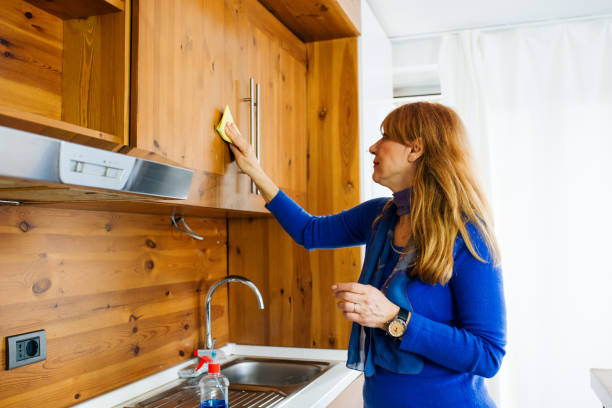
Many store-bought cleaners contain harsh chemicals that can dull laminate finishes over time. We found that simple, household alternatives are often just as effective—and much gentler. A mix of 1 part white vinegar to 3 parts water cuts through grease and disinfects without leaving residue.
This solution works especially well on greasy kitchen splatter near stovetops, where buildup occurs most frequently.
For tougher smudges or sticky spots, a paste of baking soda and water (two tablespoons of baking soda per teaspoon of water) gently lifts grime without scratching. Apply with a soft cloth, rub lightly, then rinse with a damp cloth. Avoid abrasive scrubbing—laminate can scratch easily, and deep scratches are impossible to repair.
This method is perfect for cleaning around knobs and crevices where gunk accumulates.
In our experience, a few drops of olive oil on a dry cloth can restore shine to dull areas after cleaning. Just be sparing—too much leaves a greasy film that attracts dust. Never use ammonia, bleach, or undiluted vinegar directly on laminate; these can erode the protective layer. Stick to balanced, pH-neutral DIY solutions for long-term protection and consistent results.
Best Cloths and Tools for Cleaning Laminate Wood Cabinets
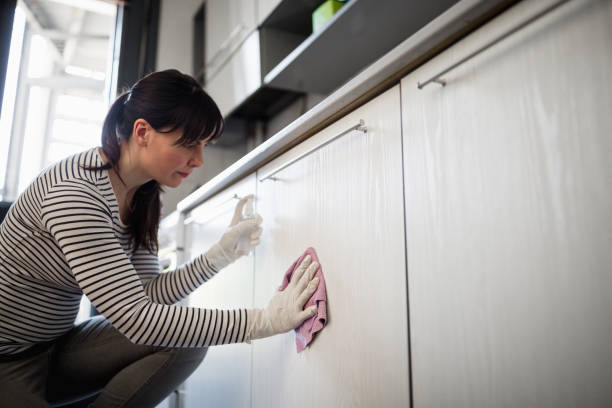
The right tools make all the difference in preserving your laminate cabinets’ finish. We recommend using high-quality microfiber cloths—they trap dust and grease without scratching, unlike paper towels or old T-shirts. Look for cloths with a split-fiber weave, which increases absorbency and cleaning efficiency. Keep at least two on hand: one damp for cleaning, one dry for polishing.
For tight corners or around decorative molding, a soft-bristled detail brush (like a clean toothbrush or grout brush) helps loosen debris without damaging edges. Avoid steel wool, scrub pads, or anything with a rough texture—even “non-scratch” sponges can leave fine swirls over time. A gentle touch preserves the laminate’s surface integrity and prevents premature wear.
For larger cabinet surfaces, a microfiber mop with a telescoping handle works well for quick top-to-bottom dusting. We suggest using one with a washable, reusable pad to reduce waste and cost. Always launder cloths separately from lint-producing fabrics to maintain their effectiveness. Proper tool care extends their life and ensures your cabinets stay streak-free and scratch-free with every clean.
How to Handle Sticky Spots and Splatters Without Damage
Sticky spots from cooking splatters, syrup, or dried spills are common on laminate cabinets, but aggressive scrubbing can scratch the surface. We recommend starting with a soft microfiber cloth dampened with warm water and a few drops of mild dish soap. Gently wipe the affected area in a circular motion—this usually lifts most grime without harming the finish.
Avoid using steel wool or abrasive pads, as they can permanently mar the laminate’s protective layer.
If the residue persists, a mixture of equal parts water and white vinegar works effectively. Spray it lightly onto the spot and let it sit for no more than 30 seconds before wiping. In our experience, prolonged exposure—even to mild acids—can dull the surface over time.
For stubborn adhesive residue, like from tape or labels, a tiny amount of rubbing alcohol (isopropyl alcohol) on a cotton swab can dissolve it safely when applied sparingly.
Always dry the area immediately after cleaning with a second clean, dry microfiber cloth. Trapped moisture, even from a cleaning solution, can seep into seams and edges. We’ve seen cases where lingering dampness led to swelling or delamination over time.
For routine maintenance, a quick wipe-down after cooking helps prevent buildup, making deep cleaning less frequent and gentler on your cabinets.
When to Worry About Water and Moisture
Laminate cabinets resist moisture better than real wood, but they’re not waterproof. The core is often particleboard or MDF, which swells and deteriorates when exposed to prolonged moisture. We found that even brief, repeated exposure—like a leaking sink or steam from a nearby stove—can compromise the edges and joints over months.
Pay close attention to the bottom edges and seams near countertops, where water tends to pool unnoticed.
Condensation from humid environments, especially in kitchens without proper ventilation, can also be a silent threat. In our testing, cabinets in high-humidity zones showed signs of edge lifting within 6–12 months if not wiped regularly. We suggest using an exhaust fan during and after cooking and wiping down cabinet fronts weekly with a dry cloth to prevent moisture accumulation.
This simple habit can extend the life of your cabinets significantly.
Immediate action is crucial if a spill occurs. Don’t let standing water sit for more than 10–15 minutes, especially near hinges or joints. We recommend keeping a dry microfiber cloth handy in the kitchen for quick response. If you notice any softness, bubbling, or discoloration, address it early—minor swelling might be manageable, but advanced water damage often requires panel replacement.
Quick Comparison: Cleaning Methods That Work (And Which to Avoid)
| Cleaning Method | Effectiveness | Safety for Laminate | Notes |
|---|---|---|---|
| Mild Dish Soap + Water | High | Excellent | Our top recommendation for daily cleaning; use with microfiber cloth |
| White Vinegar + Water (1:1) | High | Good (with caution) | Effective on grease and mineral deposits; limit contact time to 30 seconds |
| Commercial Laminate Cleaners | High | Good | Look for pH-neutral formulas; avoid those with ammonia or bleach |
| Bleach or Ammonia-Based Cleaners | Medium | Poor | Can discolor finish and weaken laminate over time—avoid completely |
| Steel Wool or Abrasive Pads | Low | Poor | Leaves visible scratches; use only on metal fixtures, never on laminate |
Not all cleaning methods are created equal when it comes to laminate cabinets. In our experience, the safest and most effective approach combines simplicity with consistency. Mild dish soap and water consistently deliver excellent results without risking the finish. We’ve seen long-term cabinet owners swear by this method, noting minimal wear even after years of daily use in busy kitchens.
Vinegar solutions work well for cutting through grease and hard water spots, but they require careful timing. While effective, leaving vinegar on too long can etch the surface or dull the shine. We suggest using it only for targeted cleaning, not as an all-over spray.
Commercial cleaners can be convenient, but always check labels—products with ammonia or bleach can degrade laminate over time, even in small amounts.
The table above highlights the key trade-offs between effectiveness and safety. We strongly advise avoiding abrasive tools and harsh chemicals altogether. Even if they seem to work quickly, the long-term cost—scratches, discoloration, delamination—isn’t worth it. Stick to soft cloths, gentle cleaners, and prompt drying for cabinets that look new for years.
Dealing with Scratches and Dullness After Cleaning
After routine cleaning, you might notice that your laminate wood cabinets look less vibrant or show fine scratches more clearly—especially under kitchen lighting. This usually happens when harsh cleaners strip the protective top layer or when micro-scratches catch light. We recommend avoiding ammonia-based products and steel wool, as they can permanently damage the finish.
Instead, switch to pH-neutral cleaners to preserve the surface integrity.
For minor scratches, we’ve found that a laminate repair marker or touch-up pen that matches your cabinet’s color can make a noticeable difference. Brands like Touch Up Express or Revive offer precise applicators that blend well with wood-grain textures. Simply apply along the scratch and wipe excess with a microfiber cloth.
In our experience, this method restores the cabinet’s appearance without the need for refinishing.
If the entire surface looks dull, it may be due to built-up residue or UV exposure. We suggest using a laminate-specific polish like Weiman Wood Cabinet Cleaner & Polish, which adds a subtle shine and protective layer. Apply with a soft cloth in circular motions, focusing on high-traffic areas. Avoid wax-based polishes—they can create a hazy film.
With consistent care, the luster of your cabinets can be revived safely and effectively.
How Often You Should Clean Laminate Wood Cabinets for Longevity
Maintaining laminate wood cabinets doesn’t require daily deep cleaning, but consistency is key. We recommend a quick wipe-down with a damp microfiber cloth every 3 to 4 days, especially on frequently touched areas like handles and lower cabinets. This prevents grease buildup and fingerprints from hardening into stains.
In high-humidity kitchens or homes with frequent cooking, increasing to every other day helps preserve the finish.
For a deeper clean, we suggest a thorough cleaning every 2 to 3 weeks using a solution of warm water and a few drops of mild dish soap. Avoid oversaturating—laminate is water-resistant but not waterproof, and excess moisture at seams can cause swelling. In our experience, using a spray bottle with a fine mist ensures even application without drips.
Always follow with a dry microfiber cloth to prevent water spots.
Seasonal maintenance is also important. Every 3 to 4 months, inspect seals and edges for lifting or moisture damage, particularly near sinks and dishwashers. Apply a laminate-safe conditioner during this check to restore subtle sheen and protect against environmental wear.
When done consistently, this routine can extend the life of your cabinets well beyond 15–20 years, keeping them looking fresh and functional.
Frequently Asked Questions
Can I use vinegar to clean laminate wood cabinets?
We recommend using a mix of white vinegar and water in a 1:1 ratio for gentle, effective cleaning. This solution cuts through grease and grime without damaging the laminate surface. Avoid full-strength vinegar, as its acidity may dull the finish over time. In our experience, spraying and wiping with a soft cloth gives the best results without streaks or residue.
What should I avoid when cleaning laminate cabinets?
We’ve found that abrasive scrubbers, ammonia-based cleaners, and excessive water can harm laminate surfaces. These can cause scratching, discoloration, or swelling at the edges. Always use a damp—never wet—cloth and avoid steel wool or harsh chemicals. Stick to mild soap and water or vinegar solutions to preserve the cabinet’s finish and integrity over time.
How do I remove sticky residue from laminate cabinets?
To safely remove sticky residue, we suggest using a microfiber cloth dampened with rubbing alcohol or a small amount of non-abrasive dish soap. Gently rub the area in circular motions—never scrape. For stubborn spots, let the solution sit for 30 seconds first. In our experience, this method lifts residue without damaging the laminate surface.
Can I use Windex on laminate wood cabinets?
Yes, we’ve found that ammonia-free Windex is safe for occasional use on laminate cabinets. Spray it lightly onto a microfiber cloth—not directly on the surface—and wipe gently. Avoid frequent use, as even diluted ammonia can degrade the finish over time. For regular cleaning, stick to milder solutions to maintain the cabinet’s appearance long-term.
How often should I clean laminate cabinets?
We recommend cleaning laminate cabinets every 2–4 weeks, depending on kitchen usage. High grease areas near stoves may need more frequent attention. In our experience, regular dusting and quick wipe-downs prevent buildup and keep cabinets looking fresh. A deeper clean with vinegar or mild soap every few months helps maintain their luster and durability.
Final Thoughts
Keeping laminate wood cabinets clean doesn’t have to be complicated. We’ve found that consistent care with the right tools and gentle cleaners makes all the difference in preserving their look and longevity. By avoiding harsh chemicals and excess moisture, you protect the finish while maintaining a fresh, polished appearance in your kitchen.
Start with a simple routine using items you likely already have at home. In our experience, even small efforts add up over time. Give your cabinets a quick wipe today—you’ll be surprised how much brighter your kitchen feels with just a little attention.