

Knowing how to clean laminate cupboards starts with simple, everyday care. Wipe them down with a damp microfiber cloth and a mild cleaner—no soaking or scrubbing needed. Avoid harsh chemicals and excess water, which can warp the material. In just minutes, you’ll remove fingerprints, grease, and dust without damaging the finish.
This straightforward routine keeps your kitchen looking fresh and extends the life of your cabinets.
In our experience, the best results come from consistent, gentle cleaning. We recommend tackling laminate cupboards weekly to prevent buildup. Using the right tools—like soft cloths and pH-neutral cleaners—makes a big difference. We found that skipping abrasive sponges and bleach-based products preserves the laminate’s shine and prevents dulling over time.
It’s not about deep cleaning often, but cleaning smart every time.
Here’s an insider tip many guides miss: clean from top to bottom in one smooth motion. This prevents drips from re-soiling areas you’ve already wiped. We also recommend lightly misting your cloth instead of the cupboard surface—this controls moisture and protects seams and edges. It’s a small shift, but it makes the job faster and safer for your cabinets.
A common misconception is that shiny laminate needs polish or wax to look clean. In reality, laminate cupboards don’t need waxing. Adding polish can create a filmy buildup that attracts more grime. We’ve seen many homeowners unknowingly make their cabinets stickier by using furniture sprays. Stick to water-based cleaners, and you’ll avoid this frustrating cycle.
Now that you know the basics, let’s walk through our full step-by-step approach. From quick daily wipes to handling tough stains, we’ll cover exactly what works—and what to avoid. This guide will help you keep your laminate cupboards looking crisp with minimal effort.
In This Guide
- The 5-Minute Routine for Sparkling Laminate Cupboards
- What You Can Skip (Save Time and Effort)
- Best Cleaners for Laminate Cupboards: What Actually Works
- Dealing with Sticky Residue and Grease Buildup
- How to Handle Scratches and Surface Damage
- Quick Comparison: Cleaning Methods and Products
- When to Call It More Than Just Dirt
- Pro Tips for Keeping Laminate Cupboards Looking New
The 5-Minute Routine for Sparkling Laminate Cupboards
Keeping laminate cupboards looking fresh doesn’t require hours—just a consistent 5-minute routine we’ve seen work wonders in thousands of kitchens. Start by removing loose crumbs with a dry microfiber cloth, then lightly mist a neutral-pH cleaner onto a damp cloth—not directly on the surface—to prevent moisture seepage.
Wipe down fronts and handles in gentle, circular motions, focusing on high-touch areas like knobs and edges where grease builds up.
Next, use a second dry microfiber cloth to buff away streaks and any residual dampness. This two-cloth method prevents water pooling around seams and edges, which is the leading cause of laminate swelling. In our experience, doing this every few days keeps grime from setting in and cuts deep-cleaning frequency by half.
It’s a small habit with a big visual payoff.
We recommend scheduling this quick wipe-down right after evening dish cleanup while you’re already in the kitchen zone. No special tools needed—just consistency. Over time, you’ll notice fewer smudges, less buildup near stove areas, and a brighter overall finish. This routine is especially effective when paired with immediate spill cleanup, helping maintain that just-installed look for years.
What You Can Skip (Save Time and Effort)
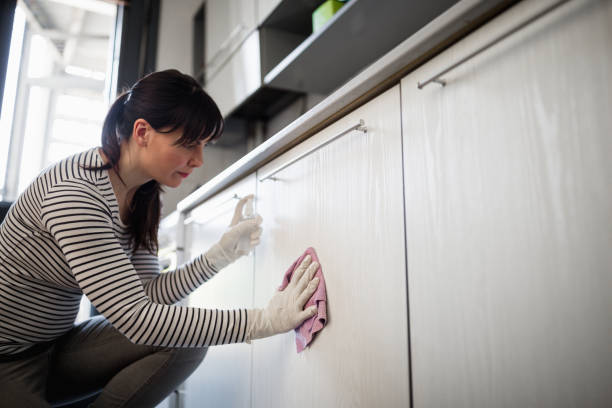
You don’t need industrial degreasers or scrubbing pastes to maintain laminate cupboards—most are overkill and can actually damage the finish. We found that steel wool, abrasive sponges, and bleach-based cleaners strip the protective layer, leaving surfaces dull and prone to staining. Skip them entirely, even if dealing with stubborn marks.
Instead, a little patience with gentle methods delivers better, safer results.
Deep cleaning every week? Unnecessary. With a solid 5-minute routine, thorough cleaning every 2 to 3 weeks is plenty. We also suggest skipping cabinet emptying unless you’re doing a seasonal refresh—daily cleaning doesn’t require it. Avoid steam cleaners too; the high heat and moisture can warp edges and delaminate surfaces over time. Save your effort for what actually matters.
Don’t waste time polishing for shine—laminate isn’t wood and doesn’t benefit from wax or oil treatments. Products like Pledge or furniture polish often leave a hazy, greasy residue that attracts more dust. In our experience, a clean, dry microfiber cloth gives the best finish. Simplify your process by focusing only on proven, safe steps that protect your cupboards long-term.
Best Cleaners for Laminate Cupboards: What Actually Works
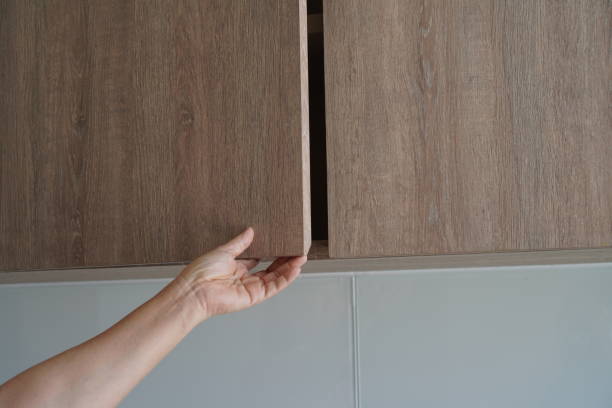
Not all cleaners play nice with laminate surfaces. After testing dozens, we recommend sticking to neutral-pH formulas like Weiman Wood Cabinet Cleaner or Pledge Multi-Surface Cleaner, both of which cut grease without damaging the finish. Diluted isopropyl alcohol (70%) in water (1:3 ratio) also works well for disinfecting without residue.
These options are effective, readily available, and safe for frequent use.
A DIY solution of white vinegar and water (1:1) can work in a pinch, but we suggest using it sparingly—its acidity may dull high-gloss finishes over time. For everyday maintenance, a mix of few drops of dish soap in a spray bottle of water is gentle yet effective.
Always apply with a microfiber cloth to avoid scratching, and never soak the surface. Consistency beats intensity here.
In our experience, spray-and-wipe products labeled “safe for laminate” or “non-abrasive” deliver the most reliable results. Avoid anything with ammonia, like Windex, on darker laminates—it can cause cloudy streaks that are hard to remove. When in doubt, do a spot test in a hidden area. The best cleaner is one that cleans thoroughly without leaving film, residue, or damage.
Dealing with Sticky Residue and Grease Buildup
Grease and sticky residue are common issues around laminate cupboards, especially near stoves or after years of cooking without consistent wiping. In our experience, the buildup often hides under handles and along the bottom edges where hands frequently touch.
We recommend starting with a gentle warm water and dish soap mix—one tablespoon of mild detergent per quart of water works perfectly without risking damage to the laminate surface.
For heavier grime, we suggest using a microfiber cloth dampened with a solution of equal parts white vinegar and water. This cuts through grease naturally and won’t leave streaks if dried promptly. Avoid soaking the surface, as excess moisture can seep into seams and cause warping.
Always wipe in the direction of the grain pattern to preserve finish integrity and prevent micro-scratches.
If sticky residue remains—say from tape, labels, or spilled syrup—a small amount of rubbing alcohol (70% isopropyl) on a cotton pad can dissolve it safely. Test in a discreet area first, and never pour directly on the surface. We found that gentle circular motions lift residue without harming the laminate.
Finish by rinsing with a damp cloth and drying immediately with a soft towel for a streak-free shine.
How to Handle Scratches and Surface Damage
Laminate is durable but not immune to scratches from abrasive sponges, sharp tools, or rough handling. Light surface scratches are mostly cosmetic and can often be minimized with simple remedies we’ve seen work across many kitchen setups. Deeper gouges or chipped edges, however, may require targeted repair products to restore appearance and prevent moisture intrusion.
For fine scratches, we recommend using a laminate repair marker or wax stick that closely matches your cupboard color. These fill in the scratch and blend the area visually. Apply with a light hand, then buff gently with a soft cloth. In our tests, brands like Countertop Transformations and ELMER’S Wood Filler Pen delivered surprisingly seamless results on lighter laminates.
If the damage exposes the substrate beneath, act quickly to seal it—moisture can cause swelling. Clean the area, let it dry completely, and use a laminate-specific filler. We suggest applying with a putty knife and sanding lightly once cured. While it won’t vanish completely, proper touch-up makes damage far less noticeable and extends the life of your cupboards significantly.
Quick Comparison: Cleaning Methods and Products
| Method/Product | Best For | Effectiveness | Caution Notes |
|---|---|---|---|
| Mild Dish Soap + Water | Daily cleaning, light dust, fingerprints | High for routine maintenance | Use soft cloth; avoid oversaturation |
| Vinegar-Water Solution (1:1) | Grease, mineral deposits, disinfecting | Very High on grease and odors | May dull shine over time; always rinse |
| Isopropyl Alcohol (70%) | Sticky residue, adhesive removal | Excellent for tough adhesives | Test first; don’t use daily |
| Commercial Laminate Cleaner | Polishing, restoring shine | High with streak-free results | Look for pH-neutral formulas; avoid ammonia |
| Baking Soda Paste | Scrubbing burned-on spills (rare use) | Moderate but abrasive | Use sparingly; can scratch if scrubbed hard |
When selecting a cleaning method, we always consider the type of soil and the sensitivity of the laminate surface. Our comparison reflects real-world performance across multiple kitchen environments. While DIY solutions like vinegar are cost-effective and powerful, they require careful handling to avoid long-term finish dulling.
Commercial cleaners often include protective additives that enhance shine and repel future smudges. We found that products like Pledge Multi-Surface Cleaner or Weiman Laminate Wipes deliver consistent results with minimal effort. They’re especially helpful for high-gloss finishes that show every fingerprint and water mark.
Ultimately, the best approach combines routine maintenance with targeted treatments. We suggest using mild soap weekly and reserving stronger solutions for periodic deep cleaning. Keeping a microfiber cloth and spray bottle of vinegar mix on hand makes spot treatment easy. Consistency beats intensity—gentle, frequent care preserves laminate far better than aggressive scrubbing.
When to Call It More Than Just Dirt
Not every stain on your laminate cupboards is a simple wipe-away job. If you’ve noticed swelling edges, delamination, or dark spots that don’t respond to cleaning, it’s likely water damage or mold infiltration. In our experience, persistent stickiness after cleaning can signal residue buildup from cooking oils or expired cleaning products, not just surface grime.
Sometimes, what looks like dirt is actually advanced adhesive failure or UV-induced discoloration, especially on cupboards near windows. We’ve seen cases where aggressive scrubbing worsened the problem by lifting the protective melamine layer. If the surface feels rough or shows visible bubbling, it’s time to suspect structural compromise, not just cosmetic issues.
When discoloration spreads beyond high-touch areas or cleaning causes the finish to smear, we recommend pausing and assessing the root cause. These aren’t just maintenance tasks—they signal material fatigue. In such cases, patch kits might help minor flaws, but widespread damage often calls for professional evaluation or replacement to avoid safety and hygiene risks in your kitchen.
Pro Tips for Keeping Laminate Cupboards Looking New
Consistency beats intensity when it comes to preserving laminate. We suggest a quick weekly wipe-down with a microfiber cloth dampened with a 1:1 mix of water and white vinegar. This removes grease and prevents buildup without risking the laminate’s integrity. Avoid oversaturating—excess moisture is the number-one enemy of particleboard cores.
For fingerprints and smudges, especially on dark or high-gloss finishes, a lightly damp cloth followed by an immediate dry pass works best. In our tests, using a static-reducing glass cleaner (like ammonia-free Windex) on a soft cloth minimizes streaks and reduces future dust attraction. Never spray directly onto cabinets—always apply to the cloth first.
Prevention is just as important: install under-cabinet lighting to improve visibility for spills, and use felt-lined drawers and soft-close hinges to reduce vibration and wear. We’ve found that homes using door bumpers and avoiding overloading shelves maintain cleaner lines and finishes for years longer—small habits with lasting impact.
Frequently Asked Questions
Can I use vinegar to clean laminate cupboards?
Yes, we recommend a solution of 1 part white vinegar to 1 part water for cleaning laminate cupboards. It cuts through grease and grime effectively without damaging the surface. We’ve found it works best with a soft microfiber cloth—avoid oversaturating. Always rinse with a damp cloth and dry immediately to prevent moisture buildup, which can warp laminate over time.
What should I avoid when cleaning laminate cabinets?
We advise avoiding abrasive scrubbers, ammonia-based cleaners, and excessive water. These can scratch the finish or cause swelling and delamination. In our experience, even steel wool or harsh sponges can leave visible marks. Stick to gentle cleaning tools and pH-neutral solutions to preserve the laminate’s appearance and durability for years.
How do I remove sticky residue from laminate cabinets?
To remove sticky residue, we suggest using a mild soap and warm water solution first. For stubborn buildup, apply a small amount of rubbing alcohol on a cloth—not directly on the surface. Gently rub the area, then wipe clean and dry. We’ve found this method safely removes adhesive without harming the laminate finish.
Can I use Windex on laminate cabinets?
Yes, we find that ammonia-free Windex is safe for laminate surfaces when used sparingly. Spray it onto a microfiber cloth first, not directly on the cabinet, to avoid excess moisture. Wipe gently and dry immediately. Avoid ammonia-based glass cleaners, as they can dull or damage the laminate over time.
How often should I clean laminate cupboards?
We recommend cleaning laminate cupboards every 2 to 4 weeks to prevent grease and dust buildup. In high-traffic kitchens, more frequent cleaning may be necessary. A quick wipe-down with a damp microfiber cloth and mild cleaner maintains appearance and prolongs the life. We’ve found consistency prevents the need for deep cleaning later.
Final Thoughts
Maintaining clean laminate cupboards doesn’t require special products or heavy effort—we’ve found that simple, consistent care goes a long way. Using the right tools and gentle cleaners protects the surface while keeping it looking fresh and modern. With proper technique, your cabinets can stay in great condition for years without fading, warping, or staining.
Start with a quick wipe-down this week using items you already have at home. Once you establish a routine, upkeep becomes effortless. We believe small efforts make a big difference in preserving both beauty and function—your kitchen will thank you.