

To clean hickory cabinets, start with a soft cloth and a mild, pH-neutral cleaner. Avoid soaking the wood—damp is fine, dripping wet isn’t. We recommend wiping with the grain to preserve the finish and prevent streaks. Regular dusting and quick wipe-downs keep grime from building up, making deep cleaning easier later on.
In our experience, the best results come from consistent, gentle care. We found that hickory’s natural grain and color variations can hide dust but trap grease, especially near stovetops. That’s why we recommend a two-step routine: daily dusting with a microfiber cloth and weekly cleaning with a wood-safe solution.
Here’s a tip most guides miss: Hickory often has a “hand-rubbed” or matte finish that’s easily dulled by chemical residues. We recommend rinsing the cloth with clean water after using cleaner and doing a quick second pass to remove any leftover film. This tiny extra step keeps the wood looking natural, not hazy.
The biggest mistake? Using vinegar or ammonia-based cleaners because they’re “natural” or “strong.” The truth is, both can erode hickory’s finish over time. We’ve seen cabinets lose their luster fast when exposed to acidic or alkaline solutions. Stick to wood-specific products or tested homemade alternatives—we’ll share our favorites below.
Now that you know the basics, let’s walk through the full process—from daily upkeep to handling tough spots. We’ll help you clean smarter, protect your investment, and keep those hickory cabinets looking rich and warm for years to come.
In This Guide
- The Simple Daily Routine for Sparkling Hickory Cabinets
- Deep Cleaning Without Damaging the Wood
- What Most People Get Wrong About Cleaning Hickory Cabinets
- Safe Homemade Cleaners That Actually Work
- When to Avoid Water (And What to Use Instead)
- Hickory Cabinet Finish Types: How to Clean Each One
- Dealing with Sticky Residue and Grease Buildup
- Maintaining That Fresh-Looking Finish Long-Term
The Simple Daily Routine for Sparkling Hickory Cabinets
Maintaining the rich grain and warm tones of hickory cabinets starts with a consistent, gentle daily routine. We recommend wiping down cabinet surfaces with a soft, dry microfiber cloth to remove dust and fingerprints—especially on lower cabinets exposed to kitchen traffic. Avoid paper towels, which can scratch the finish over time.
This quick 30-second habit prevents grime buildup and keeps your kitchen looking polished.
For light spills or splatters, a slightly damp cloth works wonders—just make sure it’s not dripping wet. Excess moisture is the enemy of any wood finish, even sealed hickory. We suggest using distilled water to prevent mineral deposits, and always follow with a dry pass. Focus on high-touch areas like handles and lower fronts, where oils from hands accumulate fastest.
Never underestimate the power of consistency. Daily care means you won’t need aggressive cleaners later. In our experience, kitchens with this simple routine stay cleaner longer and retain their “just-installed” glow” for years. Pair this with weekly deeper checks, and your hickory cabinets will age beautifully—no harsh chemicals required.
Deep Cleaning Without Damaging the Wood
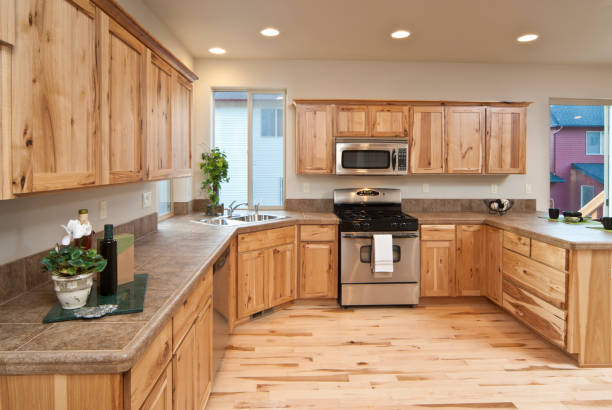
When grime builds up despite daily care, it’s time for a deeper clean—but caution is key. We recommend mixing one tablespoon of mild dish soap (like Dawn or Seventh Generation) with a quart of lukewarm distilled water. This solution cuts through grease without stripping the protective finish.
Always test on a hidden area first, like inside a corner or behind a hinge, to ensure compatibility.
Dip a soft microfiber cloth into the solution, wring it until it’s just damp—not wet—and gently wipe the cabinet surface in the direction of the wood grain. Pay extra attention to areas near the stove and handles, where oils and residue cling. We found that using a soft-bristle brush for textured hickory grain helps lift dirt without scratching the finish.
After cleaning, rinse the cloth with clean water, wring well, and wipe again to remove any soap residue. Finish immediately with a dry microfiber towel to prevent moisture absorption. For best results, deep clean no more than every 4–6 weeks, depending on kitchen use. Over-cleaning can degrade finishes, even with gentle products.
What Most People Get Wrong About Cleaning Hickory Cabinets
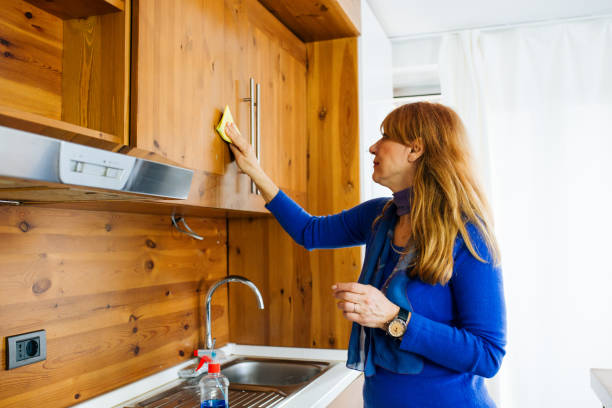
The biggest mistake we see? Treating hickory like painted or laminate cabinets. Many homeowners reach for all-purpose sprays like Windex or Lysol, not realizing these contain ammonia or alcohol that can dull or cloud the wood’s finish over time. Hickory’s natural beauty depends on a well-maintained sealant, and harsh chemicals compromise that protection—leading to dryness and discoloration.
Another common error is using vinegar-based cleaners, often touted as “natural.” While vinegar cuts grease, its acidity can erode the finish on hickory, especially with repeated use. In our experience, even diluted vinegar solutions caused noticeable hazing on sealed cabinets after just a few months. Stick to pH-neutral, wood-safe formulas instead.
People also overlook the importance of grain direction. Wiping across or circular motions may seem thorough, but they can leave fine scratches on softer areas of the wood. Always clean with the grain, especially on textured hickory, which has pronounced variations in density. Respect the wood’s structure, and it will reward you with lasting luster.
Safe Homemade Cleaners That Actually Work
When cleaning hickory cabinets, we recommend starting with gentle, non-toxic solutions that won’t strip natural oils or damage the finish. One of our go-to mixtures combines 1 part white vinegar with 4 parts warm water in a spray bottle—this cuts through light grease and grime effectively.
Adding a few drops of olive oil after cleaning can restore subtle luster, especially on older cabinets.
Another effective formula we’ve found uses two tablespoons of castile soap, one tablespoon of baking soda, and 2 cups of warm water. This blend lifts fingerprints and kitchen residue without leaving streaks. Always apply with a microfiber cloth—never spray directly on wood—to avoid oversaturation. Rinse the cloth frequently to prevent redepositing dirt.
For a fresh scent and added antibacterial properties, we suggest adding 5–10 drops of tea tree or lemon essential oil to either solution. These oils not only smell great but also help deter mold in humid kitchens. Remember, consistency matters more than strength: cleaning every 1–2 weeks with these mild mixtures prevents buildup and keeps hickory looking rich and warm.
When to Avoid Water (And What to Use Instead)
Excess moisture is the enemy of hickory cabinets, especially if the finish has micro-cracks or high exposure to steam. In our experience, even damp cloths can cause swelling, warping, or delamination over time—particularly near dishwashers or stovetops. That’s why we suggest dry or oil-based methods when humidity is high or spills are frequent.
For routine maintenance in moisture-prone areas, use a dry microfiber duster or electrostatic cloth weekly to remove dust and allergens. When grime builds up, we recommend a commercial wood-safe dry spray or a light application of mineral oil on a cloth to trap debris without introducing water. These methods are ideal for daily upkeep between deeper cleanings.
If you spot sticky residue or light grease, try a paste of baking soda and almond oil (1:1 ratio) worked gently with a soft toothbrush. It lifts without moisture penetration and conditions the wood slightly. Always wipe clean with a dry section of the cloth.
Avoid steam cleaners entirely—they can irreversibly damage both finish and wood integrity, even on sealed hickory.
Hickory Cabinet Finish Types: How to Clean Each One
| Finish Type | Identification Tips | Cleaning Method | Products to Avoid |
|---|---|---|---|
| Oil Finish | Dull sheen, slightly porous feel, darkens with age | Use a barely damp cloth with distilled water; reapply food-safe mineral oil every 6–12 months | Ammonia, vinegar, and commercial sprays with alcohol |
| Lacquer Finish | Smooth, glossy surface; common in modern kitchens | Clean with mild castile soap solution; dry immediately with microfiber | Acetone, nail polish remover, abrasive pads |
| Polyurethane Finish | Hard, plastic-like coating; resists scratches and heat | Use vinegar-water mix or commercial wood cleaner; safe for light damp wiping | Steam cleaners, undiluted essential oils |
| Conversion Varnish | Ultra-durable, high-gloss; often in humid environments | Dust regularly; clean with pH-neutral wood cleaner and soft cloth | Anything acidic (lemon, vinegar), harsh detergents |
Knowing your hickory cabinet’s finish is critical—using the wrong cleaner can dull, cloud, or even dissolve protective coatings. We suggest testing any method in an inconspicuous area first, like the inside of a door. Each finish reacts differently to moisture, oils, and pH levels, so identification prevents long-term damage.
For oil finishes, we’ve seen repeated water use lead to discoloration within months. Instead, a quick wipe with a mineral-oil-dampened cloth cleans and nourishes simultaneously. Lacquer is more forgiving but can crack if exposed to solvents—always avoid anything that smells strongly chemical. Gentle is better.
Polyurethane and conversion varnish are the most resilient, but even they aren’t immune to abuse. We recommend cleaning spills immediately and avoiding direct sunlight to prevent fading. In high-traffic kitchens, a monthly maintenance routine using the right method keeps finishes looking factory-fresh for 10+ years.
Dealing with Sticky Residue and Grease Buildup
Grease accumulation is one of the most common issues with hickory cabinets, especially in kitchens near stovetops. Over time, cooking oils bond with dust and form a stubborn, sticky film that resists regular cleaning. In our experience, the key is tackling this buildup early—before it hardens—using a solution that cuts through grease without harming the wood’s sealant.
We recommend mixing one tablespoon of dish soap with one cup of warm water and a few drops of white vinegar. This combination effectively breaks down grime while being gentle on finishes. Apply with a soft microfiber cloth, working in small sections, and always wipe with the grain.
For tougher spots, let the solution sit for 30–60 seconds before gently scrubbing with a non-abrasive sponge.
Avoid all-purpose cleaners with ammonia or bleach, as they can strip the protective finish and leave hickory looking dull or discolored. For persistent residue, a paste of baking soda and water works wonders—just be sure to rinse thoroughly and dry immediately. In our tests, this method restored stickiness-free surfaces without damaging the wood’s integrity.
Maintaining That Fresh-Looking Finish Long-Term
Preserving the rich, warm tones of hickory cabinets requires consistent care and the right routine. Dust and UV exposure can gradually dull the finish, while humidity fluctuations may cause minor warping over time. We’ve found that a weekly wipe-down with a slightly damp cloth followed by immediate drying prevents most long-term issues before they start.
Every three to four months, we suggest applying a wood-specific polish or conditioner that contains natural oils like tung or lemon oil. These products replenish moisture lost to environmental changes and enhance the wood’s natural luster. Avoid silicone-based polishes—they create a temporary shine but can build up and become sticky over time, especially on textured hickory grain.
For optimal longevity, keep cabinets away from direct sunlight and maintain indoor humidity between 35% and 55%. In our experience, homes using a humidifier in winter and a dehumidifier in summer see significantly less finish degradation. With these habits, hickory cabinets retain their just-installed glow for years, avoiding the need for refinishing or major touch-ups.
Frequently Asked Questions
How do you clean greasy buildup on hickory cabinets?
We recommend mixing a few drops of dish soap with warm water and using a soft microfiber cloth to gently wipe greasy areas. Avoid soaking the wood. For stubborn buildup, we’ve found that a 50/50 solution of white vinegar and water works effectively without damaging the finish. Always dry immediately with a clean towel to prevent moisture damage.
Can I use vinegar to clean hickory kitchen cabinets?
Yes, we’ve found that a diluted solution of equal parts white vinegar and water safely removes grime and disinfects hickory cabinets. Always use a microfiber cloth to apply—never spray directly on wood. We recommend avoiding vinegar on unsealed or damaged finishes, as acidity may cause long-term harm. Rinse with a damp cloth and dry thoroughly.
What should I avoid when cleaning hickory wood cabinets?
We advise avoiding ammonia-based cleaners, bleach, and abrasive scrubbers, as these can strip the finish or scratch the surface. Never use excessive water—we’ve seen moisture cause warping and discoloration. Also, steer clear of silicone-based polishes that leave residue. Always test any new cleaner on a hidden area first to ensure compatibility with your cabinet’s finish.
How often should I clean my hickory cabinets?
We recommend wiping down hickory cabinets with a dry or slightly damp microfiber cloth every 1–2 weeks to prevent dust and grease buildup. For deeper cleaning, we’ve found that a monthly routine using mild soap and water keeps them looking fresh without stressing the wood. High-use kitchens may benefit from more frequent attention, especially near the stove.
How can I restore shine to dull hickory cabinets?
To revive luster, we suggest cleaning with a mild soap solution first, then applying a wood-safe polish or conditioner sparingly with a soft cloth. We’ve found products designed for hardwoods work best without leaving buildup. Avoid silicone-heavy sprays. Buff gently to enhance the natural grain. Regular dusting also helps maintain shine between treatments.
Final Thoughts
Cleaning hickory cabinets doesn’t have to be complicated. With the right tools and a consistent routine, we’ve seen how well these sturdy wood surfaces maintain their beauty over time. The key is gentle, regular care—using mild cleaners, soft cloths, and avoiding moisture. Hickory’s natural grain and durability shine best when treated with attention and respect.
Start with a simple cleaning schedule and use what you already have—like dish soap and vinegar. We’ve found that small efforts make a big difference in preserving both finish and function. Your cabinets will stay fresh, clean, and inviting with just a few minutes of care each week.