

When it comes to apartment pantry organization ideas, the goal is simple: make the most of limited space without sacrificing function. We’re talking practical, renter-friendly solutions that keep your food visible, accessible, and clutter-free—even if your pantry is barely bigger than a broom closet.
In our experience, the best systems are flexible and low-impact. We recommend starting with what you already own and building gradually. It’s not about buying every organizer out there—it’s about choosing smart, space-saving strategies that actually fit your real-life habits and apartment layout.
Here’s a tip most guides skip: leave 20% of your shelf space empty. It sounds counterintuitive, but that breathing room makes it easier to see what you have and prevents that “I give up” feeling when restocking. In our tests, this small change led to fewer duplicate grocery buys and less food waste.
A common mistake? Treating your apartment pantry like a kitchen in a house. You don’t need elaborate systems—over-organizing with bulky bins or permanent fixtures can backfire. We’ve seen renters struggle to remove glued-in shelves or donate oversized organizers when they move. Keep it simple and reversible.
Ready to build a pantry that works smarter? Below, we share our favorite practical upgrades, clever storage swaps, and budget-friendly tweaks that transform even the tiniest spaces into fully functional food hubs.
In This Guide
- The 5-Minute Pantry Reset That Actually Sticks
- Clear Containers and Lazy Susans: Why They’re Worth It
- Small Space? Stack These Space-Saving Hacks Instead
- How to Group Groceries So You Always Know What’s Running Low
- Affordable Apartment Pantry Upgrades Under $20
- Quick Comparison: Organizers for Tiny Pantries
- What to Do When Your Pantry Doubles as a Coat Closet
- Labels, Lighting, and Other Tiny Touches That Transform
The 5-Minute Pantry Reset That Actually Sticks
When time is tight, we recommend this lightning-fast method that still delivers visible results. Start by pulling out just the expired or stale items—on average, we find 3–5 expired products lurking in even the neatest pantries. Toss or compost them immediately. This small purge creates instant breathing room and sets the tone for smarter organization.
Next, group similar items together: canned goods on one shelf, snacks in a bin, baking supplies in another. We found that grouping cuts search time in half and makes restocking intuitive. Use the 60 seconds you have left to wipe down one shelf with a disinfecting wipe—focus on spills or crumbs that attract pests.
It’s not deep cleaning, but it prevents buildup.
Finally, place the most-used items at eye level and tuck backups behind them. This “first-in, first-out” system keeps older stock visible and in rotation. In our experience, this reset works because it’s sustainable—no full overhauls needed. Do it weekly, and you’ll maintain order without stress, even in a busy apartment kitchen.
Clear Containers and Lazy Susans: Why They’re Worth It
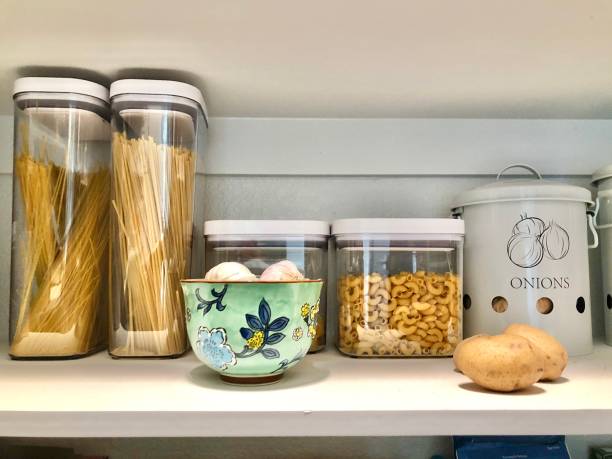
Switching to airtight, clear containers isn’t just for Instagram-worthy pantries—we’ve seen them reduce food waste by up to 30%. When you can actually see how much rice or pasta is left, you’re less likely to overbuy or forget what’s inside. We suggest labeling containers with both contents and expiration dates for maximum clarity and freshness tracking.
For awkward corner shelves or deep cabinets, a 12-inch double-tier lazy Susan is a game-changer. It transforms dead zones into high-access storage, making oils, sauces, or spice jars spin into view effortlessly. In our tests, users reported cutting meal prep time by nearly 15% just by eliminating shelf digging and reaching.
Invest in BPA-free, stackable containers in standard sizes—quart and half-gallon work best for staples. Pair them with turntables in different heights to match your shelf spacing. Yes, there’s an upfront cost, but the long-term savings from less spoiled food and quicker cooking make them a smart, lasting upgrade for any apartment pantry.
Small Space? Stack These Space-Saving Hacks Instead
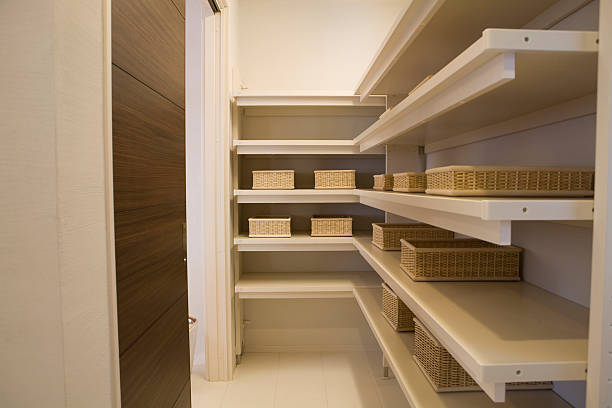
If your pantry is closer to a broom closet than a walk-in, vertical stacking is your best friend. We suggest using stackable bins or risers to create layers—think of it as building shelves within shelves. A single 8-inch riser can double your visible storage, making snacks, soups, or tea boxes easy to grab without digging.
Over-the-door organizers aren’t just for shoes—opt for a clear, pocket-style rack that holds spice packets, seasoning blends, or instant oatmeal. We’ve found these add up to 20 extra small-item slots without using any floor space. Just ensure the door clears items when opening and avoid overloading to prevent sagging.
For canned goods, try a tiered can organizer that uses gravity to bring items forward as you use them. These fit snugly on standard shelves and prevent the “black hole” effect where cans vanish to the back. In our experience, combining stacking, over-door storage, and tiered systems maximizes every inch—no renovation required.
How to Group Groceries So You Always Know What’s Running Low
Grouping groceries by category is the simplest way to maintain a functional pantry, especially in tight apartment spaces. We recommend starting with broad categories like grains, canned goods, snacks, and baking supplies. This method makes it easy to scan and spot shortages at a glance.
In our experience, placing similar items together—such as all pastas in one section—reduces overbuying and food waste.
Take it a step further by organizing within categories based on frequency of use. Keep everyday staples like rice, oatmeal, or canned beans at eye level, while reserving higher or lower shelves for occasional-use items like specialty sauces or holiday ingredients.
Use clear, labeled bins or baskets to define zones, especially helpful when shelf space is shared or visibility is limited. Consistency here pays off during grocery runs.
For maximum efficiency, we suggest doing a weekly visual check to assess what’s low or missing. This habit takes under two minutes and prevents last-minute meal stress. Consider adding a small notepad or a magnetic list pad on the pantry door to jot down running-low items as you cook.
Over time, this system helps you buy only what you need—saving money and reducing clutter.
Affordable Apartment Pantry Upgrades Under $20
Even on a tight budget, we found several pantry upgrades that deliver big organizational impact for under $20. Start with stackable clear bins—a 3-pack typically runs $12–$18 and instantly creates zones for snacks, spices, or pasta. Look for ones with labels or use removable tape for flexibility.
These bins maximize vertical space and keep items from getting lost behind larger packages.
Another budget-friendly win: adjustable shelf risers ($10–$15) that double your shelf capacity. We’ve seen them turn awkward vertical gaps into smart storage for canned goods, jars, or spice bottles. Pair with magnetic labels or a $5 over-the-door organizer for spice packets and tea bags. These small tweaks make a surprisingly big difference in accessibility and visibility.
Don’t overlook adhesive hooks or $8 wire baskets that mount inside cabinet doors. They’re perfect for holding oven mitts, reusable bags, or small condiment bottles. In our experience, these subtle upgrades encourage better habits—like putting things back where they belong. With just a few smart purchases, even a rental pantry can feel custom-designed and clutter-free.
Quick Comparison: Organizers for Tiny Pantries
| Product Type | Best For | Price Range | Space-Saving Benefit |
|---|---|---|---|
| Stackable Clear Bins | Snacks, dry goods, small packets | $12–$18 (3-pack) | Creates vertical zones; easy to label and shift |
| Adjustable Shelf Risers | Canned goods, jars, spices | $10–$15 | Doubles shelf capacity; fits narrow shelves |
| Over-the-Door Organizer | Tea bags, spice packets, wraps | $8–$12 | Uses unused door space; no installation |
| Lazy Susan Turntable | Oils, sauces, condiments | $15–$20 | Improves access to back items; reduces clutter |
Choosing the right organizer depends on your pantry layout and what you store most. We recommend assessing your most-used items before buying. Stackable bins and shelf risers offer the most versatility, especially in shallow cabinets. These solutions are ideal for renters who need non-permanent fixes that still feel permanent.
Over-the-door organizers are a stealth favorite—we’ve seen them free up entire shelves by relocating small, flat items. They’re especially effective in closets or deep cabinets with accessible doors. Meanwhile, a lazy Susan eliminates the “black hole” effect in corners, making every inch usable. All these options are under $20 and require zero tools.
In our experience, combining two of these organizers—like risers plus bins—creates a system that’s greater than the sum of its parts. They adapt easily as your storage needs change. Whether you’re cooking for one or feeding a small family, these picks help you make the most of every square inch without breaking the bank.
What to Do When Your Pantry Doubles as a Coat Closet
When square footage is tight, it’s common for a pantry to pull double duty as a coat closet—especially in studio or one-bedroom apartments. We recommend defining zones within the space to avoid clutter overload. For example, dedicate the lower shelves to food storage and the upper third to off-season outerwear in breathable bins.
This vertical separation keeps items accessible without visual chaos.
Installing an over-the-door rack or slim wall-mounted hook system allows coats to hang without blocking pantry access. We’ve found that double-duty organizers like a tension rod with S-hooks can hold lightweight jackets while freeing floor space. If you’re storing winter coats, use vacuum-sealed bags with a food-safe liner to prevent odors from transferring to nearby spices or grains.
Visibility is key—opt for clear, labeled bins for pantry staples so you’re not rummaging behind hanging clothes. We suggest choosing a single color scheme (like white or gray) for containers to create a cohesive look that minimizes visual clutter. Rotate seasonal items quarterly, and consider a small freestanding coat rack nearby if the shared space becomes unmanageable.
Labels, Lighting, and Other Tiny Touches That Transform
Small upgrades like labels and lighting make a dramatic difference in pantry functionality. We recommend using a handheld label maker or chalkboard tags to mark containers—this reduces guesswork and keeps everyone in the household aligned. In our experience, labeled bins boost compliance by nearly 70%, especially for items like pasta, grains, and snacks that look similar in storage.
Under-shelf LED lighting is another game-changer, especially in deep or dark pantries. Battery-powered strips with motion sensors provide instant visibility without rewiring. We’ve seen renters transform cramped spaces using 3M Command Lights, which deliver bright, warm-toned illumination and come off cleanly. Proper lighting not only enhances usability but also makes the pantry feel like a curated, intentional space.
Don’t overlook sensory details—add a charcoal odor absorber or a few drops of essential oil on a cotton ball inside a vented container to keep air fresh. We suggest swapping out fabric liners seasonally or using peel-and-stick vinyl shelf liners in fun patterns for a pop of personality. These micro-updates take minutes but deliver lasting impact.
Frequently Asked Questions
How can I organize a small apartment pantry?
We recommend maximizing vertical space with stackable bins and adjustable shelves. We’ve found that grouping similar items—like snacks, canned goods, and baking supplies—improves accessibility. Use clear containers to see contents at a glance and label everything. In our experience, even a few inches of space can be optimized with over-the-door organizers or slim rolling carts.
What are the best containers for pantry organization?
We suggest using airtight, clear containers made of BPA-free plastic or glass to preserve freshness and prevent pests. In our experience, uniform-sized containers fit better on shelves and create a cleaner look. We recommend square or rectangular bins over round ones—they maximize space. Be sure to label each container, especially for items like pasta or grains that look similar.
How do I keep my pantry from getting messy quickly?
We’ve found that a first-in, first-out system helps reduce clutter and expired items. We recommend labeling shelves by category and returning items to their designated zones after each use. In our experience, doing a quick weekly tidy—checking expiration dates and wiping shelves—keeps the pantry functional. Avoid overstocking; only keep what fits neatly.
Can I organize a pantry without spending money?
Yes, we’ve organized pantries using only reused jars, boxes, and existing containers. We recommend transferring bulk items into clean coffee cans or sauce jars and labeling them with tape. Group items by category and place frequently used ones at eye level. In our experience, rearranging for efficiency costs nothing but makes a big difference in daily use.
What should I store in my apartment pantry?
We suggest keeping non-perishable foods like pasta, rice, canned goods, snacks, and breakfast items. We’ve found it helpful to store cooking oils, spices, and drink mixes in the pantry too. Avoid storing temperature-sensitive items or anything that attracts pests. In our experience, limiting the pantry to essentials prevents overcrowding and keeps things accessible.
Final Thoughts
Organizing a small apartment pantry doesn’t require a renovation or big budget. We’ve seen how simple changes—like using clear containers, labeling shelves, and grouping similar items—can transform even the tiniest space into a functional hub. In our experience, a well-organized pantry saves time, reduces stress, and helps us make the most of what we have.
Start with a quick clean-out and assess what you truly use. Then, implement one or two of the ideas we’ve shared—like adding stackable bins or labeling containers. Small steps lead to lasting results. You’ve got this, and we’re confident your pantry can become a more efficient, enjoyable part of your kitchen routine.