
Finding practical kitchen cabinet and drawer organization ideas doesn’t have to mean buying a bunch of fancy bins or tearing out shelves. It’s about smart, simple changes—like grouping similar items, using vertical space, and making sure everything has a clear home. We’ve tested dozens of approaches to help you cut clutter and make daily routines smoother.
In our experience, the best kitchen cabinet and drawer organization ideas start with how you actually use your kitchen. We found that placing everyday dishes near the dishwasher, keeping cooking tools close to the stove, and storing snacks at kid height makes a huge difference. It’s not just about looks—it’s about function that fits your life.
Here’s a tip most guides miss: leave breathing room. We recommend keeping at least 20% of your cabinet and drawer space empty. Overcrowding makes it harder to access items and discourages maintenance. A little open space actually boosts efficiency—and trust us, you’ll notice the difference the first time you reach for a pan without moving three others.
A common mistake? Thinking one-size-fits-all organizers will fix everything. Not true. We’ve seen people waste money on drawer dividers that don’t match their utensils or stackable bins that make accessing deep cabinets harder. The key is customizing solutions to your kitchen’s layout and your family’s habits—not forcing your kitchen to fit someone else’s idea of “organized.”
Ready to build a kitchen that works for you? Below, we break down the exact steps and smart upgrades we use to keep our cabinets and drawers clutter-free—without spending a fortune or hours on upkeep.
In This Guide
- Start Here: The Real Kitchen Cabinet and Drawer Organization Ideas That Work Every Time
- How We Rearranged Our Cabinets (And Finally Found Everything)
- Drawer Dividers That Actually Make Sense for Daily Use
- Pantry Zones: Grouping What Goes Where
- Under-Cabinet Hacks You’ll Wonder How You Lived Without
- Quick Comparison: Storage Solutions That Fit Your Space and Budget
- What to Do With All Those Odd-Shaped Containers
- Maintaining the System Without Losing Your Mind
Start Here: The Real Kitchen Cabinet and Drawer Organization Ideas That Work Every Time
Getting your kitchen cabinets and drawers under control starts with a simple truth: function beats aesthetics every time. We recommend beginning with a full empty-out—yes, everything. This step reveals expired items, duplicates, and what you actually use. In our experience, most people use only about 20% of their kitchen tools regularly.
Labeling zones as you go—like “baking,” “cooking,” and “daily dishes”—helps reassign items logically.
Once cleared, group similar items and consider frequency of use. Store everyday dishes and glasses within easy reach—below eye level and above knee height. We found that placing rarely used appliances or holiday ware on high shelves keeps them accessible but out of the way.
Use stackable bins for snacks and canned goods; clear, airtight containers make contents visible and extend shelf life. This isn’t about perfection—it’s about creating a system that works when you’re tired and just want dinner on the table.
Don’t underestimate door storage. Over-the-door racks for spices, foil, or cleaning cloths maximize unused space. We suggest using pull-out shelves in deep lower cabinets—they eliminate the “black hole” effect where pans disappear. Finally, commit to a monthly 10-minute refresh: wipe, reassess, and reset. These small habits keep clutter from creeping back.
The goal isn’t a magazine-worthy kitchen—it’s one where you can find the can opener without frustration.
How We Rearranged Our Cabinets (And Finally Found Everything)
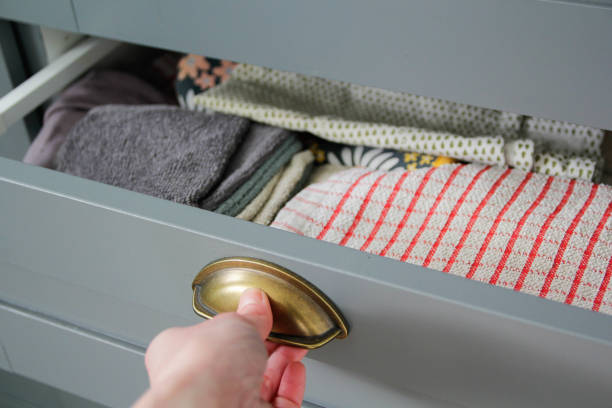
Our kitchen used to be a maze of mismatched containers and lost lids. The turning point came when we mapped out how we actually cook—not how we thought we should. We grouped items by task: all baking tools together, cooking utensils near the stove, and coffee supplies by the counter. This zone-based approach cut meal prep time in half.
No more hunting for the garlic press in a cabinet three rooms away.
We measured every cabinet before buying organizers. That small step prevented costly mistakes—like purchasing a pull-out trash bin that was 2 inches too wide. Using adjustable shelving gave us flexibility for tall bottles or stackable pans. We also added under-shelf baskets for spice jars and tea bags, turning dead air into usable space.
In our experience, vertical storage is the unsung hero of cabinet efficiency.
One game-changer was labeling shelf edges with painter’s tape and a marker—“Lids,” “Tupperware,” “Pasta & Rice.” It made restocking intuitive, especially for family members who didn’t live in the kitchen like we did. We also rotated items seasonally: heavy soup pots in winter, blender and salad bowls in summer.
This dynamic system adapts to real life, not the other way around. Now, everything has a home—and we actually remember where it is.
Drawer Dividers That Actually Make Sense for Daily Use
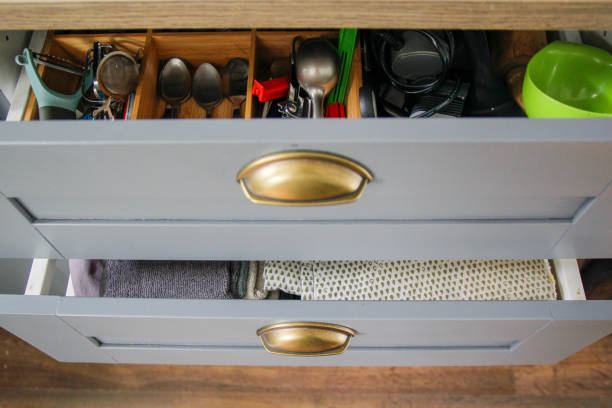
Most drawer dividers fail because they’re too rigid or too small. We found success with adjustable bamboo organizers that let us customize compartments based on what we store. For silverware, a 5-section layout with a deep slot for spoons and a narrow one for steak knives worked best.
But the real win came in the utensil drawer—using a 9″ x 14″ expandable tray that holds whisks, spatulas, and tongs upright, so nothing gets buried.
Don’t overlook depth. Shallow drawers need low-profile dividers; deeper ones can handle stacked trays. We layered two dividers in our largest drawer: one for everyday cutlery on top, and a second removable tray underneath for peelers, can openers, and kitchen shears. This double-deck system kept essentials visible and rarely used tools protected.
Plus, lifting out the top tray made cleaning spills a one-minute job.
For drawers with mixed contents—like kitchen gadgets and foil rolls—we used silicone-coated mesh bins inside the divider to corral odd shapes. These non-slip inserts prevent tools from clattering around. In our experience, the best dividers aren’t the fanciest—they’re the ones that stay put, adapt to change, and make grabbing a spatula feel effortless.
If you open the drawer and see everything at a glance, you’ve nailed it.
Pantry Zones: Grouping What Goes Where
Creating dedicated pantry zones transforms chaotic shelves into a functional system we recommend for every kitchen. Start by dividing your space into clear categories—like baking supplies, breakfast items, snacks, and canned goods. In our experience, grouping similar items helps us spot what we need at a glance and prevents double-buying staples like flour or pasta.
Use clear, labeled containers for dry goods such as rice, sugar, and oats—this keeps portions consistent and pests away. We suggest storing heavier items like canned beans and soups on lower shelves for safety, while lightweight snacks and spice packets go up top. Adding small tiered shelves helps us see everything in back rows without digging.
For maximum efficiency, keep a zone just for daily essentials—think coffee, tea, and oatmeal—within easy reach near the coffee maker or kettle. We found that maintaining these zones reduces meal prep time by up to 15 minutes per day. A well-zoned pantry isn’t just neat—it’s a game-changer for smooth kitchen flow.
Under-Cabinet Hacks You’ll Wonder How You Lived Without
Under-cabinet spaces are often wasted, but with smart upgrades, we’ve seen them become some of the most useful spots in the kitchen. One of our favorite tricks is installing pull-out spice racks or sliding baskets beneath upper cabinets—perfect for spices, tea bags, or even kitchen tools. These solutions keep essentials accessible without cluttering countertops.
Another game-changing idea is adding under-cabinet lighting with USB charging ports. Not only does it brighten workspaces, but it also gives us a convenient spot to charge kitchen gadgets like digital scales or thermometers. We recommend LED strips with motion sensors—they turn on automatically when we open a cabinet or reach for a knife.
For extra storage, we suggest adhesive hooks or magnetic strips to hang measuring spoons, oven mitts, or lightweight utensils. Even a slim paper towel holder mounted underneath frees up valuable drawer space. These hacks prove that every inch counts—and under-cabinet storage is no exception.
Quick Comparison: Storage Solutions That Fit Your Space and Budget
| Solution | Best For | Cost Range | Installation Effort |
|---|---|---|---|
| Wire Pull-Out Bins | Deep lower cabinets, pots, and pans | $30–$80 | Medium (requires drilling) |
| Lazy Susans | Corner cabinets, spices, oils | $15–$50 | Low (no tools needed) |
| Stackable Drawer Organizers | Utensil drawers, cutlery, gadgets | $10–$25 | Very Low (drop-in) |
| Under-Cabinet Hooks | Small tools, measuring cups, towels | $5–$20 | Low (adhesive or screw-in) |
Choosing the right storage solution depends on your cabinet layout and how much you’re willing to invest. We found that wire pull-out bins offer the most value for deep cabinets, making heavy pots easier to access. They require some assembly but pay off in daily convenience and safety.
For awkward spaces like corners, lazy Susans are a no-brainer—we love how they turn dead zones into usable storage. With just a spin, we can reach items at the back without rearranging everything. Most models fit standard cabinets and install without tools, making them ideal for renters.
When it comes to drawers, stackable organizers let us customize compartments for different utensils or gadgets. We recommend measuring drawer depth before buying to ensure a snug fit. Under-cabinet hooks, while simple, are surprisingly effective for lightweight items we use daily.
What to Do With All Those Odd-Shaped Containers
Odd-shaped containers—think rectangular takeout tubs, round yogurt cups, or deep soup containers—can turn cabinet space into a Tetris nightmare. We recommend dedicating one deep drawer or lower cabinet specifically for these items to prevent them from scattering. Use stackable bins or lidded baskets to corral mismatched shapes and keep them from toppling when you pull one out.
Group containers by shape and size: round ones together, rectangulars in another zone. We found that nesting similar shapes saves up to 30% more space than random stacking. For lids, use a vertical file organizer or a slotted container rack mounted inside a cabinet door—this prevents lid avalanches and makes matching faster.
Label zones with removable labels so everyone knows where each type belongs. If you’re short on space, consider a pull-out carousel in a corner cabinet—it maximizes visibility and access. In our experience, the key is consistency: if you spend 10 seconds returning containers to their zone daily, you’ll avoid the dreaded “cabinet of mystery” within weeks.
Maintaining the System Without Losing Your Mind
Even the most brilliant kitchen organization can unravel fast without simple maintenance habits. We suggest doing a 5-minute nightly reset—clear surfaces, return stray items, and wipe spills. This small habit prevents clutter from building up and makes mornings smoother. Think of it as a nightly “closing shift” for your kitchen, like restaurants do.
Every month, schedule a 15-minute touch-up to reevaluate zones. Check for expired food, re-stack misaligned containers, and realign drawer dividers. We’ve found that using visual cues, like colored labels or consistent bin colors, makes it easier to spot when things are out of place. If a system isn’t working, tweak it—don’t force it.
Involve everyone in the household with clear, simple rules. Use photo labels for kids or guests who might not know where things go. In our experience, systems last longest when they’re easy to follow, not perfect. Accept that some days will be messy—just reset and keep going. Consistency beats perfection every time.
Frequently Asked Questions
How can I organize kitchen cabinets and drawers efficiently?
We recommend starting by emptying each cabinet and drawer, then sorting items by category. Use adjustable dividers, stackable bins, and door-mounted racks to maximize space. We’ve found that assigning a specific spot for every item helps maintain order. Keep frequently used kitchenware at eye level and store heavier pots and pans near the stove for convenience and safety.
What are the best drawer organizers for utensils?
In our experience, customizable tray inserts work best because they adapt to your utensil mix. We recommend bamboo or acrylic trays with adjustable dividers for flexibility. Keep spatulas, spoons, and cooking tools separated to avoid clutter. For deeper drawers, consider a two-tier organizer so nothing gets lost at the back.
This setup makes it easy to see and grab what you need quickly.
How do I prevent pots and pans from becoming a messy pile?
We suggest using stackable pot racks or vertical dividers inside lower cabinets. Nest pots of similar sizes with felt liners between them to protect surfaces. Store lids in a file organizer or on a rack beside the pots. In our experience, keeping everything upright and separated makes it easier to access without creating a jumbled mess each time you cook.
What are smart ways to organize a small kitchen?
We’ve found that vertical storage and multi-functional organizers are essential in small kitchens. Use under-shelf baskets, pull-out drawers, and magnetic knife strips to free up cabinet space. We recommend storing rarely used items higher up and keeping everyday essentials within easy reach. Door-mounted racks and corner carousels also help us make the most of every inch without overcrowding.
How often should I reorganize my kitchen cabinets?
We recommend reviewing and reorganizing kitchen cabinets every 3 to 6 months. This helps us remove expired items, reassess what we actually use, and adjust storage as our cooking habits change. A quick seasonal cleanout keeps everything functional and clutter-free. In our experience, a short monthly check helps catch small messes before they become big problems.
Final Thoughts
Organizing your kitchen cabinets and drawers doesn’t have to be overwhelming—we’ve found that small, thoughtful changes make a big difference over time. By using smart storage solutions and assigning homes for every item, we create a space that’s not only tidy but also easier to use every day.
A well-organized kitchen supports better cooking habits and reduces stress during meal prep.
Start with one drawer or cabinet and build momentum from there. We’ve seen how consistent, simple steps lead to lasting results. Whether you invest in organizers or use what you already have, the goal is to make your kitchen work for you. You’ve got this—just take it one step at a time.