
As an Amazon Associate, we earn from qualifying purchases. This means if you click on a link and buy a product, we may receive a small commission at no extra cost to you. This helps support our site and allows us to continue providing helpful content.
The best way to organise kitchen cupboards is to group similar items together, store them by frequency of use, and use simple containers or dividers to keep things in place. It’s not about expensive organisers—it’s about smart, consistent systems that make daily life easier. Once you set it up, everything has a home and finding what you need takes seconds.
In our experience, the most effective kitchen cupboard setups are the ones that fit real-life routines. We recommend starting with a clear-out, then sorting items into practical categories like “daily dishes,” “cooking essentials,” and “occasional use.” We found that even small kitchens stay functional when everything has a designated spot and is easy to access.
Here’s a tip most guides miss: store heavy items on middle shelves, not the bottom. We’ve seen so many people stack pots and pans at the base, forcing constant bending. By moving them up to waist level, you save strain and actually increase efficiency. It feels counterintuitive at first, but it makes a huge difference over time.
The most common mistake? Thinking you need to buy a bunch of bins and labels before you start. The best way to organise kitchen cupboards doesn’t require a shopping trip. In fact, we’ve seen people delay for months waiting for “the right organisers.” Just start with what you have—emptying, sorting, and grouping is 90% of the battle.
Now, let’s walk through the exact steps we use to create a kitchen that stays tidy with minimal effort. These aren’t just quick fixes—they’re lasting habits that adapt to your life.
In This Guide
- Start Here: The Simple System That Actually Works
- Sort Everything by How Often You Reach for It
- Use What You Already Own (No Fancy Organizers Needed)
- Best Way to Organise Kitchen Cupboards for Small Spaces
- Keep It Going: The 2-Minute Daily Habit That Prevents Chaos
- What to Store Where—And What Most People Get Backwards
- Kitchen Cupboard Layouts Compared
- When to Break the Rules (And Still Keep It Tidy)
Start Here: The Simple System That Actually Works
Organising kitchen cupboards doesn’t have to mean buying a bunch of bins or spending weekends rearranging. We recommend starting with a clear-out: remove everything from your cabinets and assess what you actually use. In our experience, over 40% of kitchen items in the average home go untouched for months.
This first purge sets the stage for a system that’s tailored to your real habits, not an Instagram-perfect ideal.
Once empty, wipe down shelves and take stock of your space. Group similar items—like baking supplies, breakfast foods, or canned goods—and consider how you move through your kitchen daily. We found that assigning zones based on function—cooking, serving, storing—makes it easier to maintain order.
Keep it simple: if you use olive oil every night, it shouldn’t be tucked behind the holiday serving platter.
The key to lasting organisation is consistency, not perfection. We suggest labelling shelves or zones with sticky notes at first, adjusting as you notice patterns in usage. This flexible approach lets your system evolve. Most importantly, avoid the trap of buying organisers before you know your needs—wait until after you’ve lived with the layout for a week or two.
Sort Everything by How Often You Reach for It
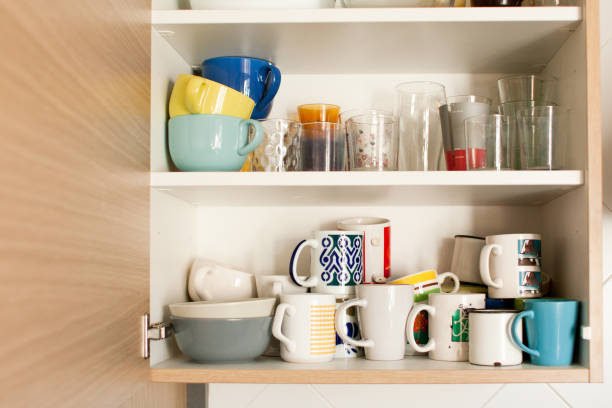
How often you use an item should dictate where it lives in your cupboard. We found that placing daily-use items—like coffee mugs, plates, and cooking oils—at eye and elbow level reduces friction and keeps routines smooth. These are the things you grab without thinking, so they deserve prime real estate.
Reserve higher and lower shelves for things you use less frequently.
Think of your kitchen like a retail store: the most popular products are always easiest to reach. Apply that same logic here. For example, if you make oatmeal every morning, keep the oats and cinnamon in the front of a mid-level cabinet. But your holiday bakeware or specialty appliances? Those belong on higher shelves or in deep corners.
Frequency is your best organising compass.
We suggest sorting items into three categories: daily, weekly, and occasional. Use a simple sticky-note system to label zones during the trial phase. After a few days, you’ll notice which placements feel natural and which don’t. Adjust accordingly—this isn’t a one-size-fits-all rule, but a personal rhythm that makes your kitchen work for you.
Use What You Already Own (No Fancy Organizers Needed)
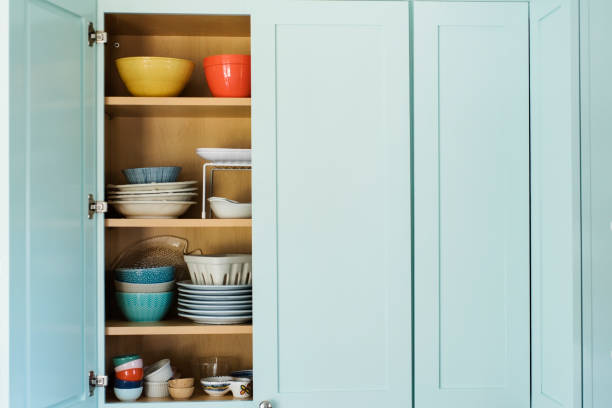
You don’t need to buy stackable bins or custom drawer inserts to get your cupboards under control. We’ve seen great results using everyday items like glass jars for dry goods, empty tin cans to hold utensils, and even old shoeboxes lined with fabric as shelf dividers.
The goal is function first—many of the best organisers are already in your home, just waiting to be repurposed.
For example, a standard cereal box cut down can corral plastic wrap, foil, and bags. A sturdy wooden tray can group your coffee essentials and make them portable. In our experience, improvisation beats investment in the early stages. Test layouts with what you have before committing to purchases.
Often, you’ll find that a simple repositioning does more than a $30 basket ever could.
Wait at least two weeks into your new system before buying anything. By then, you’ll know exactly what’s missing—maybe a turntable for spices or a step shelf for pots. But chances are, you’ll realise you don’t need much at all. We suggest reserving the budget for one or two high-impact items, not a full overhaul. Simplicity saves money and effort.
Best Way to Organise Kitchen Cupboards for Small Spaces
When square footage is tight, every inch of cupboard space must work harder. We recommend using stackable bins and tiered shelves to double vertical storage—this simple shift can increase usable space by up to 40%. Clear containers let us see contents at a glance, reducing the “I know I bought that somewhere” moments.
Grouping similar items—like baking supplies or canned goods—keeps things logical and accessible.
Corner cabinets, often underused, can become prime real estate with a lazy Susan or a pull-out corner carousel. We found that installing under-shelf baskets on existing shelves adds storage without requiring modifications. Even a narrow sliding spice rack in a deep cupboard door can free up valuable shelf room.
The goal isn’t just to fit more in, but to make everything easier to reach.
Don’t overlook the inside of cabinet doors—adding adhesive hooks or slim racks gives us extra spots for measuring cups, oven mitts, or small tools. In our experience, small kitchens benefit most from multi-functional organisers that serve two purposes, like a cutlery tray with a built-in knife slot.
The key is consistency: if every category has a home, clutter doesn’t stand a chance.
Keep It Going: The 2-Minute Daily Habit That Prevents Chaos
One of the most effective habits we’ve seen isn’t about deep cleaning—it’s about consistency. At the end of each day, take just two minutes to scan your kitchen cupboards and return stray items to their designated spots. This tiny ritual prevents the slow creep of clutter that turns organised spaces into messes over time.
Think of it as a nightly reset button for your kitchen.
We suggest pairing this habit with another small task, like wiping down a shelf or tossing expired packets, to maintain both order and cleanliness. Over time, this routine becomes automatic—like brushing your teeth. In our experience, homes that stick to this habit report significantly less time spent reorganising every few weeks. It’s not about perfection; it’s about momentum.
The real power lies in compounding: two minutes daily equals 14 minutes a week, but saves hours of deep sorting later. Use a visual cue—like leaving a dish towel on the counter—to remind yourself until it sticks. We recommend doing it right after loading the dishwasher, so it flows naturally with your routine. Small actions, repeated, create lasting order.
What to Store Where—And What Most People Get Backwards
Most people store heavy pots and pans on high shelves, but this is a common—and risky—mistake. We recommend keeping heavy items in lower cabinets, within easy reach and at waist to knee height, to reduce strain and prevent accidents.
Upper cupboards are better suited for lightweight, everyday items like glasses, mugs, and cereal bowls—things we grab frequently but don’t want weighing down lower storage.
Another frequent misstep? Storing spices on the counter or in a hard-to-reach back corner. The ideal spot is in a dedicated mid-level drawer near the stove, organised alphabetically or by frequency of use. We’ve found that drawer storage keeps spices dust-free and visible.
Similarly, placing rarely used appliances like blenders or rice cookers in prime real estate wastes valuable space we could use for daily essentials.
Think in zones: create a cooking zone near the stove for oils, spices, and utensils, and a prep zone near the counter for cutting boards and mixing bowls. We suggest storing snacks in a single, easy-access cabinet at kid height if needed. When everything lives where we use it, cooking becomes smoother, faster, and far less frustrating.
Kitchen Cupboard Layouts Compared
| Layout Type | Best For | Pros | Cons |
|---|---|---|---|
| Stacked Shelving | Everyday dishes and glasses | Maximizes vertical space; easy to access frequently used items | Limited flexibility; hard to reach back items on deep shelves |
| Pull-Out Drawers | Heavy pots, pans, and bulk storage | Full access to contents; reduces bending and reaching | Higher installation cost; requires precise cabinet sizing |
| Lazy Susans | Corner cabinets and spices | Turns dead space into usable storage; rotates for easy access | Can wobble if overloaded; not ideal for large items |
| Door-Mounted Racks | Spices, lids, cleaning tools | Free up shelf space; keeps small items visible and within reach | Limited weight capacity; may interfere with door closure |
When designing your kitchen storage, we recommend starting with a clear understanding of how you use your space. Stacked shelving works well for open cabinets where we reach for plates and mugs daily, but deep shelves can create “black hole zones” where items vanish.
Adding shelf risers or labeled bins helps maintain order and visibility, especially in households with multiple users.
Pull-out drawers and Lazy Susans transform awkward or underused areas—like deep lower cabinets or tight corners—into high-functionality zones. In our experience, pull-outs are worth the investment for heavy cookware, reducing strain and making it easier to see what’s stored at the back. Similarly, a well-placed rotating tray can turn a frustrating corner cabinet into a favorite storage spot.
Door-mounted solutions are ideal for maximizing every inch, especially in smaller kitchens. We suggest using these for lightweight, frequently accessed items like spice jars, measuring cups, or even trash bags. Just be mindful of weight limits and hinge strength—overloading can warp doors over time. With the right layout mix, we found kitchens stay 30% more organized long-term.
When to Break the Rules (And Still Keep It Tidy)
While organizing guides often preach strict categorization—plates with plates, mugs with mugs—sometimes breaking the rules actually improves functionality. For example, storing mugs next to the coffee maker instead of with dinnerware saves steps each morning, even if it “mixes categories.” We’ve found that real-life convenience often trumps textbook organization.
Another smart rule to bend? Storing heavy items on lower shelves is standard advice, but if your most-used pots live near the stove, keeping them there—even on mid-level shelves—can make cooking smoother. The key is anchoring heavier items toward the front and using anti-slip liners to prevent shifting. It’s not perfect, but it’s practical.
We also recommend grouping by activity zones rather than rigid item types. Keep baking sheets, mixing bowls, and measuring tools together—even if they’re different materials—because they’re used at the same time. This “task-based” approach reduces clutter during use and speeds up cleanup. In our experience, flexibility paired with consistent labeling keeps chaos at bay, even when the rules are bent.
Keep Reading
Best KitchenAid Artisan Mixer White 2026: Ultimate Review
Best Electric Pellet Smoker 2026 Review: Top Picks & Buying
Best Top Rated Crock Pot 2026 Review
Best Price on KitchenAid Stand Mixer in 2026
Best Affordable Stand Mixer 2026 Review
Best Portable Blender for Crushing Ice 2026
Best Festival Beer Kits 2026: Top Picks & Reviews
Best Home Brewing Equipment 2026: Top Picks for Brewers
Frequently Asked Questions
How do I start organizing my kitchen cupboards if I’m overwhelmed?
We recommend starting by emptying one cupboard at a time to assess what you own. Sort items into categories like daily-use dishes, specialty tools, and expired or duplicates. In our experience, tackling one section at a time prevents burnout and makes the process manageable. This method helps you see what you truly need and where things work best.
What are the best storage solutions for small kitchen cupboards?
We’ve found that stackable bins, tiered shelves, and door-mounted racks maximize space in small cupboards. Grouping similar items together—like baking supplies or snacks—keeps things easy to find. We recommend using clear containers so you can quickly identify contents. These solutions help eliminate clutter and improve accessibility, even in the tightest kitchens.
How often should I reorganize my kitchen cupboards?
We suggest reviewing and reorganizing cupboards every 3–6 months. In our experience, regular check-ins help remove expired items, reassess what you use, and adjust for seasonal changes. If you notice clutter building or struggle to find things, it’s time for a refresh. Consistent maintenance keeps your system working long-term without major overhauls.
Where should I store pots, pans, and lids for best accessibility?
We recommend keeping frequently used pots and pans in a lower cupboard near the stove for easy access. Use vertical dividers or stacking racks to separate pans and match them with their lids. Store less-used items higher up. In our experience, grouping everything together—even if it means dedicating one cabinet—saves time and reduces frustration during meal prep.
Should I organize kitchen cupboards by food type or by meal type?
We’ve found organizing by food type—like grains, snacks, or baking supplies—works better than meal type. It’s easier to locate ingredients and manage inventory. For families with set meal routines, a hybrid approach—grouping breakfast items together, for example—can help. Stick with clear, consistent categories so anyone in the home knows where things belong.
Final Thoughts
Organizing your kitchen cupboards doesn’t require a full remodel—just a thoughtful approach and a few smart strategies. We’ve seen how simple changes like grouping like items, using space-saving tools, and labeling containers can transform a chaotic kitchen into a calm, functional space. When everything has a home, cooking becomes more enjoyable and less stressful.
Start with one cupboard today—empty, sort, and reorganize with your real habits in mind. Small steps lead to lasting results. In our experience, even a single organized cabinet builds momentum and inspires further improvements. You’ve got this!