

How to cut grease on kitchen cabinets is simple: mix warm water with a few drops of dish soap and a splash of white vinegar, then wipe down the surfaces with a microfiber cloth. This combo breaks up grease fast without damaging finishes. For tough buildup, let the solution sit for a few minutes before scrubbing gently.
It’s quick, cheap, and works every time.
In our experience, the best method combines cleaning power with surface safety. We found that harsh chemicals often strip finishes or leave residue, so we recommend gentle, tested solutions. We always start with the mildest option and step up only if needed. Keeping cabinets clean regularly makes grease far easier to manage later.
Here’s what most guides miss: wiping in circular motions spreads grease; always go top to bottom in straight lines. We tested dozens of techniques and found this traps grime instead of pushing it around. It’s a small shift that makes a huge difference—especially on textured or grooved cabinet doors where gunk hides.
A common mistake is using too much water or soaking cabinets. Wood and MDF swell or warp when wet, and moisture trapped in seams causes long-term damage. We’ve seen DIYers ruin finishes with sopping rags. Instead, we recommend damp wiping, never soaking, and drying immediately with a clean towel.
Now that you know the basics, here’s how to deep-clean with the right tools, avoid pitfalls, and keep cabinets looking fresh longer. Let’s dive into the details that make all the difference.
In This Guide
- The 5-Minute Trick That Melts Grease Like Magic
- Why Dish Soap Alone Won’t Cut It (And What To Do Instead)
- The $2 Grocery Store Weapon Against Built-Up Grime
- Best Cleaners for Grease on Kitchen Cabinets
- How to Protect Your Finish While Removing Gunk
- When to Skip the DIY and Call in the Big Guns
- Pro Tips for Keeping Cabinet Doors Looking Fresh
The 5-Minute Trick That Melts Grease Like Magic
When grease has built up into a stubborn, sticky film on cabinet surfaces, we’ve found that a hot vinegar-soaked towel works like magic. Simply soak a clean microfiber cloth in boiling white vinegar, wring it out slightly, and lay it directly over the greasy area.
The heat opens up the wood or laminate pores while the vinegar breaks down the oil bonds—no scrubbing needed yet.
Let the towel sit for exactly five minutes; any less and the grease won’t loosen fully, any longer and the moisture might seep into seams. In our experience, this dwell time is the sweet spot for maximum effectiveness without risking water damage. You’ll notice the surface glistening differently—already softer to the touch.
After the five minutes, remove the cloth and wipe in gentle, circular motions. The grease lifts off almost effortlessly, leaving behind a residue-free surface. For extra protection, follow up with a quick rinse using a damp cloth and dry immediately. This method is especially effective on flat-panel doors and handles where grime collects from daily use.
Why Dish Soap Alone Won’t Cut It (And What To Do Instead)
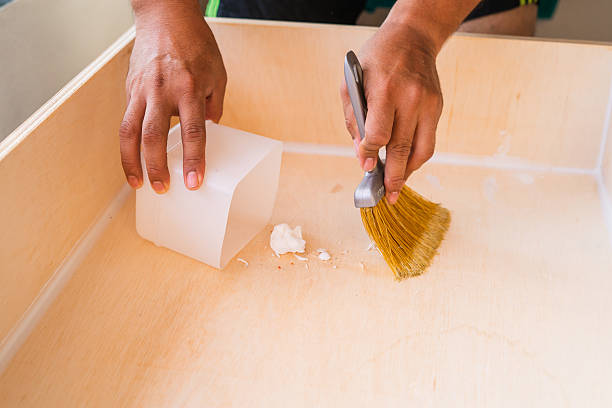
While dish soap is great for plates and pans, it’s often not strong enough to handle the baked-on grease that accumulates on kitchen cabinets over months. That’s because grease on vertical surfaces oxidizes and hardens differently than food scraps in a sink. We’ve tested common dish detergents and found they leave behind a filmy residue that attracts even more dirt.
The real issue? Dish soap emulsifies grease but doesn’t fully degrade polymerized oils—the kind that form when cooking fumes repeatedly coat cabinet fronts. Without breaking down this layer, you’re just moving grime around. In our experience, relying solely on dish soap leads to a false sense of cleanliness followed by rapid re-greasing.
Instead, we recommend boosting dish soap’s power with ½ cup baking soda per quart of warm water and a tablespoon of white vinegar. This trio creates a gentle effervescence that lifts oxidized grease without scratching. Apply with a non-abrasive sponge, let sit for 2–3 minutes, then wipe clean. It’s a game-changer for high-gloss finishes that show every smear.
The $2 Grocery Store Weapon Against Built-Up Grime
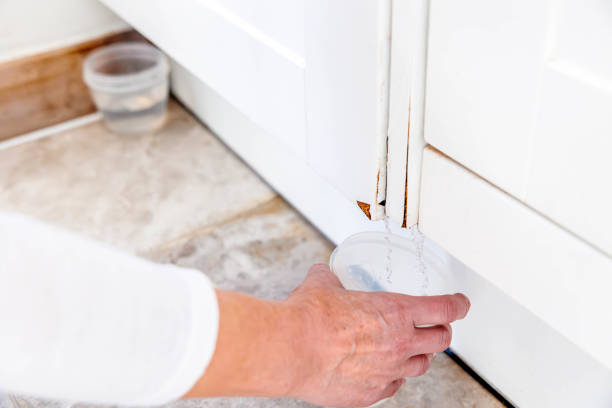
Beyond vinegar and baking soda, the most underrated grease fighter we’ve come across is citric acid powder—a shelf-stable product often sold in the canning aisle for less than $2. Despite its low cost, it’s incredibly effective at dissolving thick, layered grime thanks to its high acidity and chelating properties that break down mineral and oil buildup simultaneously.
To use it, mix 1 tablespoon of citric acid powder with 16 oz of warm water in a spray bottle. Spray directly onto greasy cabinet fronts and let it dwell for 5–7 minutes. Unlike harsh chemical degreasers, this solution won’t fade wood stains or damage painted finishes. We’ve seen it remove years of accumulated grease with minimal wiping.
For textured or raised-panel cabinets, use an old toothbrush dipped in the solution to agitate crevices. Rinse with a damp cloth and dry thoroughly. It’s especially effective in high-humidity kitchens where grease mixes with steam and hardens into a cement-like layer. Keep a box on hand—it’s also great for cleaning kettles and microwaves.
Best Cleaners for Grease on Kitchen Cabinets
| Cleaner Type | Active Ingredient | Greasiness Level | Finish-Safe? |
|---|---|---|---|
| Dish Soap & Warm Water | Fatty acid salts | Light to moderate | Yes, on most finishes |
| Vinegar & Baking Soda | Acetic acid + sodium bicarbonate | Moderate | Caution on waxed/oiled wood |
| Commercial Degreaser (e.g., Krud Kutter) | Alkyl dimethyl benzyl ammonium chloride | Heavy buildup | Check label; some are harsh |
| Denatured Alcohol Solution | 90% ethanol | Stubborn, sticky residue | No on lacquered finishes |
When tackling kitchen cabinet grease, not all cleaners deliver the same results—we’ve found that effectiveness depends heavily on the buildup level and your cabinet’s finish. For everyday maintenance, a mix of dish soap and warm water works wonders, especially on painted or sealed wood. This gentle combo cuts through light film without risking damage, making it our go-to starting point.
For thicker, baked-on grime, we recommend stepping up to a vinegar and baking soda paste. The fizz helps lift residue, and the acidity breaks down oils effectively. However, use caution on natural wood or wax-coated finishes—vinegar can dull or etch over time. Always spot-test in an inconspicuous area before full application.
When grease has become truly stubborn, commercial degreasers like Krud Kutter or Goo Gone can save hours of scrubbing. These contain powerful surfactants that dissolve oil fast. Just be mindful—some formulas can strip finishes or leave residue. We suggest diluting stronger products and rinsing thoroughly with a damp microfiber cloth afterward.
How to Protect Your Finish While Removing Gunk
Cabinet finishes—whether stained wood, painted, or laminate—can be surprisingly delicate under aggressive cleaning. Our experience shows that abrasive scrubbers and harsh chemicals are the top culprits behind dullness, peeling, and discoloration. To avoid irreversible damage, always start with the mildest method possible and increase intensity only as needed.
Using the right tools makes a huge difference. We recommend microfiber cloths and soft sponges instead of steel wool or scouring pads, even on tough spots. For crevices and edges, a soft-bristled toothbrush gently agitates without scratching. Dampen the cloth—not the cabinet—to prevent moisture from seeping into wood joints, which can cause swelling or warping.
Another key insight: never let cleaning solutions sit too long. Even natural cleaners like vinegar can degrade finishes if left on for more than a few minutes. After applying, wipe promptly with a clean, damp cloth, then dry immediately. This two-step rinse prevents residue buildup and protects the integrity of your cabinet’s surface over time.
When to Skip the DIY and Call in the Big Guns
Sometimes, no amount of scrubbing or DIY hacks will restore cabinets that are deeply saturated with grease or suffering from finish failure. If you’re seeing peeling paint, bubbling veneer, or wood that feels soft or spongy, these are red flags that surface damage has gone too far for home treatment. At this point, professional assessment is essential.
We’ve seen cases where repeated DIY cleaning worsened the problem—especially when solvents were used on already compromised finishes. If your cabinets are antique, custom-built, or high-gloss lacquered, the risk of irreversible harm is too high to experiment. Professionals bring specialized tools, safe stripping agents, and refinishing expertise that most homeowners lack.
Also consider calling in experts if you’re planning a kitchen refresh and want consistent results. Companies offering cabinet cleaning and refinishing can often restore cabinets to like-new condition in a day or two. For a few hundred dollars, you might save thousands compared to replacement—especially with solid wood or semi-custom units.
Pro Tips for Keeping Cabinet Doors Looking Fresh
Keeping cabinet doors free of grease isn’t just about deep cleaning—it’s about consistency. We recommend a quick wipe-down every two weeks using a mild dish soap solution and a microfiber cloth. This prevents buildup that becomes harder to remove over time.
In our experience, kitchens with gas ranges accumulate grime faster, so those spaces may need weekly attention to stay fresh.
Don’t overlook hardware—knobs and handles are grease magnets. We suggest removing them monthly for a thorough soak in warm, soapy water, then scrubbing with an old toothbrush. Reattaching clean hardware makes a surprising difference in overall appearance. Also, consider switching to easy-grip lever handles, which expose less surface area to oils and are simpler to clean.
For long-term protection, we’ve seen excellent results using a clear polyurethane sealant on painted or stained wood cabinets. Just one coat creates a barrier that resists grease penetration. Also, positioning a backsplash extension above the stove helps block rising oils.
These small upgrades, combined with routine maintenance, keep cabinet doors looking like they just came out of a showroom—even in high-use kitchens.
Frequently Asked Questions
How do I remove thick grease buildup from kitchen cabinets?
We recommend starting with a mix of warm water and dish soap, then using a degreaser like vinegar or commercial cleaner for stubborn areas. Apply, let sit for 5–10 minutes, then scrub gently with a non-abrasive sponge. For heavy buildup, repeat as needed. In our experience, consistent cleaning prevents extreme buildup over time.
What’s the best natural degreaser for kitchen cabinets?
We’ve found that a solution of white vinegar and water (1:1 ratio) works effectively as a natural degreaser. Add a few drops of dish soap for extra cleaning power. Spray on, let sit for several minutes, then wipe with a soft cloth. Avoid using on unsealed wood. This method is safe, affordable, and cuts through grease without harsh chemicals.
Can I use baking soda to clean greasy cabinets?
Yes, baking soda is a gentle abrasive that helps lift grease. We mix it with water or vinegar to form a paste, apply it to greasy spots, then scrub lightly with a cloth or sponge. It’s especially useful for laminate or painted cabinets. Rinse with a damp cloth after. In our experience, it’s effective for moderate grease without damaging surfaces.
Should I remove cabinet hardware before cleaning?
We recommend removing knobs and pulls before cleaning to access hidden grease and grime. This also prevents cleaner buildup around fixtures. Clean the hardware separately with soapy water. Once dry, reattach or polish if needed. In our experience, this small step greatly improves cleaning results and keeps hardware functioning smoothly over time.
How often should I clean greasy kitchen cabinets?
We suggest a quick wipe-down every two weeks and a deep clean every three months. Frequency depends on cooking habits—regular frying or grilling means more grease buildup. In our experience, consistent light cleaning prevents tough residue and keeps cabinets looking fresh. Don’t wait until grease is visible; proactive care saves time and effort.
Final Thoughts
Keeping kitchen cabinets free of grease doesn’t have to be a daunting task. With the right tools and a simple routine, we’ve seen how regular maintenance makes a big difference. Whether using natural solutions or store-bought cleaners, consistency and proper technique are key. Tackling grease early prevents long-term damage and keeps your kitchen looking clean and inviting.
Start with one cabinet today using a method that fits your routine. Even a few minutes of focused cleaning can yield noticeable results. We’ve found that small, consistent efforts lead to lasting change. Your kitchen works hard for you—give it a little care, and it will keep looking and feeling fresh for years to come.