
Good organization for small pantry spaces means making every inch count without overcomplicating things. We’re talking clear zones for categories, easy access to what you use daily, and smart storage that keeps clutter out of sight. It’s not about having a big space—it’s about using what you have wisely and keeping it simple.
In our experience, the best small pantry setups start with a clear plan and end with habits that stick. We found that grouping similar items, using consistent containers, and labeling everything makes a huge difference. It’s not just about looking tidy—it’s about saving time, reducing waste, and knowing exactly what you have at a glance.
Here’s a tip most guides miss: store your heaviest items on the middle shelf. We recommend this because it prevents strain when reaching and keeps bulky cans from making lower shelves too hard to access. It also balances the visual weight and keeps your go-to items within easy reach without overloading the floor.
A common mistake? Thinking you need matching containers for everything. We’ve seen it backfire—spending money on fancy jars that don’t fit your space or make restocking harder. Organization for small pantry success isn’t about aesthetics alone; it’s about function first. Skip the containers if they don’t actually improve access or save space.
Ready to turn your cramped pantry into a streamlined, easy-to-use space? Below, we break down the exact steps, smart swaps, and storage picks that make a real difference—no major overhaul required.
In This Guide
- How to Organize a Small Pantry Without Losing Your Mind
- The 5 Essentials That Make Small Pantry Organization Actually Work
- What You’re Probably Storing Wrong (And How to Fix It Fast)
- Best Storage Solutions for Tiny Pantries
- How to Maximize Every Inch of Your Cramped Pantry Space
- Real-Life Swaps That Saved My Small Pantry
- When to Ditch the Containers (And When to Double Down)
- Quick Fixes for the Most Common Small Pantry Problems
How to Organize a Small Pantry Without Losing Your Mind
Starting with a clear plan prevents frustration and wasted effort. We recommend removing everything from your pantry first—yes, everything. This lets you see exactly what you’re working with, spot expired items, and clean the shelves properly. In our experience, a clean slate approach reduces decision fatigue later.
Take inventory as you go, grouping similar items like canned goods, snacks, and baking supplies.
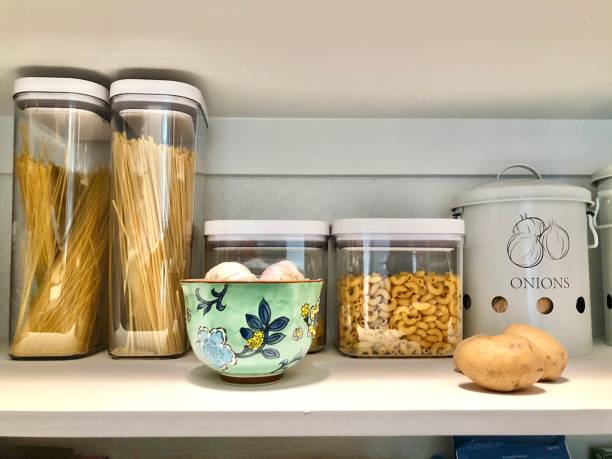
Next, measure your shelf dimensions and consider vertical space. Many small pantries waste height, but adding stackable bins or risers can double usable space. We found that using clear, airtight containers for staples like rice, pasta, and cereal keeps things fresh and visually cohesive. Label everything—dates, contents, even cooking instructions—to make decisions faster during meal prep.
Finally, assign zones based on usage and category. Keep everyday items at eye level, less-used supplies higher or lower. We suggest using turntables for sauces and spices, and baskets for snacks or packets. The key is consistency over perfection—stick to your system and adjust as needed.
A well-organized small pantry isn’t about fitting more in, but making what you have easier to use.
The 5 Essentials That Make Small Pantry Organization Actually Work

First, clear, labeled containers are non-negotiable. Transferring dry goods into uniform jars or bins cuts clutter and protects food from moisture and pests. We found that square or rectangular containers maximize shelf space better than round ones. Label with contents and expiration dates—this reduces guesswork and helps with rotation.
Second, adjustable shelving or risers give you flexibility. We recommend wire or acrylic shelf dividers to create layers—perfect for stacking cans or fitting tall bottles behind shorter items. Third, lazy Susans transform awkward corners into accessible storage, especially for oils, sauces, or spice bottles. They’re game-changers in tight spaces.
Fourth, over-the-door organizers add storage without using shelf real estate. We’ve seen these hold snacks, drink mixes, or even small tools like can openers. Finally, stackable baskets or pull-out bins keep categories separated and visible. When everything has a home and is easy to see, your system stays functional long-term—no more digging through chaos.
What You’re Probably Storing Wrong (And How to Fix It Fast)
Let’s start with snacks—often dumped in a jumbled bin. We’ve all done it, but loose chip bags and granola bars create clutter fast. The fix? Use small fabric bins or plastic baskets labeled by type: “Kids’ Snacks,” “On-the-Go,” or “Sweet vs. Savory.” This makes grabbing what you need effortless and keeps the space tidy.
Another common mistake is leaving items in bulky original packaging. Cereal boxes, for example, take up 30% more space than necessary. We suggest transferring them into flat, stackable containers with clip lids. Same goes for pasta and rice—bulk bags are efficient for storage but inefficient in pantries. Repackage in portioned, clear containers for better visibility and space use.
Finally, many overlook expiration dates until it’s too late. We recommend using the “first in, first out” rule: place newer items behind older ones. A quick monthly sweep takes less than 10 minutes and prevents food waste. Labeling with purchase dates—especially on spices and canned goods—makes rotation simple and effective.
Best Storage Solutions for Tiny Pantries
| Solution | Space Saved | Best For | Average Cost |
|---|---|---|---|
| Stackable Can Organizers | Up to 40% vertical space gain | Canned goods, soup, beans | $8–$15 |
| Over-the-Door Racks | Utilizes unused door space (up to 2 sq ft) | Spices, snacks, condiments | $12–$20 |
| Adjustable Shelf Risers | Creates 2-tier storage | Small jars, oils, seasoning packets | $10–$18 |
| Clear Pull-Out Bins | Eliminates deep-corner clutter | Pasta, rice, baking supplies | $15–$25 |
When we’re working with just a few square feet, every storage choice must earn its keep. Stackable can organizers are game-changers—we’ve seen them cut shelf clutter by nearly half while making it easier to use the “first in, first out” rule. Clear, labeled bins also help us spot low stock quickly, reducing duplicate purchases.
Over-the-door racks offer hidden capacity we often overlook. By adding one, we can stash up to 20 spice jars or snack packs without touching shelf space. We recommend models with deep pockets and reinforced hinges to avoid sagging. Bonus: they keep frequently used items within easy reach, reducing time spent rummaging.
Adjustable shelf risers unlock vertical real estate above flat surfaces—perfect for stacking small jars or oil bottles. In our experience, pairing them with clear, uniform containers makes the most of limited depth. Pull-out bins, meanwhile, solve the “black hole” problem at the back of shelves.
We suggest sizing them to fit snugly so they glide smoothly and don’t wobble when full.
How to Maximize Every Inch of Your Cramped Pantry Space
It’s not just about what you store—it’s how you position it. We recommend starting with a full pantry purge: remove everything and assess what you actually use. Items past their date or duplicates should go. This step alone often frees up 20–30% of space and helps us design zones based on real usage patterns, not assumptions.
Zone-based organization is key in tight spaces. We group items by category—baking, snacks, canned goods—and assign each a dedicated shelf or bin. Using uniform containers with labels not only looks clean but also prevents wasted space from oddly shaped packaging. For example, transferring rice into a slim, airtight container can save up to 3 inches of shelf depth.
Don’t forget vertical and depth adjustments. We install under-shelf hooks for lightweight items like tea bags or wraps. Adjustable shelving lets us customize height—critical when storing tall bottles beneath shorter boxes. In our experience, even 1-inch gaps above items add up. We fill them with risers or file-folded foil and parchment for zero wasted airspace.
Real-Life Swaps That Saved My Small Pantry
One of the most impactful changes we made was switching from bulky cereal boxes to airtight, narrow bins. A standard cereal box takes up about 140 cubic inches, but a slim 1.5-quart container uses just 90—freeing up critical front-row shelf space. Plus, the flip-top lids keep contents fresh longer and prevent spills when pulling items forward.
We also replaced oversized condiment bottles with small, stackable squeeze jars. A family-sized ketchup bottle might hold more, but it blocks visibility and takes up double the footprint. Downsizing to a 12-oz version and refilling monthly opened up space for three additional items behind it—proving that less capacity can mean more efficiency.
Another win: trading traditional paper towel rolls for a compact countertop dispenser we refill with store-brand rolls. It sounds minor, but storing the bulk roll under the sink instead of in the pantry freed up a full shelf—enough to hold all our snack packs and spice blends. These swaps weren’t about sacrifice, but smarter volume matching to actual use.
When to Ditch the Containers (And When to Double Down)
Transferring dry goods into matching airtight containers can look tidy, but in a small pantry, space is too precious to waste on bulkier packaging. We’ve found that for items used daily—like sugar, rice, or pasta—keeping them in their original packaging and folding the top with a clip actually saves inches.
Flattened bags stack better and fit into narrow shelves where rigid bins simply won’t go.
That said, we recommend doubling down on containers for spices, loose tea, or baking essentials like baking powder and cocoa powder. These small items create visual clutter, and uniform stackable glass jars with labels make them easy to grab and keep fresh.
In our experience, using 3-ounce and 8-ounce jars for these items maximizes visibility and access without crowding the shelf.
The real sweet spot? Hybrid organization. Use containers where freshness and labeling matter most, but don’t feel pressured to containerize everything. We suggest reserving premium container space for high-turnover or moisture-sensitive items—think flour, coffee, and nuts. For occasional-use goods like holiday baking supplies or backup canned goods, original packaging with clear sticky labels is often the smarter, more space-efficient choice.
Quick Fixes for the Most Common Small Pantry Problems
| Problem | Quick Fix | Time Required |
|---|---|---|
| Items buried in the back | Use turntable trays for oils, sauces, snacks | 5 minutes |
| Cans rolling and falling | Install tiered shelf dividers or can organizers | 10 minutes |
| Door space wasted | Add over-the-door racks for spices, wraps, snacks | 7 minutes |
| Shelves too deep | Use stackable front-access bins with labels | 8 minutes |
One of the most common frustrations we hear? Things get lost behind others, especially in deep shelves. The fix is simple: lazy Susans aren’t just for corner cabinets. A 12-inch acrylic turntable lets us rotate condiments, jars, or snack packs into view with a flick.
For wider pantries, using two smaller trays instead of one large one often improves balance and access.
Another frequent issue: cans toppling over during reach-ins. Instead of restacking them daily, we suggest investing in adjustable can dispensers that hold up to 15 cans in a front-loading cascade. These take up less depth and ensure the oldest cans move forward—first in, first out made effortless. Even better, many models fit standard shelf heights without modification.
And let’s not forget the door. We’ve seen so many pantries waste this prime real estate. A simple clear over-the-door organizer with 12 pockets can hold spice packets, tea bags, or small condiment bottles. For heavier items like foil or parchment, metal hooks or adhesive baskets offer sturdier support. These fixes take under 10 minutes and instantly boost usable space.
Frequently Asked Questions
How can I organize a small pantry with limited shelf space?
We recommend using stackable bins and adjustable shelving to maximize vertical space. In our experience, grouping similar items like baking supplies or snacks in a clear, labeled containers makes them easier to find. Installing door racks adds storage without taking up shelf room. We’ve found that regularly editing your inventory prevents overcrowding and keeps your small pantry functional and stress-free.
What are the best containers for a small pantry?
We suggest using uniform, airtight containers that fit snugly on shelves without overhang. In our experience, square or rectangular bins utilize space more efficiently than round ones. We recommend clear containers so contents are visible and label each one for quick identification.
For small pantries, we’ve found that nesting smaller containers inside larger ones helps manage clutter while maintaining easy access.
How do I keep a small pantry from getting messy?
We’ve found that consistency is key—assign a specific spot for each category and return items promptly. We recommend a weekly check to wipe shelves and reorganize as needed. Using labeled zones for snacks, grains, or canned goods helps maintain order. In our experience, involving household members in the system ensures everyone follows the same routine, reducing clutter and confusion.
Should I group pantry items by category or frequency of use?
We recommend organizing by both—place frequently used items at eye level for easy access and group them by category within those zones. In our experience, daily essentials like coffee or cereal should be front and center, while occasional-use items can go on higher or lower shelves. We’ve found this hybrid method saves time and keeps the pantry logical and efficient.
How often should I clean and reorganize my small pantry?
We suggest a quick tidy every week and a full cleanout every 1–2 months. In our experience, this prevents expired items from piling up and keeps the system working. We recommend checking expiration dates and wiping shelves during each reorganization. We’ve found that regular maintenance makes restocking easier and helps maintain a clutter-free, functional space.
Final Thoughts
Organizing a small pantry doesn’t require a major overhaul—just a few smart strategies can make a big difference. We’ve found that using the right tools, like labeled bins and shelf risers, helps maximize every inch. In our experience, a well-organized pantry saves time, reduces food waste, and makes meal prep more enjoyable, even in the tiniest of spaces.
A clutter-free pantry starts with one simple step: empty, sort, and reassess what you truly need. We recommend starting on a weekend when you have a little time to focus. Once you’ve created a system, stick with a quick weekly check to keep it running smoothly. You’ll be amazed at how much more manageable your kitchen feels.